 Skip to content


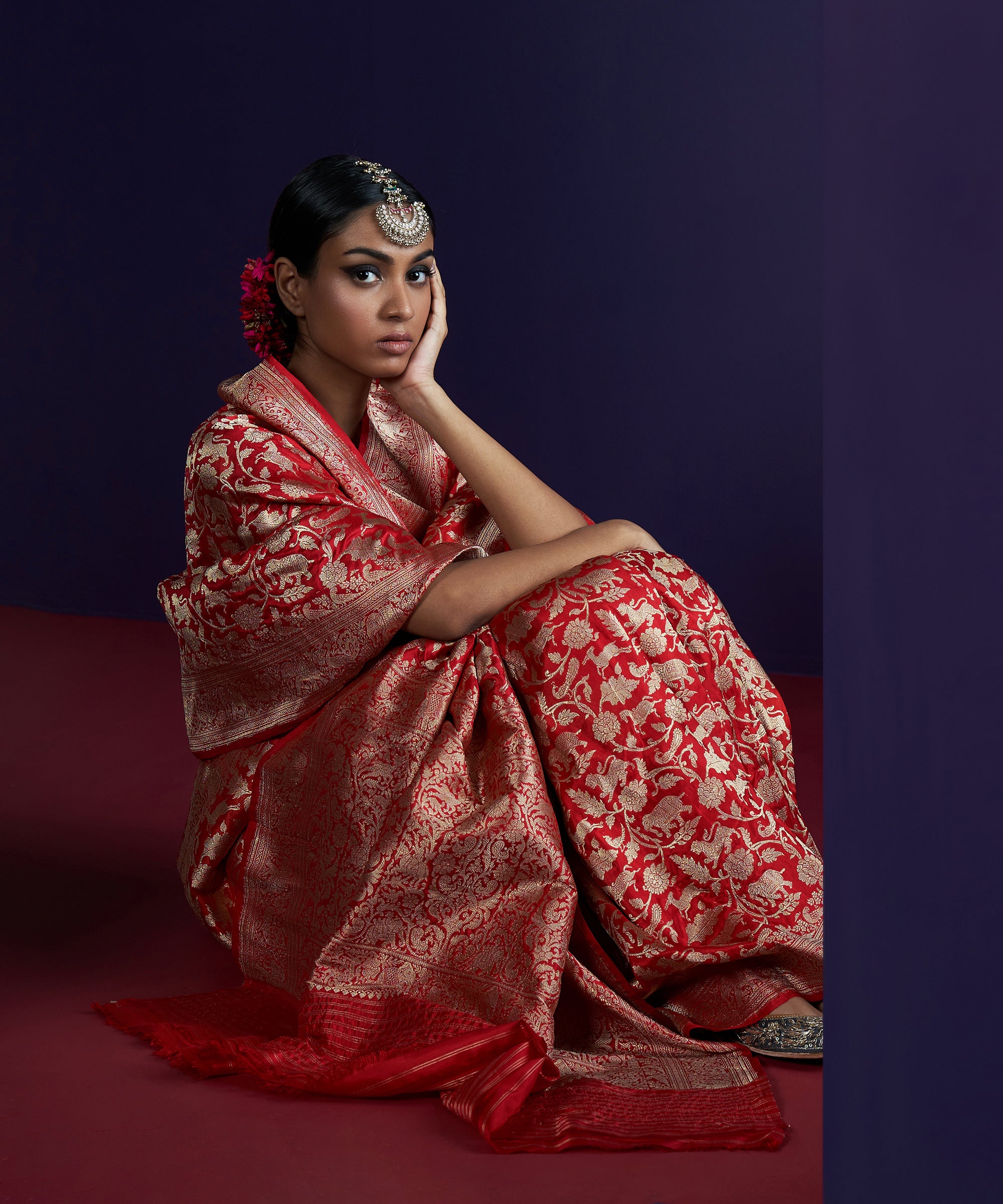
Collection: Handwoven Artistry: Shikargah Sarees from Banaras
-
Charumati — Pink Handloom Real Zari Banarasi Shikargah Saree With Meenakari Birds

 Charumati — Pink Handloom Real Zari Banar... Charumati — Pink Handloom Real Zari Banarasi Shikargah Saree With Meenakari Birds
- Regular price
-
₹ 105,990 - Regular price
-
₹ 0 - Sale price
-
₹ 105,990
-
Mrigakshi — Pink Handloom Real Zari Kadhwa Banarasi Shikargah Saree in Pure Katan Silk

 Mrigakshi — Pink Handloom Real Zari Kadhw... Mrigakshi — Pink Handloom Real Zari Kadhwa Banarasi Shikargah Saree in Pure Katan Silk
- Regular price
-
₹ 121,990 - Regular price
-
₹ 0 - Sale price
-
₹ 121,990
-
Charulata — Maroon Handloom Organza Saree with Vintage Meenakari Shikargah Zari Border

 Charulata — Maroon Handloom Organza Saree... Charulata — Maroon Handloom Organza Saree with Vintage Meenakari Shikargah Zari Border
- Regular price
-
₹ 34,995 - Regular price
-
- Sale price
-
₹ 34,995
-
Devyani — Maroon Georgette Satin Saree with Handwoven Shikargah Antique Banarasi Zari Border
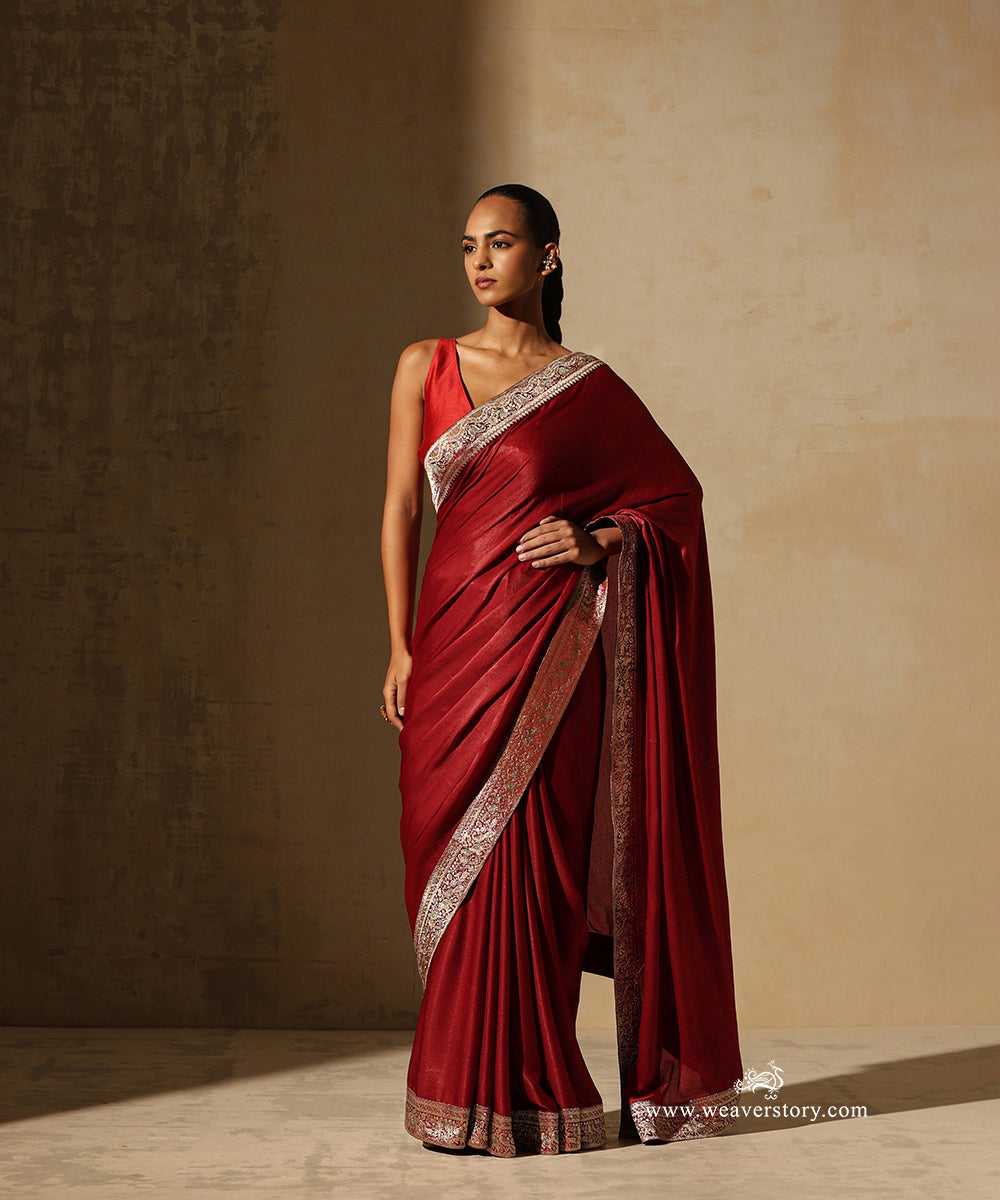
 Devyani — Maroon Georgette Satin Saree wi... Devyani — Maroon Georgette Satin Saree with Handwoven Shikargah Antique Banarasi Zari Border
- Regular price
-
₹ 31,995 - Regular price
-
- Sale price
-
₹ 31,995
-
Wine And Red Handloom Pure Katan Silk Saree Shikargah Kadhwa Jangla Banarasi Saree

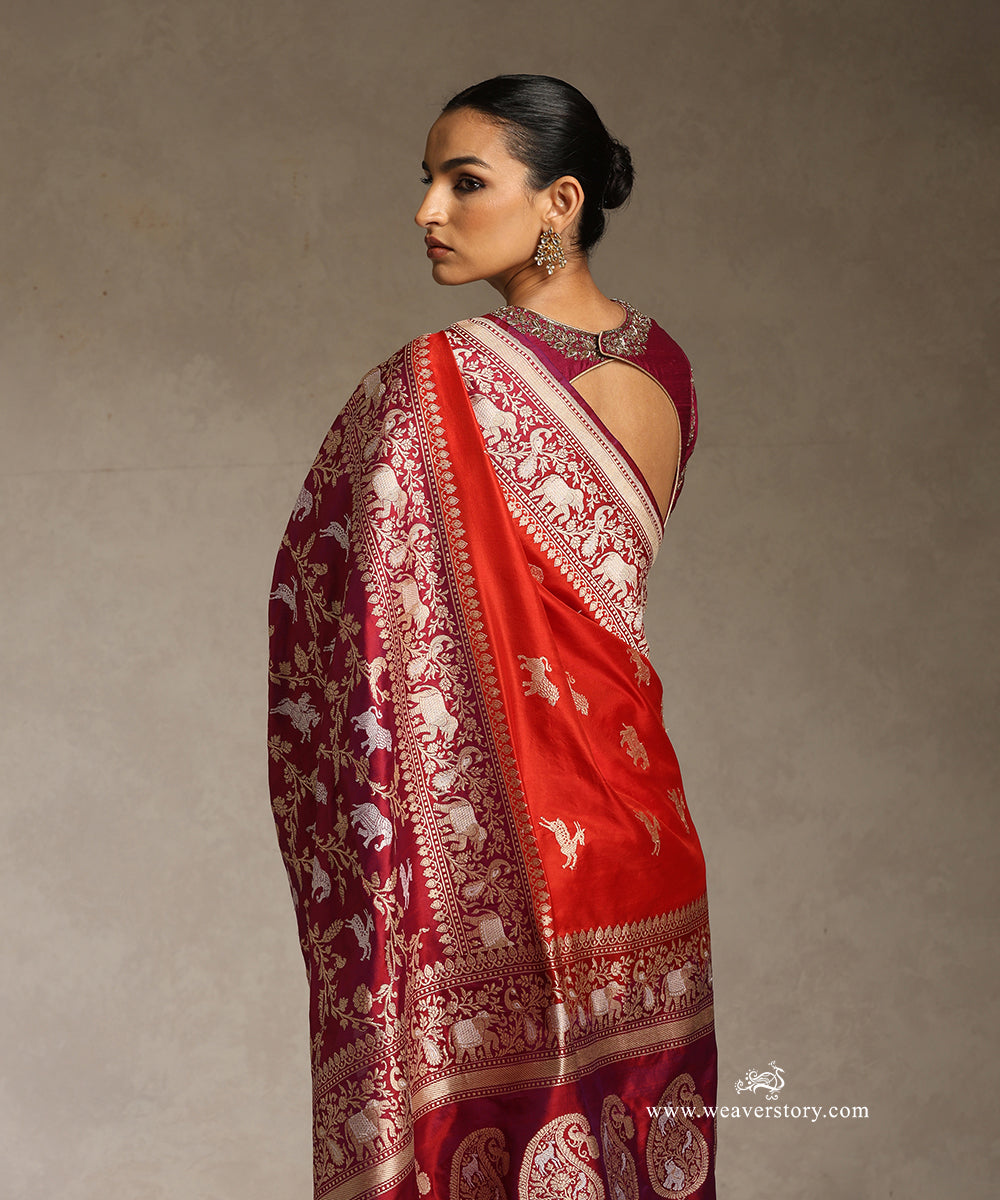 Wine And Red Handloom Pure Katan Silk Sar... Wine And Red Handloom Pure Katan Silk Saree Shikargah Kadhwa Jangla Banarasi Saree
- Regular price
-
₹ 62,042 - Regular price
-
₹ 72,990 - Sale price
-
₹ 62,042
-
Pink Handloom Pure Katan Silk Banarasi Shikargah Saree

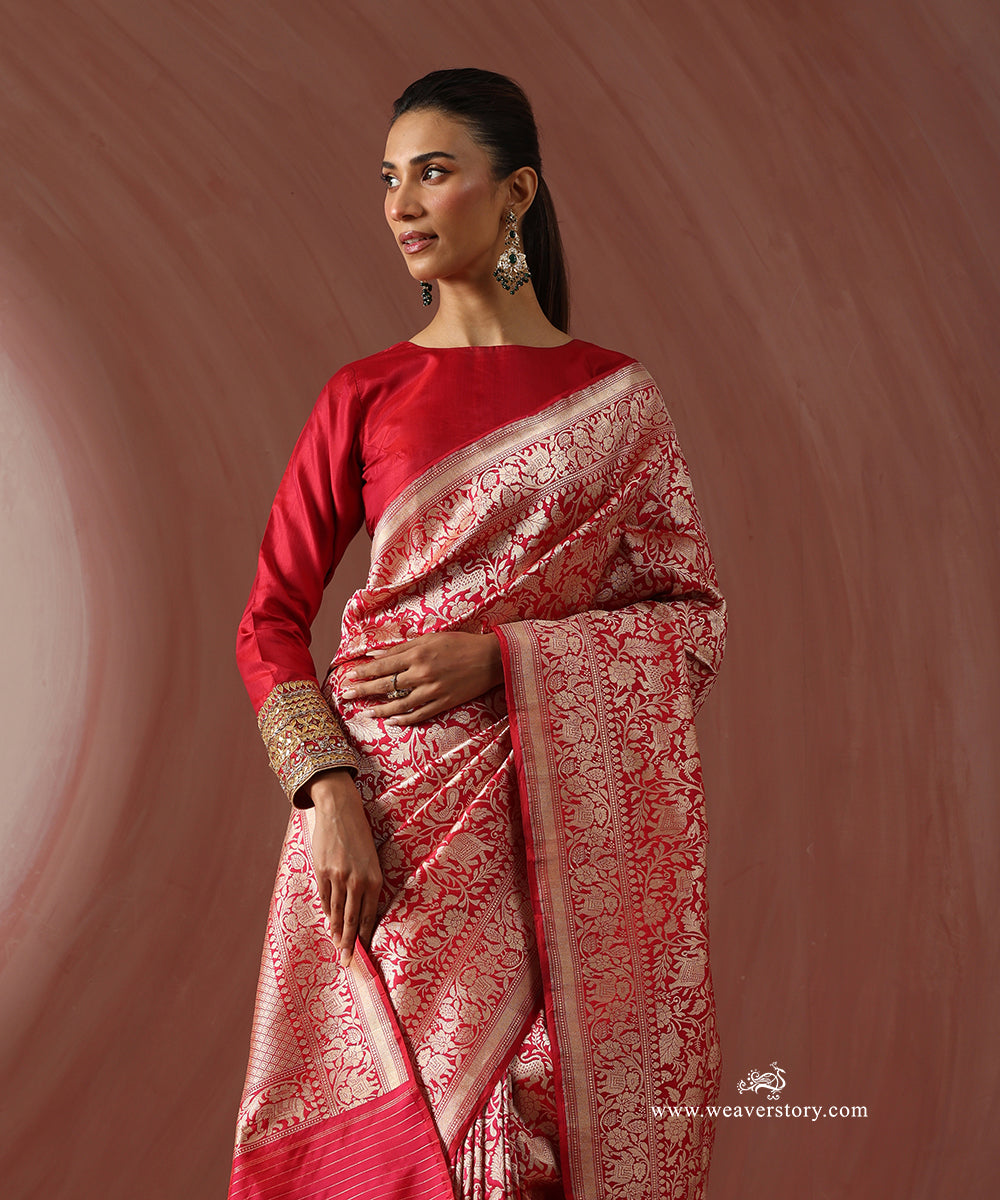 Pink Handloom Pure Katan Silk Banarasi Sh... Pink Handloom Pure Katan Silk Banarasi Shikargah Saree
- Regular price
-
₹ 37,392 - Regular price
-
₹ 43,990 - Sale price
-
₹ 37,392
-
Handloom Dark Green Pure Katan Silk Kimkhab Shikargah Banarasi Saree
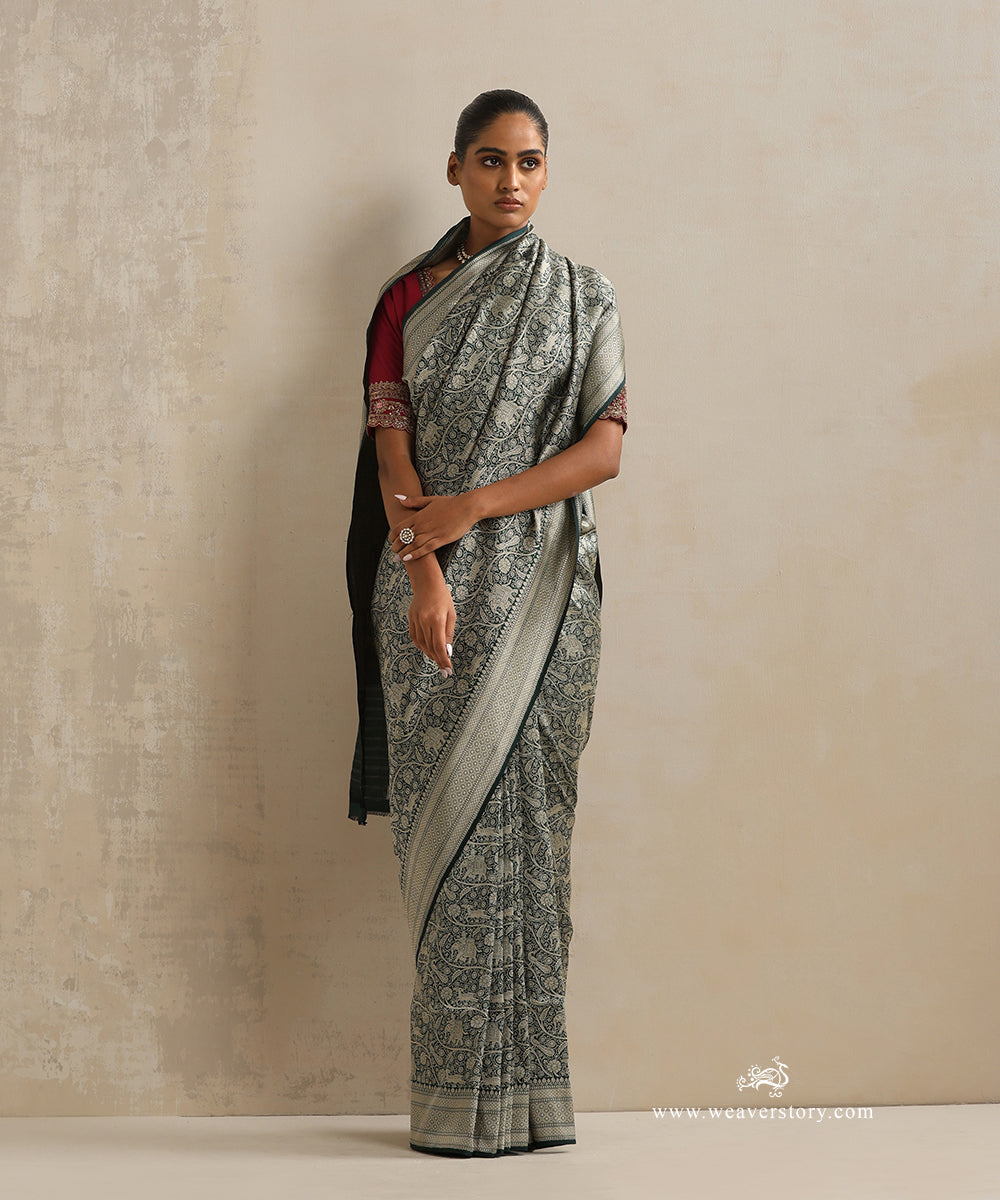
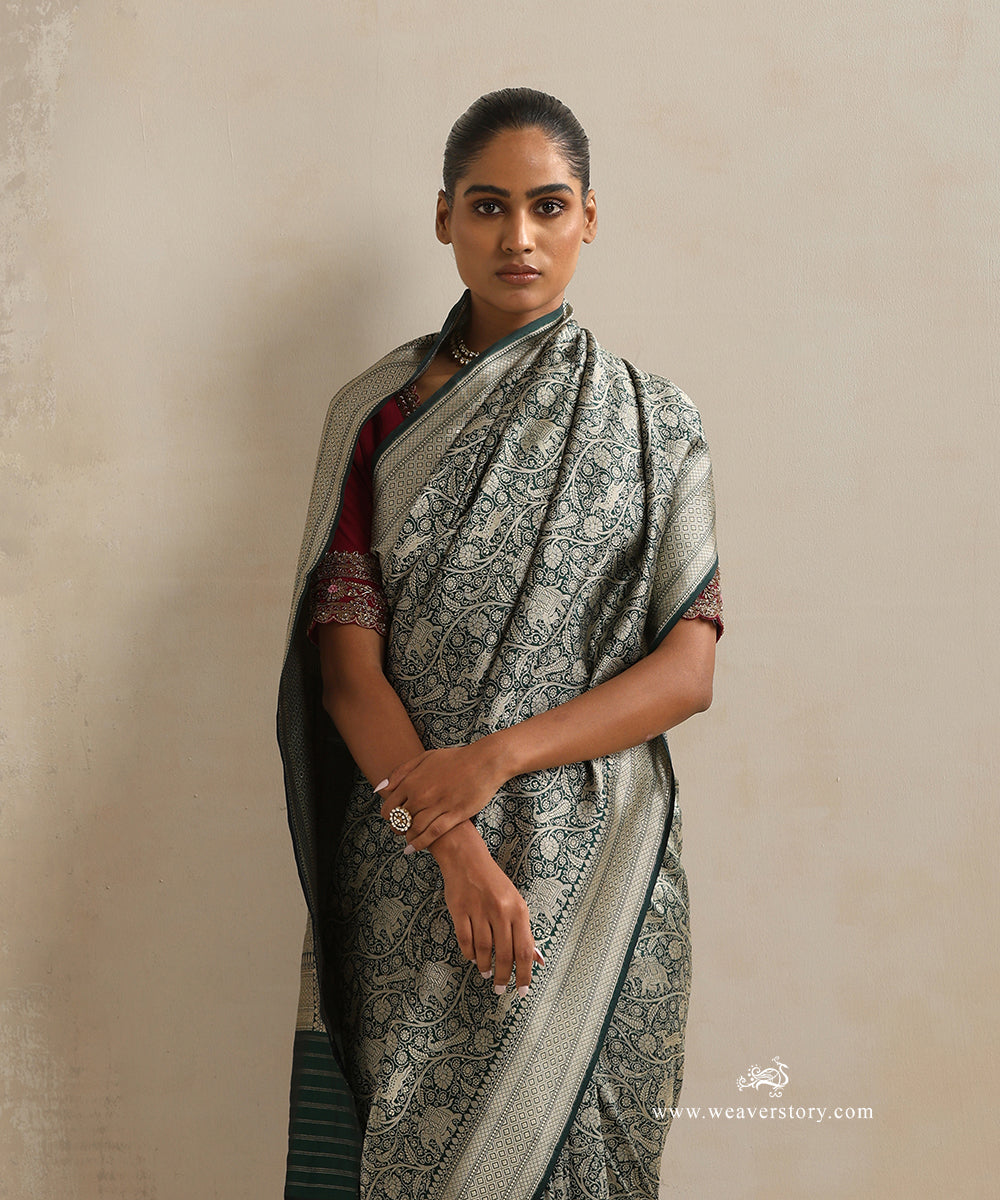 Handloom Dark Green Pure Katan Silk Kimkh... Handloom Dark Green Pure Katan Silk Kimkhab Shikargah Banarasi Saree
- Regular price
-
₹ 37,392 - Regular price
-
₹ 43,990 - Sale price
-
₹ 37,392
-
Handloom Magenta Pure Katan Silk Shikargah Banarasi Saree With Pure Zari- Pre Order
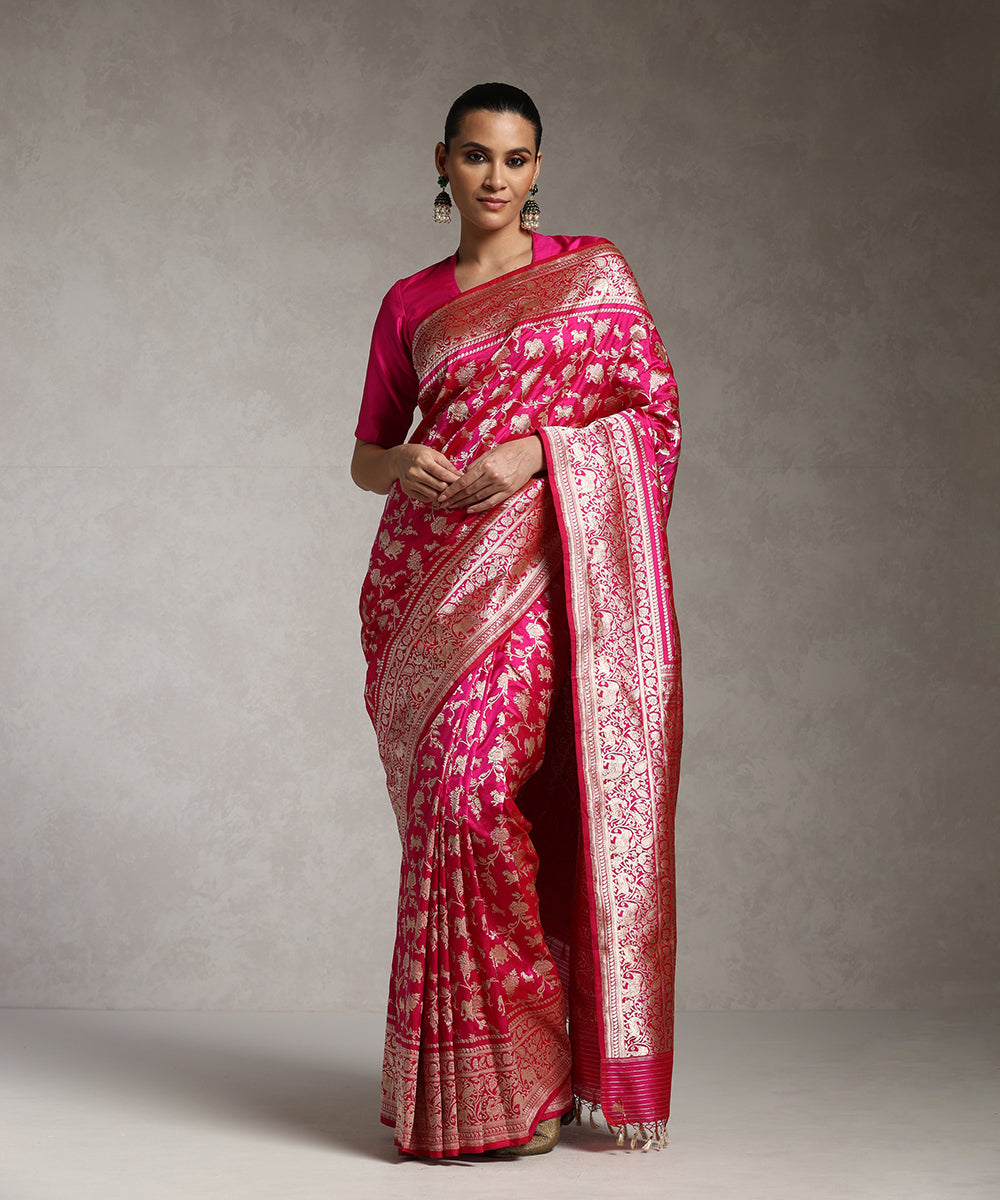
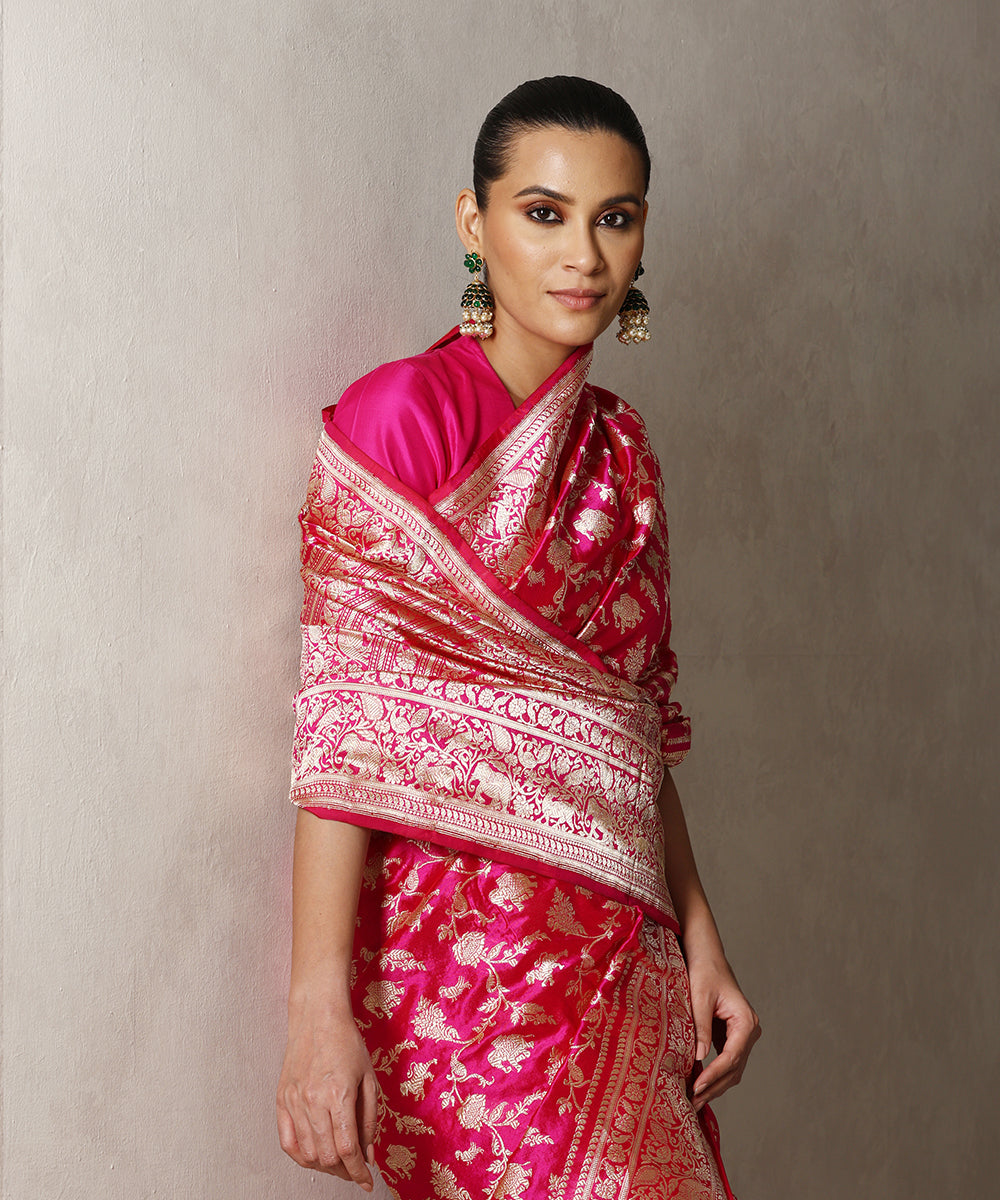 Handloom Magenta Pure Katan Silk Shikarga... Handloom Magenta Pure Katan Silk Shikargah Banarasi Saree With Pure Zari- Pre Order
- Regular price
-
₹ 121,990 - Regular price
-
- Sale price
-
₹ 121,990
-
Red Handloom Pure Katan Silk Shikargah Banarasi Saree With Hand Embroidery - Pre Order
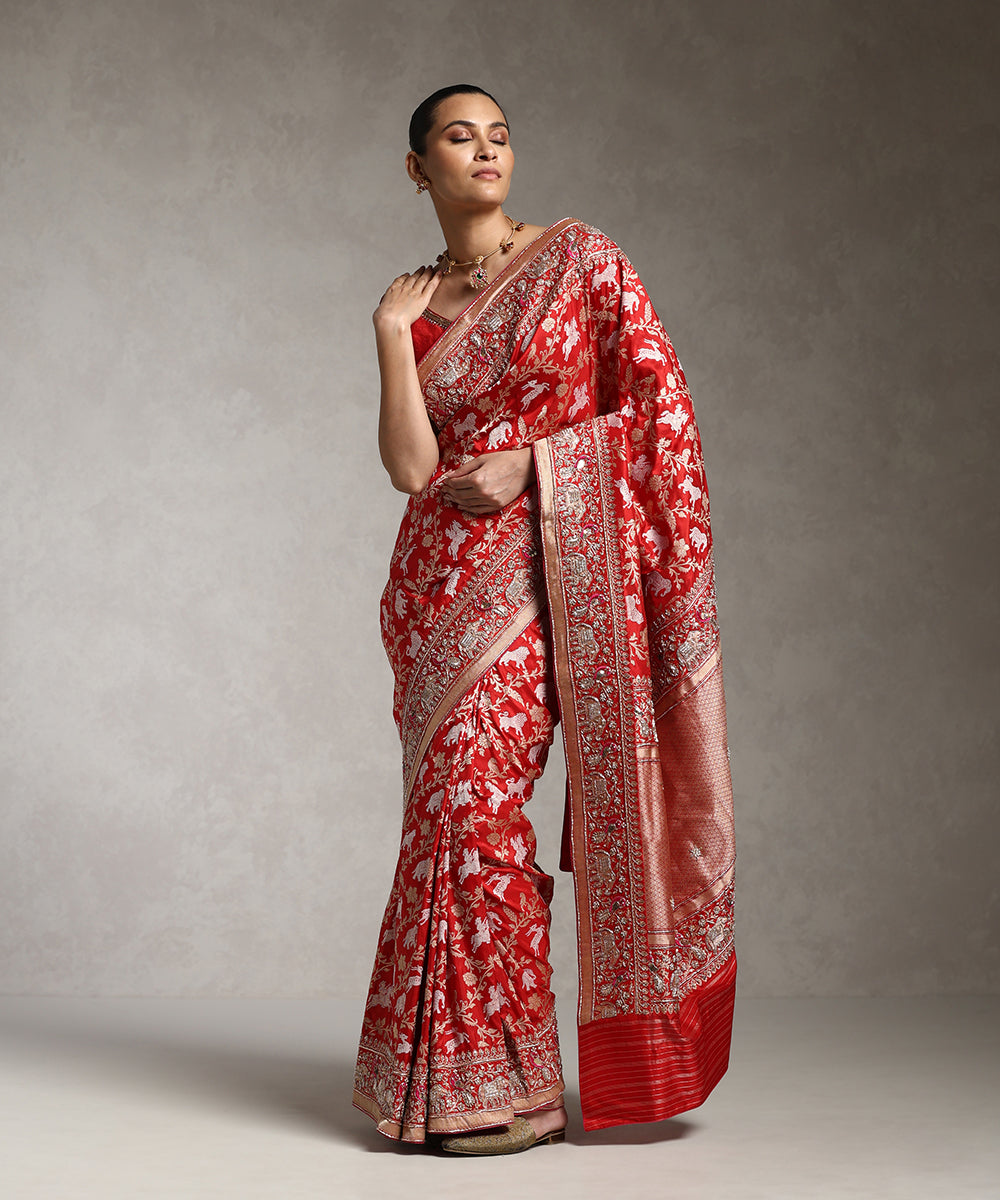
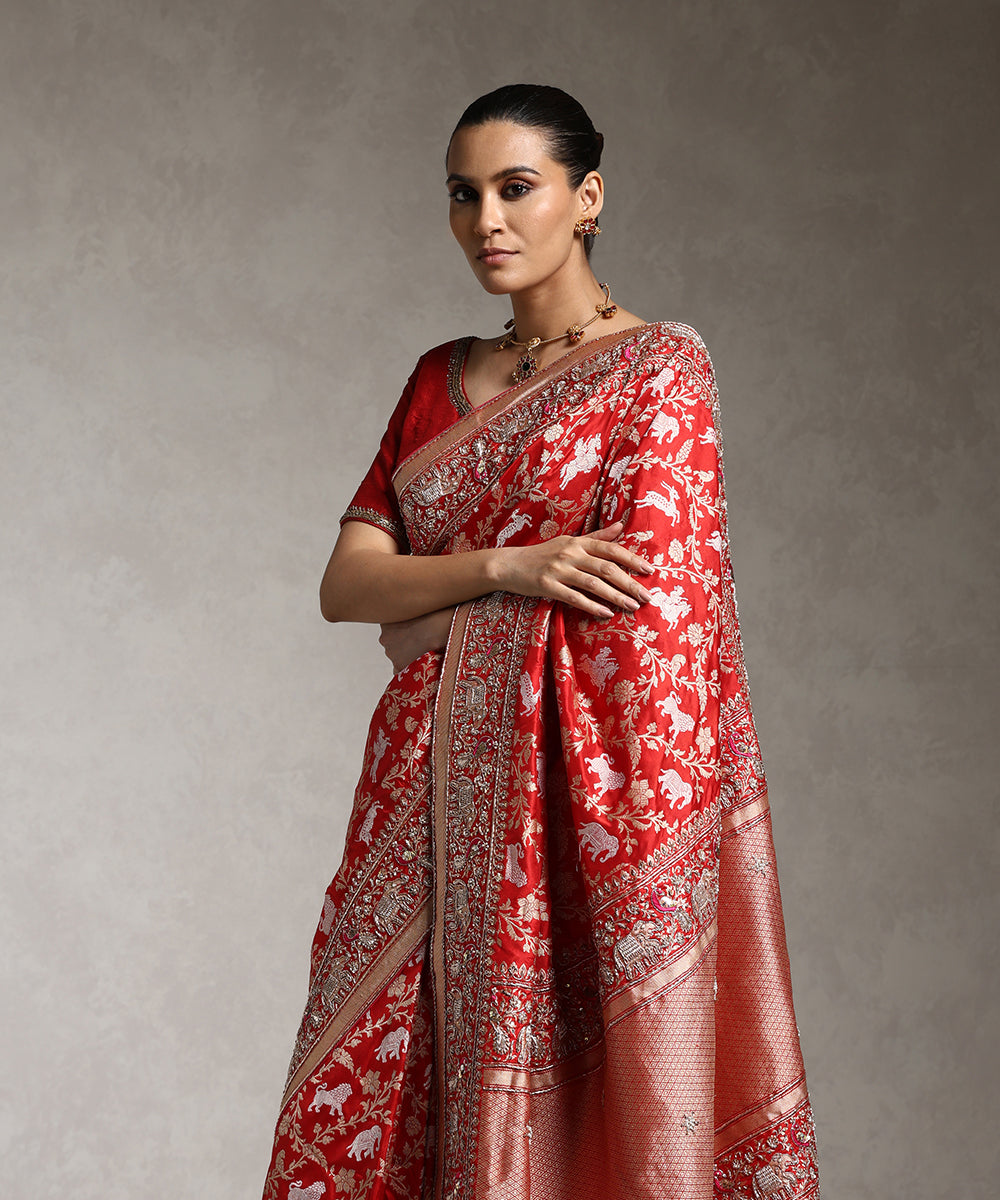 Red Handloom Pure Katan Silk Shikargah Ba... Red Handloom Pure Katan Silk Shikargah Banarasi Saree With Hand Embroidery - Pre Order
- Regular price
-
₹ 104,796 - Regular price
-
₹ 130,995 - Sale price
-
₹ 104,796
-
Handloom Mustard Pure Katan Silk Shikargah Banarasi Saree
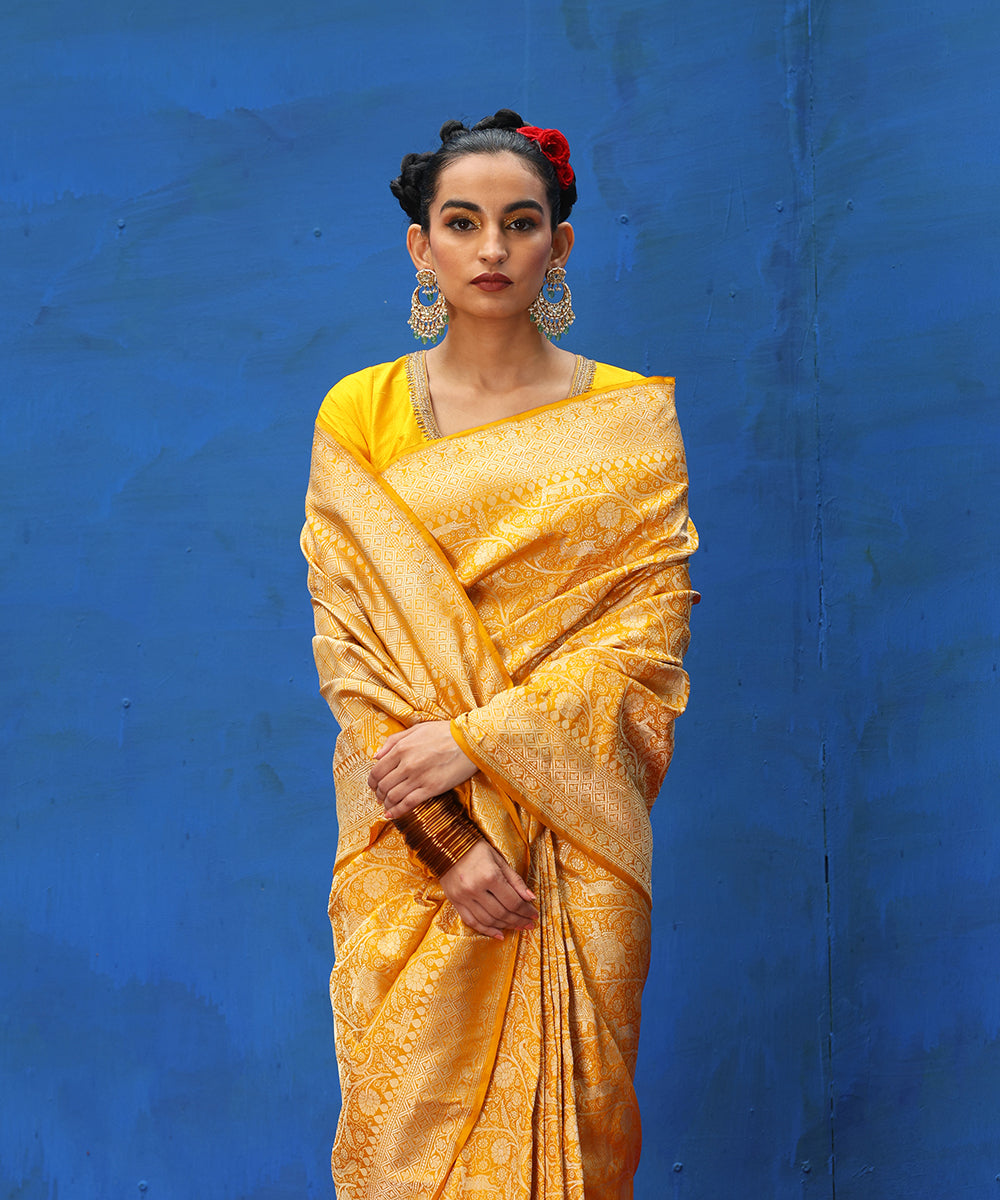
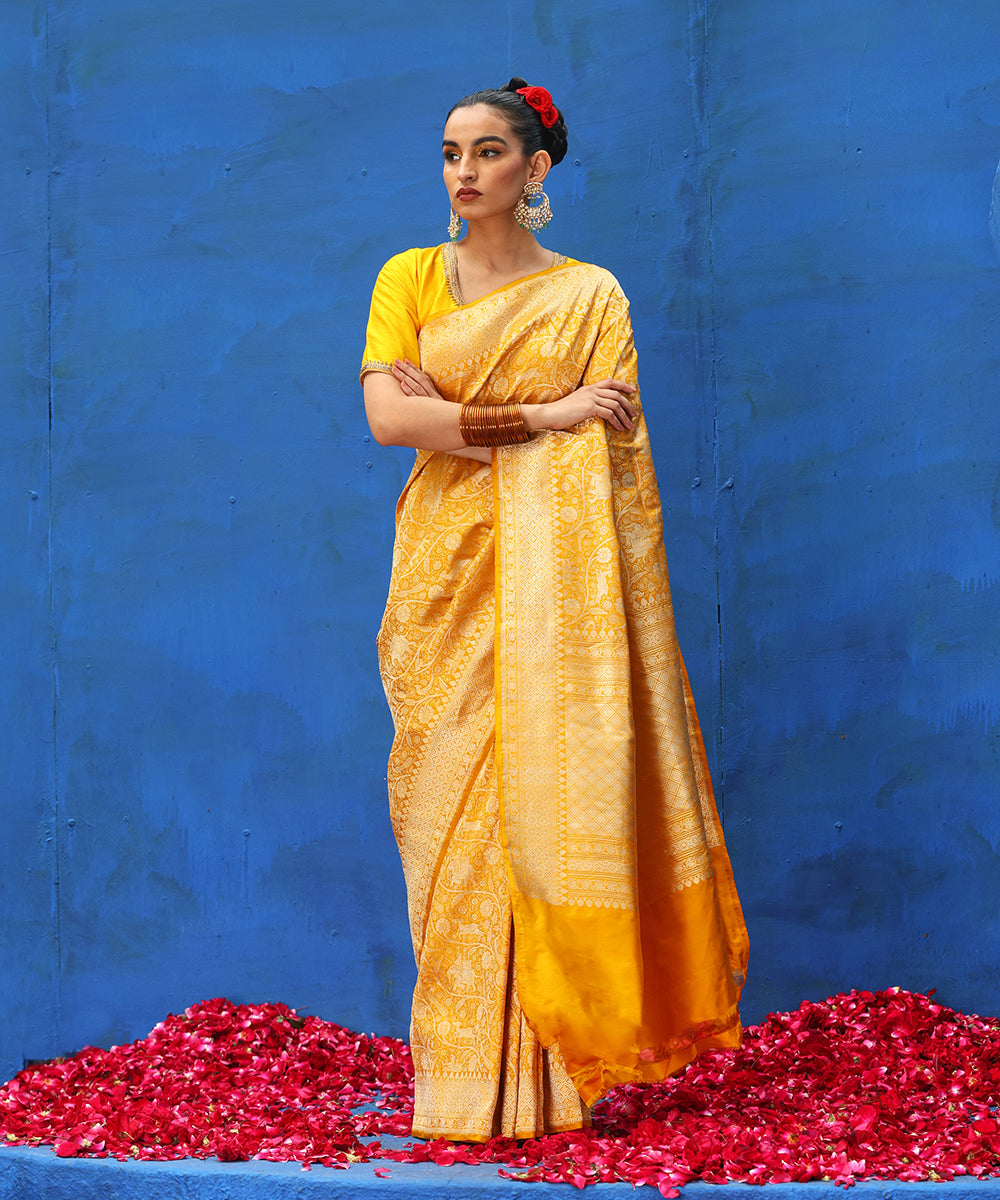 Handloom Mustard Pure Katan Silk Shikarga... Handloom Mustard Pure Katan Silk Shikargah Banarasi Saree
- Regular price
-
₹ 33,992 - Regular price
-
₹ 39,990 - Sale price
-
₹ 33,992
-
Handloom Magenta Shikargah Pure Katan Silk Banarasi Saree With Pure Zari - Pre Order
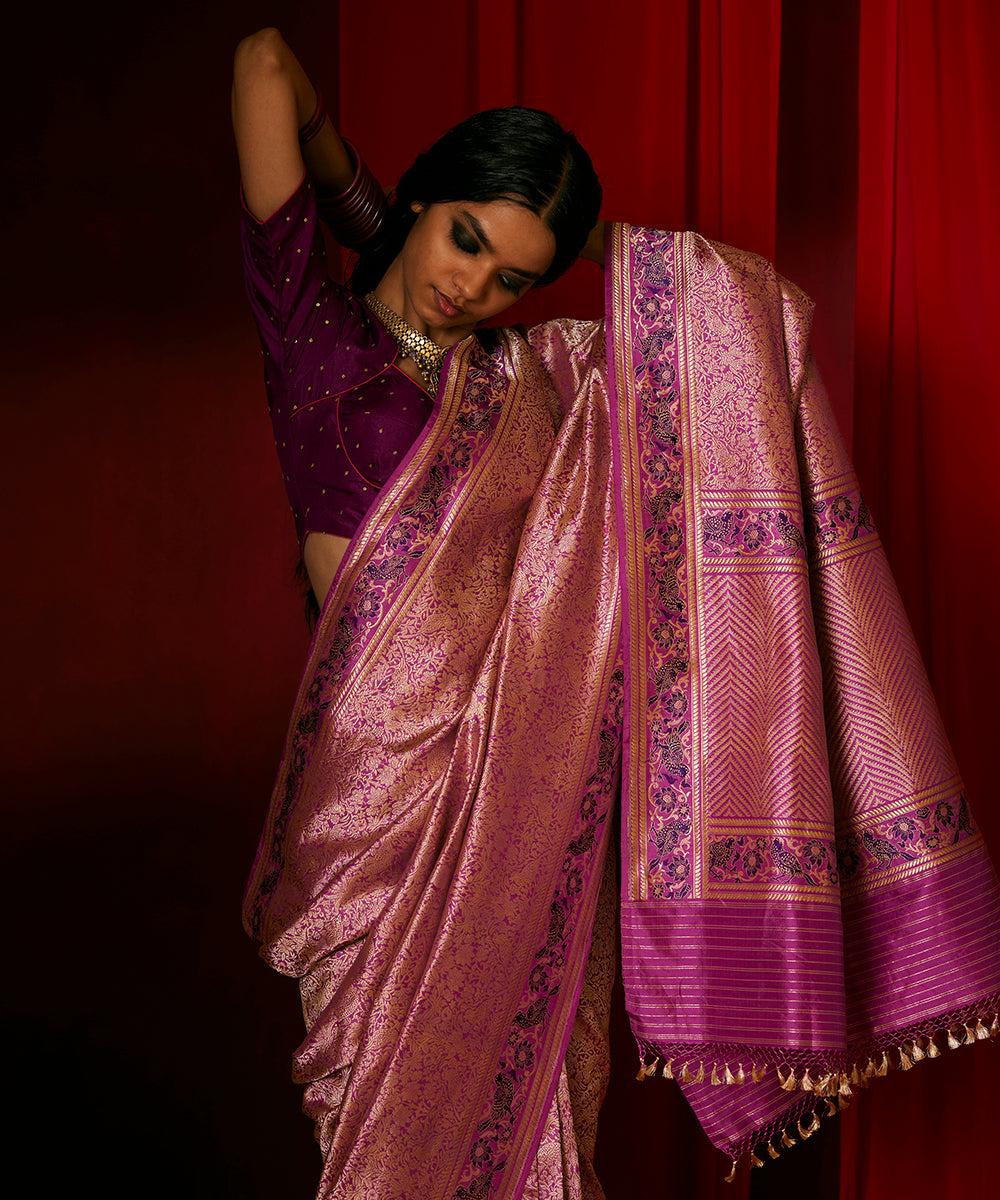
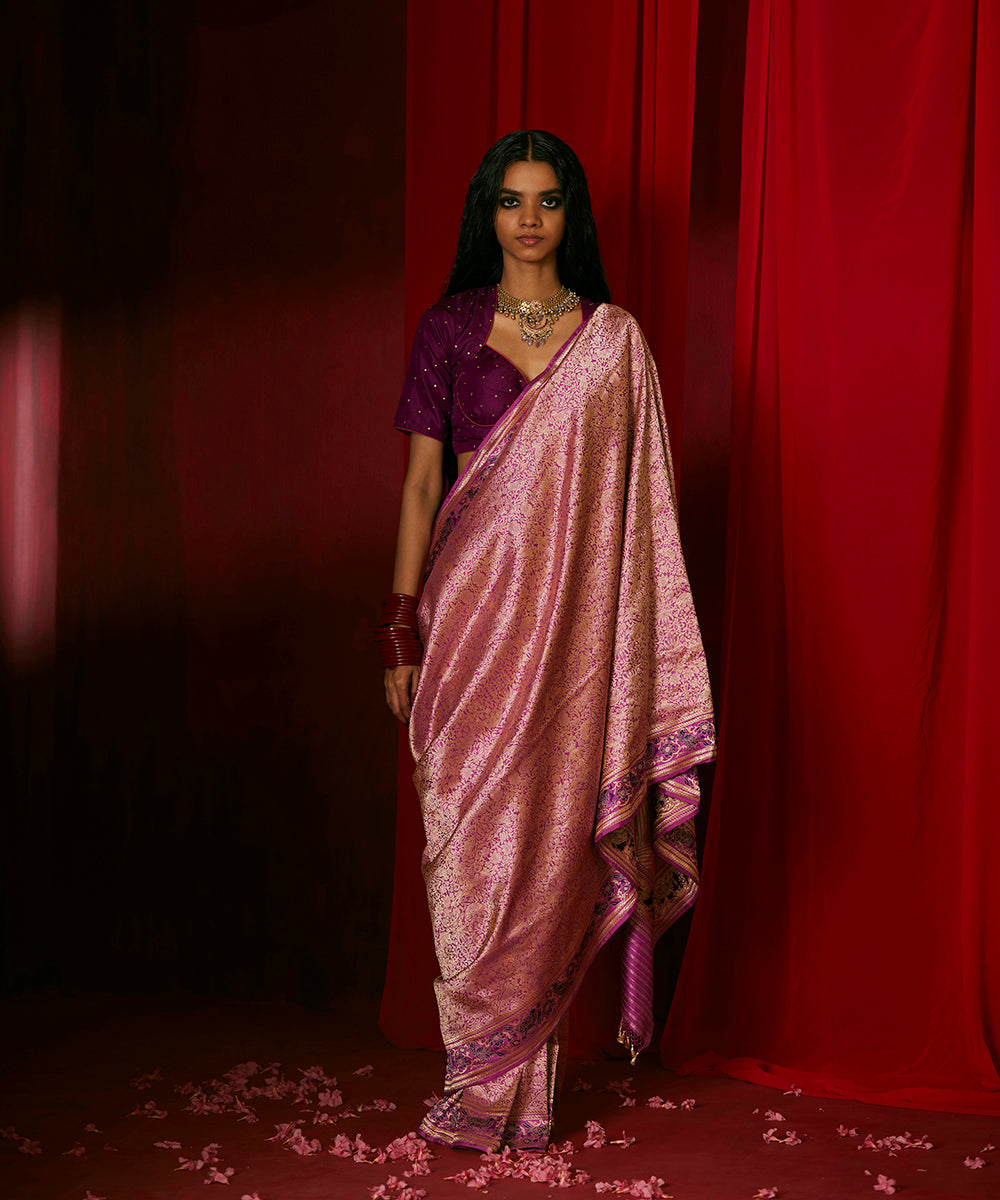 Handloom Magenta Shikargah Pure Katan Sil... Handloom Magenta Shikargah Pure Katan Silk Banarasi Saree With Pure Zari - Pre Order
- Regular price
-
₹ 105,990 - Regular price
-
- Sale price
-
₹ 105,990
-
Red Handloom Pure Katan Silk Shikargah Banarasi Saree - Pre Order
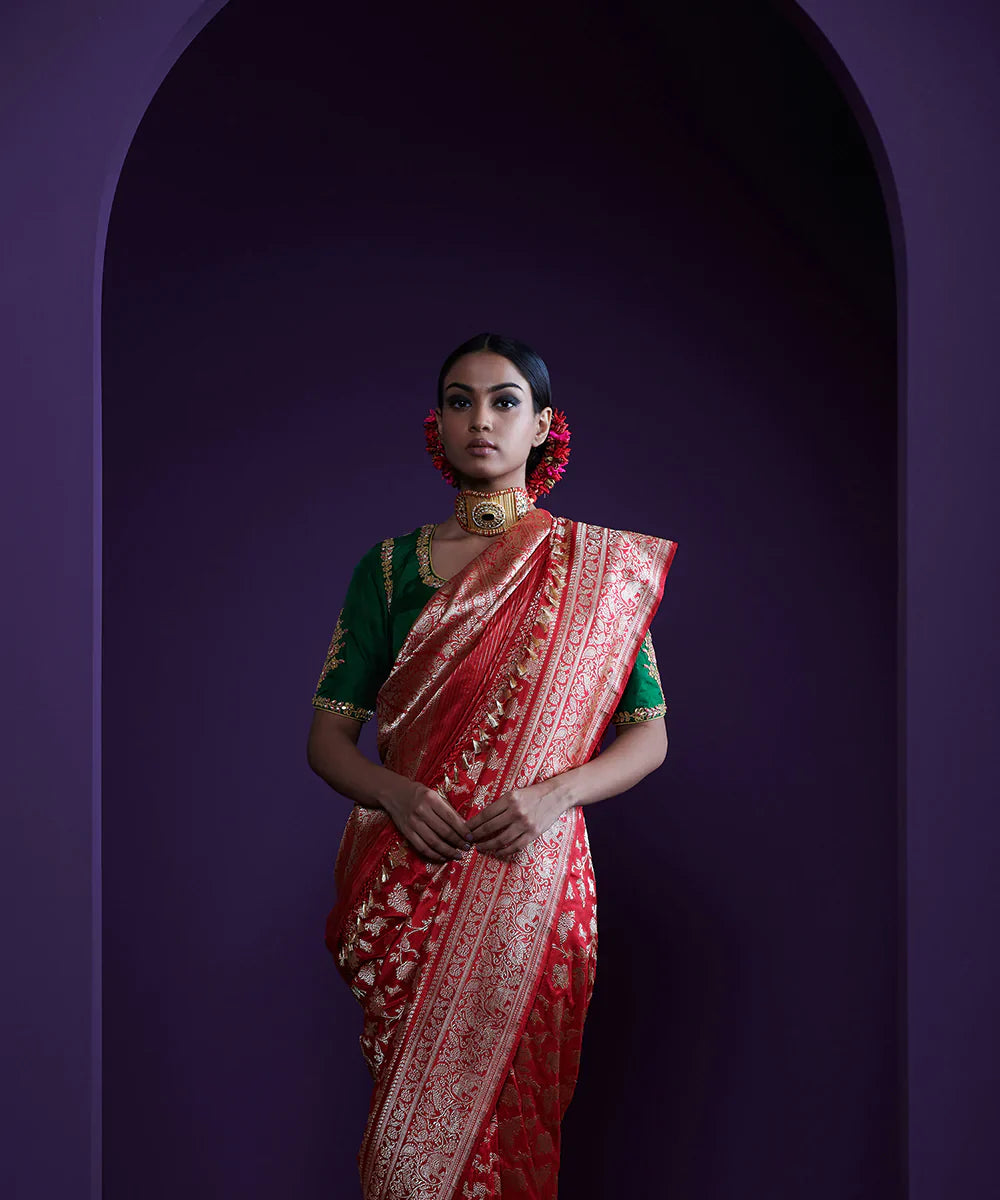
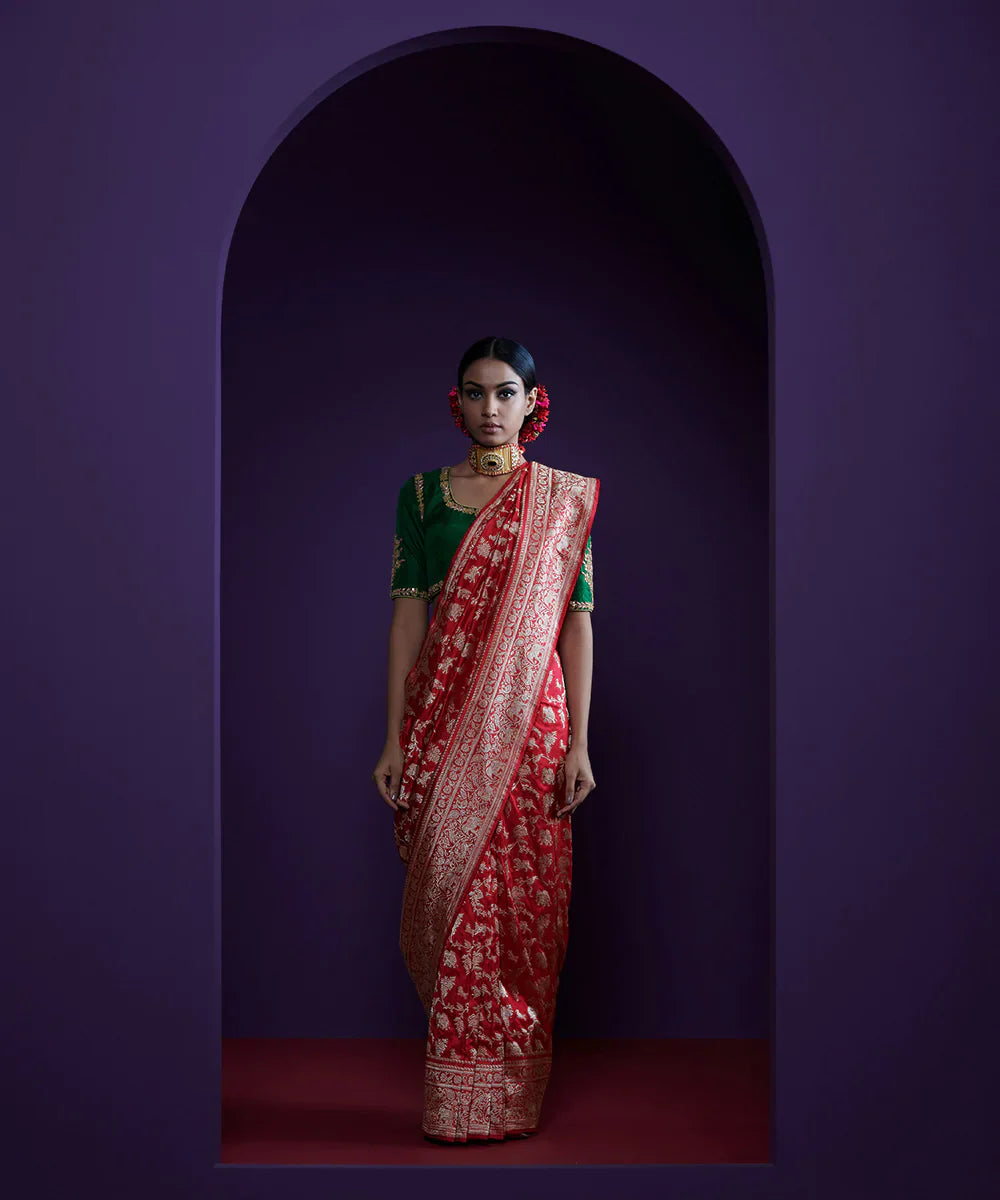 Red Handloom Pure Katan Silk Shikargah Ba... Red Handloom Pure Katan Silk Shikargah Banarasi Saree - Pre Order
- Regular price
-
₹ 121,990 - Regular price
-
- Sale price
-
₹ 121,990
-
Handloom Rani Pink Pure Katan Silk Shikargah Banarasi Saree
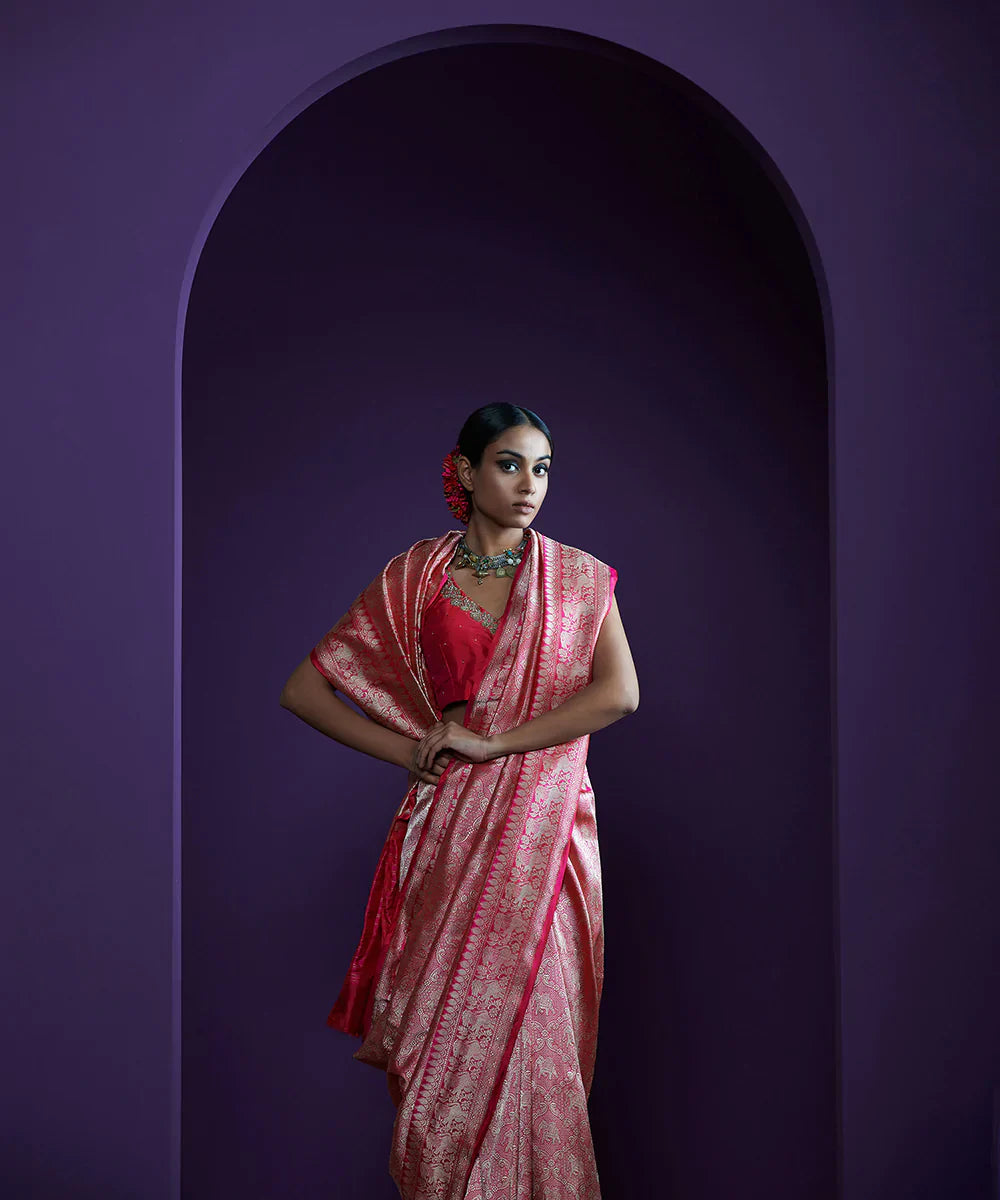
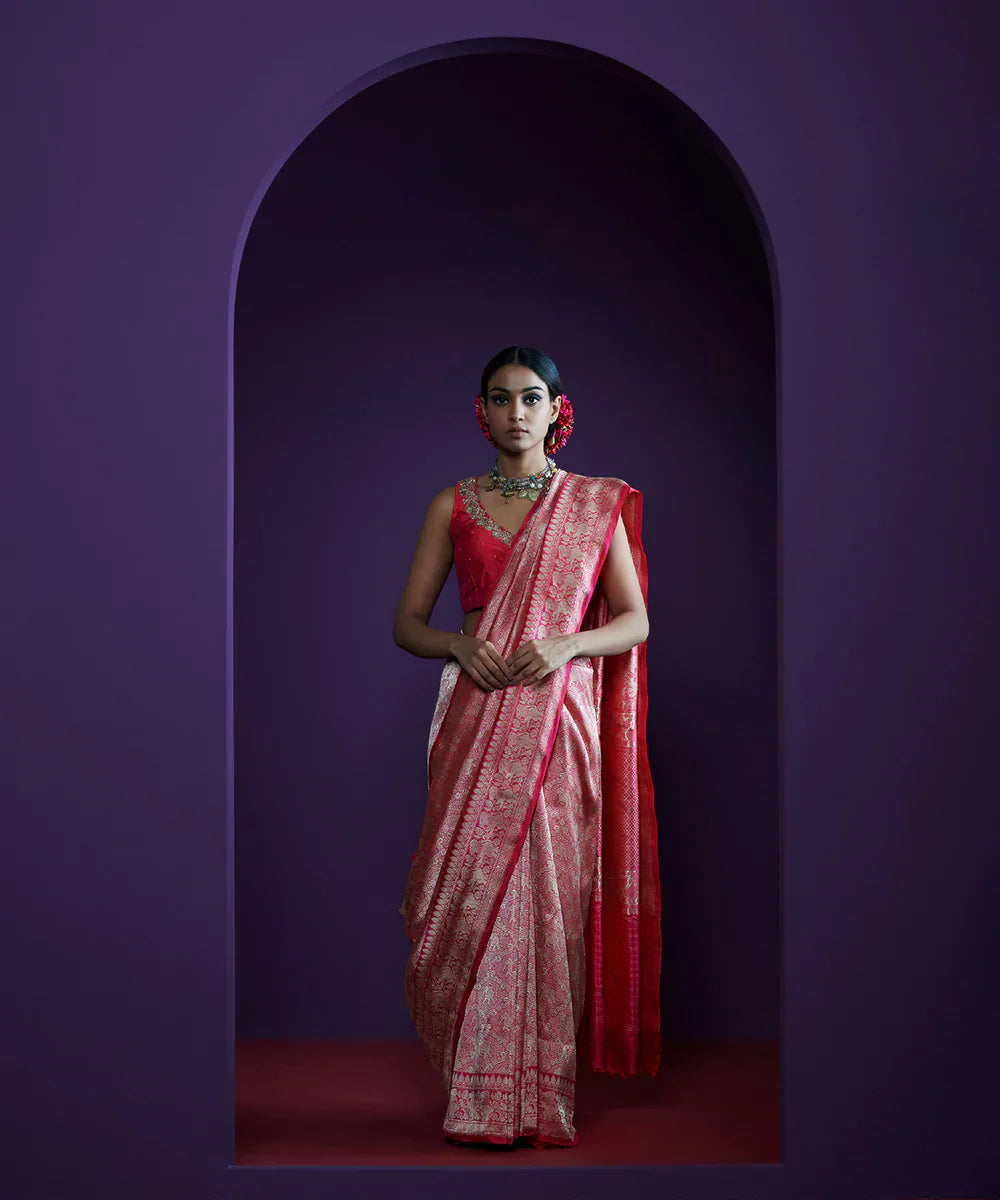 Handloom Rani Pink Pure Katan Silk Shikar... Handloom Rani Pink Pure Katan Silk Shikargah Banarasi Saree
- Regular price
-
₹ 37,392 - Regular price
-
₹ 43,990 - Sale price
-
₹ 37,392
-
Handloom Navy Blue Pure Katan Silk Shikargah Banarasi Saree With Booti - Pre Order
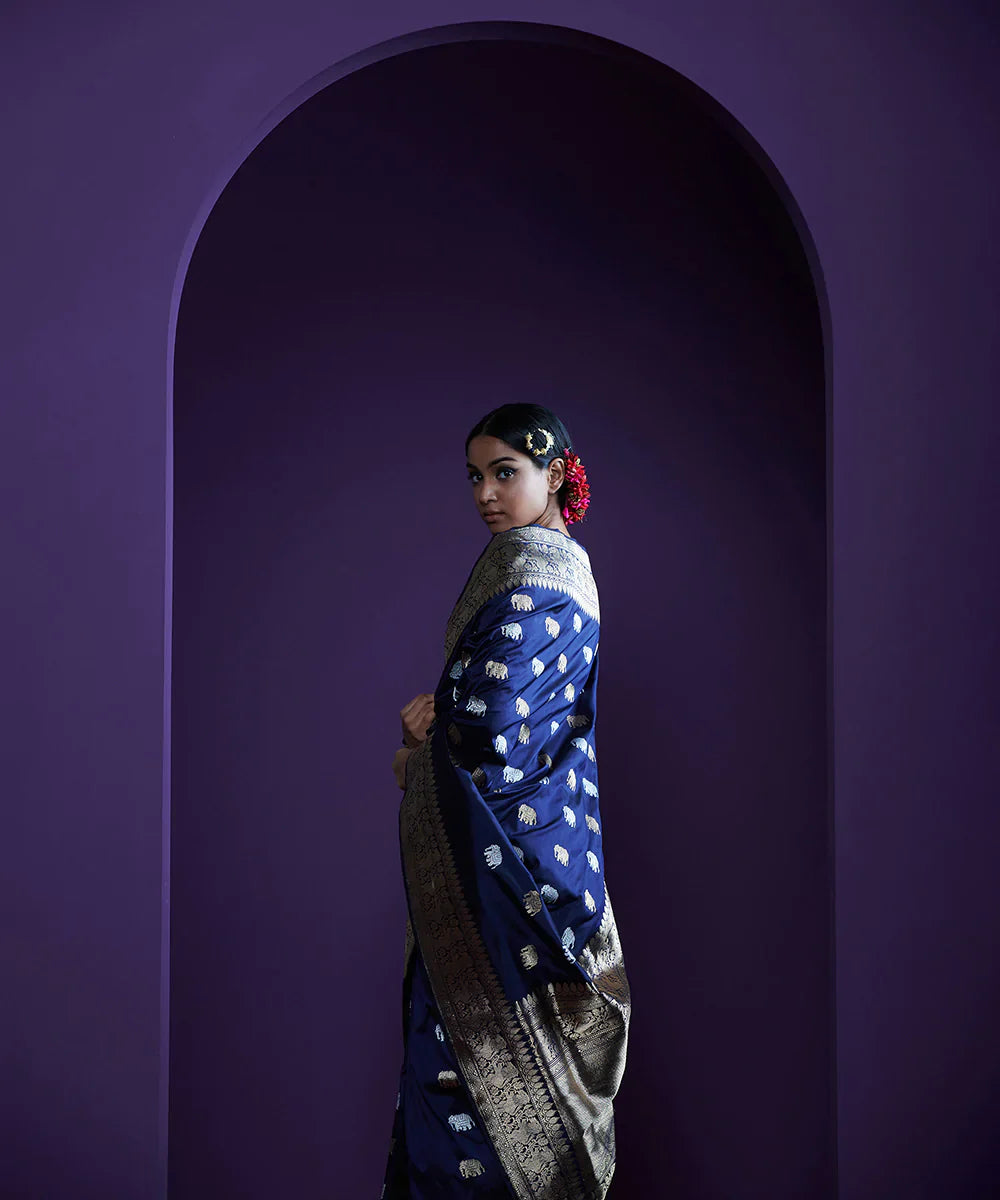
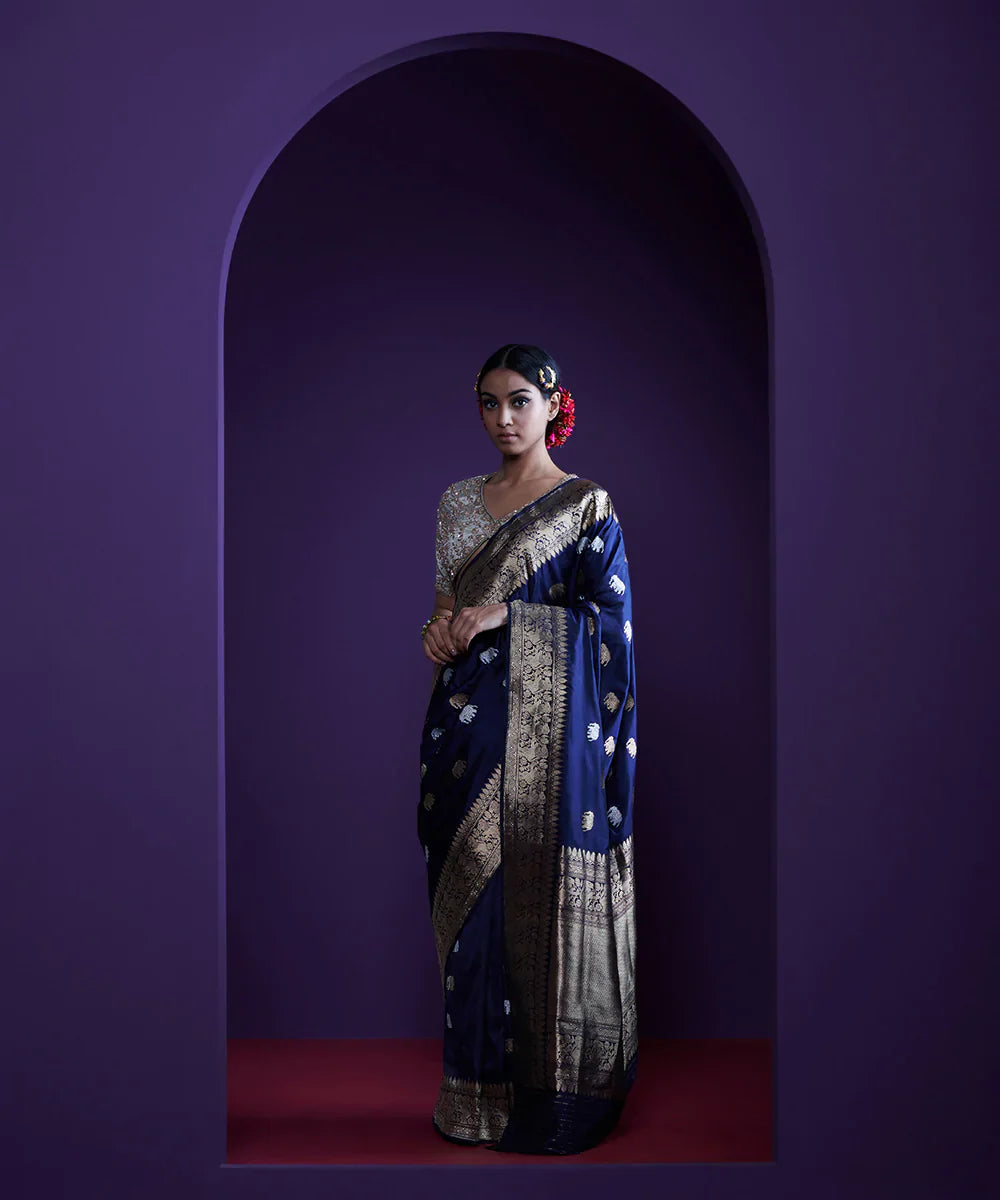 Handloom Navy Blue Pure Katan Silk Shikar... Handloom Navy Blue Pure Katan Silk Shikargah Banarasi Saree With Booti - Pre Order
- Regular price
-
₹ 42,990 - Regular price
-
₹ 0 - Sale price
-
₹ 42,990
-
Pink Handloom Brocade Katan Silk Shikargah Banarasi Saree With Lion Border
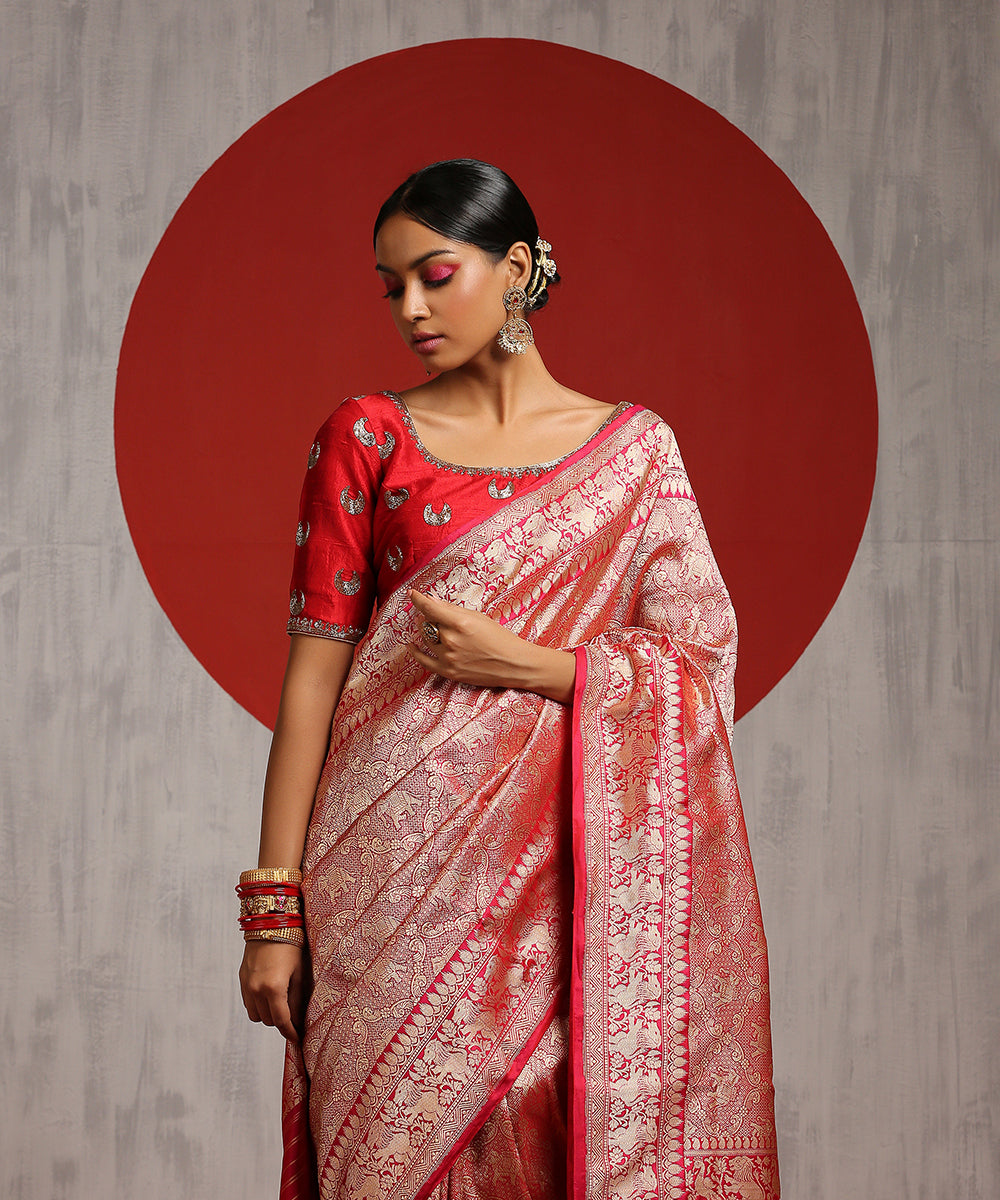
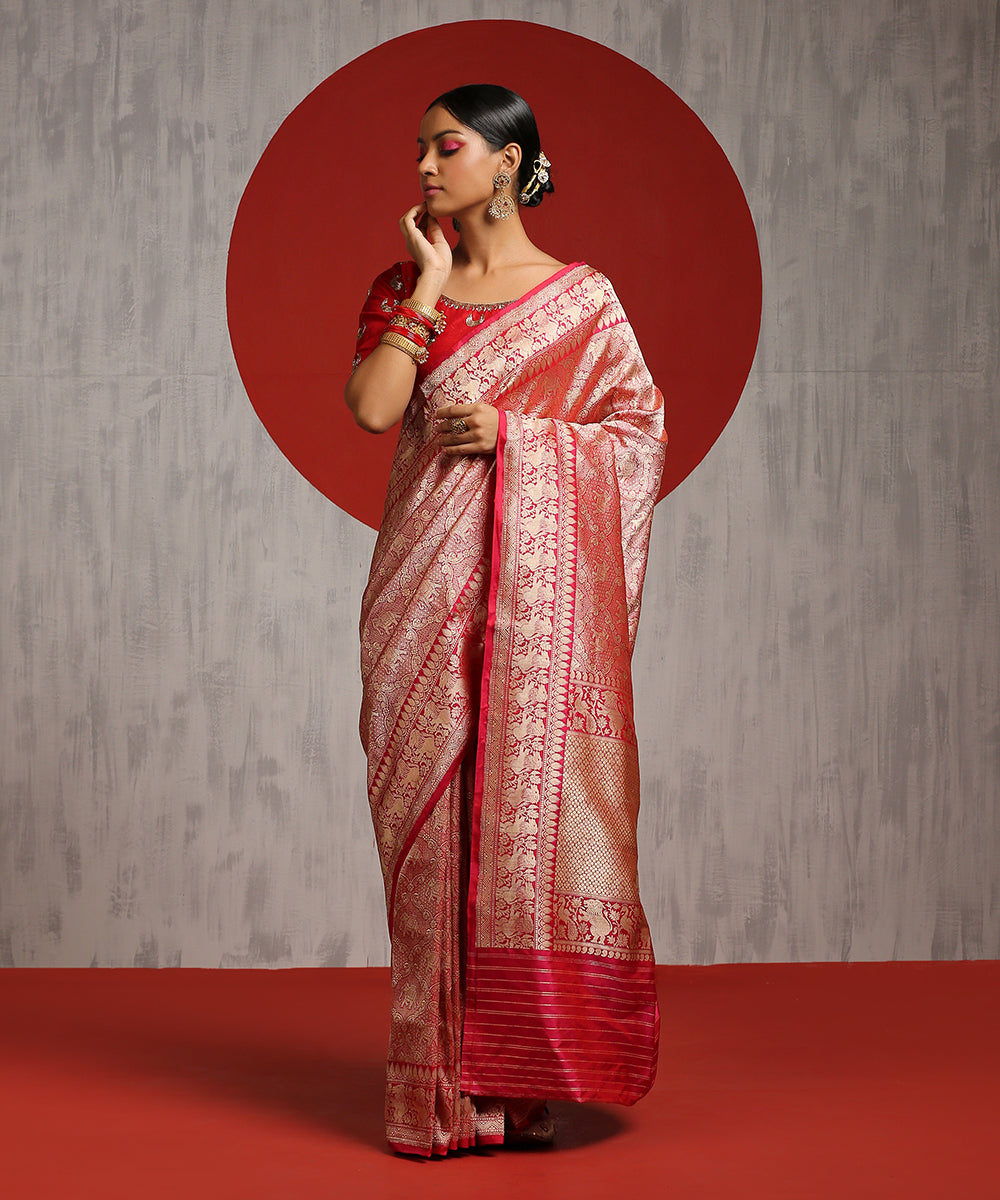 Pink Handloom Brocade Katan Silk Shikarga... Pink Handloom Brocade Katan Silk Shikargah Banarasi Saree With Lion Border
- Regular price
-
₹ 30,592 - Regular price
-
₹ 35,990 - Sale price
-
₹ 30,592
-
Handloom Red Kadhwa Shikargah Saree
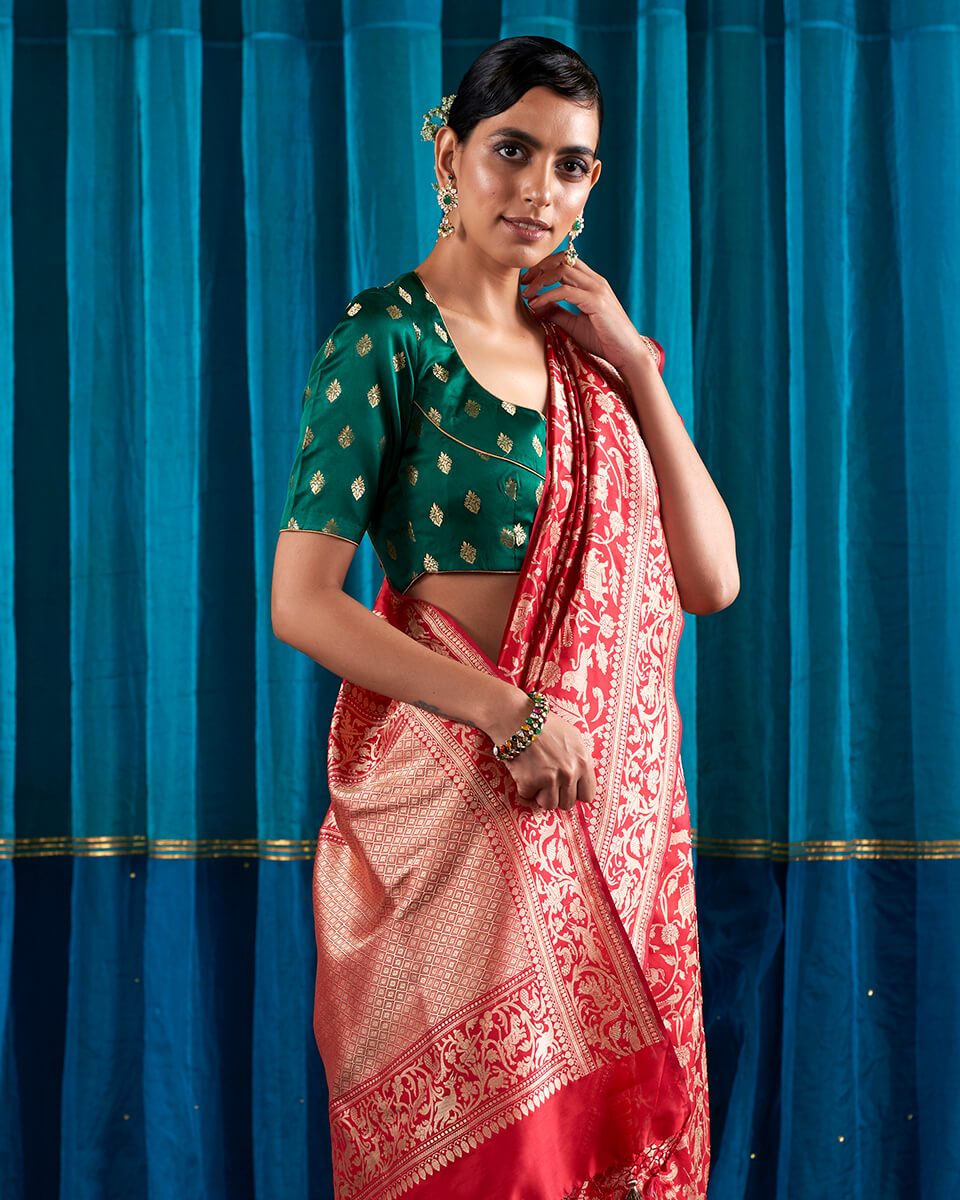
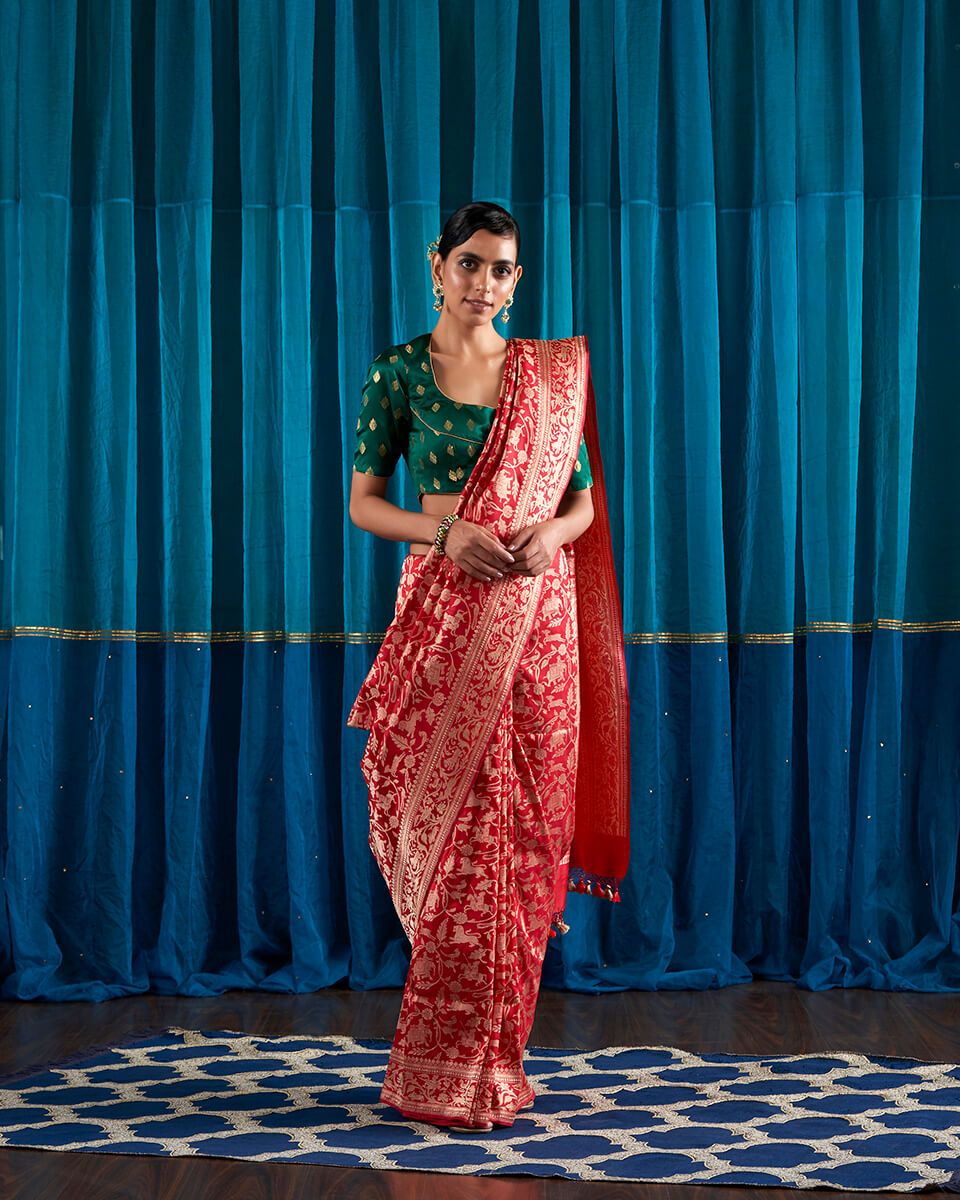 Handloom Red Kadhwa Shikargah Saree Handloom Red Kadhwa Shikargah Saree
- Regular price
-
₹ 52,692 - Regular price
-
₹ 61,990 - Sale price
-
₹ 52,692


Shikargah Sarees: Handwoven Narratives in Silk by WeaverStory
A Shikargah saree is a traditional Banarasi handloom silk saree featuring intricately woven scenes of animals, flora, and hunting motifs, created using zari work. Originating from Banaras, these sarees are known for their detailed storytelling, heavy brocade texture, and heirloom quality craftsmanship.
There is a certain stillness in a Shikargah saree, a sense that every motif carries memory. Woven not just as fabric but as narrative, each piece reflects a lineage of artistry where craft, culture, and time converge into something enduring and deeply personal.
Understanding the Shikargah Saree Tradition
A Shikargah saree is a distinguished form of Banarasi handwoven silk, recognised for its intricate depiction of narrative motifs inspired by nature and royal hunting scenes. The word “Shikargah” translates to “hunting ground,” and in textile form, it reflects a visual storytelling tradition where animals, birds, trees, and flowing vines are woven directly into the fabric.
Unlike conventional floral or geometric designs, the Shikargah weave is narrative-driven. The term itself refers to “hunting scenes,” but in textile form, it evolves into a broader visual language of nature, a tapestry of movement, symbolism, and heritage.
At WeaverStory, these sarees emerge from the looms of Banaras as pure Katan silk brocades, often featuring:
-
Intricate zari vines and detailed figurative motifs
-
Dense, luxurious weaves that reflect time-intensive craftsmanship
-
Subtle to celebratory colour palettes suited for varied occasions
-
A structure that allows the saree to be preserved as a generational heirloom
Each saree is not simply worn; it is inherited, remembered, and revisited.
Why a Shikargah Saree Holds Enduring Value
Craft That Cannot Be Replicated
The complexity of Shikargah weaving lies in its ability to translate storytelling into textile. Every motif is individually woven, not printed, requiring precision and patience that only master artisans possess.
Rooted in Banaras, Recognised Globally
Banarasi sarees are among the finest silk textiles in India, known for their gold and silver zari work, intricate detailing, and cultural significance.
These sarees sit within this tradition as one of its most elaborate and artistic expressions.
Designed for Heirloom Longevity
These sarees are created not for fleeting trends but for continuity, to be worn across occasions, then passed forward. Their durability and richness make them timeless investments.
A Conscious Choice
Choosing handwoven textiles supports artisan communities and preserves generational knowledge systems, aligning with a more thoughtful, responsible way of dressing.
How to Choose the Right Shikargah Saree
Selecting a saree is less about trends and more about alignment, with occasion, personal aesthetic, and long-term value.
1. Understand the Weave and Technique
Look for pure Katan silk and traditional weaving methods such as Kadhwa, where motifs are woven individually rather than embroidered or printed.
For instance, a piece like the Handloom Red Kadhwa Shikargah Saree reflects a denser weave and sharper motif detailing, making it ideal for ceremonial occasions.
2. Observe the Motif Language
Each saree tells a different story. Some feature bold animal motifs like lions or deer, while others are more subtle with vine-based compositions.
A saree such as the Pink Handloom Brocade Katan Silk Shikargah Banarasi Saree with Lion Border offers a distinctive visual narrative, balancing statement motifs with a softer colour palette.
3. Consider Colour and Occasion
-
Deep reds, maroons, and jewel tones: suited for weddings and traditional ceremonies
-
Pastels and lighter tones: ideal for festive gatherings and refined celebrations
-
Dual tones or meenakari accents: add depth for evening wear
A Navy Blue Pure Katan Silk Shikargah Banarasi Saree with Booti can transition effortlessly from formal gatherings to cultural occasions, offering versatility without compromising on richness.
Classic red tones remain especially significant in Banarasi traditions, often seen in collections like red Banarasi sarees.
4. Evaluate Weight and Comfort
These are typically heavier due to their brocade structure. If you prefer ease of movement, opt for lighter brocade variations while retaining the essence of the weave.
Where a Shikargah Saree Belongs
-
Weddings and Bridal Trousseaus: These sarees hold a distinct place in wedding wardrobes, not just for their visual richness, but for their symbolic depth. It reflects continuity, making it a meaningful choice for bridal heirlooms.
-
Festive Occasions: From Diwali gatherings to cultural celebrations, these sarees bring a sense of occasion without overt opulence, refined, not excessive.
-
Formal Cultural Evenings: For events that call for understated elegance, a saree offers presence without noise, allowing craftsmanship to speak.
-
Heirloom Collections: Beyond occasions, these sarees are often acquired as collectable textiles, pieces to be preserved and passed on.
For broader festive styling inspiration, explore sangeet and cocktail sarees.
Styling a Shikargah Saree with Intent
Styling such a narrative-rich textile requires restraint and balance.
-
Pair with minimal jewellery to let the weave remain the focal point
-
Opt for classic blouses, silk, raw silk, or understated embroidered pieces
-
Keep draping structured to highlight the pallu, where most motifs converge
-
Choose muted makeup palettes that complement the richness of the fabric
The goal is not to add, but to reveal.
Caring for Your Shikargah Saree
A handwoven silk saree deserves considered care to preserve its texture and detailing.
-
Dry clean only to maintain zari integrity
-
Store in a breathable cotton or muslin cloth
-
Avoid prolonged exposure to direct sunlight
-
Refold periodically to prevent permanent creasing
-
Keep away from moisture and perfumes
With the right care, these sarees can retain their beauty for decades.
Why Choose WeaverStory
Founded with the vision of celebrating India’s artisanal heritage, WeaverStory curates handwoven textiles from across weaving clusters, including Banaras.
This includes a wider philosophy of preserving craft traditions across categories such as heritage silk sarees and other handloom expressions.
What defines their approach is not scale, but selection,
-
A focus on authentic, handwoven textiles
-
Direct engagement with artisan clusters
-
A curated range rather than mass production
-
Emphasis on cultural continuity and craftsmanship
Each saree here reflects a broader philosophy, one that values craft as culture, not commodity.
Frequently Asked Questions
Q1. What makes a Shikargah saree unique?
Its defining feature is the use of animal and nature-inspired motifs woven into the fabric, creating narrative-rich designs rather than repetitive patterns.
Q2. Are Shikargah sarees handwoven?
Yes, authentic sarees are handwoven on traditional looms, often taking weeks or months depending on complexity.
Q3. Which fabric is used in Shikargah sarees?
Most are crafted in pure Katan silk, known for its durability, sheen, and suitability for intricate weaving.
Q4. Are Shikargah sarees suitable for weddings?
Yes, their rich brocade texture and detailed motifs make them ideal for weddings and ceremonial occasions.
Q5. How can I identify an authentic Shikargah saree?
Look for fine detailing, slight irregularities (a hallmark of handloom), and depth in motifs; printed versions lack this dimensionality.
Q6. Where can I buy authentic Shikargah sarees online?
Curated platforms like WeaverStory offer verified handloom collections sourced directly from weaving clusters.
Q7. Are Shikargah sarees heavy to wear?
They are generally heavier than regular sarees due to brocade weaving, though comfort varies depending on weave density.
Q8. What is the price range of Shikargah sarees?
Prices vary based on silk quality, zari work, and craftsmanship, often positioning them within premium handloom categories.
Q9. Can Shikargah sarees be worn for non-bridal occasions?
Yes, lighter tones and subtler designs make them suitable for festive and formal events beyond weddings.
Q10. Why are Shikargah sarees considered heirloom pieces?
Their durability, craftsmanship, and cultural significance allow them to be preserved and passed down across generations.

