 Skip to content



Collection: Gilded Traditions: Kimkhab Sarees
-
Red Handloom Pure Katan Silk Kimkhab Banarasi Saree With Chevron Border
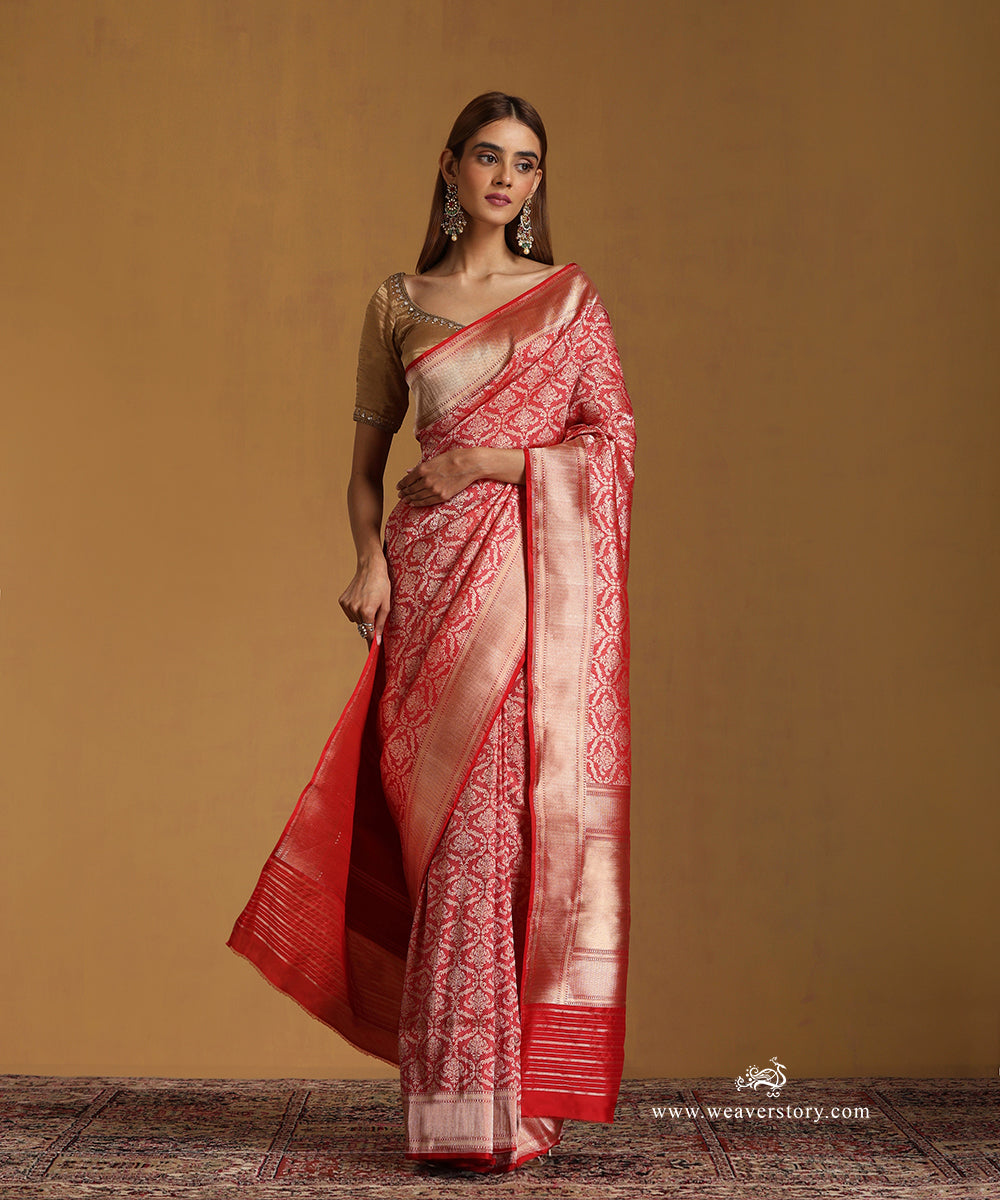
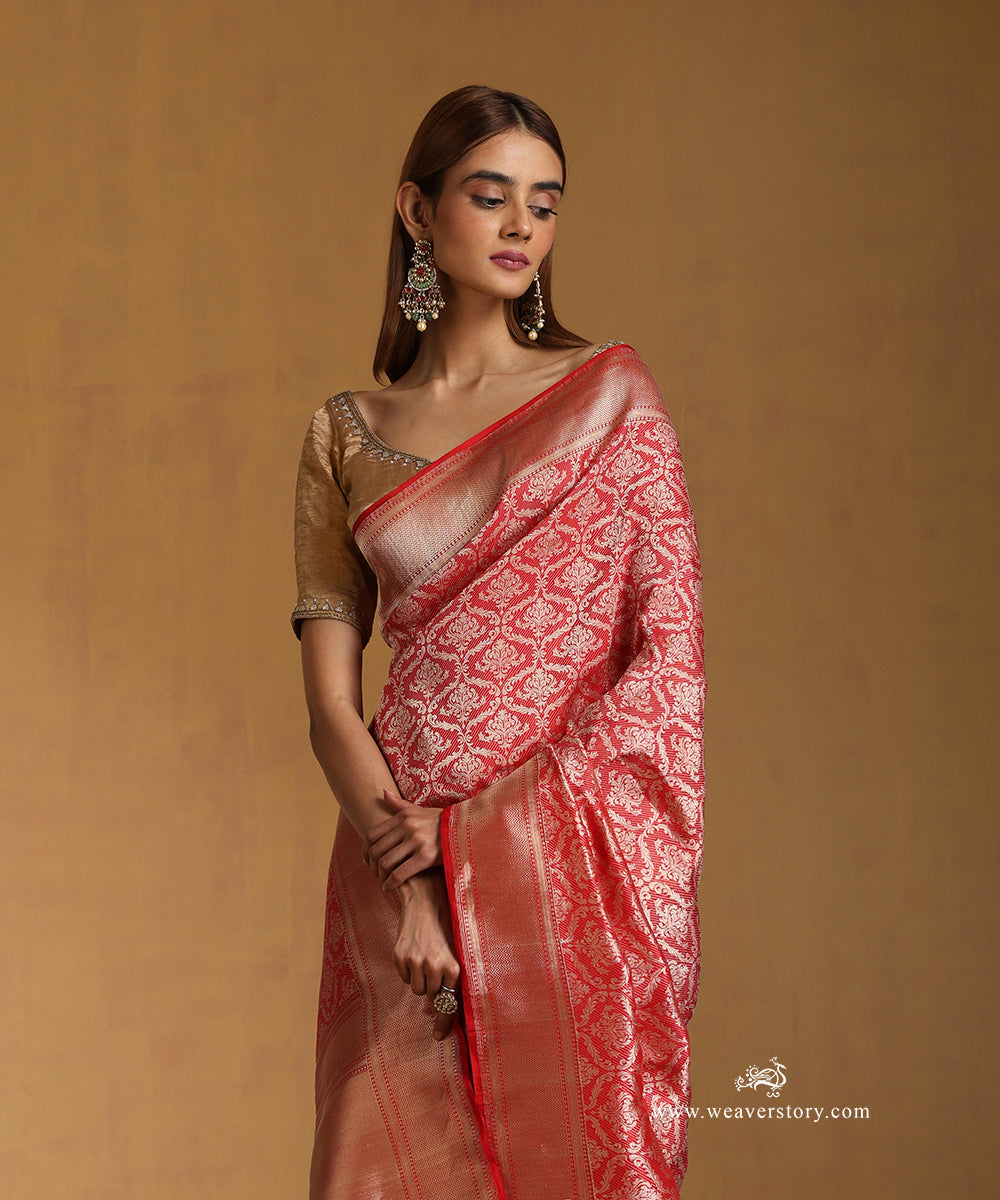 Red Handloom Pure Katan Silk Kimkhab Bana... Red Handloom Pure Katan Silk Kimkhab Banarasi Saree With Chevron Border
- Regular price
-
₹ 52,995 - Regular price
-
₹ 0 - Sale price
-
₹ 52,995
-
Orange Handloom Pure Katan Silk Kimkhab Banarasi Saree With Purple Meenakari
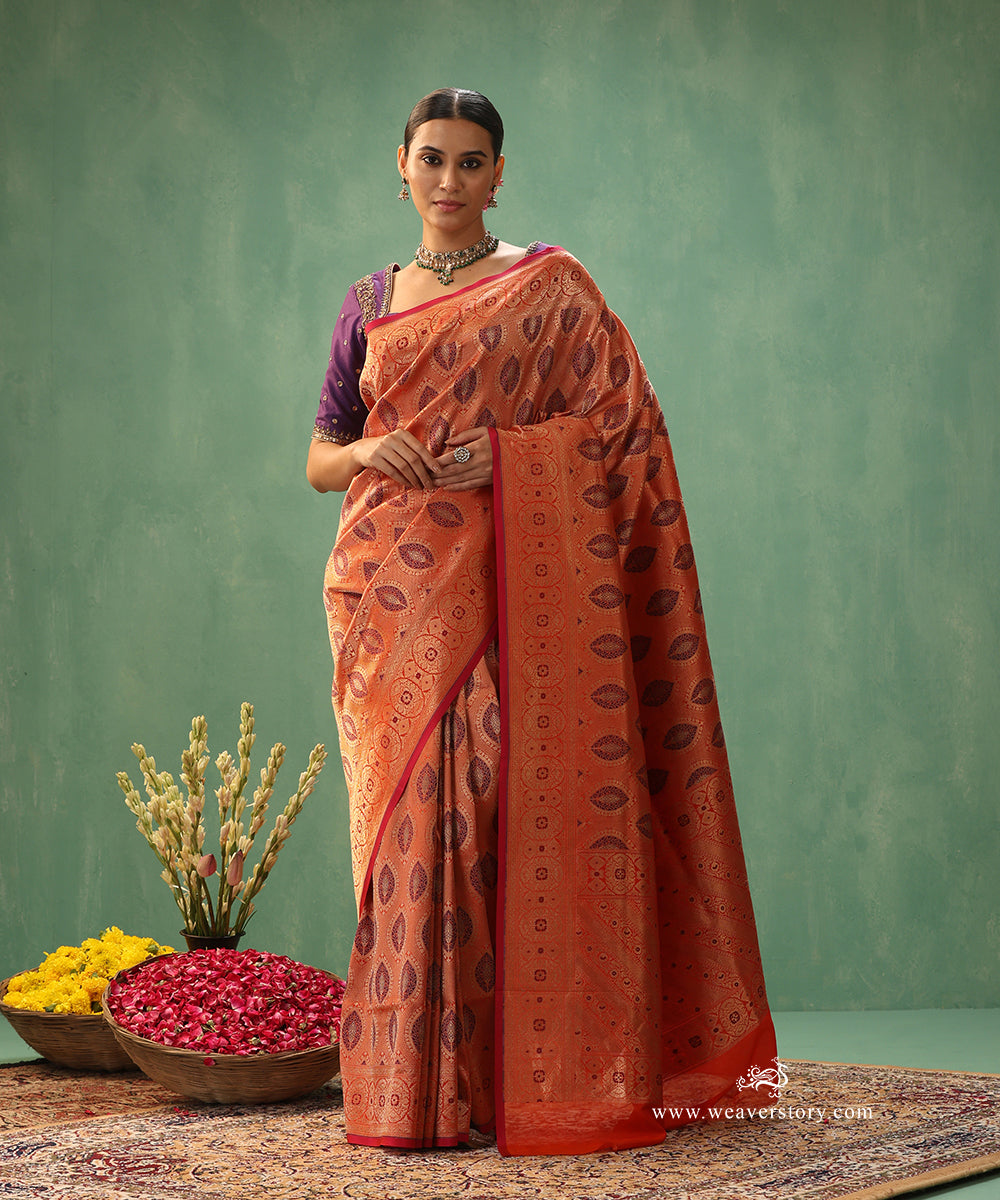
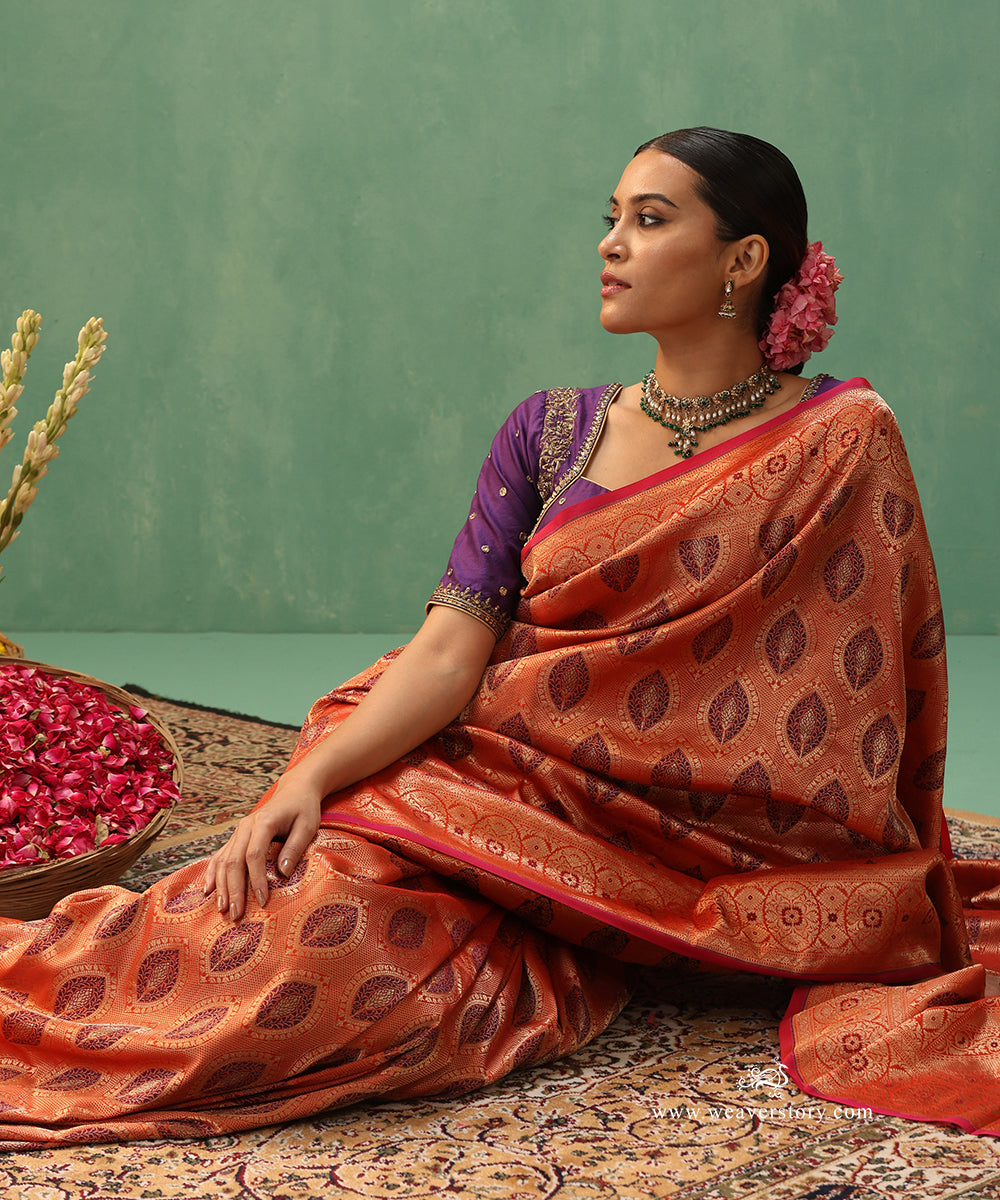 Orange Handloom Pure Katan Silk Kimkhab B... Orange Handloom Pure Katan Silk Kimkhab Banarasi Saree With Purple Meenakari
- Regular price
-
₹ 48,995 - Regular price
-
₹ 0 - Sale price
-
₹ 48,995
-
Handloom Pink And Red Shot Colour Pure Katan Silk Kimkhab Banarasi Saree With Leaf Border
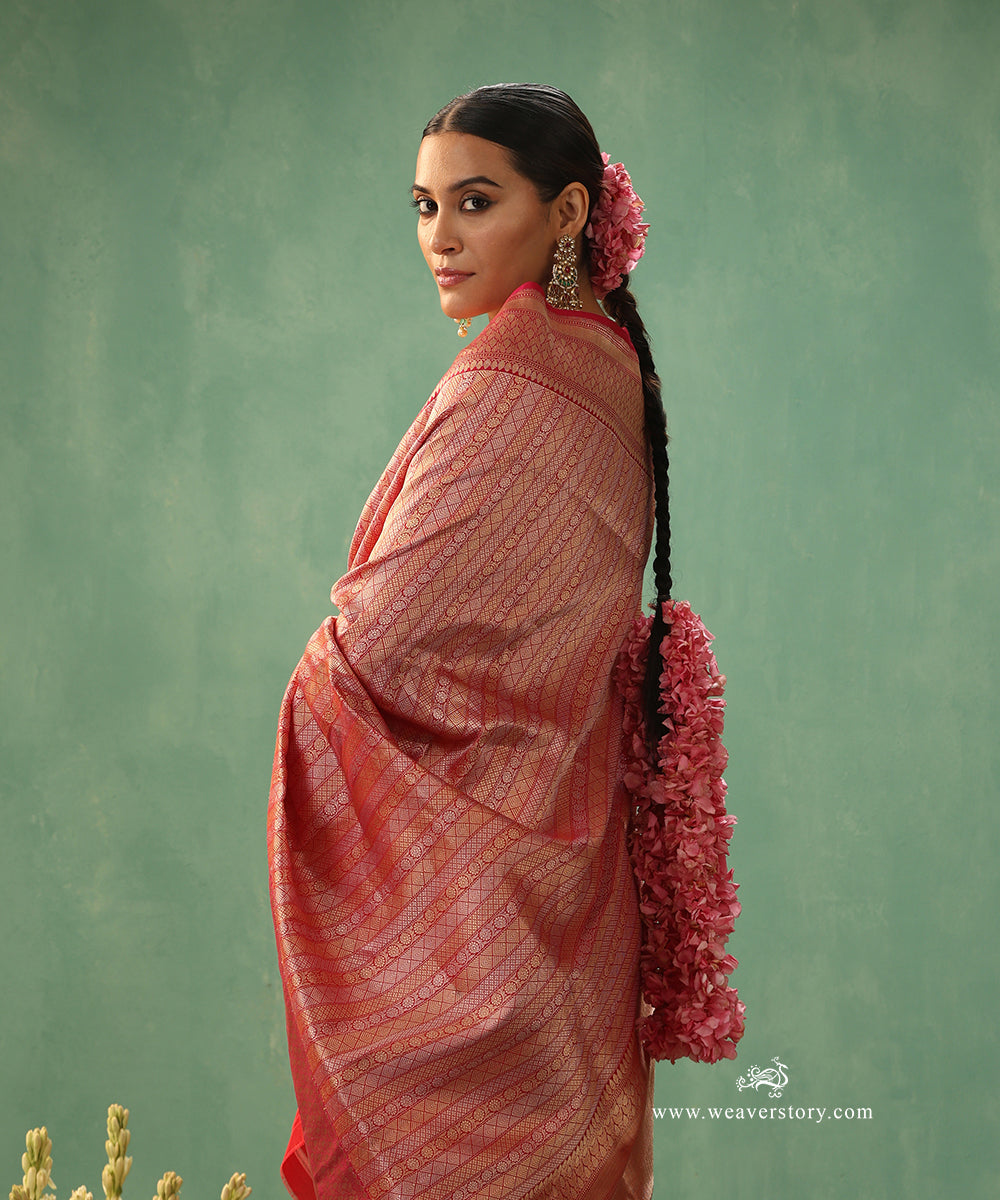
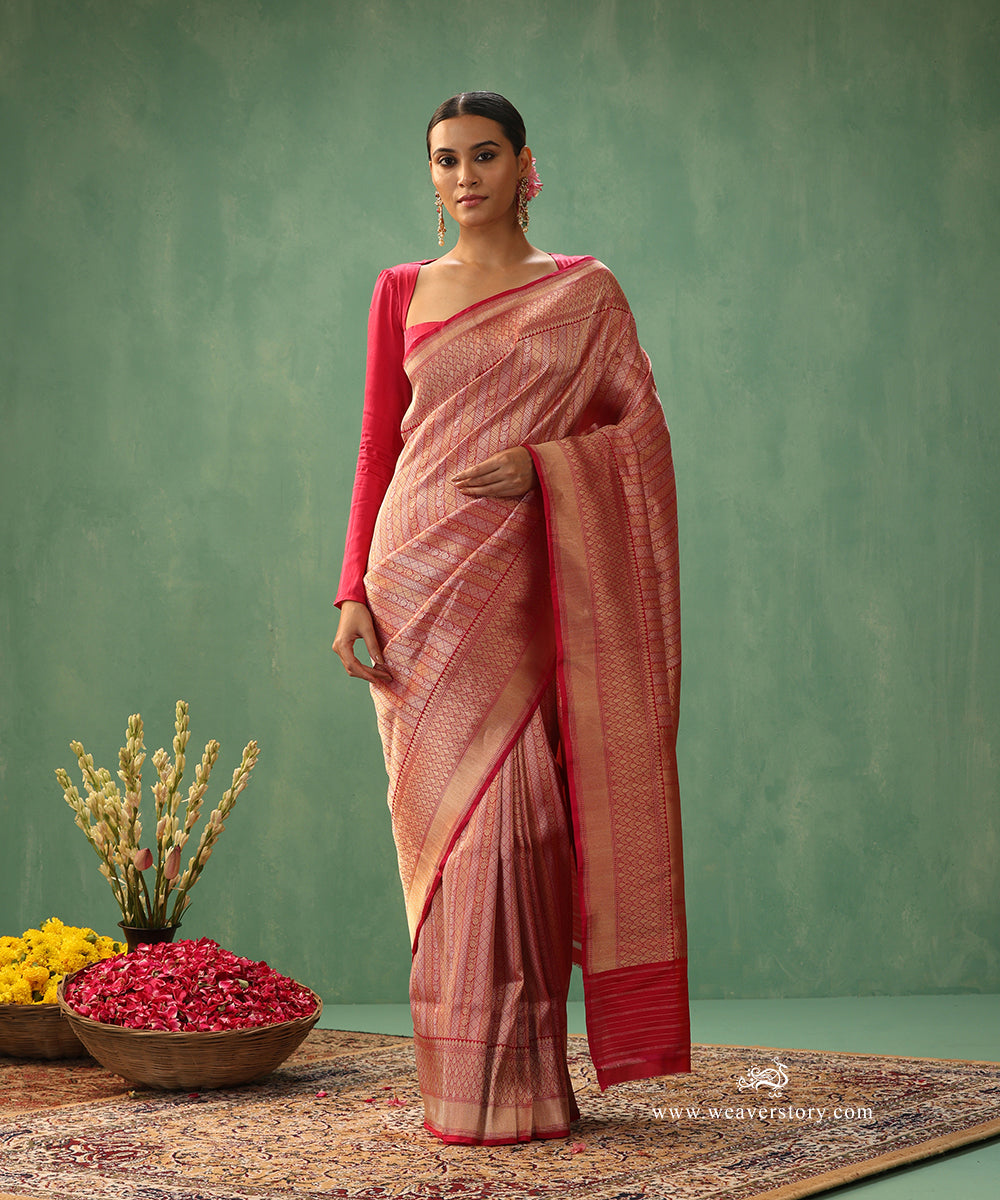 Handloom Pink And Red Shot Colour Pure Ka... Handloom Pink And Red Shot Colour Pure Katan Silk Kimkhab Banarasi Saree With Leaf Border
- Regular price
-
₹ 58,995 - Regular price
-
₹ 0 - Sale price
-
₹ 58,995
-
Handloom Pink Pure Katan Silk Kimkhab Banarasi Saree With Meenakari
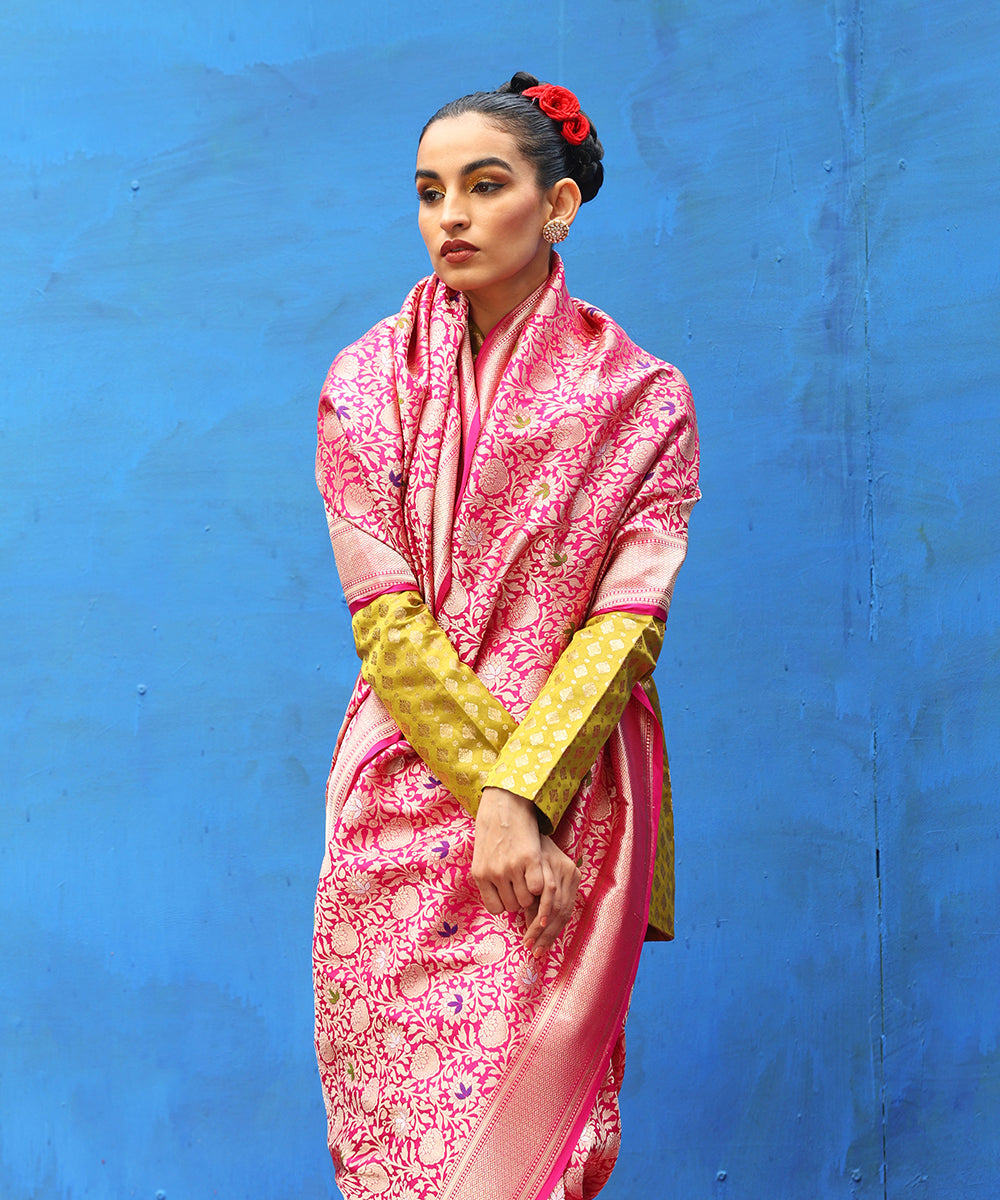
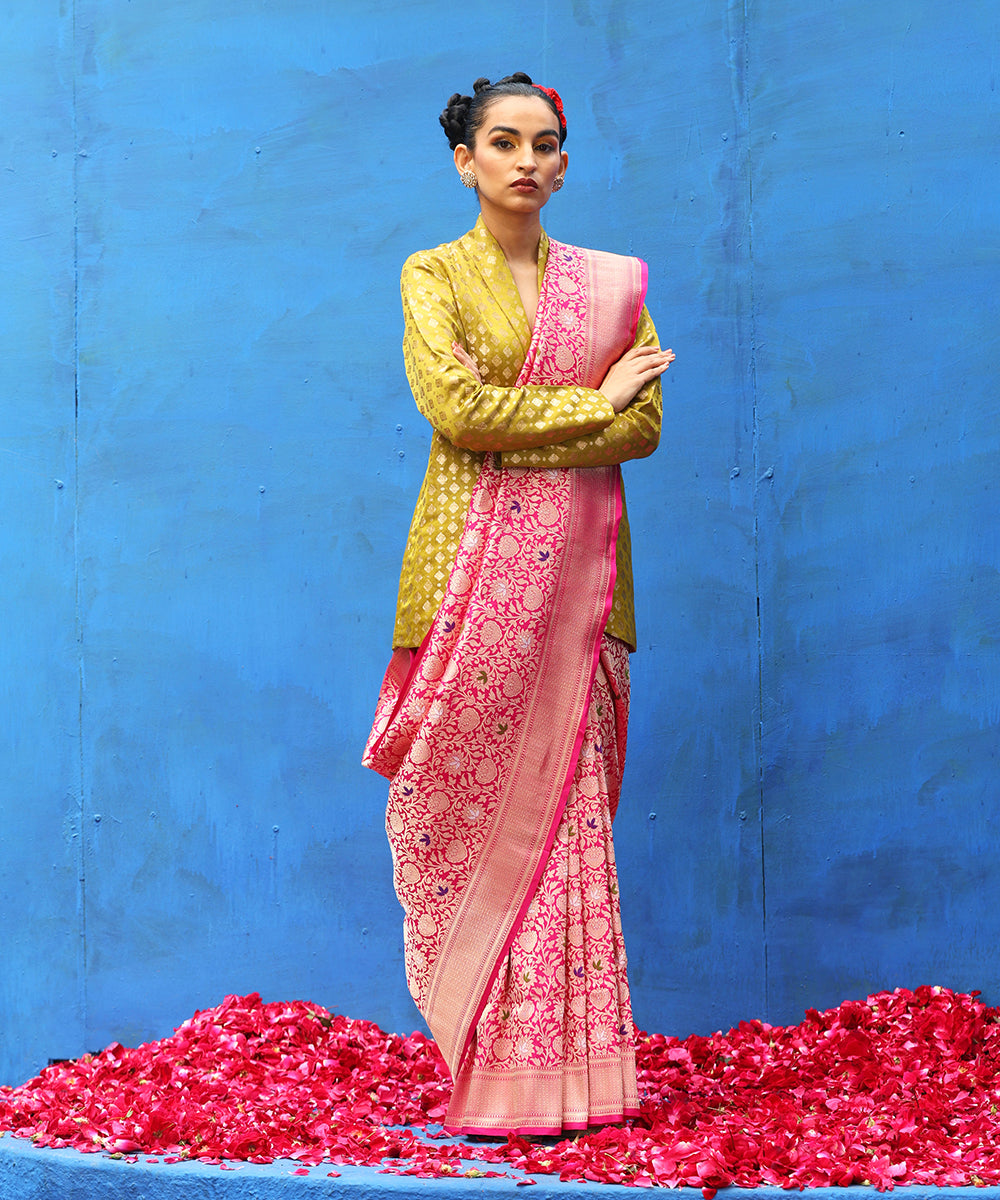 Handloom Pink Pure Katan Silk Kimkhab Ban... Handloom Pink Pure Katan Silk Kimkhab Banarasi Saree With Meenakari
- Regular price
-
₹ 62,995 - Regular price
-
₹ 0 - Sale price
-
₹ 62,995
-
Handwoven Pink Kimkhab Banarasi Saree with Paisleys
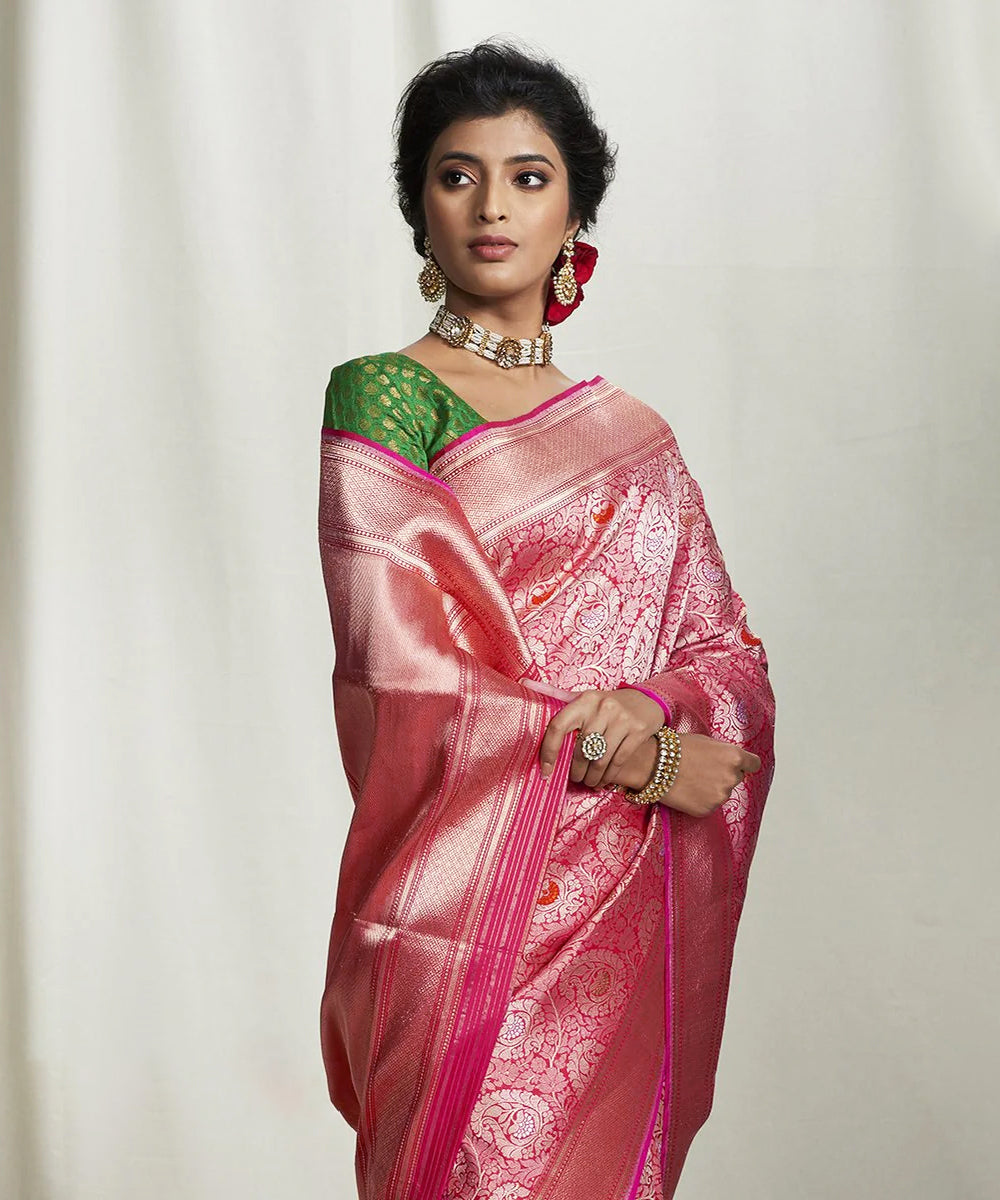
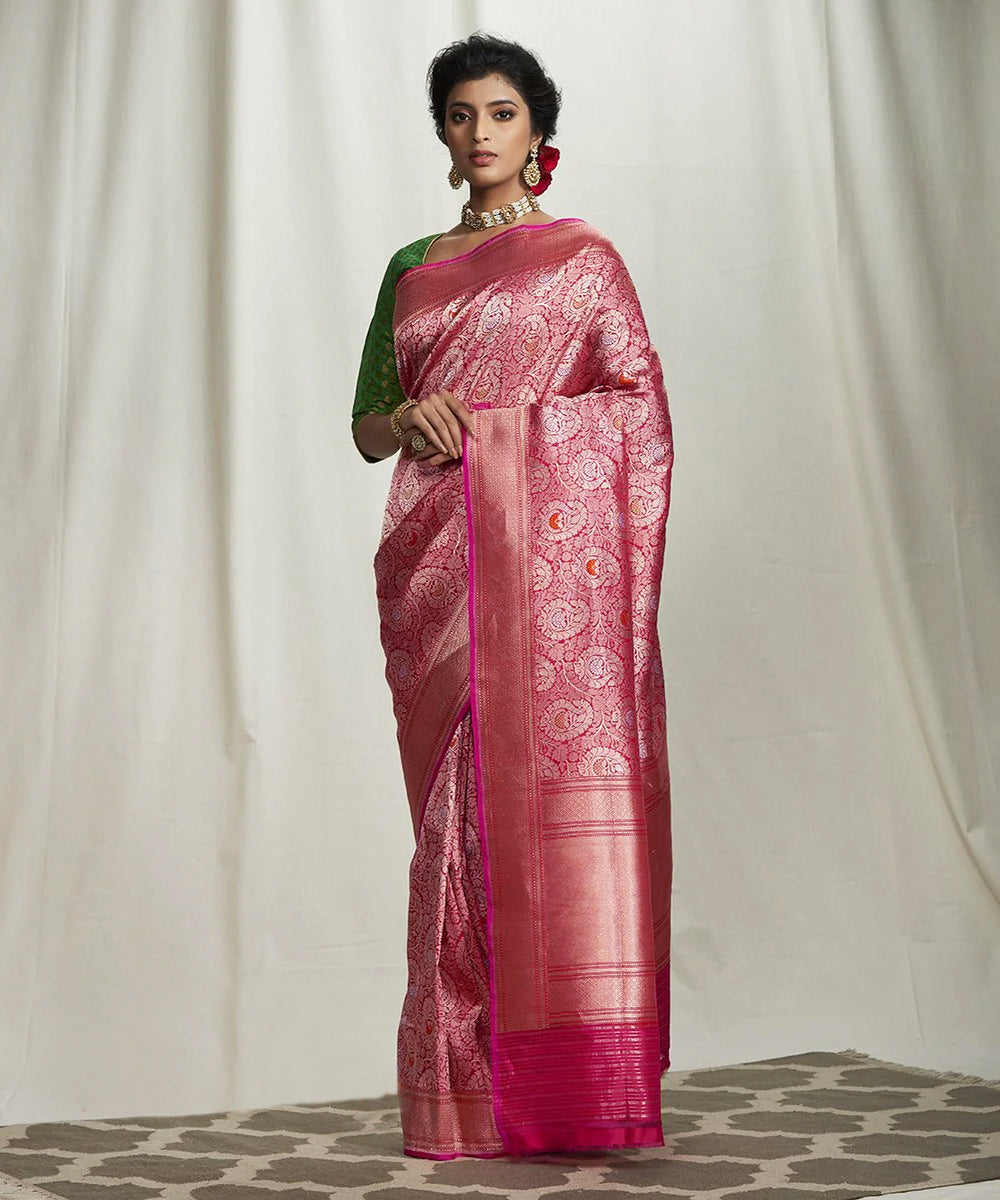 Handwoven Pink Kimkhab Banarasi Saree wit... Handwoven Pink Kimkhab Banarasi Saree with Paisleys
- Regular price
-
₹ 60,995 - Regular price
-
₹ 0 - Sale price
-
₹ 60,995
Explore Kimkhab Sarees at WeaverStory
Kimkhab sarees are luxurious Banarasi silk brocades woven with intricate gold and silver zari, often referred to as the “cloth of gold.” Originating in Banaras, these sarees are known for their dense weave, rich motifs, and ceremonial appeal, making them ideal for weddings, heirloom collections, and festive occasions.
Some textiles are worn. Others are inherited. Kimkhab sarees belong to the latter, woven not just with silk and zari, but with time, skill, and a legacy that continues to evolve through the hands of master artisans.
At WeaverStory, each drape reflects this philosophy, where craft is preserved and luxury is felt, not declared.
Understanding Kimkhab Sarees: A Legacy in Silk
These are among the most opulent forms of Banarasi handloom weaving, historically associated with royalty and ceremonial attire. The word “Kimkhab” itself translates to fabric so rich that it feels like gold woven into cloth.
These sarees are characterized by:
-
Heavy silk base, typically pure katan silk
-
Dense brocade work with gold and silver zari
-
Intricate floral, paisley, and jaal motifs
-
A textured, almost embossed appearance
Unlike lighter weaves, a Banarasi kimkhab saree is crafted with a higher density of zari, giving it a luminous depth and weight that sets it apart. Each piece is handwoven, often taking weeks or even months, depending on the intricacy.
At WeaverStory, this tradition is curated through a collection that celebrates Banaras’ most renowned brocades, where each saree carries the story of its weaver and region.
Why Kimkhab Sarees Continue to Matter
A textile rooted in cultural continuity
Kimkhab weaving is not just a technique, it is a lineage. Passed down through generations, it reflects the continuity of India’s handloom traditions and the resilience of its artisan communities.
Explore more heritage expressions like heritage silk sarees and other regional crafts such as Shikargah sarees from Banaras.
Craft that cannot be replicated by machines
The richness of a banarasi kimkhab saree lies in its imperfections, the slight variations, the hand-guided motifs, the depth of zari that no automated process can replicate.
Related craft traditions include handloom kanchi pattu saree and Kanjivaram sarees, each reflecting distinct weaving legacies.
Designed for significance, not seasonality
These sarees are not trend-driven. They are chosen for moments that matter, weddings, heirloom gifting, and occasions where presence is felt through detail.
A conscious investment in craft
Choosing kimkhab supports artisan ecosystems and sustains heritage weaving clusters, aligning with a more mindful approach to luxury.
How to Choose the Right Kimkhab Saree
Selecting a saree is less about following trends and more about understanding intent, when, where, and how you wish to wear it.
1. Fabric and weave quality
Look for pure katan silk bases with tightly woven zari. A well-crafted saree will feel substantial yet fluid.
For instance, a Teal Blue Handloom Gold Zari Katan Silk Kimkhab Banarasi Brocade Saree with Red Selvedge and Paisley Border reflects traditional richness with a structured drape, ideal for formal occasions.
2. Motif language
Motifs define the personality of the saree:
-
Floral jaals for timeless elegance
-
Paisleys for heritage appeal
-
Meenakari accents for added colour depth
A Green Handloom Katan Silk Kimkhab Banarasi Saree with Meenakari offers a layered aesthetic, perfect for those who appreciate intricate detailing without overwhelming the look.
3. Colour and occasion alignment
Deep jewel tones like rani pink, emerald, and royal blue are suited for weddings, while softer hues like ice blue or mauve lend themselves to evening gatherings.
An Ice Blue Handloom Pure Katan Silk Banarasi Saree with Zari Border and Pallu balances subtlety with craftsmanship, making it versatile across formal and semi-formal settings.
4. Weight and drape
These are naturally heavier. If comfort is a priority, opt for designs with balanced zari distribution rather than full-surface brocade.
Kimkhab Sarees for Different Occasions
-
Weddings and bridal wear: A banarasi kimkhab saree is often considered a bridal essential. Its richness complements traditional jewellery and ceremonial settings, making it a timeless choice for wedding trousseaus.
-
Festive celebrations: Festivals call for textiles that reflect celebration. These sarees, with their luminous zari and intricate motifs, elevate occasions like Diwali, Eid, or family gatherings.
-
Heirloom gifting: Given their durability and cultural value, these sarees are often passed down through generations, making them meaningful gifts for milestones.
-
Formal evenings: When styled thoughtfully, even a richly woven saree can transition into contemporary settings, paired with minimal jewellery and structured blouses.
Styling a Kimkhab Saree: A Modern Approach
Balance richness with restraint
Let the saree remain the focal point. Pair with understated jewellery, perhaps a single statement piece rather than a full set.
Blouse choices
-
Classic silk blouses for traditional settings
-
Textured or hand-embroidered blouses for added dimension
-
Contemporary cuts for a modern interpretation
Draping styles
A structured drape enhances the saree’s inherent weight and fall. Avoid overly experimental draping that may disrupt the visual continuity of the weave.
Care Instructions: Preserving the Craft
Kimkhab sarees require mindful care to retain their beauty over time:
-
Dry clean only to protect the zari and silk
-
Store in breathable muslin cloth, away from moisture
-
Refold periodically to prevent creasing along zari lines
-
Avoid direct exposure to sunlight for prolonged periods
With proper care, a saree can remain unchanged for decades, often becoming more valuable over time.
Why Choose WeaverStory for Sarees
-
A curated approach to heritage: WeaverStory is not a marketplace; it is a carefully built archive of India’s finest weaves, bringing together regional craftsmanship under one thoughtful platform.
-
Direct connection to artisan clusters: Founded to celebrate India’s handloom heritage, the brand works closely with weaving communities across regions, ensuring authenticity and continuity.
-
Emphasis on purity and craftsmanship: Each saree is crafted in pure fabrics with authentic zari work, reflecting a commitment to quality over mass production.
-
Designed for modern relevance: While rooted in tradition, the collections are curated for contemporary wardrobes, balancing heritage with wearability.
Frequently Asked Questions
Q1. What is a kimkhab saree?
A kimkhab saree is a heavy silk brocade saree from Banaras, woven with gold and silver zari to create rich, intricate patterns.
Q2. What makes a banarasi kimkhab saree unique?
Its dense zari work, luxurious silk base, and handcrafted detailing distinguish it from lighter Banarasi weaves.
Q3. Where can I buy authentic sarees online?
You can explore curated, authentic collections at platforms like WeaverStory, which focus on verified handloom sourcing.
Q4. Are kimkhab sarees suitable for weddings?
Yes, they are traditionally worn for weddings due to their richness and ceremonial significance.
Q5. How do I identify a genuine kimkhab saree?
Look for handwoven irregularities, dense zari work, and a substantial silk base. Authentic pieces are never lightweight or overly uniform.
Q6. What is the price range of kimkhab sarees?
Prices vary based on weave complexity, silk quality, and zari work, typically ranging from mid to high luxury segments.
Q7. How long does it take to make a kimkhab saree?
Depending on the intricacy, it can take weeks to several months to complete a single saree.
Q8. Can kimkhab sarees be worn casually?
While primarily occasion wear, lighter designs can be styled for formal events with minimal accessories.
Q9. Which is the best brand to buy kimkhab sarees?
Brands like WeaverStory are known for curated, authentic handloom collections rooted in craftsmanship.
Q10. How do I maintain a kimkhab saree?
Store it in muslin, dry clean only, and avoid moisture or prolonged sunlight exposure to preserve the zari and silk.

