Skip to content




A Banarasi saree is a handwoven silk saree originating from Varanasi (Banaras), known for its intricate zari work, luxurious silk fabric, and Mughal-inspired motifs. Traditionally crafted by skilled artisans, these sarees are prized for weddings, festive occasions, and heirloom collections. Authentic Banarasi sarees feature detailed craftsmanship, rich weaving techniques, and a heritage that spans centuries.
If you're wondering what is Banarasi saree and why it remains one of India's most treasured textiles, the answer lies in its exceptional craftsmanship, cultural heritage, and timeless elegance. At WeaverStory, we celebrate this centuries-old weaving tradition by bringing authentic handwoven Banarasi masterpieces directly from skilled artisans to discerning saree lovers around the world.
What Is a Banarasi Saree?
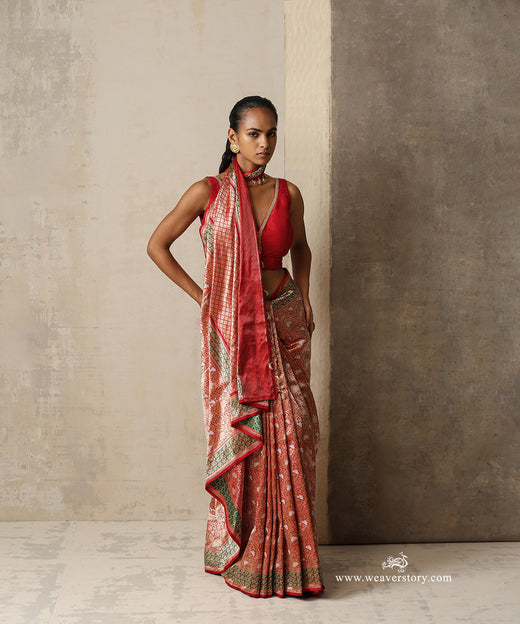
A Banarasi saree is much more than a garment, it's a symbol of Indian artistry, tradition, and luxury. Originating from the ancient city of Varanasi in Uttar Pradesh, these exquisite sarees are woven using fine silk threads and embellished with intricate zari work that creates stunning patterns and motifs.
For generations, Banarasi weaving has been passed down through artisan families, preserving techniques that require remarkable precision and patience. Today, an authentic Banarasi saree continues to be one of the most sought-after choices for weddings, festivals, and special occasions.
What makes these sarees truly special is their ability to blend heritage craftsmanship with timeless beauty. Every weave tells a story of skilled hands, artistic vision, and centuries of cultural influence.
The Rich History Behind Banarasi Sarees
The story of Banarasi weaving dates back several centuries and flourished during the Mughal era. Persian-inspired floral motifs, intricate brocade work, and detailed patterns became integrated into traditional Indian weaving techniques, creating a distinctive textile art form that remains admired worldwide.
Varanasi quickly emerged as a major center for silk weaving, attracting master craftsmen who refined and perfected their skills over generations. The result was the creation of luxurious fabrics that were worn by royalty, nobility, and aristocratic families.
Today, the Banaras Brocades and Sarees Geographical Indication (GI) tag helps protect the authenticity of this treasured craft, ensuring that genuine Banarasi sarees originate from designated weaving regions.
Why Banarasi Sarees Are Considered Special
Several factors distinguish Banarasi sarees from other silk sarees:
- Exceptional Handcrafted Detailing: Creating a single saree can take weeks or even months depending on the complexity of the design. Every motif, border, and pallu reflects the dedication of skilled artisans.
- Luxurious Silk Quality: Traditional Banarasi sarees are crafted using premium silk, offering a rich texture, elegant drape, and remarkable durability.
- Intricate Zari Work: The hallmark of a Banarasi saree lies in its zari weaving. Metallic threads are woven into the fabric to create elaborate floral, geometric, and ornamental patterns.
- Heirloom Value: Unlike fast-fashion garments, authentic Banarasi sarees are often preserved and passed down through generations as cherished family heirlooms.
Types of Banarasi Sarees You Should Know
Understanding the different varieties can help you choose the perfect Banarasi saree for your style and occasion.
Katan Silk Banarasi Saree
Katan silk is considered one of the purest forms of Banarasi weaving. A banarasi katan silk saree, made using tightly twisted silk yarns, it offers a luxurious texture and exceptional durability.
Ideal for:
- Weddings
- Bridal trousseaus
- Grand celebrations
Organza (Kora) Banarasi Saree
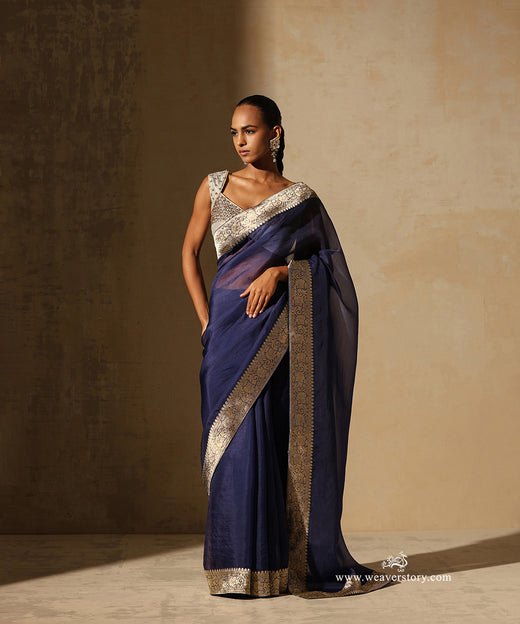
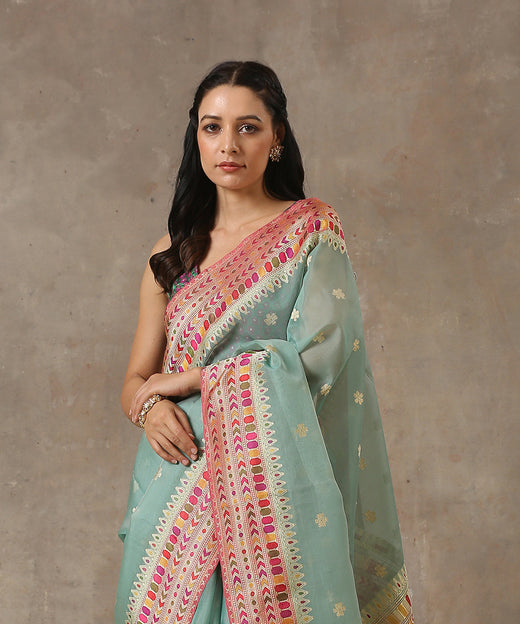
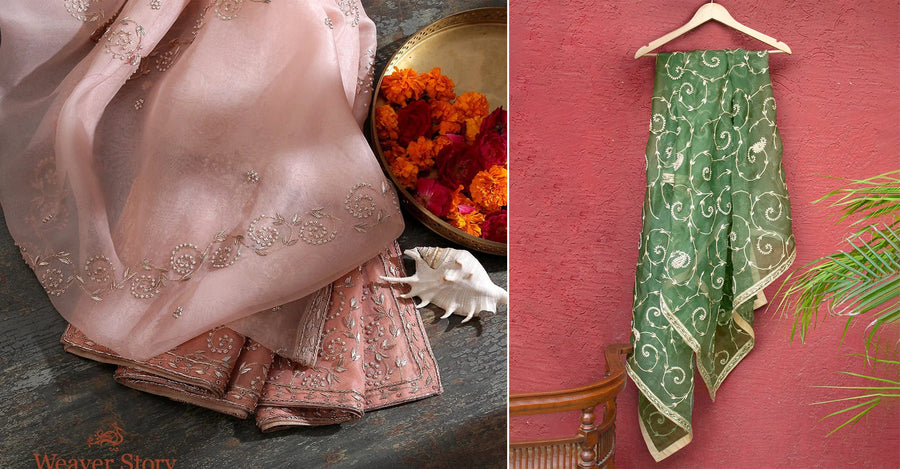
Organza Banarasi sarees are lightweight and known for their sheer elegance. Delicate zari motifs stand out beautifully against the translucent fabric.
Ideal for:
- Day weddings
- Festive gatherings
- Elegant evening events
Georgette Banarasi Saree
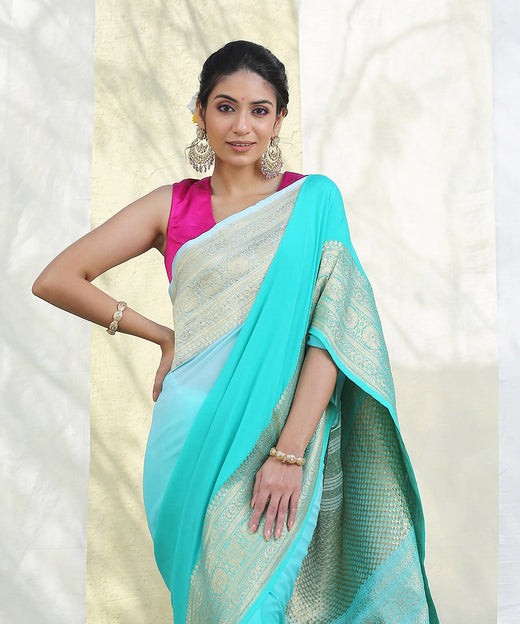
For those seeking comfort without compromising on tradition, georgette Banarasi sarees provide effortless draping and versatility.
Ideal for:
- Parties
- Reception functions
- Contemporary styling
Tissue Banarasi Saree
Tissue Banarasi sarees are recognized for their subtle shimmer and regal appearance. The metallic sheen makes them perfect for festive occasions.
Ideal for:
- Celebrations
- Wedding functions
- Cultural events
Heritage Weaves: Jangla, Tanchoi and Shikargah
These highly prized weaving styles are often sought after by collectors and connoisseurs.
- Jangla Weaves: Characterized by elaborate floral vines spread across the fabric.
- Tanchoi Weaves: Known for intricate patterns woven without floating threads.
- Shikargah Weaves: Feature artistic depictions of animals, birds, and hunting scenes inspired by royal traditions.
Key Characteristics of an Authentic Banarasi Saree
Before investing in a Banarasi saree, it's important to understand the features that define authenticity.
Signature Motifs
Traditional Banarasi designs often include:
- Floral jaals
- Paisleys
- Kalga motifs
- Bel patterns
- Mughal-inspired designs
These motifs showcase the artistic heritage of Banaras weaving.
Rich and Detailed Borders
Authentic Banarasi sarees often feature intricately woven borders and pallus that complement the overall design.
Handwoven Excellence
Unlike machine-made alternatives, handwoven sarees exhibit subtle irregularities that reflect genuine craftsmanship rather than manufacturing defects.
Distinctive Zari Work
Traditional zari work creates depth, texture, and visual richness that is difficult to replicate through mass production.
How to Identify a Banarasi Saree
One of the most common questions buyers ask is how to identify Banarasi saree authenticity before making a purchase.
Examine the Reverse Side
Turn the saree over and inspect the reverse side of the motifs.
In many handwoven Banarasi sarees, you will notice floating threads and weaving details that indicate manual craftsmanship.
Check the Quality of the Zari
Authentic zari work has a refined appearance and integrates seamlessly into the weave. Poor-quality imitations often appear overly shiny or artificial.
Feel the Fabric
Pure silk Banarasi sarees feel smooth, luxurious, and substantial without being excessively stiff.
The texture should reflect the quality expected from traditional handloom weaving.
Look for GI Certification
The GI tag serves as an important indicator of authenticity and geographical origin.
While not every authentic saree may display it prominently, trusted sellers should be able to provide information regarding provenance and craftsmanship.
Understand the Pricing
Authentic handwoven Banarasi sarees require extensive labor and expertise.
If a saree is priced significantly below market standards, it is worth investigating its authenticity further.
Buy from Reputable Sources
Perhaps the most reliable way to ensure authenticity is to purchase from trusted brands that work directly with artisan communities and maintain transparency about their sourcing practices.
At WeaverStory, every saree is carefully curated to uphold the rich legacy of Indian handloom traditions while supporting the skilled artisans who keep these crafts alive.
How to Wear a Banarasi Saree Elegantly
Whether you're attending a wedding, festive celebration, or formal event, the way you drape a Banarasi saree can significantly enhance its beauty.
Traditional Nivi Style
The classic Nivi drape remains the most popular way to wear a Banarasi saree. Well-structured pleats and a neatly draped pallu allow the intricate weaving and zari work to take center stage.
Open Pallu Style
An open pallu drape beautifully showcases the craftsmanship of the saree, especially if the pallu features detailed motifs or elaborate brocade work.
Belted Saree Look
For a contemporary touch, add a statement belt at the waist. This styling technique creates a flattering silhouette while blending traditional and modern aesthetics.
Styling Tip
Avoid over-accessorizing. Since Banarasi sarees are rich in texture and design, a few carefully chosen accessories often create a more elegant look.
How to Style a Banarasi Saree for Different Occasions
A Banarasi saree is incredibly versatile and can be styled differently depending on the event.
For Weddings
Pair your saree with traditional gold jewellery, a classic bun, and a richly embroidered blouse. Deep jewel tones such as maroon, emerald, and royal blue work particularly well for wedding celebrations. When considering what kind of jewellery to wear with silk saree, it is best to choose pieces that complement rather than overpower the design.
For Festivals
Choose lighter weaves and pair them with temple jewellery or handcrafted silver pieces for a graceful festive look.
For Formal Events
A minimalist blouse, structured drape, much like how a kanjivaram silk saree is adapted for modern occasions and understated accessories create a polished appearance suitable for corporate or cultural gatherings.
Choosing the Right Blouse
The blouse can completely transform the overall look. Popular options include:
- High-neck blouses
- Elbow-sleeve blouses
- Boat-neck designs
- Contemporary sleeveless cuts
- Hand-embroidered silk blouses
How to Wear a Banarasi Saree to Look Slim
Many women wonder how to wear Banarasi saree to look slim without compromising on elegance. The secret lies in selecting the right weave, colour, and draping style.
- Choose Smaller Motifs: Large motifs can add visual volume. Smaller, more delicate patterns often create a leaner appearance.
- Opt for Monochromatic Shades: Single-colour or tonal outfits create a longer, uninterrupted visual line that helps elongate the frame.
- Keep Pleats Structured: Well-defined pleats reduce bulk around the waist and create a cleaner silhouette.
- Select Lightweight Weaves: Organza and lighter silk Banarasi sarees often drape more fluidly, helping create a streamlined look.
- Focus on the Blouse Fit: A well-tailored blouse can make a remarkable difference. Proper fitting enhances posture and balances proportions.
How to Care for Your Banarasi Saree
A Banarasi saree is an investment that deserves proper care to maintain its beauty for years.
- Store Carefully: Always fold the saree neatly and store it in a breathable cotton or muslin cloth.
- Protect the Zari: Avoid prolonged exposure to direct sunlight, as it may affect the shine of the zari over time.
- Dry Clean Only: Professional dry cleaning is generally recommended for preserving the silk and woven details.
- Refold Periodically: Refolding the saree every few months helps prevent permanent creases and protects delicate fibres.
Where to Buy Banarasi Saree in Varanasi
If you're looking for where to buy Banarasi saree in Varanasi, choose a source that prioritizes authenticity and craftsmanship. While the city is home to many saree markets and stores, it's important to buy from brands that work closely with traditional weaving communities.
WeaverStory is a trusted destination for authentic Banarasi sarees, offering carefully curated handwoven pieces crafted by skilled artisans from Banaras. From elegant Katan silks to intricate heritage weaves, the collection reflects the richness of the region's weaving traditions. Whether you're shopping online or researching before a visit to Varanasi, WeaverStory makes it easier to invest in a genuine Banarasi saree backed by quality, craftsmanship, and artisan heritage.
Conclusion
Few garments embody India's textile heritage as beautifully as a Banarasi saree. From its rich history and intricate craftsmanship to its enduring elegance, every weave represents centuries of artistry and tradition, it continues to be one of the most admired forms among all types of silk sarees. Whether you're purchasing your first Banarasi or adding to a growing collection, understanding its authenticity, styling possibilities, and cultural significance helps you appreciate the true value behind every drape.
Discover Authentic Banarasi Sarees at WeaverStory
At WeaverStory, we believe every handwoven masterpiece carries the story of the artisan who created it. Our carefully curated collection showcases authentic Banarasi sarees crafted by skilled weaving communities, preserving traditional techniques while celebrating timeless elegance.
Whether you're looking for a bridal heirloom, a festive statement piece, or an investment-worthy addition to your wardrobe, WeaverStory offers thoughtfully selected Banarasi weaves that honour India's rich handloom heritage. Explore our collection and experience the artistry, authenticity, and craftsmanship that make Banarasi sarees truly extraordinary.
Frequently Asked Questions
Q1. How do I identify an original Banarasi saree?
Check the weaving details, zari quality, silk texture, and seller credibility. Authentic handwoven sarees often reveal craftsmanship on the reverse side of the fabric.
Q2. How should I style a Banarasi saree for a modern look?
Pair it with a contemporary blouse, minimal jewellery, and structured draping. A statement belt can also create a stylish fusion look.
Q3. Can Banarasi sarees be worn for occasions other than weddings?
Yes. Depending on the weave and styling, they can be worn for festivals, formal events, family celebrations, and cultural functions.
Q4. Can beginners wear a Banarasi saree comfortably?
Absolutely. Lighter Banarasi weaves such as organza and georgette are especially comfortable and easier to drape.
Q5. Is a Banarasi saree always made from pure silk?
Not always. While traditional Banarasi sarees are crafted from silk, modern variations may incorporate georgette, organza, tissue, and other fabrics.
Q6. Is a Banarasi saree a good long-term investment?
Yes. Authentic handwoven Banarasi sarees often retain their cultural, sentimental, and heirloom value for decades.
Q7. What makes Banarasi sarees so expensive?
The cost reflects the quality of silk, intricate weaving techniques, zari work, and the time invested by skilled artisans, which can range from several weeks to months.
Q8. Why are Banarasi sarees considered heirloom pieces?
Their exceptional craftsmanship, durability, and timeless appeal make them treasured garments that are often passed down through generations.