Skip to content




Types of hand embroidery on dupattas include Zardozi, Resham or thread work, Aari, Mukaish, and Gota work. Each technique creates a distinct finish, from rich metallic detailing to delicate threadwork and subtle shimmer. The best choice depends on your fabric, occasion, styling preference, and the amount of embellishment you want.
These techniques can turn a simple outfit into an occasion-ready look while preserving the beauty of Indian textile craftsmanship. WeaverStory brings these traditions together with handloom fabrics and contemporary styling. Let’s explore which embroidery suits you best.
What Is Hand Embroidery on a Dupatta?
Hand embroidery involves creating decorative patterns directly on fabric using techniques, threads, and embellishments applied by skilled artisans. Depending on the style, the work may include Resham threads, zari, metallic elements, pearls or decorative borders.
Unlike a printed pattern, handwork can have subtle variations that reflect the artisan’s technique and the textile's character. A handwork dupatta can feature embroidery across the entire fabric, along the border, or through small motifs known as bootas.
The placement matters as much as the technique. A heavily embroidered border can frame a simple outfit, while scattered motifs create a lighter and more versatile appearance.
Types of Hand Embroidery on Dupattas
1. Zardozi Embroidery
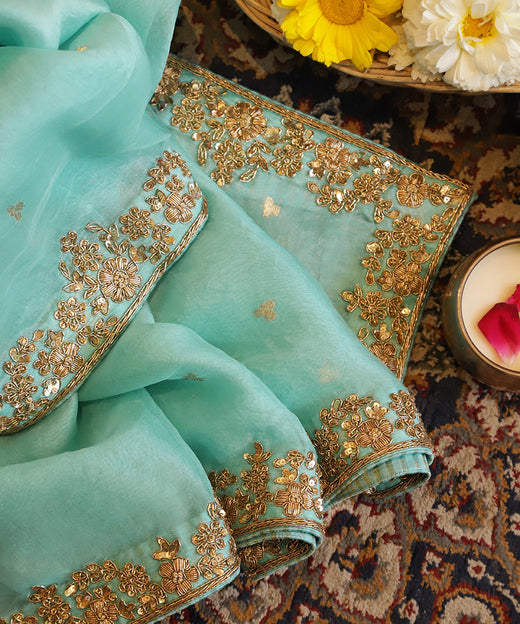
Zardozi is known for its ornate metallic appearance and is a natural choice for weddings, festive celebrations, and grand occasions. Its rich detailing creates a regal effect, particularly when paired with elegant fabrics such as Organza or Silk.
A zardozi dupatta can become the focal point of an outfit. Pair it with a simple kurta set when you want the embroidery to stand out, or coordinate it with an embellished lehenga for a more traditional appearance.
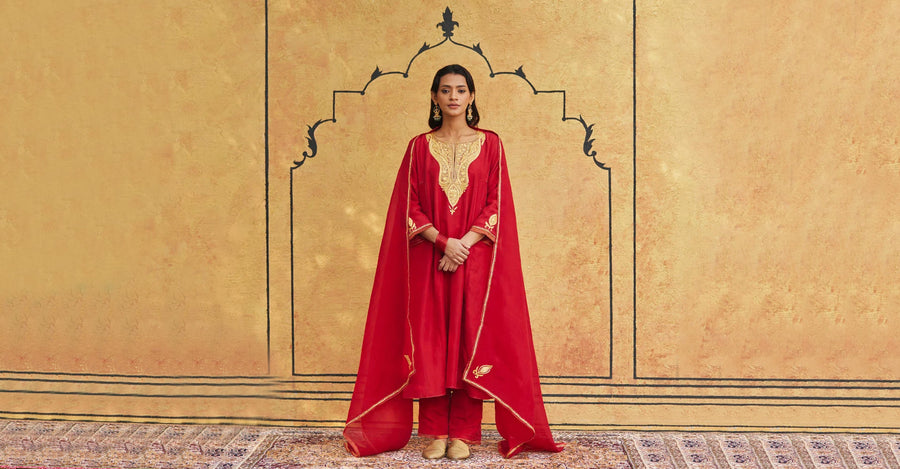
WeaverStory’s collection includes a Red Handloom Organza Dupatta with Hand Embroidered Zardozi Motifs and Handcrafted Kiran, along with yellow, purple, pink, red, white, peach, and green Organza designs featuring Zardozi detailing.
2. Resham or Thread Work
Resham embroidery uses coloured threads to create refined decorative patterns. Compared with heavily metallic embroidery, it generally gives an outfit a softer and more fluid appearance.
A thread work dupatta works beautifully with solid-coloured suits and understated festive outfits. It can also be combined with other embellishments for added depth.
The Handloom Pista Chanderi Zardozi Dupatta with Resham and Pearls from WeaverStory combines Pista-green Chanderi with Zardozi, Resham threadwork, and pearl embellishments. The result is detailed without feeling overwhelmingly heavy.
3. Aari Work
Aari is a detailed embroidery technique used to create fine ornamental patterns. Depending on the design, it can produce anything from delicate motifs to elaborate decorative surfaces.
When selecting an Aari-embroidered dupatta, consider the density of the work and the rest of your outfit. Detailed embroidery usually looks most effective when paired with a relatively simple base, allowing the craftsmanship to remain visible.
Aari is also among the traditional embroidery techniques featured in WeaverStory’s hand-embroidered dupatta collection.
4. Mukaish Work
Mukaish is valued for its delicate metallic sparkle. It can add a subtle shimmer to fabric without creating the heavier visual effect associated with richly embellished Zardozi.
This makes Mukaish particularly appealing for evening celebrations, festive gatherings and outfits where you want a refined glow rather than dramatic ornamentation.
5. Gota Work and Gota Patti
Gota work adds decorative metallic detailing through motifs, borders and other embellishments. It has a distinctly festive character and can work across traditional and contemporary outfits.
WeaverStory’s Light Gold Handloom Cotton Tissue Dupatta with Gota Booti and Kiran Lace is an example of how Gota detailing can become the defining feature of a dupatta.
The collection also includes a Verdian Green Handloom Organza Dupatta with Hand Embroidered Gota and Zardozi Work with Kiran, showing how multiple techniques can be combined to create a richer statement piece.
6. Kutch Work
Kutch embroidery is associated with Gujarat’s vibrant textile traditions and is known for detailed, craft-led surface decoration. Depending on the regional style, it can include colourful threads, geometric patterns, mirrors, and distinctive decorative motifs.
If you are searching for a Kutch work dupatta online, always check the product description carefully to confirm the stated technique. Not every colourful embroidered dupatta is Kutch work, and accurate craft terminology matters when choosing traditional textiles.
7. Kiran and Decorative Border Work
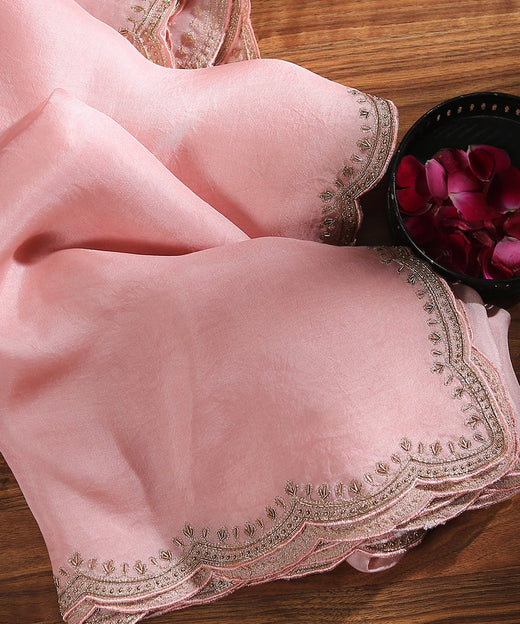
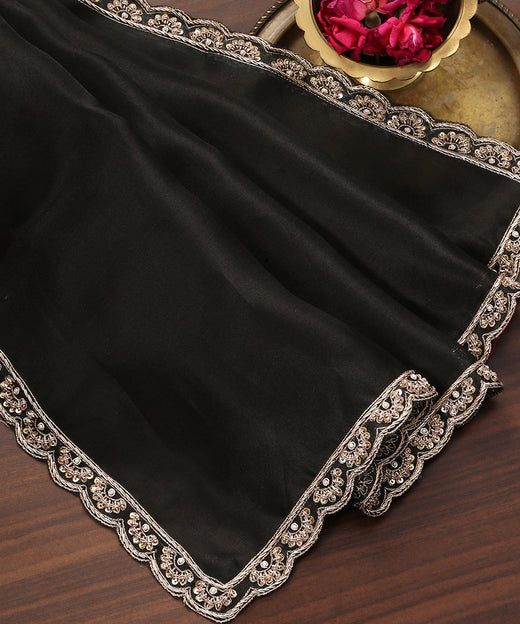
Kiran is a decorative finishing element commonly used along the edge of a dupatta. A detailed border can frame the fabric, define the drape, and add a polished finish to an otherwise simple design.
WeaverStory’s red handloom Organza design combines hand-embroidered Zardozi motifs with a handcrafted Kiran border, making the border an important part of its overall appearance.
Zardozi Dupatta vs Thread Work Dupatta: Which Should You Choose?
A zardozi work dupatta is ideal when you want metallic richness, ornate detailing, and a more formal appearance. Resham or thread embroidery is better suited to those who prefer colour, softness, and a comparatively lighter finish.
Consider these points before choosing:
-
For weddings: Choose Zardozi, Gota or richly detailed borders.
-
For daytime celebrations: Look for lighter embroidery on Organza or Chanderi.
-
For understated festive dressing: Resham, pearls, or restrained metallic work can add enough detail.
-
For a statement outfit: Let the dupatta carry the heavier embroidery and keep the rest of the outfit simple.
Which Fabric Is Best for an Embroidered Dupatta?
The best fabric depends on the appearance and drape you want. Organza has a lightweight, sheer character that complements intricate embroidery. Chanderi offers an airy and graceful quality, while Silk creates a richer, more substantial feel. Tissue brings a luminous finish that works particularly well for festive dressing.
WeaverStory’s hand-embroidered collection features Organza, Chanderi, Pure Silk and Tissue, giving you different fabric choices for weddings, celebrations and sophisticated occasionwear.
How to Choose a Hand Work Dupatta for Different Occasions
For weddings, choose embroidery with enough presence to complement jewellery and occasionwear. Zardozi, Gota and embellished borders are especially effective.
For Haldi and Mehendi celebrations, brighter colours and lighter fabrics can create a fresh daytime appearance. WeaverStory’s Handloom Yellow Organza Dupatta with Zardozi Work is positioned for Haldi, Mehendi and daytime celebrations.
For bridal styling, look for Zardozi, pearl details, Gota, and richer borders. For a more understated festive outfit, Chanderi with Resham or restrained embellishment can create a polished look.
How to Style an Embroidered Dupatta
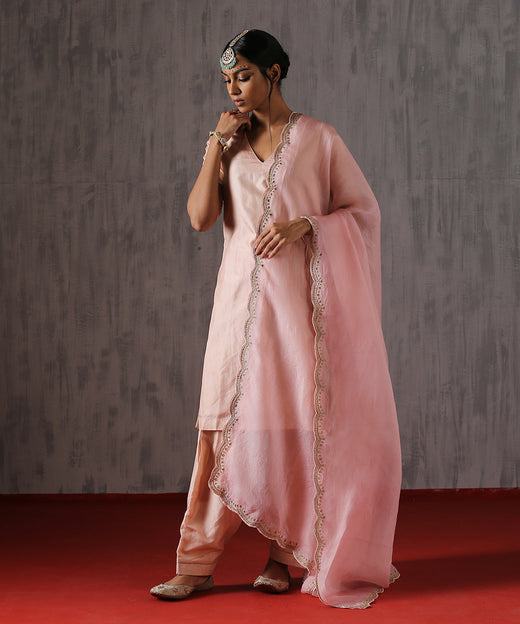
A handwork dupatta does not require an elaborate outfit to make an impact. Pair it with a solid kurta set when you want the embroidery to become the centre of attention.
With a lehenga, coordinate one colour from the embroidery with the blouse or skirt to create a cohesive appearance. For drape-specific guidance, our guide on how to wear lehenga dupatta covers the styling basics. For contemporary styling, contrast traditional embroidery with a clean silhouette, neutral separates, or a modern outfit.
A useful rule is simple: the more detailed the dupatta, the cleaner the rest of the outfit can be. If you are also planning jewellery, our guide on how to choose jewellery for saree covers the same principle of avoiding competing focal points.
What Makes a Hand-Embroidered Dupatta Worth Choosing?
Craftsmanship is one of the most important things to consider. Look at the base fabric, embroidery technique, placement, finishing, and care requirements rather than judging a piece only by how heavily it is embellished.
WeaverStory was founded on National Handloom Day in 2015 and works with artisan weaving clusters across Banaras, Chanderi, Maheshwar, Gujarat, Jammu & Kashmir, and Kanchipuram, among others. Its collection combines handloom fabrics with traditional techniques including Zardozi, Resham, Aari, Mukaish and Gota work.
This combination of handloom textiles and traditional embroidery gives each piece a distinct character while keeping it relevant to contemporary wardrobes.
How Should You Care for a Hand-Embroidered Dupatta?
Proper care helps protect both the fabric and the embroidery.
-
Prefer dry cleaning for embroidered pieces.
-
Store the dupatta in muslin to protect the textile.
-
Keep it away from rough surfaces that may catch threads or embellishments.
-
Fold carefully instead of compressing heavy embroidery.
-
Protect it from moisture and prolonged direct sunlight.
Discover Hand-Embroidered Dupattas at WeaverStory
A beautifully embroidered dupatta can transform an outfit without requiring a complete change of wardrobe. WeaverStory’s collection brings together traditional embroidery and handloom textiles, including Zardozi, Resham, Gota, and other handcrafted detailing across Organza, Chanderi, Pure Silk, and Tissue.
From statement Zardozi borders and handcrafted Kiran to delicate Resham work and pearl embellishments, each design offers a different way to bring Indian textile artistry into a contemporary wardrobe.
Explore WeaverStory’s hand-embroidered dupattas and find a piece that completes your next wedding, festive, or special-occasion look.
Frequently Asked Questions
Q1. How do I choose the right embroidery for a dupatta?
Choose according to the occasion and desired finish. Zardozi and Gota suit grand celebrations, while Resham and lighter embroidery create a softer festive look.
Q2. Can I wear a hand-embroidered dupatta with a simple outfit?
Yes. A plain kurta set or lehenga allows detailed embroidery to become the main visual feature without making the outfit look busy.
Q3. Is Zardozi suitable for bridal wear?
Yes. Its ornate metallic appearance makes it particularly suitable for bridal, wedding, and festive ensembles.
Q4. What is the difference between Zardozi and Resham embroidery?
Zardozi creates a richer metallic effect, while Resham uses thread to create colourful and comparatively softer detailing.
Q5. Why is hand embroidery special?
Hand embroidery reflects artisan workmanship and traditional techniques, with subtle variations that give individual textiles their character.
Q6. Will an embroidered dupatta work with contemporary outfits?
Yes. Pair traditional embroidery with clean silhouettes, solid colours, or modern separates for an elegant fusion look. If you are styling it with a lehenga, our guide on how to wear dupatta on lehenga explains the draping options.
Q7. How can I style a Zardozi work dupatta without looking overdressed?
Keep the rest of the outfit relatively simple and let the dupatta provide the statement detail. Minimal jewellery can help maintain balance.
Q8. What should I check when buying a Kutch work dupatta online?
Check the stated embroidery technique, fabric, dimensions, care instructions, and product details. Do not assume that every colourful embroidered dupatta uses authentic Kutch work.