Skip to content




The best dupatta fabrics depend on the look and occasion: net is light and sheer, organza is crisp and structured, cotton is breathable and comfortable, while silk offers a rich, luxurious finish. For embroidered styles, choose the fabric according to the outfit’s weight, season, desired drape, and level of detail.
Choosing the best dupatta fabrics becomes easier when you compare how each one feels, falls, and works with your outfit. Net suits delicate, dressy looks; organza creates structure; cotton brings comfort; and silk adds richness. WeaverStory brings these choices into a handcrafted world of handloom textiles and embroidery. So, which one is right for you?
Net vs Organza vs Cotton vs Silk: Which Dupatta Fabric Is Best?
There is no single winner when comparing the best dupatta fabrics. Each fabric creates a different visual effect and serves a different purpose. Your choice should depend on the occasion, outfit, weather, embroidery, and the type of drape you prefer.
|
Fabric |
Feel & Drape |
Best For |
Season |
Embroidery |
Overall Look |
|
Net |
Light, sheer and fluid |
Parties and formal wear |
Most seasons |
Excellent |
Delicate and glamorous |
|
Organza |
Crisp, airy and structured |
Weddings and festive wear |
Spring, summer and events |
Excellent |
Elegant and statement-making |
|
Cotton |
Soft, breathable and comfortable |
Everyday and daytime wear |
Warm weather |
Very good |
Relaxed and traditional |
|
Silk |
Smooth, rich and luxurious |
Weddings and formal occasions |
Cooler weather and events |
Excellent |
Regal and traditional |
The right choice is less about which fabric is universally “best” and more about which one complements your outfit.
Explore, Georgette vs Katan vs Tissue to choose the right Banarasi dupatta for my style.
What Makes the Best Dupatta Fabrics?
A good dupatta for women should enhance the outfit rather than compete with it. Consider these factors before buying:
- Drape: Decide whether you want a soft fall or a more structured shape.
- Weight: Match the dupatta's weight with the outfit underneath.
- Breathability: Choose lighter, breathable fabrics for warm weather.
- Embroidery: Consider whether the fabric can carry the amount and style of embellishment you want.
- Occasion: Everyday outfits need different fabrics from bridal or festive ensembles.
- Styling: Think about whether you want the dupatta to blend in or become the focal point.
Net Dupatta: Lightweight, Sheer and Easy to Style
A net dupatta is a strong choice when you want an airy, delicate appearance. Its sheer surface works particularly well with partywear, embellished suits and formal outfits.
Net creates a softer visual effect than a highly structured fabric. It can also work beautifully when the rest of the outfit already has substantial embroidery because the transparent base keeps the overall appearance from feeling too heavy.
When Should You Choose a Net Dupatta?
Choose net when you want:
- A lightweight, dressy layer
- A soft and delicate drape
- A sheer appearance
- An elegant option for embellished outfits
- A formal look without adding visual bulk
If your outfit has heavy detailing, a relatively understated net dupatta can create balance.
Organza Dupatta: Crisp, Elegant and Statement-Making
An organza dupatta is known for its airy feel, translucent appearance and structured drape. Unlike softer fabrics that fall close to the body, organza holds more shape, making it ideal when you want the dupatta to remain visually prominent.
It is particularly effective with borders, bootis and detailed embroidery because the crisp surface gives decorative work a defined appearance.
Why Choose an Organza Dupatta?
Organza works especially well for:
- Weddings
- Festive celebrations
- Engagements
- Mehendi and daytime events
- Statement styling
- Embroidered suits and lehengas
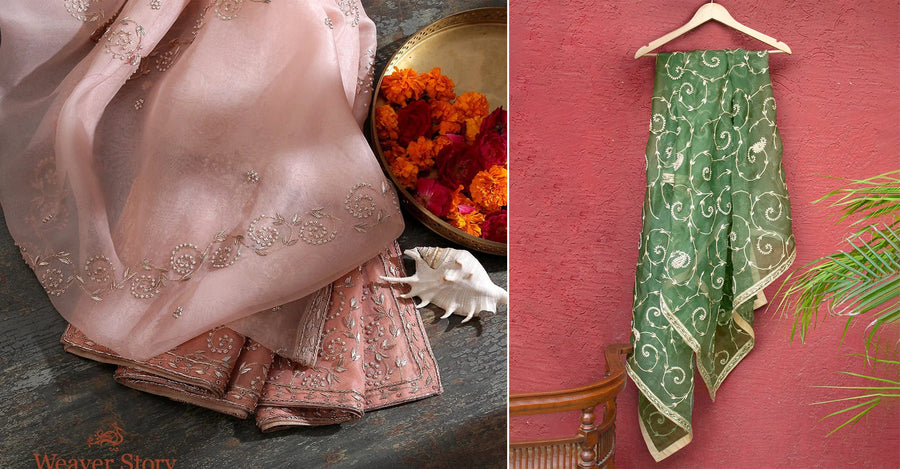
WeaverStory’s current hand-embroidered collection includes several handloom organza styles, including a Red Handloom Organza Dupatta with Hand Embroidered Zardozi Motifs and Handcrafted Kiran, a Purple Hand Embroidered Organza Dupatta with Zardozi Booti, and a Sage Green Handloom Pure Organza Dupatta with Kiran Border.
For shoppers looking for an organza dupatta online, these handcrafted options show how the fabric can be paired with traditional embroidery for a more distinctive festive look.
Cotton Dupatta: Comfortable, Breathable and Versatile
Cotton is one of the most practical choices for everyday dressing. It feels comfortable, works well in warm weather and pairs naturally with casual, traditional and contemporary outfits.
An embroidered cotton dupatta can also elevate a simple kurta set without making the outfit look excessively formal. Cotton-based fabrics are particularly useful when comfort matters as much as appearance.
Is Cotton Good for Summer?
Yes. Cotton is generally a practical warm-weather option because of its breathable and comfortable character. Choose lighter construction and embroidery when you want a relaxed daytime look.
WeaverStory’s current collection includes a Light Gold Handloom Cotton Tissue Dupatta with Gota Booti and Kiran Lace, combining a cotton-tissue base with decorative handwork.
Silk Dupatta: Rich, Luxurious and Traditional
Silk brings depth and richness to an outfit. Its smooth appearance makes it particularly suitable for weddings, formal celebrations and traditional ensembles where the dupatta is expected to contribute to the overall grandeur.
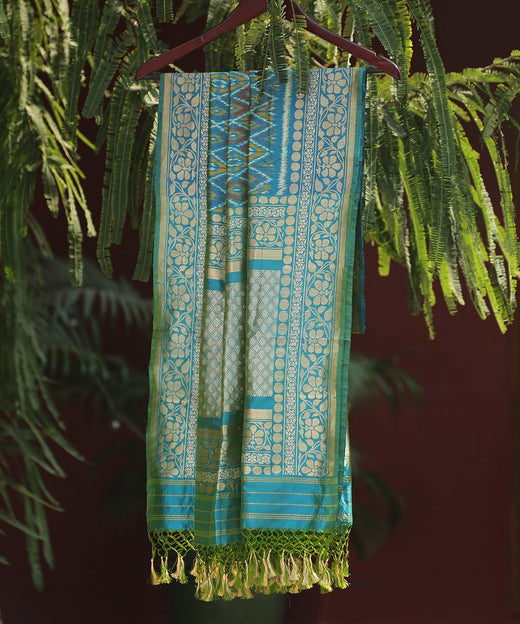
An embroidered silk dupatta can work beautifully with similarly rich garments, but it can also be paired with a simpler outfit to make the dupatta the statement piece.
When Is Silk the Better Choice?
Choose silk when you want:
- A richer, more formal appearance
- Traditional elegance
- A luxurious texture
- A strong option for wedding dressing
- A fabric that complements detailed craftsmanship
WeaverStory’s embroidered dupatta collection includes handloom fabrics such as Organza, Chanderi, Pure Silk, and Tissue, embellished with techniques including Zardozi, Resham, Aari, Mukaish, and Gota work.
Learn, how to take dupatta on lehenga for an elegant and comfortable drape.
Net vs Organza: Which One Should You Choose?
The simplest distinction is softness versus structure.
Choose net when you want a lightweight, sheer, and delicate effect. Choose organza when you want more shape, crispness, and visual definition.
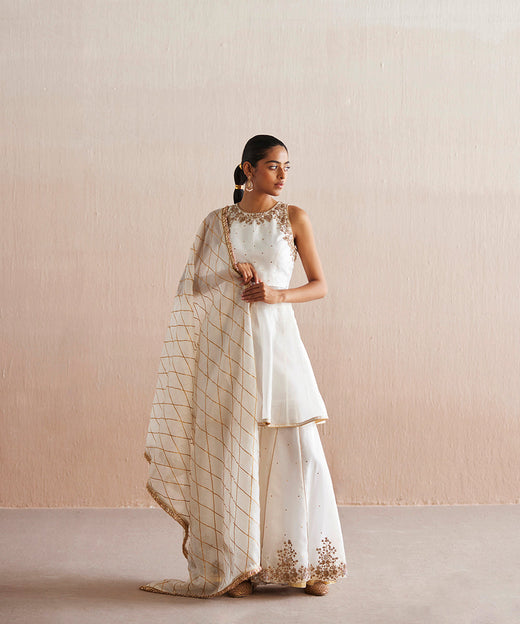
For a heavily embellished outfit, net can provide a softer finishing layer. For a relatively simple suit or lehenga, an embroidered organza dupatta can become the central statement.
Discover, bridal dupatta styles to complete my wedding look.
Cotton vs Silk: Which Dupatta Is Better?
Cotton and silk serve very different purposes.
Choose cotton for:
- Everyday wear
- Warm weather
- Daytime dressing
- Comfort-focused styling
Choose silk for:
- Weddings
- Formal occasions
- Traditional ensembles
- Rich, statement-making looks
The better option depends on whether comfort and breathability or richness and formality matter more for the occasion.
Which Fabric Is Best for Different Occasions?
The best dupatta fabrics can also be selected by occasion:
- Daily wear: Cotton
- Summer celebrations: Cotton or lightweight options
- Festive events: Organza or silk
- Weddings: Organza or silk
- Partywear: Net or organza
- Heavy embroidered outfits: Choose a fabric that balances the outfit rather than adding unnecessary weight
- Minimal outfits: A detailed embroidered organza or silk dupatta can create the focal point
How to Choose the Right Dupatta for Your Outfit
Start with the outfit, not the fabric.
If your suit is heavily embroidered, choose a dupatta that provides balance. If your outfit is simple, you can use a more elaborate embroidered piece to introduce colour, texture and craftsmanship.
Also consider the silhouette. A crisp organza dupatta can add structure to a fluid outfit, while a lighter net or soft fabric can create a more relaxed appearance.
Explore, Banarasi dupatta styles to add a traditional touch to your look.
Hand Embroidery Changes the Character of a Dupatta
Fabric is only one part of the final look. Embroidery can completely change how a dupatta appears.
Traditional techniques such as Zardozi, Resham, Aari, Mukaish, and Gota bring different textures and levels of visual richness. WeaverStory combines these techniques with handloom bases including Organza, Chanderi, Pure Silk and Tissue.
For example, the current collection features a Handloom Pista Chanderi Zardozi Dupatta with Resham and Pearls, while several organza pieces feature Zardozi, Gota and Kiran detailing.
This makes fabric selection important: the base should support the embroidery rather than disappear beneath it.
Discover, georgette dupatta styles for an elegant and lightweight drape.
Why Choose a Hand-Embroidered Dupatta from WeaverStory?
WeaverStory was established on National Handloom Day in 2015 and works with artisans from weaving clusters including Banaras, Chanderi, Maheshwar, Gujarat, Jammu & Kashmir, and Kanchipuram. Its embroidered dupattas combine handloom textiles with traditional embroidery techniques.
The collection currently includes distinctive pieces such as:
- Red Handloom Organza Dupatta with Hand Embroidered Zardozi Motifs and Handcrafted Kiran
- Handloom Yellow Organza Dupatta with Zardozi Work
- Handloom Pista Chanderi Zardozi Dupatta with Resham and Pearls
- Light Gold Handloom Cotton Tissue Dupatta with Gota Booti and Kiran Lace
- Sea Blue Handloom Zardozi Organza Dupatta with Gota Patti Work
- White Handloom Organza Dupatta with Intricate Hand Embroidery Zardozi
These examples show how the fabric, colour, and embroidery technique work together to create very different expressions.
How to Style an Embroidered Dupatta
An embroidered dupatta does not need an equally elaborate outfit.
Try these combinations:
- Pair a detailed dupatta with a solid-coloured kurta set.
- Wear an embroidered organza dupatta with a simple lehenga.
- Use a rich silk or Chanderi style with a traditional festive ensemble.
- Pair a statement dupatta with muted colours for contemporary styling.
- Let the embroidery become the focal point when the rest of the outfit is minimal.
How to Care for Embroidered Dupattas
Always follow the care instructions provided with the individual piece because fabric and embroidery requirements vary.
As a general rule:
- Handle hand embroidery carefully.
- Avoid excessive friction around embellishments.
- Store embellished dupattas neatly.
- Protect delicate embroidery from snagging.
- Follow the recommended cleaning method rather than applying one washing method to every fabric.
Find Your Signature Dupatta at WeaverStory
The best dupatta fabrics are ultimately the ones that make your outfit feel complete while matching the occasion, season, and personal style. From crisp handloom Organza and detailed Zardozi work to Chanderi with Resham and pearls and Cotton Tissue with Gota Booti and Kiran, WeaverStory brings together fabrics and craftsmanship with a distinctly Indian heritage.
Explore the collection to find a handcrafted dupatta that adds more than colour to your outfit; it adds texture, artistry, and a story worth wearing.
Frequently Asked Questions
Q1. How should I choose between net, organza, cotton and silk?
Choose according to the occasion, weather, and desired drape. Net is light and sheer, organza is structured, cotton is comfortable, and silk is rich and formal.
Q2. Can an embroidered cotton dupatta be worn for festive occasions?
Yes. An embroidered cotton or cotton-tissue dupatta can add detail to a festive outfit while retaining a lighter, more comfortable feel.
Q3. Is an organza dupatta suitable for weddings?
Yes. Its crisp drape and elegant appearance make organza particularly suitable for wedding and festive outfits, especially when finished with detailed embroidery.
Q4. Will a net dupatta work with a heavily embroidered suit?
Yes. Its lightweight, sheer appearance can balance a heavily embellished outfit without adding too much visual weight.
Q5. What makes an embroidered silk dupatta different?
Silk has a richer, more luxurious appearance and works especially well for formal, traditional, and wedding dressing.
Q6. Why choose an organza dupatta online?
Shopping online gives you access to a wider range of colours, embroidery styles, and handcrafted designs. Check the fabric, dimensions, craftsmanship and care details before buying.
Q7. Is cotton or silk better for summer?
Cotton is generally the more comfortable choice for warm weather because of its breathable character. Silk is better suited to occasions where richness and formality are the priority.
Q8. How do I style the best dupatta fabrics with a simple outfit?
Use the dupatta as the statement piece. Pair a simple suit with an embroidered organza, silk, or detailed handcrafted style to introduce colour, texture, and visual interest.