Skip to content




The best fabric for saree depends on where and how you plan to wear it. Cotton and linen are ideal for daily wear and summer, silk remains the preferred choice for weddings and celebrations, while organza, chiffon, and georgette offer elegance for parties and special occasions. The right saree fabric balances comfort, drape, climate suitability, and personal style.
If you're wondering which fabric to choose for your next saree, the answer depends on the occasion, season, and comfort you need. The best fabric for saree wear varies from breathable cottons for everyday elegance to luxurious silks for grand celebrations. At WeaverStory, we believe that understanding fabrics helps you invest in sarees that not only look beautiful but also become cherished additions to your wardrobe.
Why Choosing the Right Saree Fabric Matters
What is a saree? A saree is much more than a piece of clothing. Its beauty, comfort, drape, and longevity are determined largely by the fabric from which it is woven. While colours, motifs, and embellishments often attract immediate attention, the fabric remains the foundation of the saree's character.
Choosing the best fabric for saree styling ensures that you feel comfortable throughout the day while maintaining an elegant appearance. Different fabrics behave differently. Some create structured silhouettes, while others flow effortlessly around the body. Some are suitable for humid summers, whereas others are designed for festive occasions and weddings.
- Fabric Determines Comfort: The weight, texture, and breathability of a fabric directly influence comfort. Lightweight fabrics allow easy movement and better air circulation, making them suitable for long hours of wear.
- Fabric Influences Drape: A saree's drape affects how it falls and flatters different body types. Fabrics such as chiffon and georgette create fluid drapes, while silk and organza offer more structure.
- Fabric Affects Durability: High-quality handloom fabrics can last for decades when cared for properly. Many traditional sarees become family heirlooms, passed down through generations.
Which Saree Fabric Is Best? Understanding Your Options
One of the most common questions buyers ask is: which saree fabric is best?
The truth is that there is no single fabric that works for every situation. Instead, the ideal choice depends on your lifestyle, climate, occasion, and personal preference.
For example:
- Cotton excels in comfort and breathability.
- Silk offers timeless luxury.
- Linen provides modern sophistication.
- Organza creates graceful volume.
- Chanderi balances elegance and lightness.
- Georgette and chiffon deliver effortless draping.
Understanding these differences makes it easier to identify the best fabric for saree wear based on your specific needs.
Cotton Sarees – The Everyday Classic
Cotton remains one of India's most loved textile traditions. Known for its breathability and versatility, cotton is often considered the best fabric for saree lovers seeking everyday comfort.
Why Cotton Sarees Are Popular
Cotton fibres allow air circulation and absorb moisture effectively, making them ideal for warm climates.
Best Occasions for Cotton Sarees
- Office wear
- Casual gatherings
- Daily wear
- Summer events
- Travel
Advantages of Cotton Sarees
- Lightweight and breathable
- Comfortable for extended wear
- Easy to maintain
- Suitable for all age groups
Popular Handloom Cotton Varieties
- Jamdani: Celebrated for intricate woven motifs and artistic craftsmanship.
- Bengal Cotton: Known for softness and effortless elegance.
- Maheshwari Cotton: Combines lightweight comfort with distinctive traditional borders.
Silk Sarees – The Epitome of Elegance
For centuries, silk has been associated with luxury, celebration, and heritage. When discussing the best fabric for saree collections for weddings and festive occasions, silk almost always leads the conversation.
Why Silk Stands Apart
Silk offers a rich texture, natural sheen, and remarkable durability. Handwoven silk sarees often carry cultural significance and artisanal value.
Best Occasions for Silk Sarees
- Weddings
- Religious ceremonies
- Festivals
- Formal celebrations
Famous Indian Silk Sarees
- Banarasi Silk: Renowned for intricate zari work and timeless grandeur.
- Kanjivaram Silk: Celebrated for rich colours and enduring craftsmanship.
- Tussar Silk: Valued for its natural texture and understated elegance.
- Patola Silk: Known for its complex double-ikat weaving technique.
Organza Sarees – Light Yet Luxurious
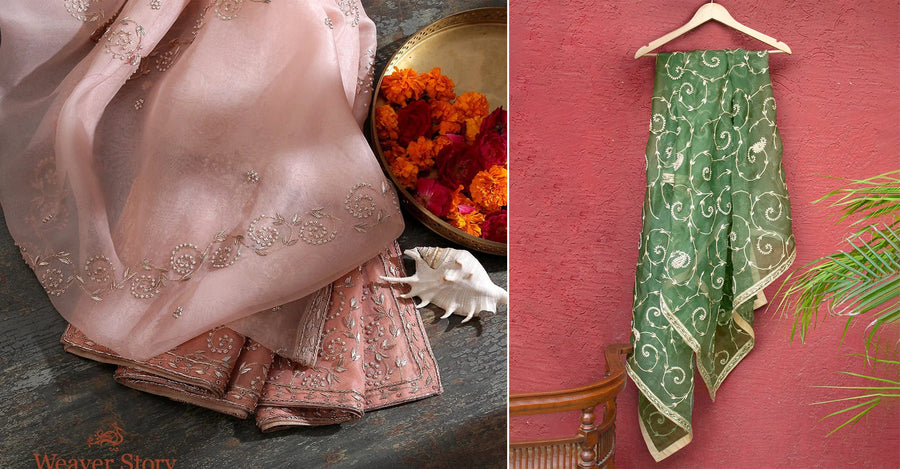
Organza has become increasingly popular among modern saree enthusiasts due to its delicate appearance and structured drape.
Why Women Love Organza
The fabric offers volume without excessive weight, creating a graceful silhouette suitable for contemporary styling.
Best Occasions for Organza Sarees
- Day weddings
- Cocktail events
- Festive celebrations
- Formal gatherings
Pros and Cons
Pros
- Elegant appearance
- Lightweight feel
- Excellent for statement styling
Cons
- Requires careful handling
- Less forgiving than softer fabrics
Chanderi Sarees – Heritage Meets Modern Comfort
Originating from Madhya Pradesh, Chanderi sarees beautifully combine silk and cotton traditions.
Why Chanderi Is Highly Valued
Chanderi fabrics offer transparency, lightweight comfort, and subtle sheen, making them suitable for both formal and semi-formal occasions.
Best Occasions
- Festivals
- Family functions
- Office celebrations
- Daytime events
Many textile experts consider Chanderi among the best fabric for saree choices when elegance and comfort are equally important.
Georgette and Chiffon Sarees – Effortless Grace
Both georgette and chiffon are known for their fluid drapes and feminine appeal.
Georgette
- Slightly textured
- Easy to manage
- Suitable for embellished designs
Chiffon
- Ultra-lightweight
- Soft and airy
- Creates graceful movement
These fabrics are particularly popular among women seeking easy-to-carry sarees for parties and social gatherings.
Linen Sarees – Contemporary Sophistication
Linen has emerged as a favourite among modern professionals and saree enthusiasts.
Why Linen Is Trending
Linen combines comfort, breathability, and refined aesthetics. It performs exceptionally well in warm climates while maintaining a polished appearance.
Best Occasions
- Workwear
- Day events
- Summer celebrations
- Smart casual gatherings
For those prioritising comfort and minimalism, linen can easily qualify as the best fabric for saree styling.
Best Saree Fabrics for Different Occasions
Weddings
- Banarasi Silk
- Kanjivaram Silk
- Patola Silk
Festivals
- Chanderi
- Organza
- Silk Blends
Office Wear
- Cotton
- Linen
- Maheshwari
Summer Events
- Cotton
- Linen
- Chanderi
Evening Functions
- Organza
- Georgette
- Silk
Handloom vs Machine-Made Sarees
When evaluating the best fabric for saree purchases, it is equally important to consider how the fabric is produced.
Handloom sarees are woven by skilled artisans who bring generations of knowledge into every weave. The result is a unique textile with character, authenticity, and cultural value.
Machine-made sarees for women may offer affordability, but they often lack the individuality and craftsmanship that define true handloom creations.
How to Choose the Best Fabric Based on Your Body Type
- Petite Frames: Opt for chiffon, georgette, and lightweight silks.
- Curvy Silhouettes: Choose fabrics that drape naturally, such as georgette and soft silk.
- Tall Frames: Experiment with structured fabrics like organza and Banarasi silk.
- Balanced Styling: Select fabrics that align with both comfort and personal preference rather than following trends alone.
Caring for Different Saree Fabrics
- Cotton: Wash gently and store in a cool, dry place.
- Silk: Prefer professional dry cleaning and avoid prolonged sun exposure.
- Organza: Store carefully to prevent creasing.
- Linenl Iron while slightly damp for best results.
Proper care ensures that even the best fabric for saree collections remain beautiful for years.
Final Thoughts
The answer to which saree fabric is best depends entirely on your needs. Cotton and linen excel in comfort, silk brings unmatched grandeur, while organza, chiffon, and georgette offer versatility for special occasions. The best fabric for saree styling is ultimately the one that complements your lifestyle, occasion, and personal taste while making you feel confident every time you drape it.
Discover Authentic Handloom Sarees at WeaverStory
Every saree tells a story, and at WeaverStory, that story begins with India's master artisans and centuries-old weaving traditions. From heirloom-worthy Banarasi silks and exquisite Kanjivarams to elegant Chanderis, Patolas, and handcrafted treasures, our carefully curated collection celebrates the finest handloom craftsmanship from across India.
Whether you are searching for a wedding masterpiece, a festive statement, or a timeless addition to your wardrobe, WeaverStory offers sarees that combine authenticity, artistry, and enduring elegance.
Explore WeaverStory's handloom saree collection and find a weave that will be cherished for generations.
Frequently Asked Questions
Q1. How do I choose the best saree fabric for daily wear?
Cotton and linen are usually the most comfortable options for everyday use because they are breathable, lightweight, and easy to maintain.
Q2. How can I identify an authentic handloom saree?
Look for irregular weaving characteristics, artisan certifications, GI tags where applicable, and trusted sellers specialising in genuine handloom products.
Q3. Can silk sarees be worn in summer?
Yes. Lightweight silks such as Tussar and certain handwoven silk blends can be comfortable during cooler summer evenings.
Q4. Can organza sarees be worn regularly?
Organza is better suited to occasional wear because it requires careful handling and maintenance.
Q5. Is cotton the best fabric for saree wear in hot weather?
Cotton is widely considered one of the best choices for hot and humid climates due to its breathability and moisture absorption.
Q6. Is a handloom saree worth the investment?
Yes. Handloom sarees offer superior craftsmanship, durability, cultural value, and timeless appeal.
Q7. What saree fabric drapes the best?
Georgette and chiffon are often preferred for their fluid drape and flattering silhouette.
Q8. Why do silk sarees remain popular for weddings?
Silk symbolises luxury, tradition, and celebration. Its rich texture and durability make it a preferred choice for special occasions.