Skip to content




To pick a bridal lehenga dupatta, match its colour, fabric, embroidery and weight with your lehenga, jewellery and wedding setting. Choose a comfortable fabric, consider single or double dupatta styling, check the length and border, and select craftsmanship that complements rather than overwhelms your bridal look.
Choosing a bridal dupatta is about finding the right balance between your lehenga, jewellery, comfort and personal style. How to pick a bridal lehenga dupatta becomes easier when you consider fabric, colour, embroidery, weight and draping together. With the right choice, your dupatta can bring the entire bridal look together—and the details matter more than you might think.
How to Pick a Bridal Lehenga Dupatta
A beautiful dupatta should feel like part of the lehenga, not an afterthought. Before buying one, look at the complete outfit and consider how each element will work together.
Keep these seven factors in mind:
- Lehenga colour and embroidery
- Dupatta fabric
- Embroidery and embellishment
- Weight and comfort
- Dupatta length and border
- Single or double dupatta styling
- Wedding ceremony and draping style
If your lehenga already has heavy embroidery, a refined dupatta can create balance. If the lehenga is comparatively simple, an ornate dupatta can become the statement piece.
Match Your Dupatta With Your Bridal Lehenga
The first rule for choosing a dupatta for lehenga styling is coordination. Your dupatta does not have to be an exact match, but it should share at least one visual element with the lehenga.
Match the Embroidery
Look for complementary embroidery rather than identical patterns. Zardozi, Resham, Aari, Mukaish and Gota work can each create a different mood.
For example, a traditional red lehenga can work beautifully with gold Zardozi, while a pastel outfit may look more balanced with delicate Resham or pearl detailing.
Match or Contrast the Colours?
You have two main options:
- Tonal: Choose a dupatta in a similar shade for a sophisticated, coordinated look.
- Contrasting: Introduce a complementary colour for more visual depth.
- Neutral: Use ivory, gold or another understated shade to soften a heavily decorated lehenga.
The key is proportion. If both the lehenga and dupatta are intensely embellished and colourful, the overall outfit can look crowded.
Choose the Right Fabric for Your Bridal Dupatta
Fabric determines how your dupatta falls, photographs and feels throughout the wedding. It also influences how easy it is to drape.
Organza
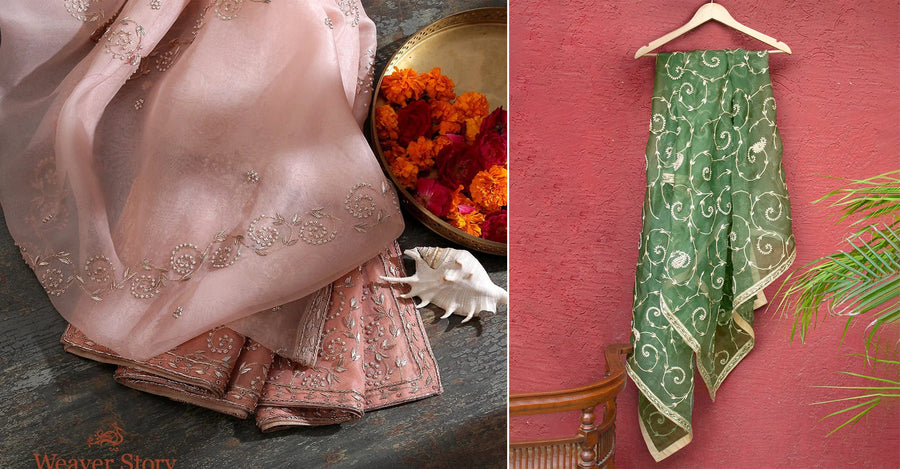
Organza dupatta gives a structured, elegant fall and works particularly well with intricate embroidery. It can create a polished bridal silhouette without looking excessively heavy.
Chanderi
Chanderi brings a lighter, graceful quality to bridal styling. It works especially well when you want traditional craftsmanship with a softer appearance.
Silk
Silk creates a richer, more traditional effect. It pairs naturally with grand bridal lehengas and elaborate jewellery.
Tissue
Tissue has a luminous appearance that suits festive and wedding settings. It can add subtle shine without relying entirely on dense embellishment.
WeaverStory's hand-embroidered collection includes handloom Organza, Chanderi, Pure Silk, and Tissue, combined with techniques such as Zardozi, Resham, Aari, Mukaish, and Gota work.
Decide Between a Heavy Bridal Dupatta and a Lightweight Style
A heavy bridal dupatta can look spectacular, but weight should never be the only measure of bridal grandeur.
Choose heavier embroidery when:
- Your lehenga has a relatively simple design.
- You want a traditional, regal appearance.
- The wedding is an evening or formal ceremony.
- You want the dupatta to be the focal point.
- Your draping style can comfortably support the embellishment.
A lighter dupatta for women may be better for a daytime wedding, an outdoor ceremony, or a bride who wants greater freedom of movement.
Remember that you may wear the dupatta for several hours. A beautiful piece that constantly needs adjusting can become uncomfortable very quickly.
Choose the Right Embroidery for Your Wedding Look
Embroidery adds character to a bridal dupatta, but different techniques create different visual effects.
Zardozi
Zardozi creates a rich, traditional appearance and works particularly well for statement bridal looks.
Gota
Gota detailing gives the dupatta a festive, traditional feel and can work beautifully with colourful lehengas.
Resham
Resham embroidery has a softer, more detailed appearance and works well when you want colour and texture without excessive metallic shine.
Mukaish
Mukaish can introduce a delicate shimmer and is suitable when you want understated glamour.
Aari
Aari work can provide intricate detailing and visual texture, making it suitable for brides who appreciate detailed craftsmanship.
For example, the Red Handloom Organza Dupatta with Hand Embroidered Zardozi Motifs and HandCrafted Kiran creates a traditional statement through red Organza, Zardozi motifs and a handcrafted border.
Discover, georgette dupatta styles for an elegant and lightweight drape.
Choose a Bridal Dupatta Colour That Complements Your Lehenga
Colour can completely change the mood of your bridal outfit.
Traditional Reds and Maroons
Red, maroon and deeper jewel tones create a classic bridal appearance and pair beautifully with gold embroidery.
Pastel Shades
Pista, peach, pink and other soft shades are useful when you want a contemporary bridal look without losing the elegance of traditional craftsmanship.
Contrasting Colours
A contrasting dupatta can add depth to a monochromatic lehenga. For example, a soft green dupatta can introduce freshness to a neutral outfit, while a pink or red piece can add warmth to a lighter lehenga.
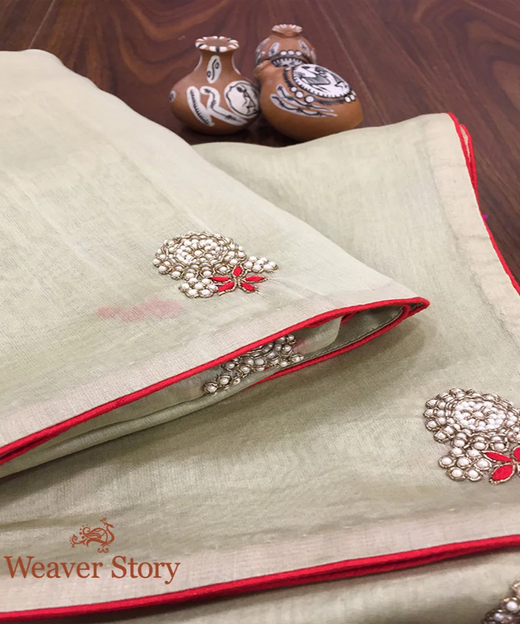
The Handloom Pista Chanderi Zardozi Dupatta with Resham and Pearls is an example of how a softer colour can be paired with detailed embroidery and pearl accents for an elegant bridal or festive aesthetic.
Explore, Banarasi dupatta styles to add a traditional touch to your look.
Decide Between a Single and Double Dupatta
A single dupatta keeps the bridal outfit cleaner and is generally easier to manage. It works especially well when your lehenga, blouse and jewellery already make a strong statement.
A double dupatta can create a more traditional and layered appearance.
You can use:
- One lightweight dupatta over the head.
- One embellished dupatta across the shoulder.
- Two complementary colours.
- Two different fabrics for textural contrast.
When using two dupattas, keep the overall embroidery balanced. One can carry heavier detailing while the other remains relatively understated.
Learn, how to take dupatta on lehenga for an elegant and comfortable drape.
Pick the Right Dupatta Draping Style
Your preferred drape should influence the length, fabric, and embroidery you buy.
Over-the-Head Drape
A classic choice for the wedding ceremony. Choose a fabric that sits comfortably over your head without becoming difficult to manage.
Shoulder Drape
This works well when you want the embroidery and border to remain visible.
Double Dupatta Drape
Ideal for brides who want a layered, traditional appearance. Use different draping positions to keep both dupattas visible.
Front-Pinned Drape
This provides a neat appearance and can be practical when you want your hands and movement to remain relatively free.
Explore, Georgette vs Katan vs Tissue to choose the right Banarasi dupatta for my style.
Bridal Dupatta Buying Checklist
Before purchasing your bridal dupatta online, run through this checklist:
- ☐ Does the colour complement your lehenga?
- ☐ Does the embroidery coordinate with the outfit?
- ☐ Is the fabric suitable for your wedding season?
- ☐ Is the weight comfortable?
- ☐ Is the length appropriate for your preferred drape?
- ☐ Does the border complement your lehenga?
- ☐ Will it work with your jewellery?
- ☐ Does it sit comfortably on your head and shoulders?
- ☐ Can you move, sit, and walk comfortably?
- ☐ Is the craftsmanship appropriate for the occasion?
- ☐ Can you reuse the dupatta with other outfits?
This simple checklist can prevent a common mistake: choosing a beautiful dupatta that looks good in isolation but does not work with the complete bridal outfit.
How to Style a Bridal Dupatta for Different Wedding Ceremonies
The same dupatta can create different looks depending on how you wear it.
Mehendi
Choose brighter colours and lighter fabrics that allow easy movement. A vibrant Organza or Chanderi dupatta can complement the colourful atmosphere without feeling cumbersome.
Haldi
For daytime celebrations, lighter fabrics and fresh shades work particularly well. Yellow, pink, green and pastel tones can create a cheerful look.
Wedding Ceremony
This is where you can embrace richer embroidery, traditional colours and more elaborate draping. Zardozi, Gota and other detailed techniques work naturally with a formal bridal ensemble.
Reception
A contemporary drape can make a heavily embroidered dupatta feel more modern. Let the border or embroidery become the statement while keeping the rest of the styling refined.
How to Buy a Wedding Dupatta Online
Shopping for a wedding dupatta online is convenient, but you should inspect more than the product photograph.
Before placing an order, check:
- Fabric: Confirm the exact fabric rather than relying on appearance.
- Measurements: Make sure the dimensions suit your intended drape.
- Embroidery: Look closely at borders, motifs and detailing.
- Colour: Compare product images carefully because screens can vary.
- Care: Embroidered and delicate fabrics often require careful handling.
- Styling: Think about how the piece will work with your existing wardrobe.
A detailed product description and clear imagery make it easier to understand what you are purchasing.
Why Hand-Embroidered Dupattas Make a Special Bridal Choice
A hand-embroidered dupatta brings craftsmanship into an outfit in a way that mass-produced embellishment cannot easily replicate. Small variations in handmade work are part of its character and give the textile a distinctive identity.
WeaverStory's embroidered dupattas combine handloom fabrics with traditional techniques including Zardozi, Resham, Aari, Mukaish and Gota work. The collection is handcrafted by artisans from weaving clusters including Banaras, Chanderi, Maheshwar, Gujarat, Jammu & Kashmir and Kanchipuram.
That makes craftsmanship an important consideration when choosing a designer dupatta for wedding wear. Instead of selecting an elaborate piece simply because it looks heavily decorated, consider the quality of the fabric, embroidery, border finishing and overall balance.
Explore WeaverStory's Wedding Dupatta Collection
If you want your bridal styling to centre on traditional Indian craftsmanship, explore pieces that bring together handloom fabrics and detailed embroidery.
The Handloom Yellow Organza Dupatta with Zardozi Work can complement bright daytime celebrations, while the Purple Hand Embroidered Organza Dupatta with Zardozi Booti offers a richer, more dramatic colour story. The Red Zardozi Dupatta with Mughal Border brings a traditional, ornate character to a bridal ensemble.
For softer styling, the Handloom Pista Chanderi Zardozi Dupatta with Resham and Pearls offers a more delicate combination of colour, texture and embellishment. Other options, such as the Sea Blue Handloom Zardozi Organza Dupatta with Gota Patti Work and White Handloom Organza Dupatta with Intricate Hand Embroidery Zardozi, provide alternatives for brides moving beyond traditional red.
Together, these choices show how a wedding dupatta collection can include very different expressions of bridal style, from traditional and regal to soft and contemporary.
Final Takeaway
The right dupatta should complete your bridal outfit rather than compete with it. Consider the lehenga first, then balance the colour, fabric, embroidery, weight and drape. Most importantly, choose something you can wear comfortably and confidently throughout the celebration.
Ready to find a dupatta that brings your bridal look together? Explore WeaverStory's hand-embroidered collection for handcrafted Organza, Chanderi, Silk and Tissue dupattas detailed with traditional embroidery and made for occasions worth remembering. Discover a piece that adds more than finishing detail, it adds craftsmanship and character to your wedding ensemble.
Frequently Asked Questions
Q1. How do I pick a bridal lehenga dupatta?
Match the dupatta with your lehenga's colour, fabric and embroidery. Then consider its weight, length, draping style and comfort before buying.
Q2. Can I wear a heavy bridal dupatta with a heavily embroidered lehenga?
Yes, but balance is important. If both pieces are heavily embellished, choose coordinated colours and avoid excessive visual competition between motifs.
Q3. Is Organza suitable for a bridal dupatta?
Yes. Organza offers a structured fall and works particularly well with embroidered bridal styles, especially when you want an elegant rather than overly heavy appearance.
Q4. Will a double dupatta make my bridal outfit look better?
A double dupatta can add dimension and a traditional layered effect, but it is not essential. The best choice depends on your lehenga, draping preference, and comfort.
Q5. What colour dupatta should I choose for a bridal lehenga?
Choose a colour that complements your lehenga and jewellery. Red, maroon and gold offer traditional appeal, while pink, green, peach and pastels create more contemporary combinations.
Q6. Why choose a hand-embroidered bridal dupatta?
Hand embroidery adds craftsmanship, texture and individuality to the piece. Traditional techniques such as Zardozi, Resham and Gota can also give a bridal outfit greater visual depth.
Q7. How can I buy a bridal dupatta online safely?
Check the fabric, measurements, embroidery details, care instructions, and product images before ordering. Choose a retailer that provides clear product information and reliable purchasing options.
Q8. What is the best way to style a dupatta for a lehenga?
Choose the drape according to your outfit and ceremony. An over-the-head drape suits traditional bridal ceremonies, while shoulder or layered drapes can create a more contemporary appearance.