Skip to content




Parsi Gara Saree is a handcrafted heirloom textile celebrated for its intricate embroidery, rich history, and timeless elegance. Originating from cultural exchanges between Persia, China, and India, authentic Parsi Gara embroidery is entirely hand stitched by skilled artisans over several months. Understanding its history, motifs, and craftsmanship makes it easier to identify genuine pieces—and reveals why they continue to be treasured across generations. Read on to discover what makes this extraordinary textile truly unique.
A Parsi Gara Saree is more than a beautiful garment—it is a living testament to centuries of artistic excellence and cultural heritage. At WeaverStory, preserving India's finest handcrafted traditions is at the heart of every collection. In this guide, curated with insights inspired by WeaverStory's appreciation for heritage textiles and authored under the guidance of Nishant Malhotra, you'll discover the fascinating history of Parsi Gara embroidery, learn how authentic pieces are crafted, and understand the key signs that distinguish genuine hand embroidery from imitations.
What Is a Parsi Gara Saree?
The Parsi Gara saree is one of India's most celebrated heritage textiles, admired for its elaborate hand embroidery, elegant motifs, and exceptional craftsmanship. While today it is worn as wedding saree, celebrations, and special occasions, its story began centuries ago through cultural exchanges between the Parsi community and Chinese artisans.
The word "Gara" originally referred to luxurious embroidered silk fabrics that wealthy Parsi merchants brought back from China. Over time, these exquisite textiles evolved into sarees adorned with intricate embroidery, becoming treasured family heirlooms passed from one generation to the next.
Unlike mass-produced garments, every authentic Parsi Gara reflects countless hours of meticulous handwork, making each piece beautifully unique.
The Fascinating History of the Parsi Gara Saree
The history of the Parsi Gara is closely linked to the maritime trade routes connecting Persia, China, and western India during the eighteenth and nineteenth centuries.
As prosperous Parsi traders established commercial relationships with China, they imported embroidered silk textiles featuring graceful birds, blooming flowers, and scenic landscapes. These fabrics quickly became symbols of refinement within the Parsi community.
Eventually, Indian artisans began adapting these artistic influences into sarees for women while preserving the delicate embroidery techniques that made the originals so distinctive. Over generations, the embroidery evolved into an unmistakable textile tradition that blended Persian heritage, Chinese artistry, and Indian craftsmanship.
Today, authentic Parsi Gara embroidery continues to represent cultural continuity, artistic excellence, and timeless sophistication.
Understanding the Art of Hand Embroidery
One of the defining characteristics of a Parsi Gara Saree is the extraordinary amount of skilled craftsmanship invested in every creation.
Unlike machine embroidery that can be completed within hours, authentic Gara embroidery often requires several months of dedicated handwork. Every stitch is carefully executed by experienced artisans who have mastered techniques passed down through generations.
The embroidery is celebrated for its remarkable precision, balanced composition, and extraordinary attention to detail. Rather than simply decorating the fabric, every motif contributes to an artistic narrative that unfolds across the saree.
Luxury fabrics commonly chosen for authentic Gara embroidery include:
- Pure Georgette
- Crepe
- Satin Silk
- Tussar Silk
- Fine Cashmere for shawls and stoles
These premium textiles allow the intricate embroidery to drape beautifully while ensuring the finished piece remains elegant for decades.
Signature Parsi Gara Motifs and Their Symbolism
One of the most captivating aspects of Parsi Gara embroidery is its storytelling through motifs. Every design carries cultural significance while reflecting nature's timeless beauty.
Birds That Represent Grace
Bird motifs remain among the most recognisable features of Gara embroidery.
Popular designs include:
- Peacocks
- Cranes
- Phoenix birds
- Birds of paradise
These graceful creatures symbolise prosperity, harmony, longevity, and happiness.
Blooming Floral Gardens
Floral embroidery is equally iconic.
Common floral elements include:
- Lotus
- Chrysanthemums
- Roses
- Blossoming vines
These motifs create flowing compositions that resemble flourishing gardens stitched entirely by hand.
Nature-Inspired Landscapes
Traditional Gara embroidery also incorporates scenic landscapes featuring trees, winding branches, delicate foliage, and ornamental patterns inspired by Chinese decorative art.
Together, these intricate details transform each saree into a wearable work of art.
How to Identify Authentic Hand Embroidery
As appreciation for heritage textiles grows, machine-made reproductions have become increasingly common. Understanding a few essential characteristics can help you identify genuine craftsmanship.
Examine the Reverse Side
The reverse side often reveals the true nature of the embroidery.
Authentic hand embroidery displays individual thread movements and natural variations rather than perfectly uniform machine stitching. Although beautifully finished, the back will reflect the artisan's hand rather than industrial precision.
Observe the Stitch Density
Hand embroidery demonstrates exceptional consistency without appearing mechanically identical.
Look for:
- Fine detailing
- Layered thread work
- Smooth transitions between motifs
- Intricate filling techniques
These subtle characteristics are difficult for machine embroidery to replicate convincingly.
Assess the Fabric Quality
Authentic artisans generally select premium natural fabrics capable of supporting dense embroidery without compromising the drape.
High-quality Georgette, Satin Silk, Crepe, and Tussar Silk remain preferred choices for heirloom-quality creations.
Study the Motifs Carefully
Original Gara embroidery is celebrated for balanced storytelling rather than repetitive decorative patterns.
Every bird, flower, vine, and landscape flows naturally into the overall composition, demonstrating thoughtful artistic planning instead of simple repetition.
Understand the Investment
A genuine Parsi Gara Saree represents months of highly specialised craftsmanship.
Rather than viewing it as an ordinary purchase, collectors often consider authentic Gara embroidery an investment in heritage, artistry, and sustainable luxury. The value reflects the remarkable skill, patience, and tradition preserved within every handcrafted piece.
Hand Embroidered vs. Machine Embroidered Parsi Gara
While machine embroidery has made intricate designs more accessible, it cannot replicate the artistry and character of authentic handwork. Knowing the differences helps you make an informed purchase and appreciate the value of a genuine Parsi Gara Saree.
Hand Embroidered Parsi Gara
- Crafted entirely by skilled artisans using traditional techniques.
- Takes several months to complete, depending on the complexity of the design.
- Every stitch reflects the artisan's expertise, resulting in subtle variations that make each saree one of a kind.
- Intricate motifs flow naturally across the fabric, creating depth and movement.
- Designed to become an heirloom that can be treasured for generations.
Machine Embroidered Parsi Gara
- Produced using automated embroidery machines.
- Completed in significantly less time.
- Stitch patterns are highly uniform and repetitive.
- Suitable for fashion wear but lack the heritage value and individuality of handcrafted embroidery.
- Generally more affordable due to lower production time and labour.
For collectors and lovers of traditional textiles, handcrafted embroidery offers unmatched artistry, authenticity, and long-term value.
Why Authentic Parsi Gara Sarees Are Treasured as Heirlooms
An authentic Parsi Gara Saree is much more than festive attire—it is a piece of living heritage.
Families often preserve these sarees for decades, passing them from mothers to daughters as cherished heirlooms. Their timeless appeal lies in the combination of artistic excellence, cultural significance, and enduring craftsmanship.
In an era of fast fashion, handcrafted Gara embroidery also represents a conscious choice. Every piece celebrates slow craftsmanship, supports skilled artisans, and honours traditions that have flourished for centuries.
The enduring beauty of these textiles ensures they remain relevant across generations, making them as meaningful today as they were in the past.
Caring for Your Parsi Gara Saree
Proper care ensures that your heirloom remains beautiful for years to come.
Store It Carefully
Fold the saree neatly with a soft muslin cloth between the folds to minimise stress on the embroidery. Store it in a cool, dry place away from direct sunlight.
Prefer Professional Cleaning
Because of the delicate hand embroidery and premium fabrics, dry cleaning by experienced professionals is recommended.
Refold Periodically
Refolding the saree every few months helps prevent permanent creases and reduces pressure on heavily embroidered sections.
Handle with Care
Avoid hanging heavily embroidered sarees for extended periods, as the weight of the embroidery may strain the fabric over time.
Discover WeaverStory's Enchanted Garden Collection
For those who appreciate authentic craftsmanship, WeaverStory's Enchanted Garden Collection beautifully celebrates the timeless artistry of Parsi Gara embroidery.
Inspired by flourishing gardens, graceful birds, and heritage motifs, the collection features exquisitely handcrafted:
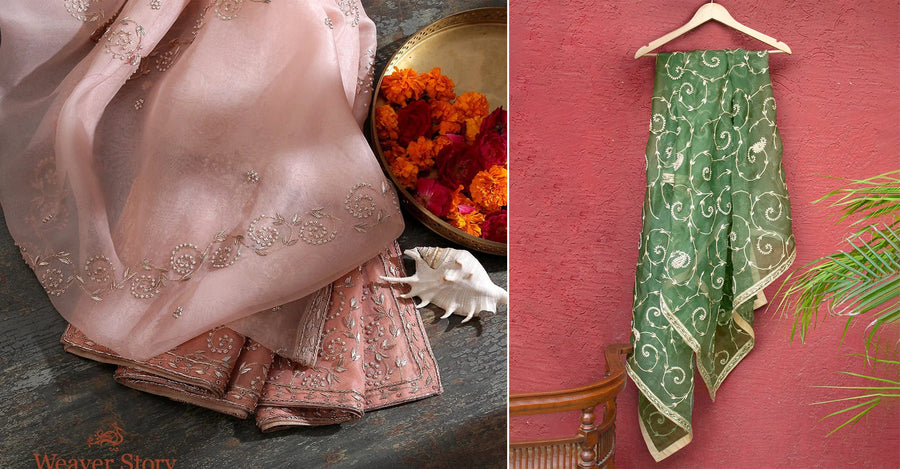
- Hand-embroidered Parsi Gara Sarees
- Elegant Dupattas
- Luxurious Shawls
- Sophisticated Stoles
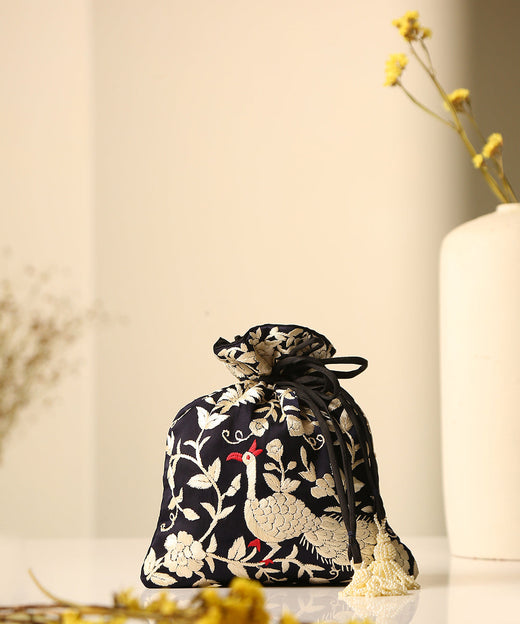
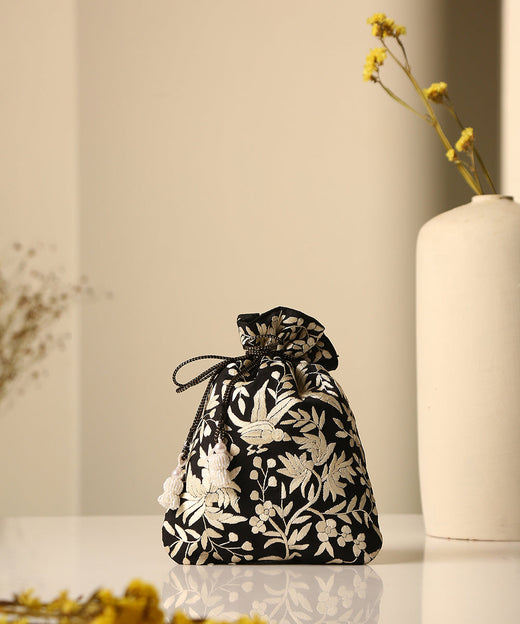
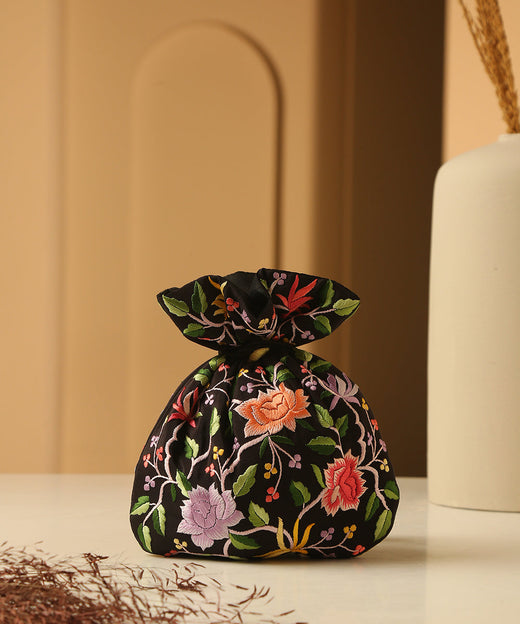
- Beautifully embroidered Potlis
Each creation is thoughtfully crafted on premium fabrics such as Georgette, Crepe, Satin Silk, Tussar Silk, and Cashmere, reflecting WeaverStory's commitment to preserving India's rich textile traditions.
Curated under the editorial direction of Nishant Malhotra, WeaverStory continues to celebrate India's finest artisanal heritage while connecting discerning buyers with exceptional handcrafted creations that honour centuries-old craftsmanship.
Conclusion
The Parsi Gara Saree remains one of India's most extraordinary textile traditions, blending history, artistry, and craftsmanship into a timeless masterpiece. From its fascinating origins along ancient trade routes to its intricate hand embroidery and symbolic motifs, every authentic Gara reflects months of dedication by skilled artisans.
Understanding how to identify genuine hand embroidery not only helps you make informed choices but also deepens your appreciation for the remarkable heritage behind every stitch. Whether worn as saree for wedding, festive occasions, or preserved as a family heirloom, these handcrafted treasures continue to celebrate elegance that never goes out of style.
Discover Authentic Handcrafted Parsi Gara at WeaverStory
If you're looking to own an heirloom that celebrates India's finest embroidery traditions, explore WeaverStory's Enchanted Garden Collection. Featuring meticulously hand-embroidered Parsi Gara sarees, dupattas, shawls, stoles, and potlis crafted by master artisans, every piece reflects exceptional craftsmanship, luxurious fabrics, and timeless design. Whether you're searching for a statement bridal ensemble or a collectible work of wearable art, WeaverStory offers creations designed to be cherished for generations while preserving the legacy of authentic Indian hand embroidery.
Frequently Asked Questions
Q1. How can I identify an authentic Parsi Gara saree?
Look for intricate hand embroidery, premium natural fabrics, balanced motifs, and subtle variations in stitching. The reverse side of authentic embroidery usually reveals hand-executed threadwork rather than perfectly uniform machine stitches.
Q2. How long does it take to embroider a Parsi Gara saree?
Depending on the complexity of the design, authentic hand embroidery may take several months to complete, as every motif is carefully stitched by skilled artisans.
Q3. Can Parsi Gara sarees be worn for weddings?
Yes. Their timeless elegance and intricate craftsmanship make them an excellent choice for weddings, receptions, festive celebrations, and other special occasions.
Q4. Is every Parsi Gara saree handmade?
No. While traditional Gara sarees are hand embroidered, many contemporary versions use machine embroidery. Understanding the craftsmanship helps distinguish authentic heirloom pieces from mass-produced alternatives.
Q5. Is a Parsi Gara saree worth investing in?
Yes. Authentic handcrafted Gara sarees are valued for their artistry, heritage, durability, and timeless appeal, making them treasured heirlooms that often remain in families for generations.
Q6. Will a Parsi Gara saree remain fashionable over time?
Yes. Its classic embroidery, elegant motifs, and heritage craftsmanship have made it a timeless textile that continues to be admired across generations and changing fashion trends.
Q7. What fabrics are commonly used for authentic Parsi Gara embroidery?
Authentic embroidery is commonly crafted on luxurious fabrics such as Georgette, Crepe, Satin Silk, Tussar Silk, and Cashmere for shawls and stoles.
Q8. Why are authentic Parsi Gara sarees expensive?
The value reflects months of skilled hand embroidery, premium fabrics, intricate craftsmanship, and the preservation of a centuries-old textile tradition. Every authentic piece represents exceptional artisanal expertise and enduring heritage.