Skip to content




An authentic pashmina shawl is handcrafted from the ultra-fine wool of Changthangi goats native to the Himalayas. Unlike imitations, genuine Pashmina is exceptionally soft, lightweight, breathable, and naturally warm. Understanding the difference between real pashmina vs fake helps you choose a timeless heirloom crafted with centuries-old artistry.
Owning a pashmina shawl authentic to its Himalayan roots means investing in heritage, craftsmanship, and unmatched quality. Knowing how to distinguish real pashmina vs fake ensures you choose a shawl that will last for generations. Read on to discover the fascinating story behind Pashmina, and why WeaverStory's handcrafted collection celebrates this enduring legacy.
What Is an Authentic Pashmina Shawl?
An authentic Pashmina shawl is woven from the rare undercoat of the Changthangi goat, which lives in the high-altitude regions of Ladakh. These goats develop incredibly fine fibres to survive harsh winters, producing one of the softest natural fibres in the world.
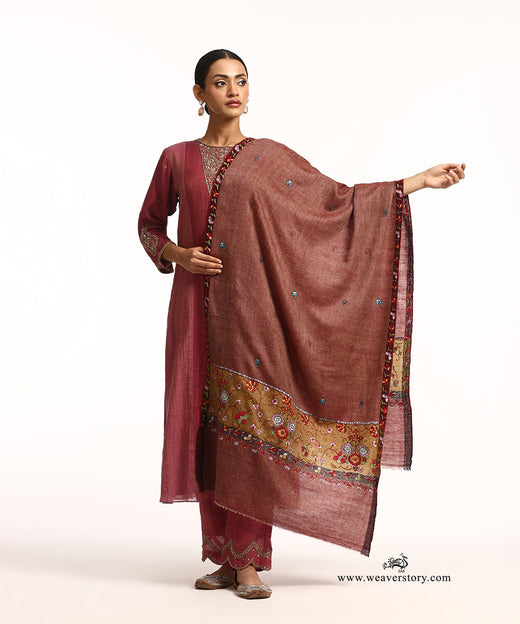
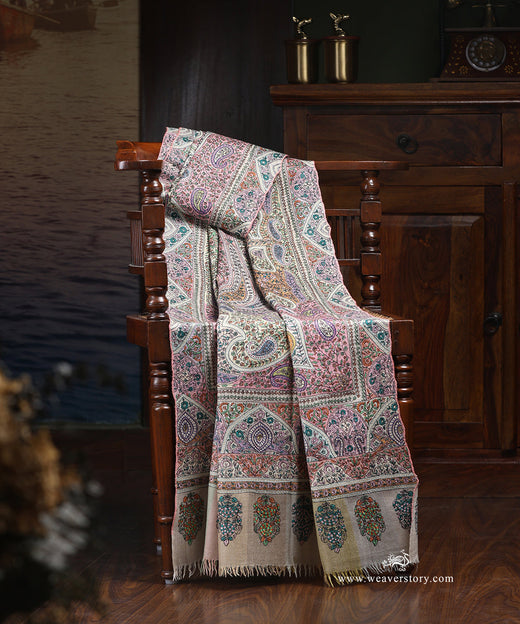
Unlike mass-produced wool blends labelled as "Pashmina," every pashmina shawl authentic in origin is created through skilled handcrafting. The fibre is hand-spun, handwoven, and often adorned with intricate embroidery by artisans from Jammu & Kashmir, preserving traditions passed down through generations.
The result is a shawl that feels feather-light yet remarkably warm, making it a treasured accessory and family heirloom, want to explore more about what is pashmina shawl explore this.
The Rich History Behind Pashmina Shawls
The story of Pashmina dates back several centuries and is deeply intertwined with the cultural heritage of Kashmir. During the Mughal era, emperors admired Pashmina for its luxurious feel and exceptional craftsmanship. It soon became a symbol of prestige among royalty across Asia and Europe.
Every shawl reflected months of painstaking work by master artisans who specialised in spinning, weaving, and embroidery. Today, these traditional techniques continue to define the identity of a pashmina shawl for women authentic to Kashmir's rich textile heritage.
Owning genuine Pashmina is about appreciating centuries of artistry rather than simply wearing a winter accessory.
How an Authentic Pashmina Shawl Is Made
Creating a genuine Pashmina shawl is a meticulous process that cannot be rushed.
Ethical Fibre Collection
The fine undercoat naturally sheds each spring and is carefully collected without harming the animals.
Hand Spinning
Experienced women artisans spin the delicate fibres into fine yarn using traditional techniques that require exceptional skill.
Hand Weaving
The yarn is woven on traditional wooden looms, producing a lightweight fabric with subtle irregularities that highlight its handmade character.
Hand Embroidery
Many shawls are enhanced with exquisite embroidery styles such as Sozni, adding remarkable detail and artistic value.
Each stage contributes to the exclusivity and beauty of a pashmina shawl authentic to its origins.
Explore this also if you want to know more about from which pashmina shawl is made from
Real Pashmina vs Fake: Understanding the Difference
|
Authentic Pashmina |
Fake Pashmina |
|
Made from Changthangi goat fibre |
Usually viscose, acrylic or blended wool |
|
Entirely handwoven |
Often machine-made |
|
Lightweight yet naturally warm |
Heavier or excessively smooth |
|
Breathable and temperature regulating |
Less breathable |
|
Slight handmade irregularities |
Uniform machine finish |
|
Durable with proper care |
Lower longevity |
|
Higher craftsmanship value |
Mass-produced |
Understanding real pashmina vs fake helps buyers avoid misleading labels and invest in genuine craftsmanship instead of synthetic substitutes.
10 Ways to Identify an Authentic Pashmina Shawl
1. Feel the Texture
Authentic Pashmina feels incredibly soft without being unnaturally silky. It develops even more softness with use.
2. Examine the Weave
Handwoven shawls display slight variations that reveal the artisan's craftsmanship.
3. Check the Fibre Source
Look for information confirming the fibre comes from Changthangi goats.
4. Inspect the Embroidery
Hand embroidery shows tiny natural inconsistencies that machine embroidery cannot replicate.
5. Test the Warmth
Despite its light weight, genuine Pashmina provides exceptional insulation.
6. Verify Certification
Trusted sellers often provide authenticity details and information about the shawl's origin.
7. Consider the Price
A pashmina shawl authentic in fibre and craftsmanship requires months of skilled work and naturally commands a premium price.
8. Buy from Reputable Brands
Established brands that work directly with artisans provide greater transparency.
9. Learn the Story
Knowing where and how your shawl was made adds confidence to your purchase.
10. Avoid Unrealistic Claims
If a product claims "100% Pashmina" at an unusually low price, it is worth questioning its authenticity.
Check out this pashmina shawls are made in
Common Myths About Pashmina
Many misconceptions make it difficult for buyers to identify genuine Pashmina.
- Every soft shawl is not Pashmina.
- The ring test alone does not confirm authenticity.
- Expensive doesn't always mean genuine.
- Machine-made products cannot replicate traditional handwoven Pashmina.
-
Cashmere and Pashmina are related but not identical in craftsmanship and heritage.
Understanding these myths makes comparing real pashmina vs fake much easier.
Why Authentic Pashmina Costs More
Several factors contribute to its premium value:
- Rare Himalayan fibre
- Limited annual wool collection
- Hand spinning
- Traditional weaving
- Skilled embroidery
- Months of craftsmanship
- Generations of artisan expertise
Rather than being a fashion trend, authentic Pashmina represents sustainable luxury that retains its beauty for decades.
How to Care for Your Authentic Pashmina Shawl
Proper care helps preserve its softness and longevity.
- Dry clean or gently hand wash only when necessary.
- Fold neatly instead of hanging.
- Store in a breathable cotton bag.
- Keep away from prolonged moisture.
- Protect from moths using natural repellents like cedar or lavender.
With proper care, a pashmina shawl authentic in quality can remain beautiful for generations.
Discover WeaverStory's Handcrafted Pashmina Collection
At WeaverStory, every Pashmina reflects India's extraordinary weaving traditions and the artistry of skilled craftsmen from Jammu & Kashmir. The collection celebrates timeless elegance through ethically handcrafted shawls that combine heritage with contemporary style.
Explore exquisite designs such as the Fuchsia Handwoven Pure Pashmina Shawl with Floral Bunches on the Pallu, the Handwoven Black Pure Pashmina Shawl with Soznikari Work, and the Beige and Maroon Handwoven Pure Pashmina Stole with Hand Embroidery for classic sophistication.
If you prefer modern patterns, the Blue and Brown Checkered Pure Pashmina Shawl with Ikat Weaving, Multicoloured Pure Pashmina Shawl with Ikat Weaving and Stripes, and Grey Handwoven Pure Pashmina Shawl with Ikat Weaving beautifully blend traditional craftsmanship with contemporary aesthetics.
Whether you're building a timeless wardrobe or searching for a meaningful gift, WeaverStory offers a carefully curated collection where every pashmina shawl authentic in craftsmanship tells a unique story.
Experience the Timeless Beauty of WeaverStory Pashmina
A genuine Pashmina is more than a luxurious accessory, it's a celebration of India's rich textile heritage, artisan craftsmanship, and enduring elegance. By understanding the difference between real pashmina vs fake, you can invest with confidence in a piece that offers lasting beauty and cultural significance.
Explore WeaverStory's handcrafted Pure Pashmina collection and discover shawls thoughtfully created by master artisans, where every weave reflects authenticity, tradition, and timeless sophistication.
Frequently Asked Questions
Q1. How can I identify a genuine Pashmina shawl?
Check the fibre source, handwoven texture, warmth, craftsmanship, and purchase from a trusted seller that provides authenticity information.
Q2. How long does it take to make an authentic Pashmina shawl?
Depending on the weaving and embroidery, it can take several weeks to several months to complete.
Q3. Can Pashmina be worn throughout the year?
Yes. Its natural breathability makes it suitable for cool evenings as well as winter layering.
Q4. Can an authentic Pashmina be machine washed?
No. Gentle hand washing or professional dry cleaning is recommended to preserve the delicate fibres.
Q5. Is every soft shawl made from Pashmina?
No. Many soft shawls use wool, viscose, or synthetic blends that only imitate the feel of Pashmina.
Q6. Will an authentic Pashmina last for many years?
Yes. With proper care, genuine Pashmina can remain beautiful and wearable for decades.
Q7. What makes authentic Pashmina different from ordinary wool?
Authentic Pashmina uses ultra-fine Changthangi goat fibre that is softer, lighter, warmer, and more breathable than ordinary wool.
Q8. Why is authentic Pashmina so expensive?
Its rarity, handcrafting process, skilled artisan work, and limited fibre availability make genuine Pashmina one of the world's finest luxury textiles.