Skip to content




Silk vs Cotton Saree is ultimately a choice between elegance and everyday comfort. Silk sarees are ideal for weddings, festive occasions, and heirloom collections because of their rich texture and luxurious appeal, while cotton sarees are breathable, lightweight, and perfect for daily wear. The right choice depends on your lifestyle, budget, climate, and the occasions you dress for. Read on to discover which fabric suits you best.
Choosing between a Silk vs Cotton Saree can feel challenging because both fabrics have a timeless place in every Indian wardrobe. At WeaverStory, where authentic handwoven sarees celebrate India's rich textile heritage, understanding the qualities of each weave helps you invest in a saree you'll truly love. This expert guide, curated with insights from Nishant Malhotra, explores every important factor to help you decide with confidence.
Understanding Silk Sarees
Silk sarees have long been associated with luxury, tradition, and celebration. Woven from natural silk fibres, they are admired for their lustrous finish, graceful drape, and exceptional craftsmanship. Many families treasure pure silk sarees as heirlooms that are passed down through generations, making them much more than festive attire.
Beyond their visual appeal, silk sarees represent India's rich weaving traditions. Every weave tells a story of skilled artisans, regional craftsmanship, and centuries-old techniques that continue to thrive today.
At WeaverStory, you can explore beautifully handcrafted collections including:
-
Heritage Silk Sarees
-
Patola Sarees
-
Tussar Silk Sarees
-
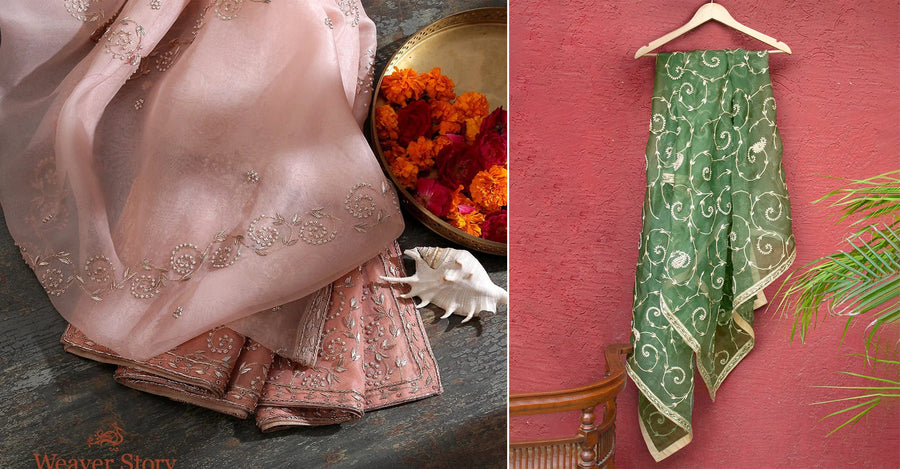
Organza Silk Sarees
Each collection reflects authentic craftsmanship and celebrates India's diverse textile legacy.
Why Cotton Sarees Remain an Everyday Favourite
Cotton sarees have earned their reputation through comfort, simplicity, and versatility. Made from breathable natural fibres, they allow excellent air circulation, making them especially suitable for India's warm and humid climate.
Whether you're heading to work, attending a casual gathering, or travelling, cotton sarees provide effortless elegance without feeling heavy. Their lightweight texture and easy maintenance make them a practical addition to any wardrobe.
Popular handwoven cotton styles include:
-
Jamdani Sarees
-
Bengal Cotton Sarees
-
Linen Cotton Sarees
-
Traditional Handwoven Cotton Sarees
These sarees beautifully combine heritage weaving with modern comfort.
Silk vs Cotton Saree: A Complete Comparison
|
Feature |
Silk Saree |
Cotton Saree |
|
Appearance |
Rich, glossy and luxurious |
Soft, elegant and understated |
|
Comfort |
Comfortable in cooler weather |
Extremely breathable |
|
Weight |
Slightly heavier |
Lightweight |
|
Best For |
Weddings, celebrations |
Daily wear, office, travel |
|
Maintenance |
Requires delicate care |
Easy to wash and maintain |
|
Durability |
Long-lasting with proper care |
Durable for frequent use |
|
Investment |
Premium purchase |
Budget-friendly |
|
Climate |
Mild and festive seasons |
Summer and humid weather |
When comparing Silk vs Cotton Saree, neither is universally better. The ideal option depends on how, when, and where you plan to wear it.
Which Saree Should You Wear for Different Occasions?
Weddings and Bridal Celebrations
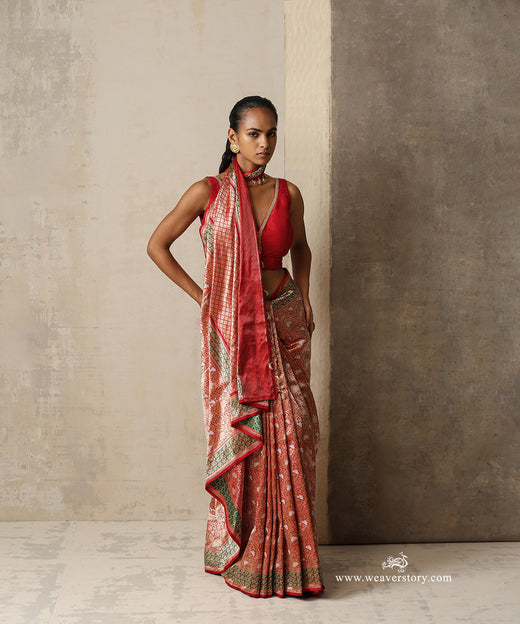
Silk sarees remain the preferred choice for weddings because of their regal appearance and intricate weaving. Banarasi, Kanjivaram, and Patola sarees instantly elevate any festive look while carrying cultural significance.
Festivals
Religious ceremonies and festive gatherings often call for silk sarees with traditional motifs, zari work, and vibrant colours that beautifully complement the celebratory atmosphere.
Office Wear
Cotton sarees are a practical choice for professionals. They offer sophistication without compromising comfort, making them suitable for long working hours.
Casual Outings
For lunches, family visits, or informal events, lightweight cotton sarees create a graceful yet relaxed look that's easy to style.
Summer Travel
Cotton and linen-cotton sarees are excellent travel companions thanks to their breathable fabric and ease of wear, especially during warmer months.
Comfort Matters More Than You Think
Comfort often becomes the deciding factor when choosing between a Silk vs Cotton Saree.
Cotton naturally absorbs moisture and allows your skin to breathe, making it ideal for hot climates. If you spend long hours outdoors or wear sarees regularly, cotton provides unmatched ease.
Silk, on the other hand, feels luxurious against the skin and drapes beautifully, making it perfect for shorter occasions where elegance takes priority. During cooler evenings or indoor celebrations, silk offers both comfort and sophistication.
Styling and Fashion Appeal
Both fabrics offer endless styling possibilities.
Silk sarees pair beautifully with traditional jewellery, embroidered blouses, temple jewellery, and classic accessories. Their natural sheen creates an effortlessly regal appearance.
Cotton sarees, meanwhile, embrace understated elegance. They work wonderfully with handcrafted jewellery, contemporary blouses, oxidised accessories, and minimalist styling, making them equally fashionable in today's wardrobes.
The beauty of Silk vs Cotton Saree lies in how each fabric expresses a different mood rather than competing with one another.
Durability and Maintenance
Proper care significantly extends the life of any saree.
Silk sarees should generally be dry cleaned and stored carefully in breathable fabric covers. Periodic airing helps preserve their natural sheen and prevents damage over time.
Cotton sarees require far less maintenance. Most can be gently hand washed, making them suitable for regular use. Their durability and ease of care make them especially practical for busy lifestyles.
Investing a little time in proper storage ensures both fabrics remain beautiful for years.
Price and Long-Term Value
Silk sarees generally command higher prices because producing natural silk involves specialised weaving techniques, premium raw materials, and skilled artisan craftsmanship. Authentic handwoven silk often becomes a cherished heirloom with lasting sentimental and cultural value.
Cotton sarees are comparatively more affordable while still offering excellent quality and durability. They allow you to build a versatile wardrobe suitable for everyday wear without compromising on elegance.
Rather than focusing only on price, consider how often you'll wear the saree and the occasions it will serve.
Celebrating Sustainable Craftsmanship
Choosing authentic handwoven sarees also supports India's traditional weaving communities. Every handcrafted saree represents countless hours of artistry, preserving techniques that have been passed down through generations.
At WeaverStory, this commitment to authentic craftsmanship remains central to every collection. By working closely with skilled artisans across renowned weaving clusters, the brand helps keep India's textile heritage alive while offering beautifully crafted sarees for modern wardrobes.
As textile enthusiast Nishant Malhotra often highlights, informed buying isn't just about fashion—it's also about appreciating the people and craftsmanship behind every weave.
How to Choose the Right Saree for Your Lifestyle
Ask yourself a few simple questions before making your decision:
-
Will you wear the saree regularly or only occasionally?
-
Do you need something suitable for warm weather?
-
Are you shopping for a wedding or everyday wardrobe?
-
How much maintenance are you comfortable with?
-
Do you prefer timeless luxury or practical versatility?
If your wardrobe needs a statement piece for celebrations, silk is a wonderful investment. If daily comfort and effortless elegance are your priorities, cotton remains an excellent choice.
Ultimately, Silk vs Cotton Saree isn't about finding a winner—it's about selecting the fabric that best complements your lifestyle.
Discover Authentic Handwoven Sarees at WeaverStory
Whether you're drawn to the luxurious beauty of Banarasi and Kanjivaram silk or the effortless charm of Jamdani, Maheshwari, and handwoven cotton sarees, WeaverStory offers thoughtfully curated collections that honour India's extraordinary textile traditions.
Every saree reflects authentic craftsmanship, timeless design, and the artistry of skilled weavers. Explore WeaverStory's handcrafted collections to find a saree that perfectly matches your personality, occasion, and style while supporting the preservation of India's rich handloom heritage.
Frequently Asked Questions
Q1. How do I choose between a silk saree and a cotton saree?
Choose silk for weddings, festivals, and special occasions, while cotton is ideal for everyday wear, office use, and warm climates.
Q2. Can cotton sarees be worn for festive occasions?
Yes. Premium handwoven cotton sarees with elegant borders and intricate weaving are suitable for many festive celebrations and cultural events.
Q3. Is silk better than cotton for weddings?
Silk is generally preferred for weddings because of its luxurious appearance, rich drape, and traditional significance.
Q4. Will a silk saree last longer than a cotton saree?
With proper care and storage, both fabrics can last for many years. High-quality silk often becomes an heirloom piece.
Q5. What is the biggest difference in Silk vs Cotton Saree?
The biggest difference is their purpose. Silk offers grandeur and luxury, while cotton focuses on comfort, breathability, and everyday practicality.
Q6. What weather is best for wearing cotton sarees?
Cotton sarees are best suited for summer and humid weather because they are lightweight and highly breathable.
Q7. Why are handwoven silk sarees more expensive?
Their price reflects premium natural fibres, intricate weaving techniques, artisan expertise, and the time required to create each handcrafted piece.
Q8. Why should I invest in authentic handwoven sarees?
Authentic handwoven sarees offer superior craftsmanship, lasting quality, unique designs, and help preserve India's centuries-old weaving traditions while supporting artisan communities.