Skip to content




The most popular types of saree fabric include silk, cotton, linen, chiffon, georgette, organza, crepe, satin, tissue silk, and khadi. Each fabric offers a unique combination of drape, comfort, texture, and elegance. The right choice depends on the occasion, climate, personal style, and the level of maintenance you're comfortable with.
Understanding the types of saree fabric is essential when selecting a saree for women that complements your style, comfort, and occasion. From luxurious silks to breathable cottons, every fabric tells a different story. At WeaverStory, where India's finest handloom traditions are celebrated, choosing the right fabric is as important as choosing the right design.
Why Understanding Saree Fabrics Matters
A saree's beauty extends far beyond its colour or embellishments. The fabric determines how it drapes, feels against the skin, and performs throughout the day.
Fabric Influences Drape and Comfort
Some fabrics create structured silhouettes, while others flow effortlessly. Silk and organza offer volume and grandeur, whereas chiffon and georgette provide a softer, more fluid appearance.
Fabric Determines Occasion Suitability
The ideal saree for a wedding differs greatly from one worn to the office or a casual gathering. Understanding the types of saree fabric helps ensure your outfit feels appropriate and comfortable.
Fabric Impacts Longevity and Maintenance
Certain fabrics require specialised care, while others are easy to maintain. Knowing this before purchasing helps you make a practical and informed investment.
Types of Saree Fabric and Their Unique Characteristics
India's textile heritage has produced an extraordinary range of saree materials. Let's explore the most popular options.
Silk Sarees – The Timeless Classic
Silk remains one of the most cherished saree fabrics in India. Known for its natural sheen, luxurious texture, and enduring elegance, silk is often associated with weddings, celebrations, and heirloom collections.
Best for:
- Weddings
- Festive occasions
- Traditional ceremonies
Popular varieties:
- Banarasi Silk
- Kanjivaram Silk
- Tussar Silk
- Raw Silk
Cotton Sarees – Everyday Elegance
Cotton sarees are celebrated for their comfort and breathability. They are particularly suited to warm climates and daily wear.
Best for:
- Office wear
- Daily wear
- Summer events
Why women love them:
- Lightweight
- Skin-friendly
- Easy to carry throughout the day
Linen Sarees – Modern Sophistication
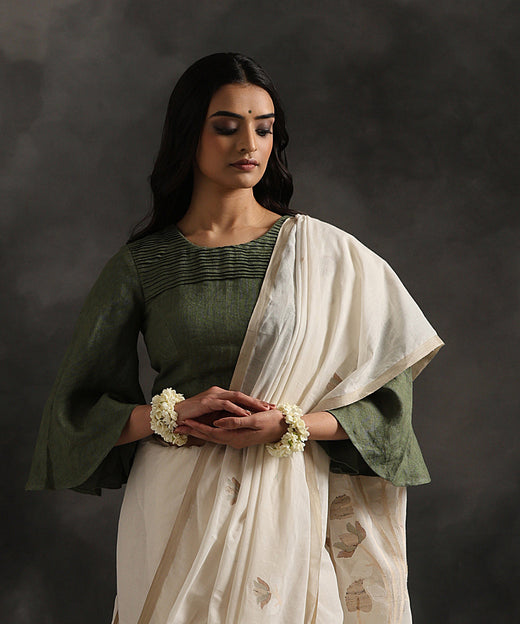
Linen sarees have gained immense popularity among contemporary saree enthusiasts. They combine comfort with understated elegance.
Best for:
- Professional settings
- Daytime events
- Minimalist styling
Chanderi Sarees – Lightweight Luxury
Originating from Madhya Pradesh, Chanderi sarees are admired for their sheer texture and subtle sheen.
Best for:
- Festive occasions
- Cultural events
- Elegant daytime functions
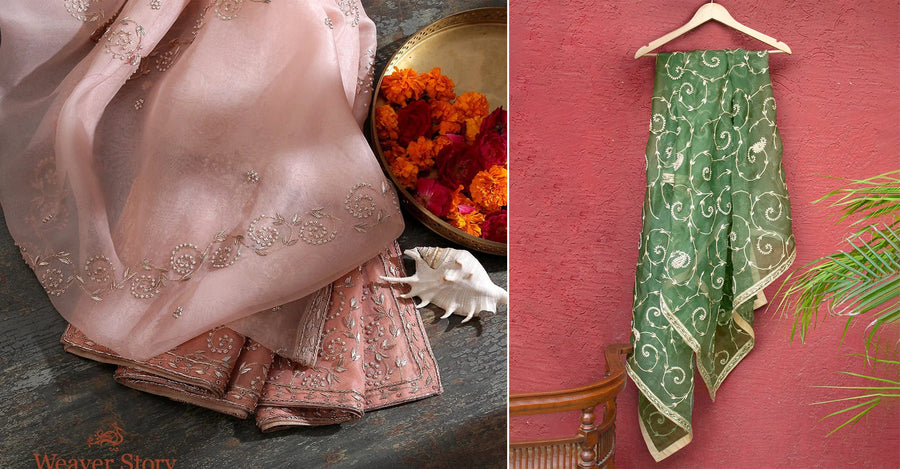
Organza Sarees – Structured Grace
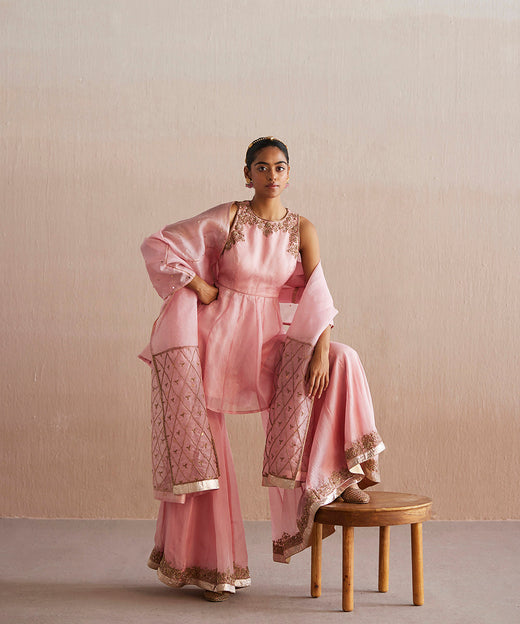
Organza creates a crisp and sophisticated silhouette. Its lightweight transparency adds an ethereal charm.
Best for:
- Cocktail functions
- Festive gatherings
- Contemporary celebrations
Georgette Sarees – Fluid and Versatile
Georgette is loved for its graceful drape and versatility. It flatters a wide range of body types and works well across occasions.
Best for:
- Parties
- Semi-formal events
- Evening wear
Chiffon Sarees – Effortless Elegance
Soft, airy, and lightweight, chiffon sarees are easy to wear and style.
Best for:
- Travel
- Casual celebrations
- Daytime occasions
Crepe Sarees – Refined Glamour
Crepe fabrics feature a textured surface that creates beautiful movement and draping.
Best for:
- Formal dinners
- Modern festive wear
- Social gatherings
Satin Sarees – Luxurious Shine
Satin sarees are known for their smooth finish and glamorous appeal.
Best for:
- Evening functions
- Receptions
- Formal celebrations
Tissue Sarees – Festive Brilliance
Tissue sarees blend silk with metallic threads to create a luminous effect.
Best for:
- Weddings
- Grand festivities
- Traditional occasions
Tussar Silk Sarees – Natural Beauty
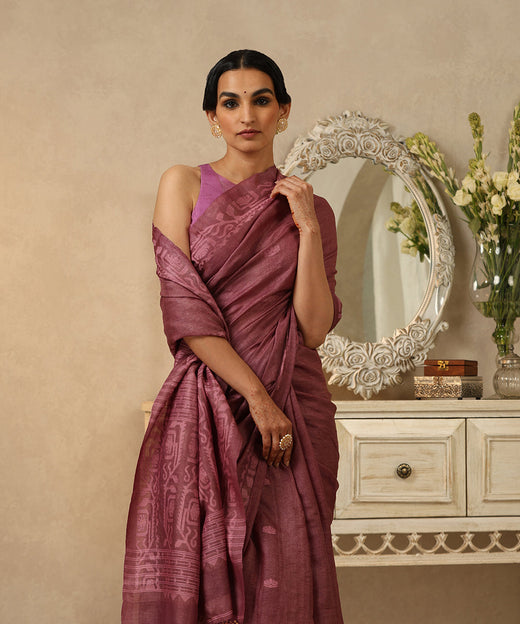
Tussar silk showcases a distinctive texture and earthy appeal that reflects traditional craftsmanship.
Best for:
- Art-inspired styling
- Festive occasions
- Heritage collections
Khadi Sarees – Sustainable Heritage
Handspun and handwoven, khadi sarees embody India's artisanal traditions while supporting sustainable fashion.
Best for:
- Conscious consumers
- Everyday elegance
- Cultural events
The diversity within the types of saree fabric available today ensures there is a perfect choice for every preference and occasion.
Popular Handloom Saree Fabrics Across India
India's weaving traditions have created some of the world's most celebrated textiles.
- Banarasi Silk: Woven in Varanasi, Banarasi sarees are renowned for intricate zari work and regal appeal.
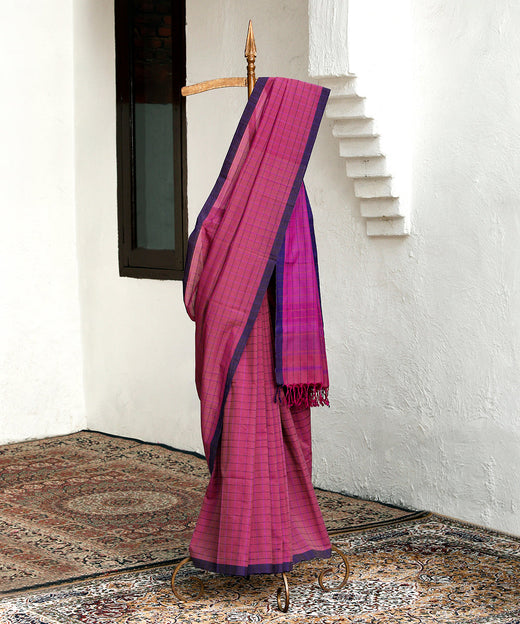
- Kanjivaram Silk: Originating in Tamil Nadu, Kanjivaram sarees are known for rich silk and contrasting borders.
- Patola: These exquisite double-ikat sarees from Gujarat represent one of India's most sophisticated weaving traditions.
- Ikat: Ikat weaving creates striking patterns through a unique dyeing process applied before weaving.
- Chanderi: A blend of elegance and lightweight comfort, Chanderi remains a favourite for festive dressing.
- Maheshwari: Known for geometric motifs and lightweight construction, Maheshwari sarees are versatile and graceful.
- Parsi Gara: These heritage sarees feature intricate embroidery inspired by Persian and Chinese influences.
- Jamdani: Celebrated for their delicate motifs woven directly into the fabric, Jamdani sarees are masterpieces of craftsmanship.
Natural vs Synthetic Saree Fabrics
Understanding the difference between natural and synthetic materials can simplify your buying decision.
Natural Fabrics
Natural fabrics include:
- Silk
- Cotton
- Linen
- Khadi
Advantages:
- Breathable
- Comfortable
- Sustainable
- Long-lasting
Synthetic Fabrics
Synthetic options include:
- Georgette
- Chiffon
- Satin
- Blended fabrics
Advantages:
- Affordable
- Lightweight
- Easy maintenance
- Wrinkle-resistant
When comparing the various types of saree fabric, natural materials often offer superior comfort, while synthetic options provide convenience and affordability.
How to Choose the Right Saree Fabric for Every Occasion
Weddings and Bridal Wear
Choose:
- Banarasi Silk
- Kanjivaram Silk
- Tissue Silk
These fabrics provide grandeur, structure, and timeless elegance.
Festive Celebrations
Choose:
- Organza
- Chanderi
- Tussar Silk
They strike the perfect balance between sophistication and comfort.
Office and Formal Wear
Choose:
- Cotton
- Linen
- Maheshwari
These fabrics project professionalism while remaining comfortable.
Casual and Everyday Wear
Choose:
- Cotton
- Khadi
- Lightweight handloom weaves
They are practical, breathable, and easy to maintain.
Selecting among different types of saree fabric becomes much easier when you consider the occasion first.
How to Identify Authentic Handloom Saree Fabrics
Authenticity matters, especially when investing in handcrafted textiles.
Look for Natural Irregularities
Minor variations often indicate handwoven craftsmanship rather than machine production.
Examine the Reverse Side
Handloom sarees typically display weaving details that differ from mass-produced alternatives.
Understand the Weaving Process
Learning about regional weaving traditions helps you identify genuine craftsmanship.
Buy From Trusted Specialists
Established handloom curators ensure transparency and authenticity.
Understanding authentic types of saree fabric allows buyers to appreciate the skill and heritage behind every weave.
Caring for Different Types of Saree Fabric
Silk Saree Care
- Dry clean when necessary
- Store in muslin cloth
- Avoid prolonged exposure to sunlight
Cotton Saree Care
- Gentle washing is often sufficient
- Iron while slightly damp
- Store neatly folded
Organza and Tissue Care
- Handle carefully
- Avoid sharp accessories
- Store flat whenever possible
Long-Term Storage Tips
- Refold sarees periodically
- Use breathable storage materials
- Keep away from moisture
Proper care preserves the beauty of all types of saree fabric for years to come.
Final Thoughts
The world of sarees is as diverse as India's textile heritage itself. Understanding the various types of saree fabric helps you choose garments that align with your lifestyle, comfort preferences, and occasions. Whether you prefer the grandeur of silk, the simplicity of cotton, or the contemporary appeal of organza, each fabric brings its own character and charm.
Discover Authentic Handloom Sarees at WeaverStory
Every handloom saree carries the story of a skilled artisan, a weaving tradition, and a rich cultural legacy. At WeaverStory, we celebrate these traditions through a carefully curated collection of India's finest handcrafted sarees.
From heirloom-worthy Banarasi silks and exquisite Kanjivarams to elegant Chanderis, Ikats, Patolas, Jamdanis, and contemporary handloom treasures, our collection showcases exceptional craftsmanship from across the country.
Explore WeaverStory's handloom saree collection and find a weave that reflects your personal style while honouring India's extraordinary textile heritage.
Frequently Asked Questions
Q1. How do I choose the best saree fabric for my body type?
Lightweight fabrics like chiffon and georgette create fluid silhouettes, while structured fabrics such as silk and organza provide shape and definition.
Q2. How can I identify an authentic handloom saree?
Look for slight irregularities in weaving, examine the reverse side, and purchase from trusted handloom specialists who provide information about the weaving tradition.
Q3. Can cotton sarees be worn for festive occasions?
Yes. Premium handwoven cotton sarees with intricate borders and artisanal detailing are suitable for festive and cultural celebrations.
Q4. Can beginners easily drape all types of saree fabric?
Some fabrics are easier to manage than others. Cotton, georgette, and crepe are often considered beginner-friendly options.
Q5. Is silk still the most popular saree fabric for weddings?
Yes. Silk remains one of the most preferred choices for bridal and wedding wear due to its elegance, durability, and cultural significance.
Q6. Will handloom sarees last longer than machine-made sarees?
When cared for properly, authentic handloom sarees often offer excellent longevity and can be treasured across generations.
Q7. What are the most popular types of saree fabric in India?
Silk, cotton, linen, organza, chiffon, georgette, tissue silk, khadi, and Tussar silk are among the most sought-after options.
Q8. Why are handloom sarees considered valuable?
Handloom sarees represent exceptional craftsmanship, cultural heritage, sustainable production, and the artistry of skilled weavers.