Skip to content




Banarasi silk fabric with silver zari is prized for its intricate handwoven metallic patterns that enhance the beauty, texture, and heritage of a Banarasi saree. Understanding the zari work meaning reveals how fine silver or gold-coated threads are woven, not embroidered, into silk, creating luxurious textiles that have symbolized Indian craftsmanship for centuries.
The brilliance of a Banarasi saree lies in its banarasi silk fabric with silver zari, where skilled artisans weave shimmering metallic threads into pure silk to create timeless masterpieces. Understanding the zari work meaning helps you appreciate why these fabrics remain treasured heirlooms. At WeaverStory, you'll find authentic handwoven Banarasi textiles that celebrate this remarkable legacy. But what truly makes zari so extraordinary?
What Is Zari Work? Understanding the Meaning Behind the Golden Threads
The zari work meaning goes far beyond decorative embellishment. Zari refers to metallic threads, traditionally crafted from pure silver and sometimes coated with gold, that are woven directly into silk fabric. Unlike embroidery added after weaving, zari becomes an integral part of the textile, resulting in patterns that are durable, refined, and exceptionally elegant.
Historically, zari symbolized prosperity, royalty, and exceptional craftsmanship. Today, it continues to define the luxurious appeal of Banarasi textiles while preserving centuries-old weaving traditions.
The Rich Heritage of Zari in Banaras
The history of zari weaving dates back several centuries, flourishing under royal patronage during the Mughal era. Banaras became renowned for its master weavers, who perfected techniques that combined luxurious silk with precious metallic threads.
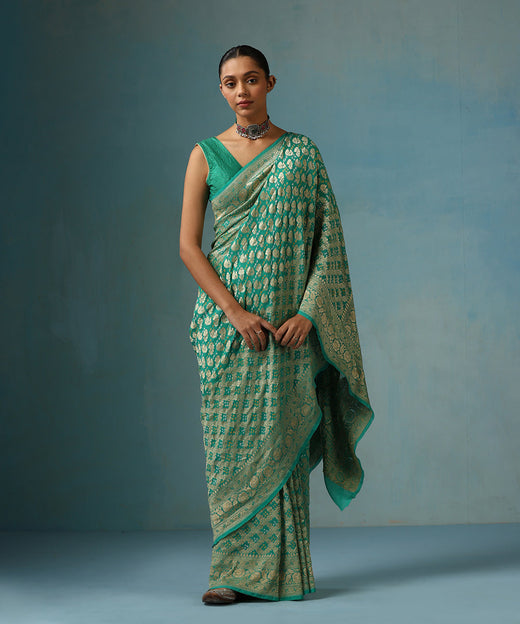
Over generations, these artisans transformed weaving into an art form. Their intricate floral vines, paisleys, butis, jaals, and geometric motifs became hallmarks of Banarasi textiles admired across the world.
Even today, every authentic Banarasi weave reflects this rich cultural heritage and the dedication of skilled craftspeople who preserve these traditional techniques.
What Makes Banarasi Silk Fabric with Silver Zari So Special?
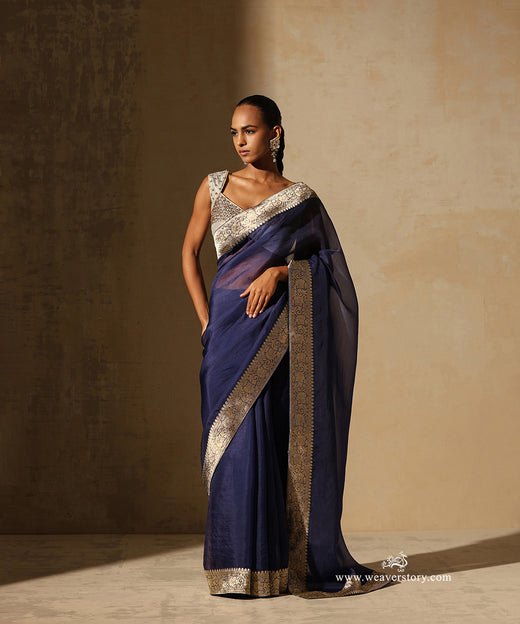
One of the defining features of banarasi silk fabric with silver zari is its understated elegance. Silver zari produces a luminous finish that complements both traditional and contemporary designs, making it incredibly versatile.
Unlike brighter gold tones, silver zari offers a softer sheen that pairs beautifully with pastel shades, jewel tones, and modern bridal palettes. It adds sophistication without overpowering the silk's natural beauty.
The popularity of banarasi silk fabric with silver zari has grown among designers who appreciate its ability to create luxurious garments suitable for weddings, festive occasions, and couture fashion.
Silver Zari vs. Gold Zari
While both are admired for their beauty, each creates a distinct aesthetic.
- Silver zari offers subtle brilliance and modern elegance.
- Gold zari creates a richer, regal appearance associated with traditional bridal attire.
Both require exceptional craftsmanship, but the choice often depends on personal style and the occasion.
How Silver and Gold Threads Are Woven into Banarasi Silk
Creating a Banarasi textile begins long before weaving starts.
Designers first develop intricate motifs inspired by nature, architecture, and Indian heritage. Silk yarns are carefully prepared before metallic zari threads are introduced onto traditional handlooms.
Master weavers then interlace silk and zari simultaneously, ensuring every motif remains crisp, balanced, and symmetrical. Depending on the complexity, a single fabric may require several weeks, or even months, to complete.
This meticulous process is what gives banarasi silk fabric with silver zari its remarkable richness, texture, and lasting beauty.
Popular Zari Weaving Techniques
Banarasi textiles are admired because artisans continue to preserve several sophisticated weaving methods.
Kadhwa Weaving
Every motif is woven individually instead of being repeated mechanically. This labor-intensive technique produces intricate patterns with exceptional durability and clarity.
Cutwork
A more efficient technique where selected floats are cut after weaving, allowing elaborate motifs to be produced while maintaining elegance.
Jangla
Recognizable for sprawling floral vines that gracefully spread across the fabric, Jangla showcases remarkable artistic detail.
Tanchoi
Although primarily silk-based, Tanchoi weaving is often enhanced with delicate zari accents that create refined textures.
Meenakari
Colored silk threads are combined with zari to produce vibrant floral motifs and exquisite ornamental detailing.
Types of Zari Used Today
Understanding different types of zari helps buyers appreciate craftsmanship and quality.
- Pure Silver Zari – Crafted using genuine silver for exceptional brilliance.
- Gold-Plated Silver Zari – Silver threads coated with gold for luxurious finishes.
- Tested Zari – Uses metallic alternatives while maintaining traditional aesthetics.
- Contemporary Metallic Zari – Modern materials offering durability and affordability.
Each type serves different design preferences while preserving the visual richness associated with Banarasi textiles.
How to Identify Authentic Banarasi Silk Fabric with Silver Zari
Choosing genuine handloom fabric requires careful observation.
Look for:
- Intricate handwoven motifs
- Slight natural weaving variations
- Smooth yet rich silk texture
- Neat reverse-side weaving
- Crisp motif definition
-
Fine metallic sheen instead of artificial sparkle
Authentic banarasi silk fabric with silver zari reflects countless hours of skilled craftsmanship rather than mass production.
Caring for Banarasi Silk with Zari
Proper care ensures your fabric retains its elegance for decades.
- Always dry clean after use.
- Store wrapped in soft muslin cloth.
- Avoid prolonged exposure to sunlight.
- Refold periodically to prevent permanent creases.
- Keep away from moisture and perfumes.
- Handle metallic borders gently.
These simple practices help preserve both the silk and its delicate zari threads.
Discover Authentic Handwoven Banarasi Fabrics at WeaverStory
For those who value authentic craftsmanship, WeaverStory celebrates India's weaving traditions through carefully curated handloom saree collections sourced from skilled artisans.
Whether you're searching for banarasi silk fabric with silver zari for bespoke bridal wear or timeless festive ensembles, the collection showcases exceptional artistry and enduring elegance.
Explore beautifully handcrafted collections including:
- Banarasi Silk Fabric with Silver Zari
- Traditional Handloom Banarasi Silk Fabric
- Bridal Handloom Banarasi Silk Fabric
- Handloom Banarasi Soft Silk Fabric
- Blue Handloom Katan Silk Banarasi Fabric
- White Handloom Banarasi Silk Fabric
- Black Handloom Banarasi Silk Fabric
- Red Handloom Banarasi Silk Fabric
- Pink Handloom Banarasi Silk Fabric
- Green Handloom Banarasi Silk Fabric
- Yellow Handloom Banarasi Silk Fabric
- Banarasi Silk Fabric for Wedding
Each collection reflects the artistry of master weavers while preserving the heritage that makes Banaras one of India's most celebrated weaving traditions.
Why Banarasi Silk with Zari Remains Timeless
Fashion trends evolve, but handcrafted textiles continue to hold enduring value.
The enduring appeal of banarasi silk fabric with silver zari lies in its perfect balance of artistry, heritage, and versatility. It effortlessly transitions from bridal couture to festive attire and even contemporary designer creations.
Understanding the zari work meaning allows us to appreciate not only the beauty of these fabrics but also the generations of artisans whose skills continue to keep this remarkable tradition alive.
Celebrate Timeless Handloom Craftsmanship with WeaverStory
Every woven motif carries the story of skilled artisans, centuries of tradition, and extraordinary craftsmanship. If you're looking for authentic banarasi silk fabric with silver zari, discover WeaverStory's thoughtfully curated collections of handwoven Banarasi fabrics. From elegant silver zari weaves to bridal masterpieces and classic Katan silk fabrics, every creation is designed to preserve India's rich textile heritage while inspiring contemporary craftsmanship. Explore WeaverStory's collections and experience the beauty of authentic Banarasi artistry woven into every thread.
Frequently Asked Questions
Q1. How is zari woven into Banarasi silk?
Zari threads are woven directly into the silk fabric during the handloom weaving process rather than embroidered afterward.
Q2. How can I identify genuine Banarasi silk fabric with silver zari?
Look for handwoven motifs, fine reverse weaving, rich silk texture, slight natural irregularities, and authentic metallic shine.
Q3. Can silver zari be worn for weddings?
Yes. Silver zari is increasingly popular for bridal wear because of its refined elegance and versatility.
Q4. Can Banarasi zari fabrics last for generations?
Yes. With proper care and storage, authentic Banarasi fabrics often become cherished heirlooms passed down through families.
Q5. Is zari made from real silver?
Traditional zari is crafted from genuine silver, sometimes finished with gold plating, although modern alternatives also exist.
Q6. Will silver zari tarnish over time?
Natural silver may develop a slight patina over many years, but proper storage and professional care help preserve its brilliance.
Q7. What is the meaning of zari work?
The zari work meaning refers to weaving metallic threads, traditionally silver or gold, into fabric to create luxurious decorative patterns.
Q8. Why is Banarasi silk fabric with silver zari so valuable?
Its value comes from handcrafted weaving techniques, premium silk, intricate artistry, and the centuries-old heritage preserved by skilled Banarasi artisans.