 Skip to content


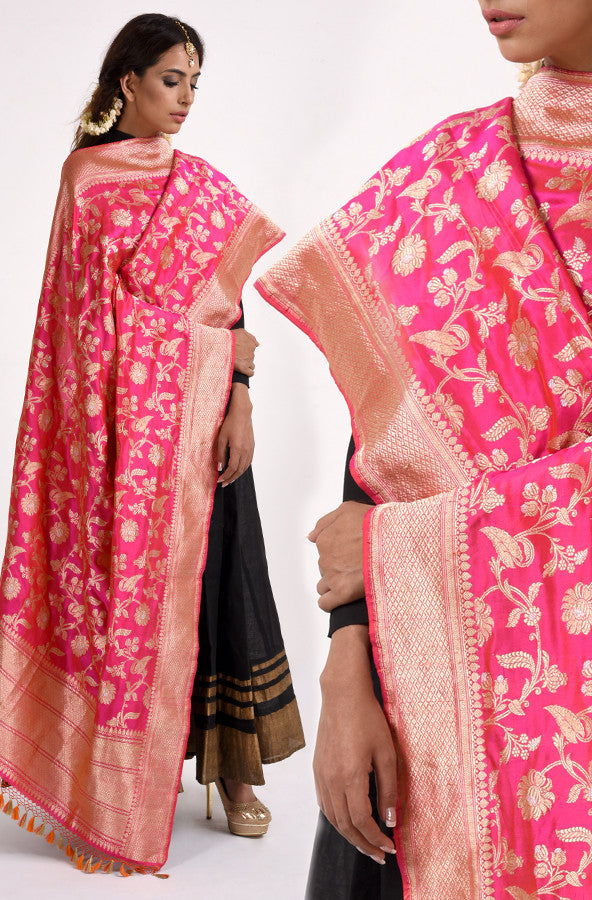
Collection: Weaves of Blessings: Handwoven Bridal Dupattas
-
Red Handloom Pure Organza Dupatta With Hand Embroidered Zardozi Border

 Red Handloom Pure Organza Dupatta With Ha... Red Handloom Pure Organza Dupatta With Hand Embroidered Zardozi Border
- Regular price
-
₹ 43,497 - Regular price
-
₹ 57,995 - Sale price
-
₹ 43,497
-
Mulled Wine Handloom Pure Organza Dupatta With Hand Embroidered Zardozi Borders And Boota

 Mulled Wine Handloom Pure Organza Dupatta... Mulled Wine Handloom Pure Organza Dupatta With Hand Embroidered Zardozi Borders And Boota
- Regular price
-
₹ 39,747 - Regular price
-
₹ 52,995 - Sale price
-
₹ 39,747
-
Magenta Organza Dupatta With Hand Embroury

 Magenta Organza Dupatta With Hand Embroury Magenta Organza Dupatta With Hand Embroury
- Regular price
-
₹ 19,497 - Regular price
-
₹ 25,995 - Sale price
-
₹ 19,497
-
Black Handloom Organza Dupatta With Allover Zardozi Motifs

 Black Handloom Organza Dupatta With Allov... Black Handloom Organza Dupatta With Allover Zardozi Motifs
- Regular price
-
₹ 16,497 - Regular price
-
₹ 21,995 - Sale price
-
₹ 16,497
-
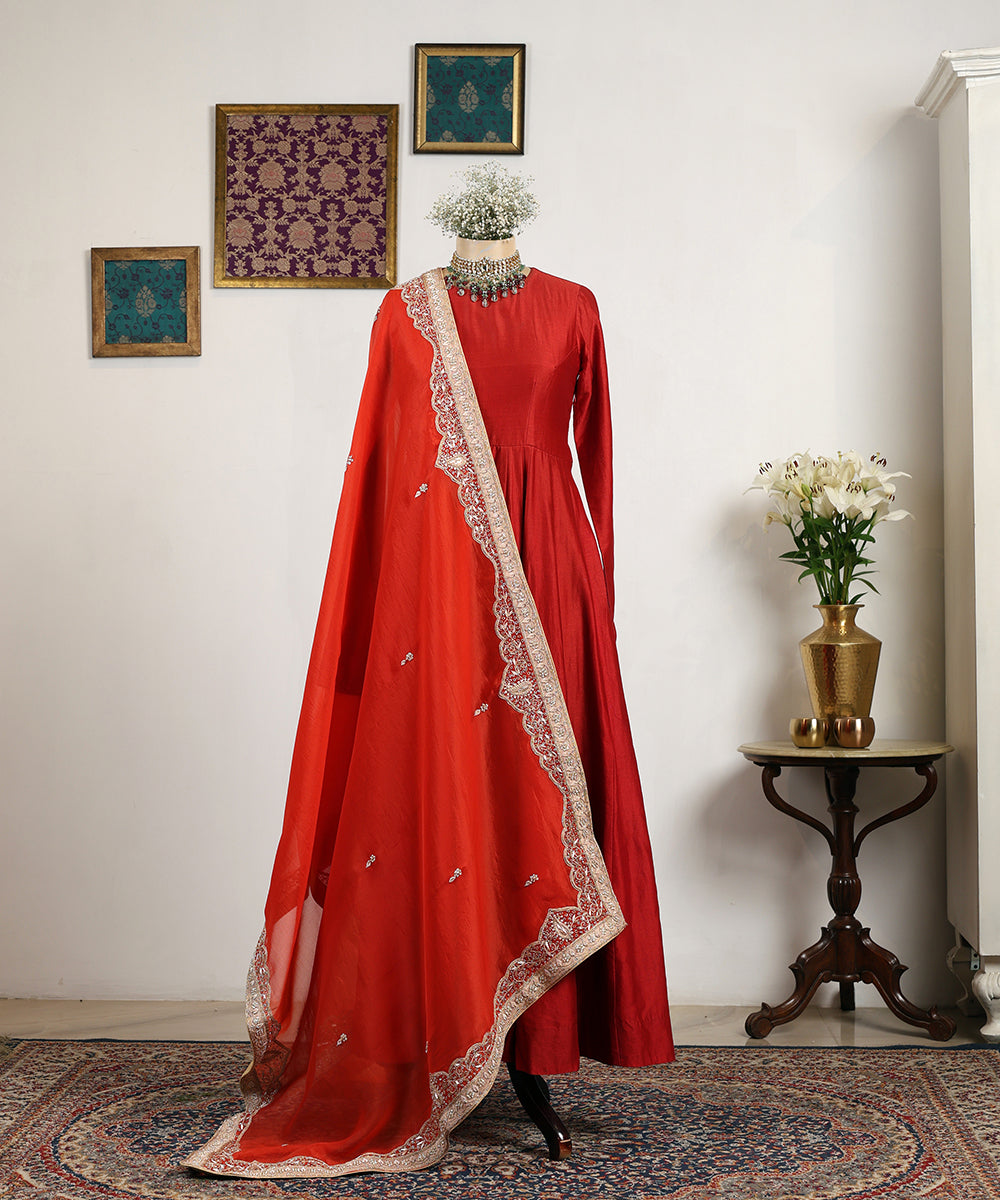
Hand Embroidered Red Organza Dupatta With Floral Motifs And Bel Design On Corners

 Hand Embroidered Red Organza Dupatta With... Hand Embroidered Red Organza Dupatta With Floral Motifs And Bel Design On Corners
- Regular price
-
₹ 13,497 - Regular price
-
₹ 17,995 - Sale price
-
₹ 13,497
-
Peach Handloom Chiffon Dupatta With Hand Embroidery
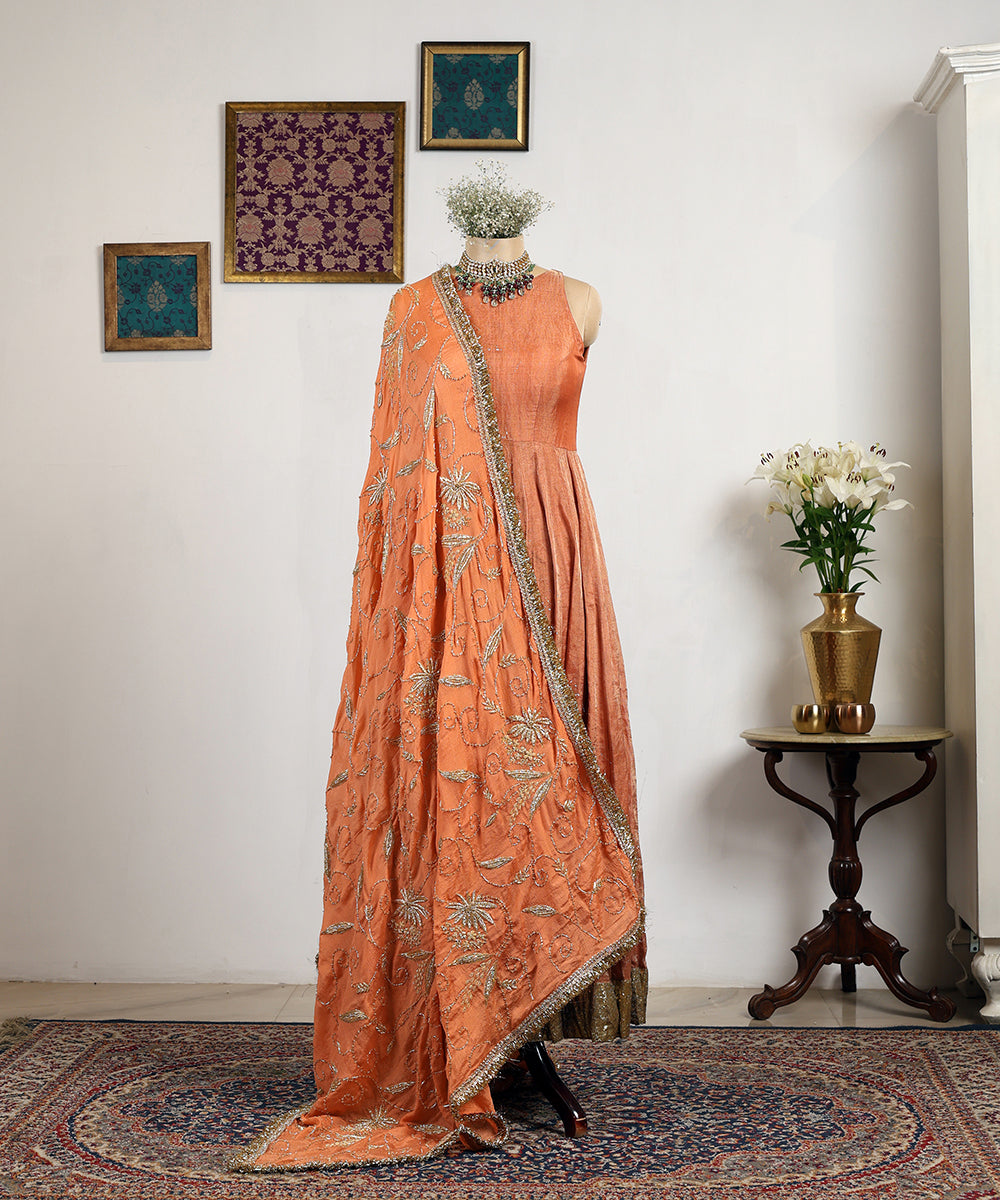
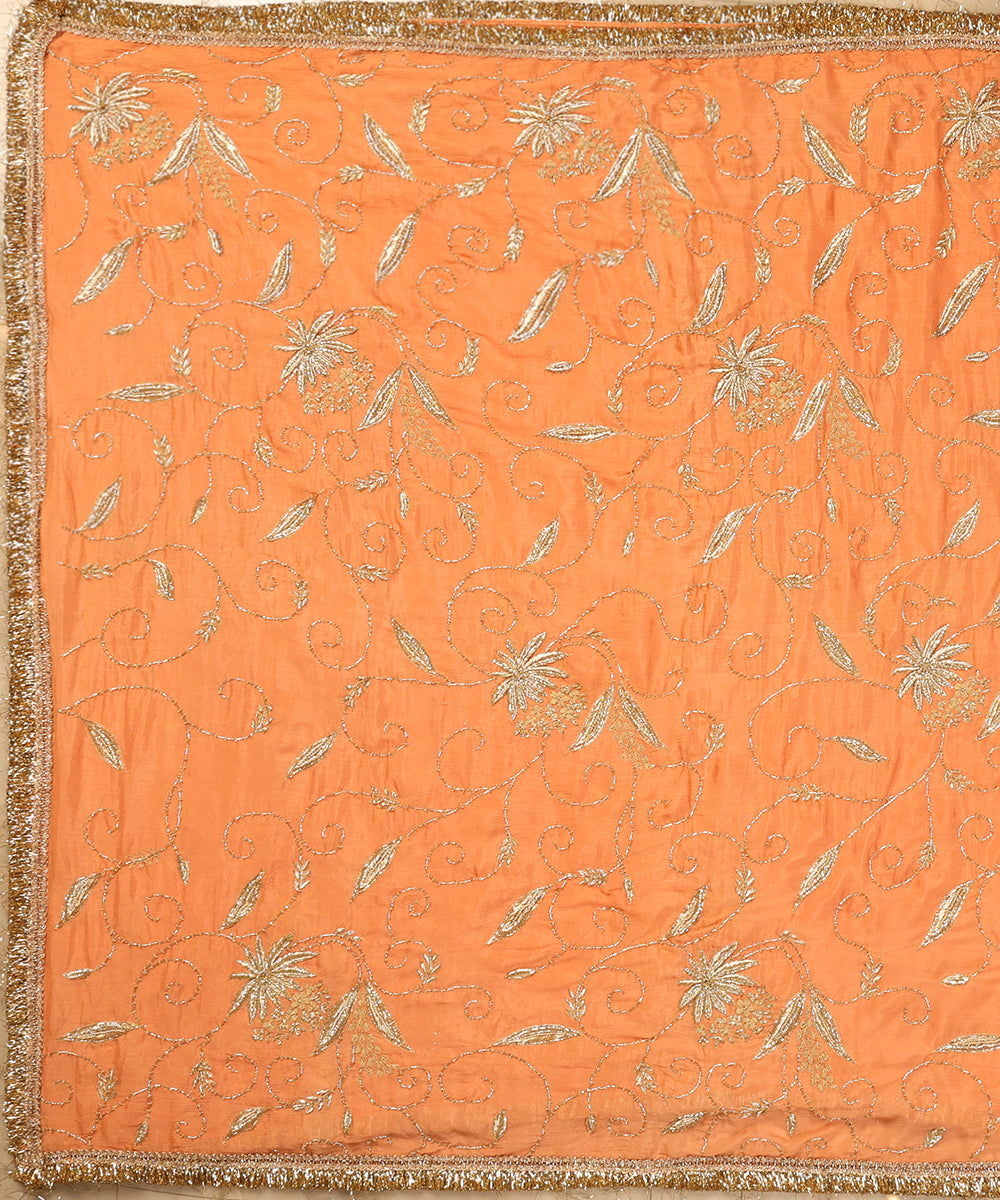 Peach Handloom Chiffon Dupatta With Hand ... Peach Handloom Chiffon Dupatta With Hand Embroidery
- Regular price
-
₹ 65,247 - Regular price
-
₹ 86,995 - Sale price
-
₹ 65,247
-
Orange Red Handloom Organza Dupatta With Mughal Border And Hand Embroidery
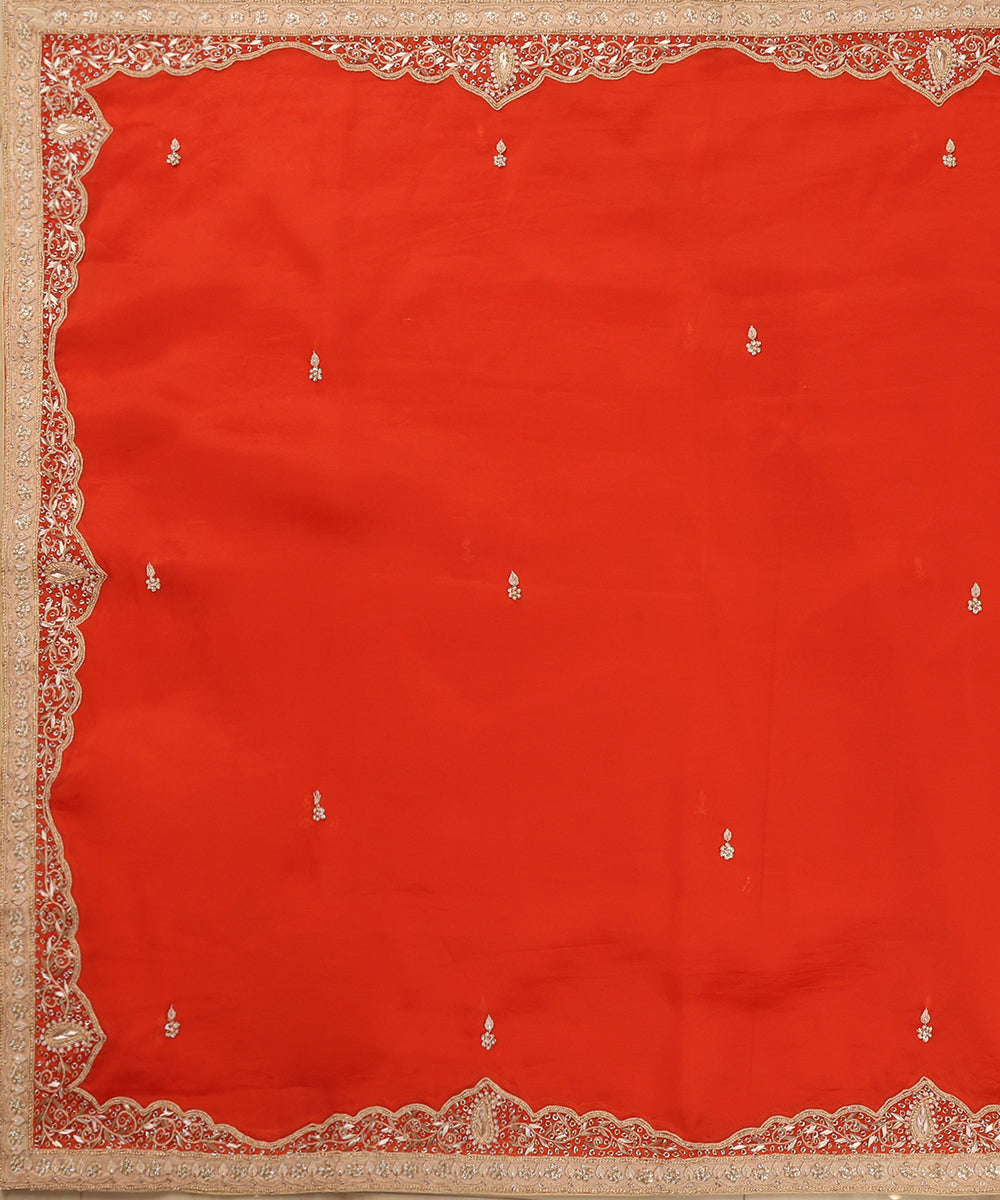 Orange Red Handloom Organza Dupatta With ... Orange Red Handloom Organza Dupatta With Mughal Border And Hand Embroidery
- Regular price
-
₹ 26,247 - Regular price
-
₹ 34,995 - Sale price
-
₹ 26,247
-
Red Handloom Organza Dupatta With Booti And Embroidered Border
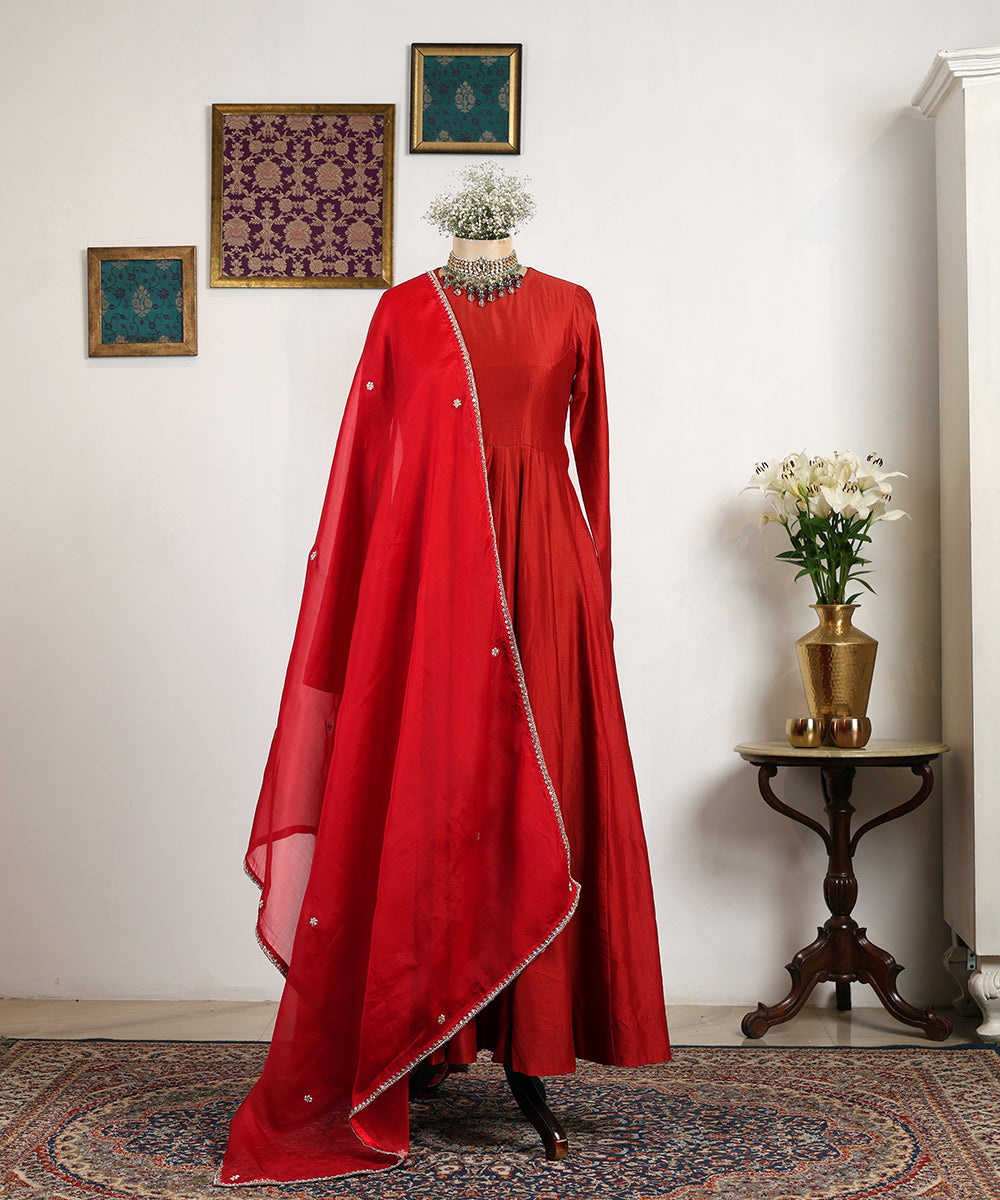
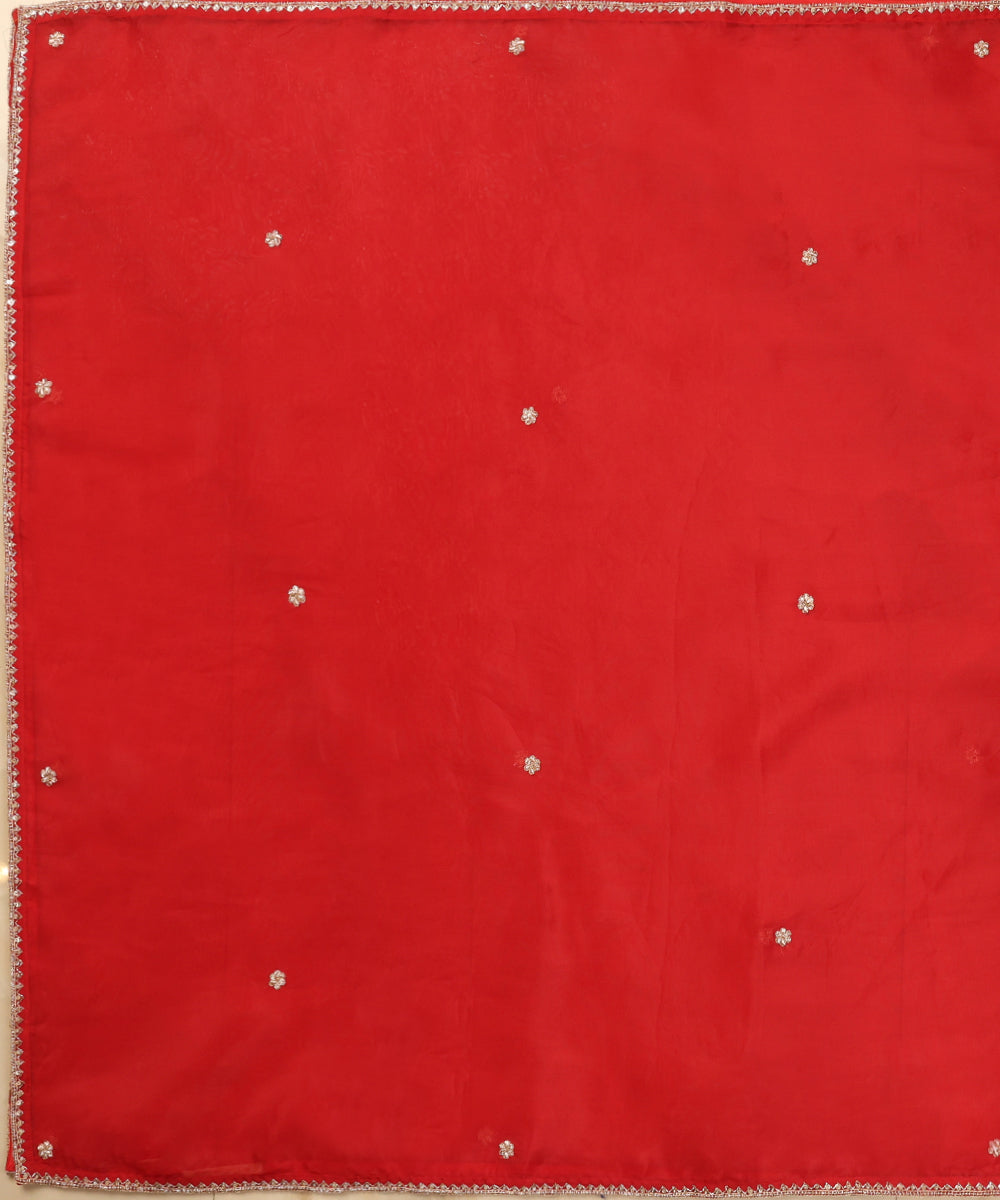 Red Handloom Organza Dupatta With Booti A... Red Handloom Organza Dupatta With Booti And Embroidered Border
- Regular price
-
₹ 13,497 - Regular price
-
₹ 17,995 - Sale price
-
₹ 13,497
-
Hot Pink Handloom Organza Dupatta With Heavy Double Border Embroidery
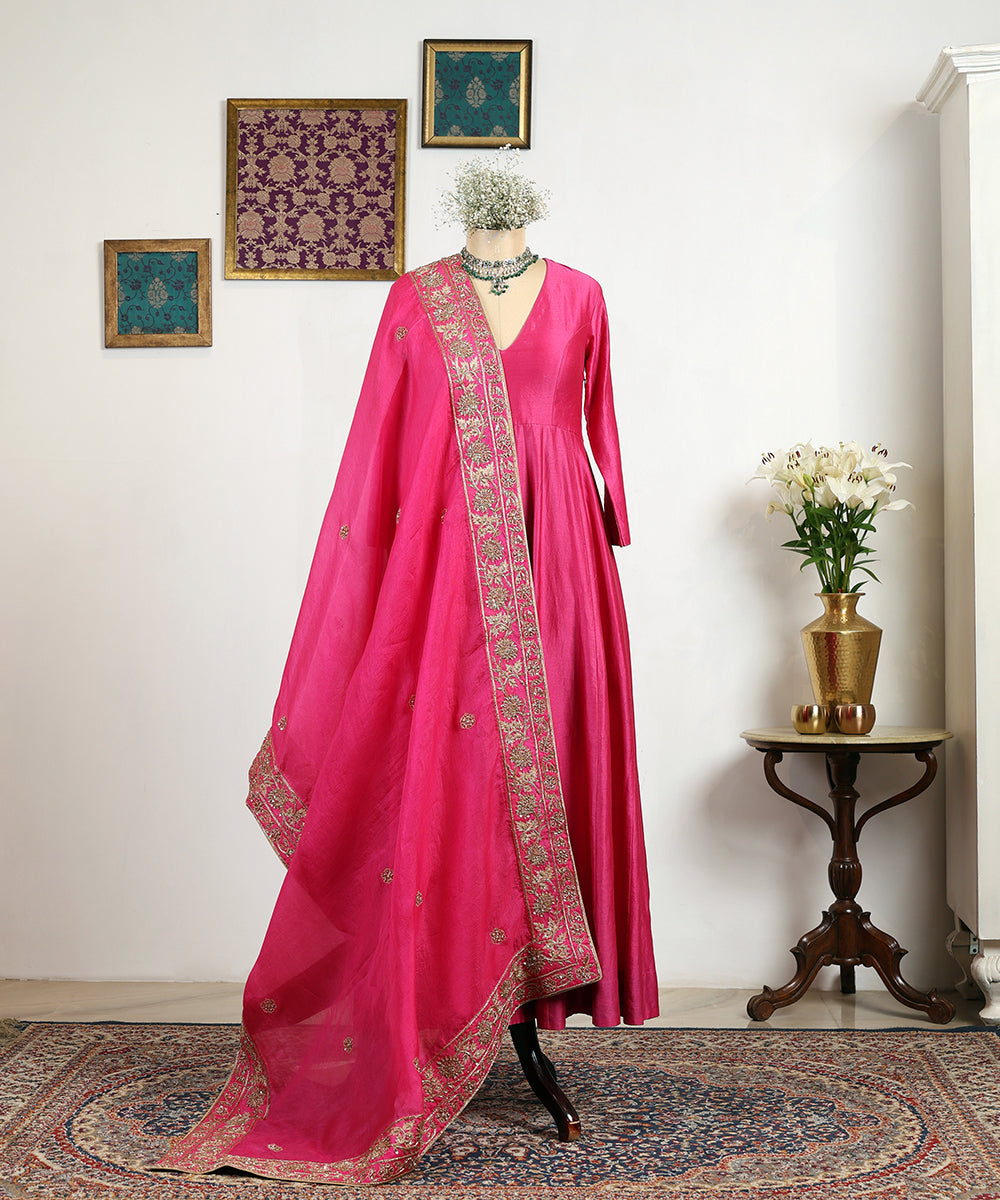
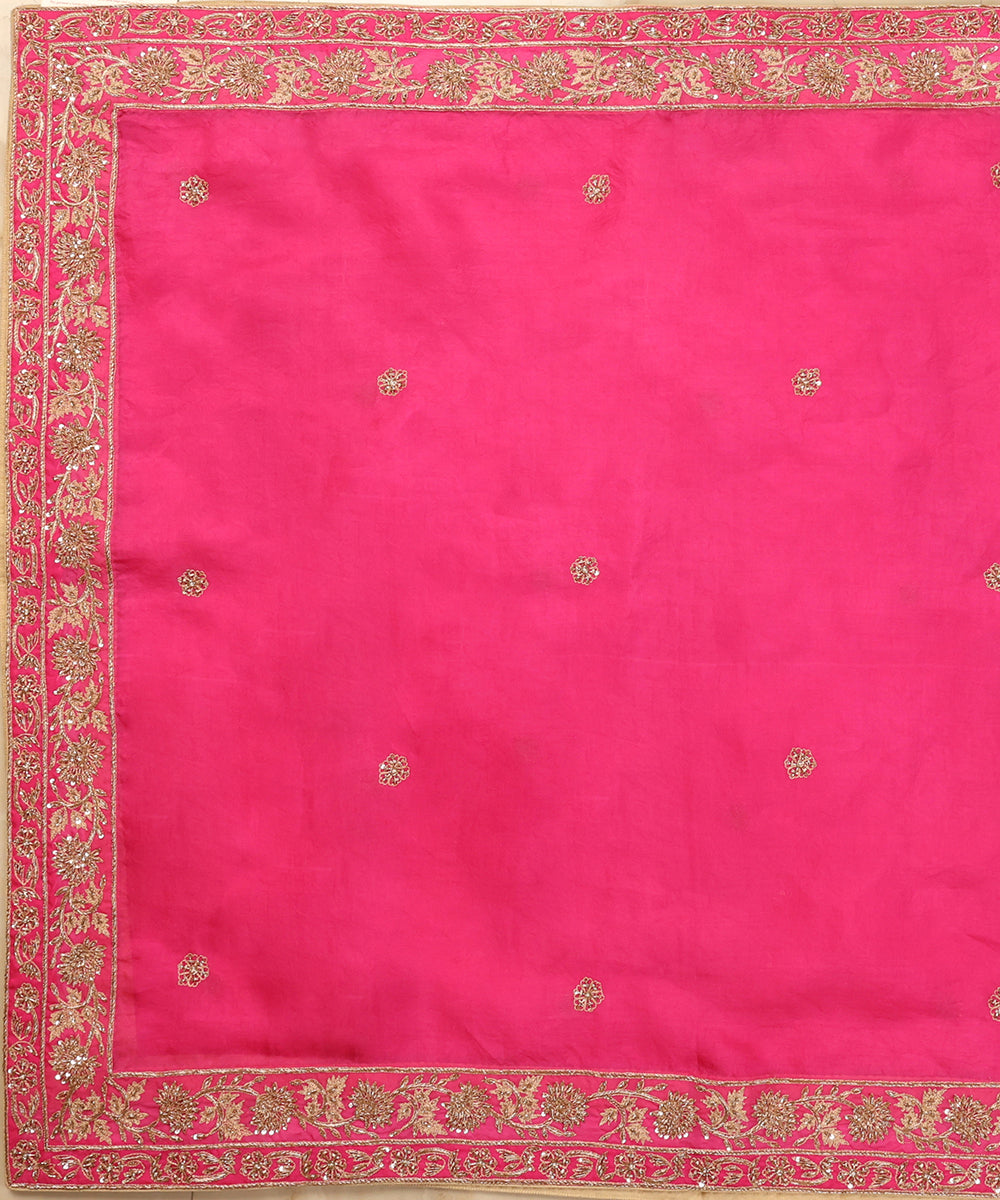 Hot Pink Handloom Organza Dupatta With He... Hot Pink Handloom Organza Dupatta With Heavy Double Border Embroidery
- Regular price
-
₹ 35,247 - Regular price
-
₹ 46,995 - Sale price
-
₹ 35,247
-
Red Handloom Organza Dupatta With Hand Embroidery On Palla
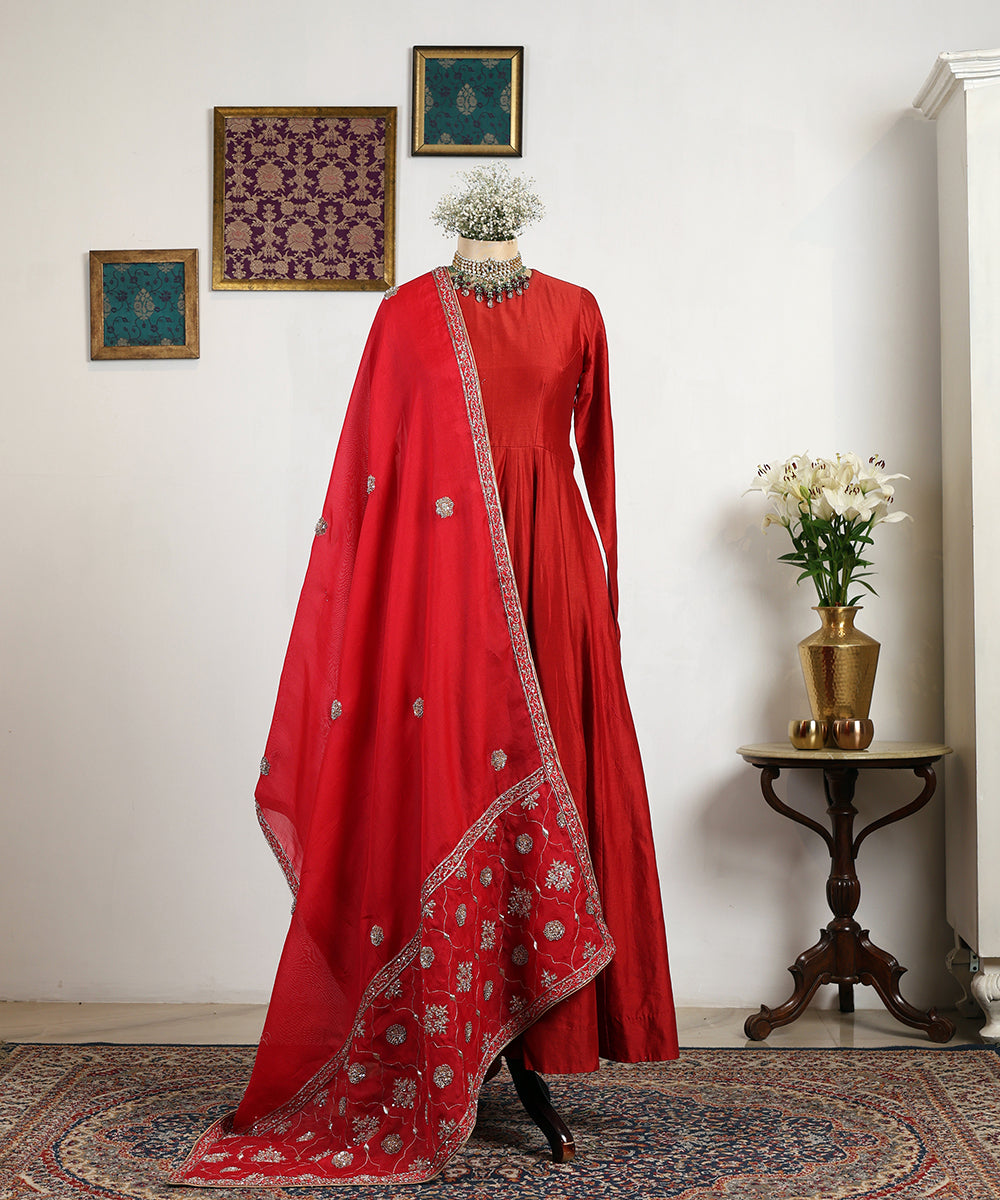
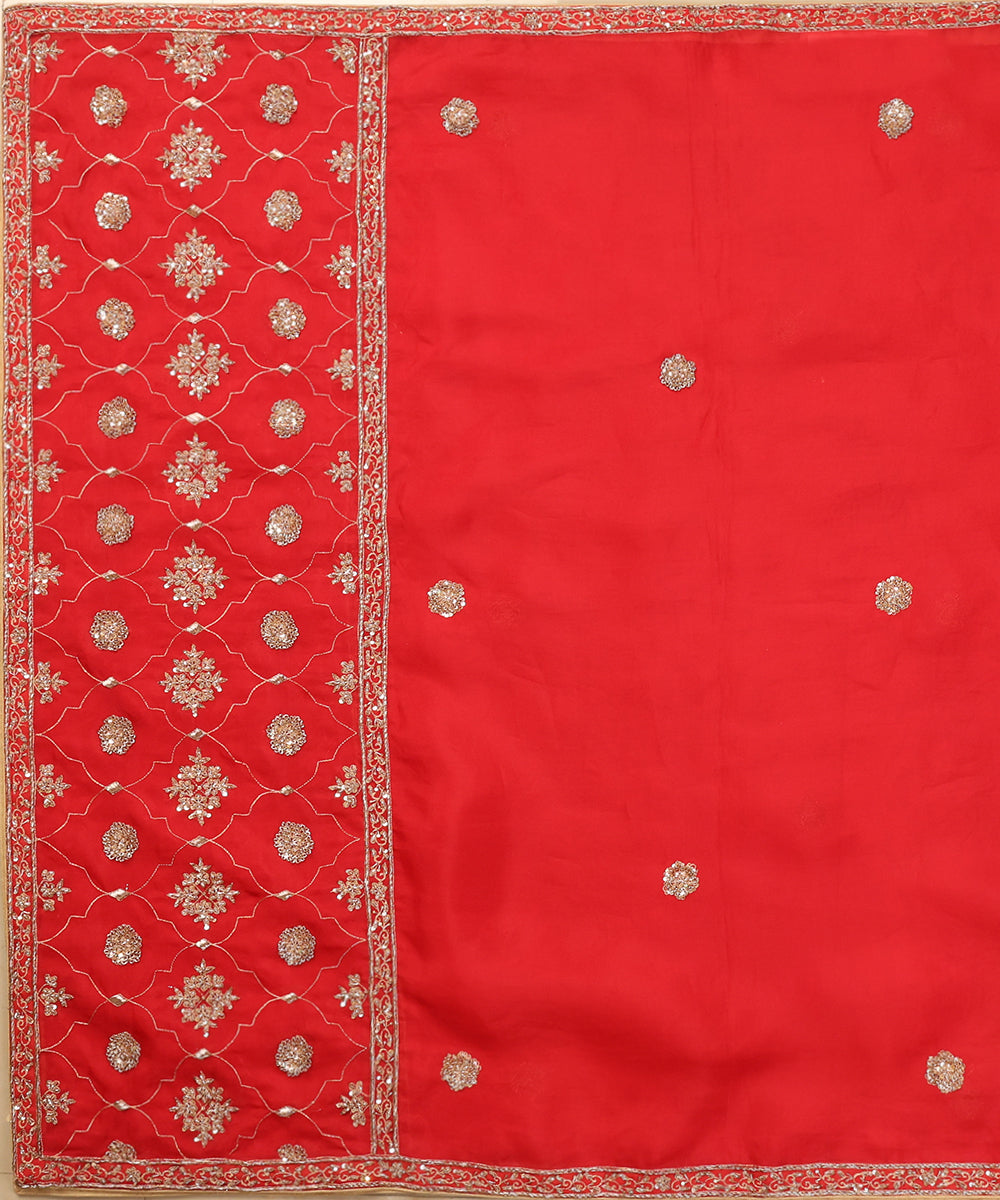 Red Handloom Organza Dupatta With Hand Em... Red Handloom Organza Dupatta With Hand Embroidery On Palla
- Regular price
-
₹ 31,497 - Regular price
-
₹ 41,995 - Sale price
-
₹ 31,497
-
Pista Green Handloom Organza Dupatta With Hand Embroidery
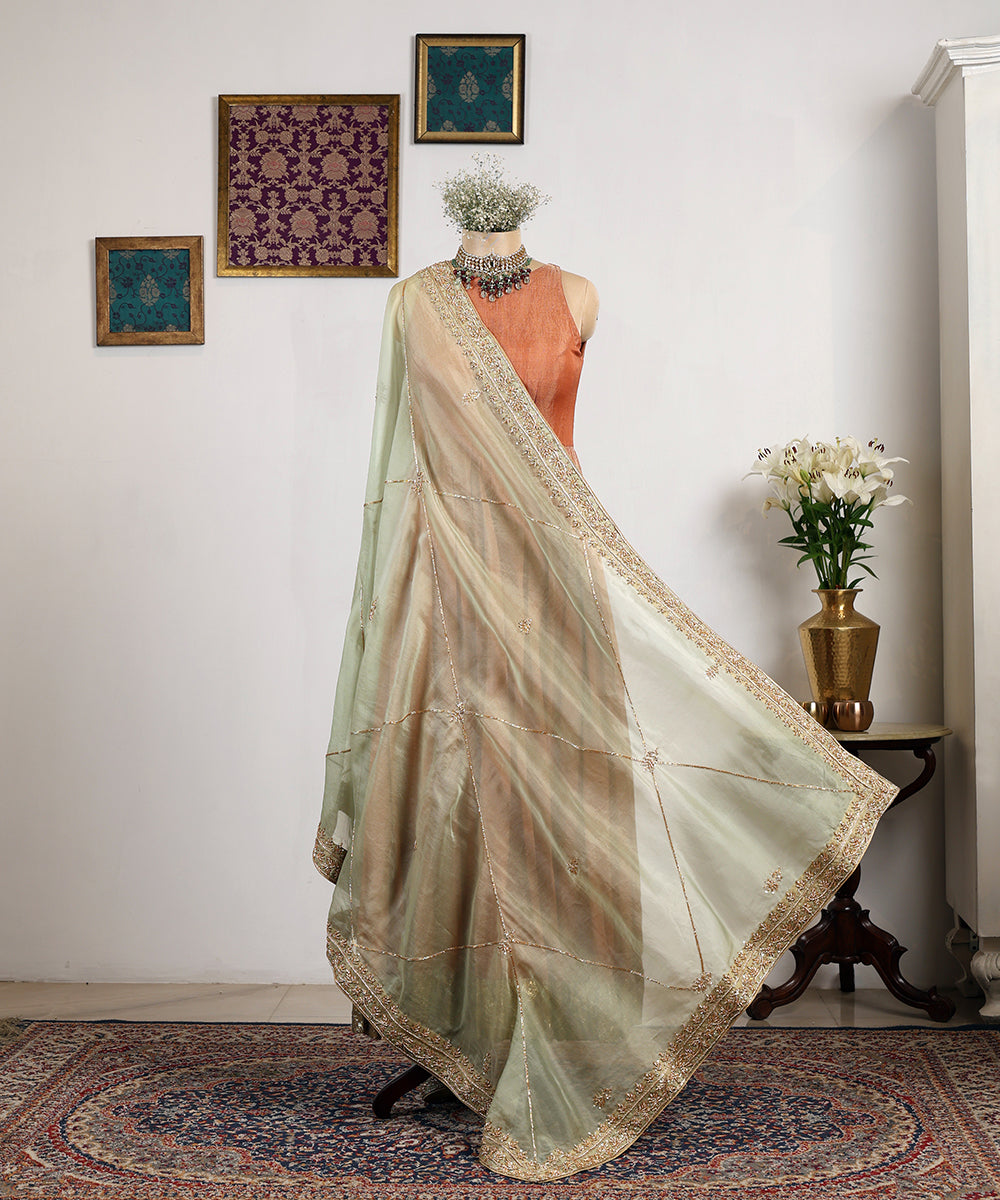
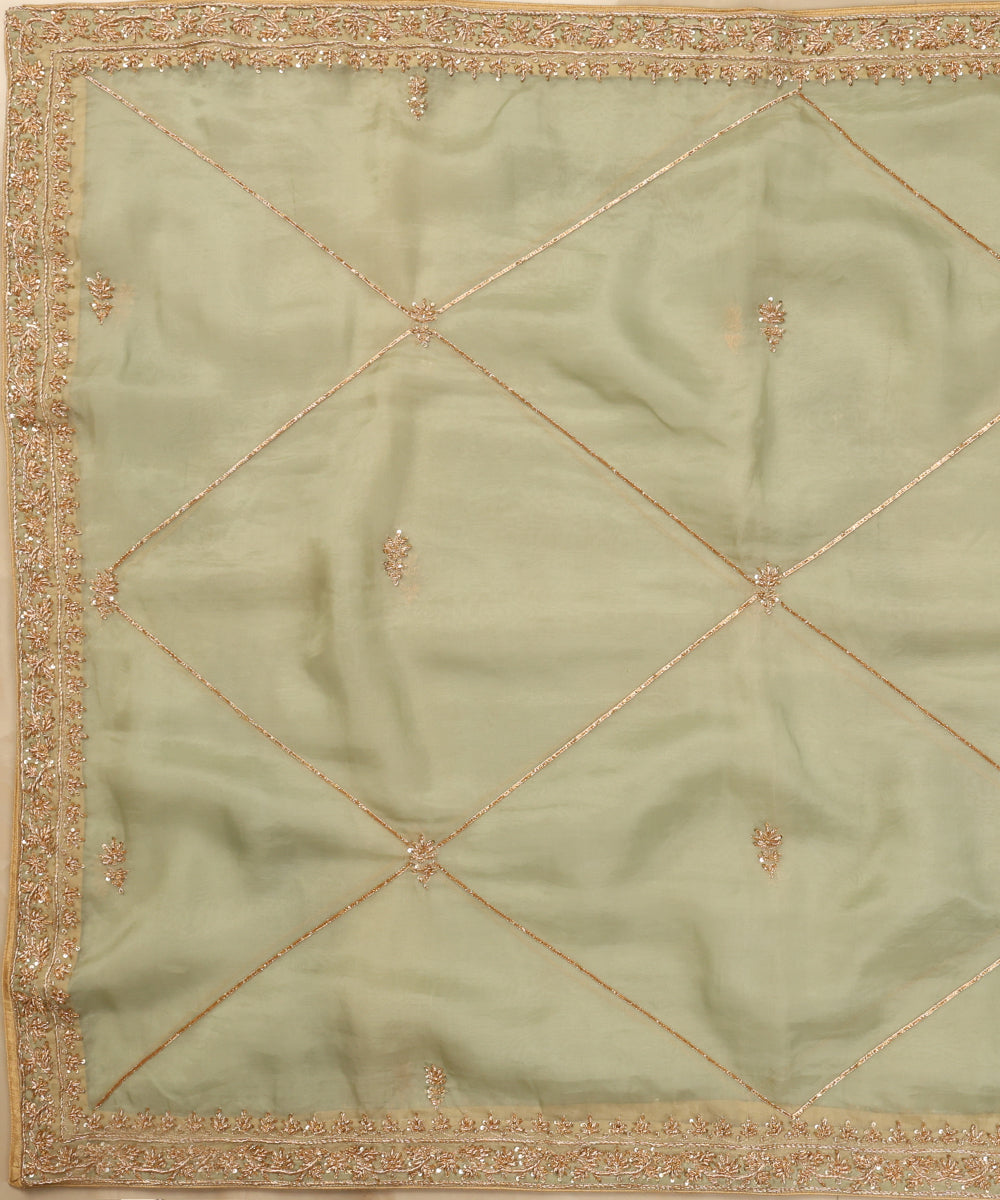 Pista Green Handloom Organza Dupatta With... Pista Green Handloom Organza Dupatta With Hand Embroidery
- Regular price
-
₹ 31,497 - Regular price
-
₹ 41,995 - Sale price
-
₹ 31,497
-
Hot Pink Organza Dupatta Scallop Border And Booti
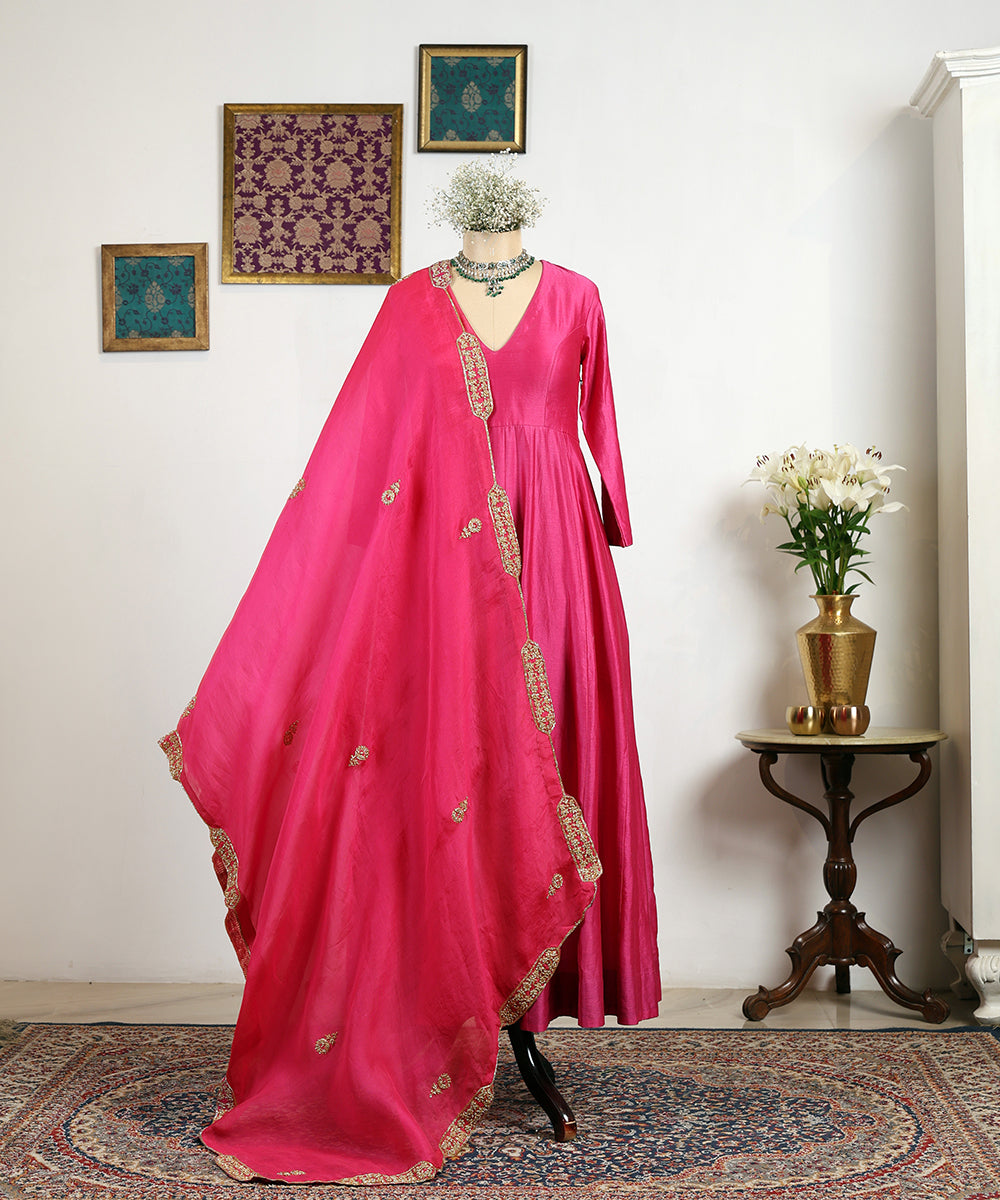
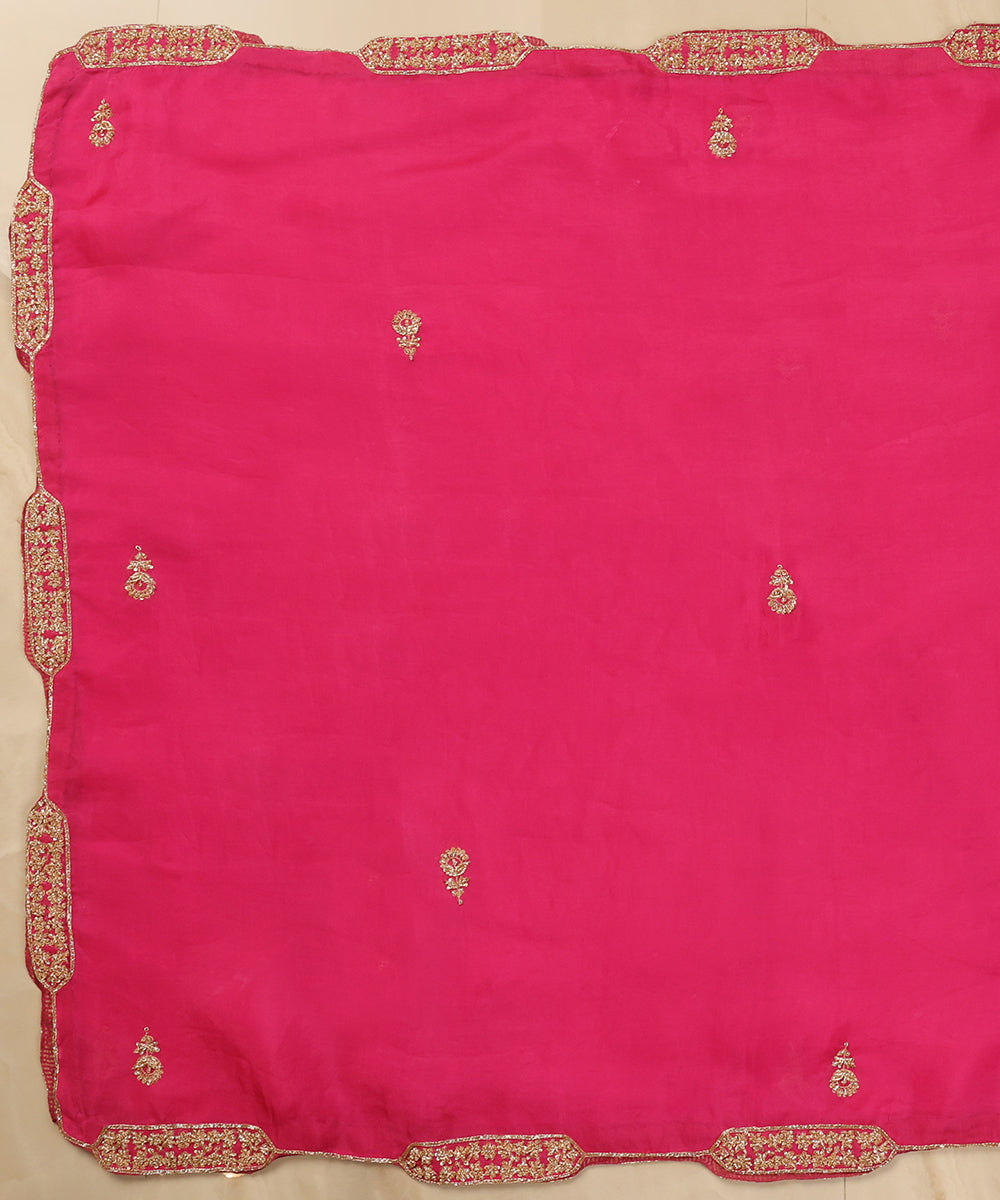 Hot Pink Organza Dupatta Scallop Border A... Hot Pink Organza Dupatta Scallop Border And Booti
- Regular price
-
₹ 20,247 - Regular price
-
₹ 26,995 - Sale price
-
₹ 20,247
-
Teal Blue Handloom Organza Dupatta With Hand Embroideed Border And Lime Green Booti Fnishing
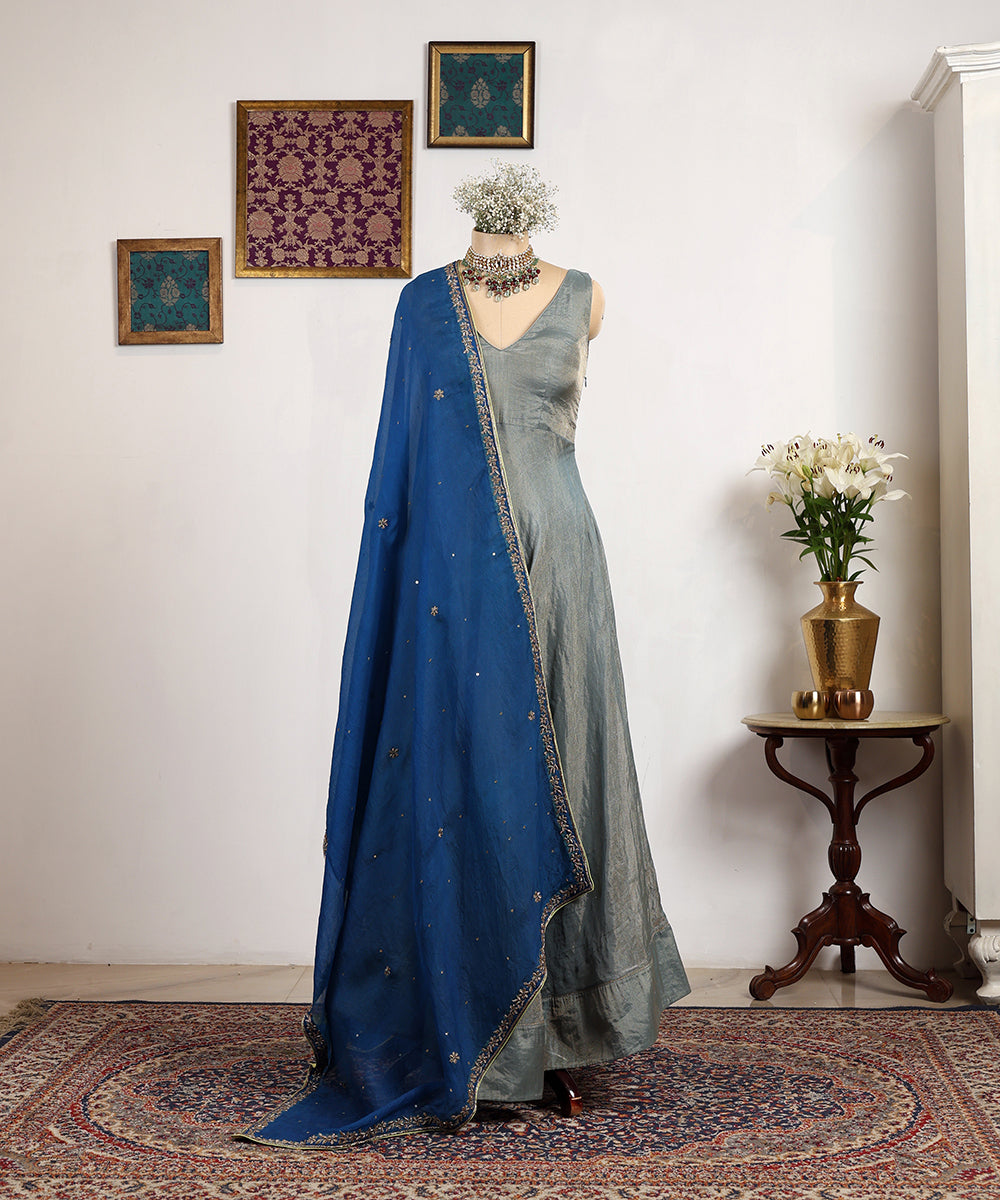
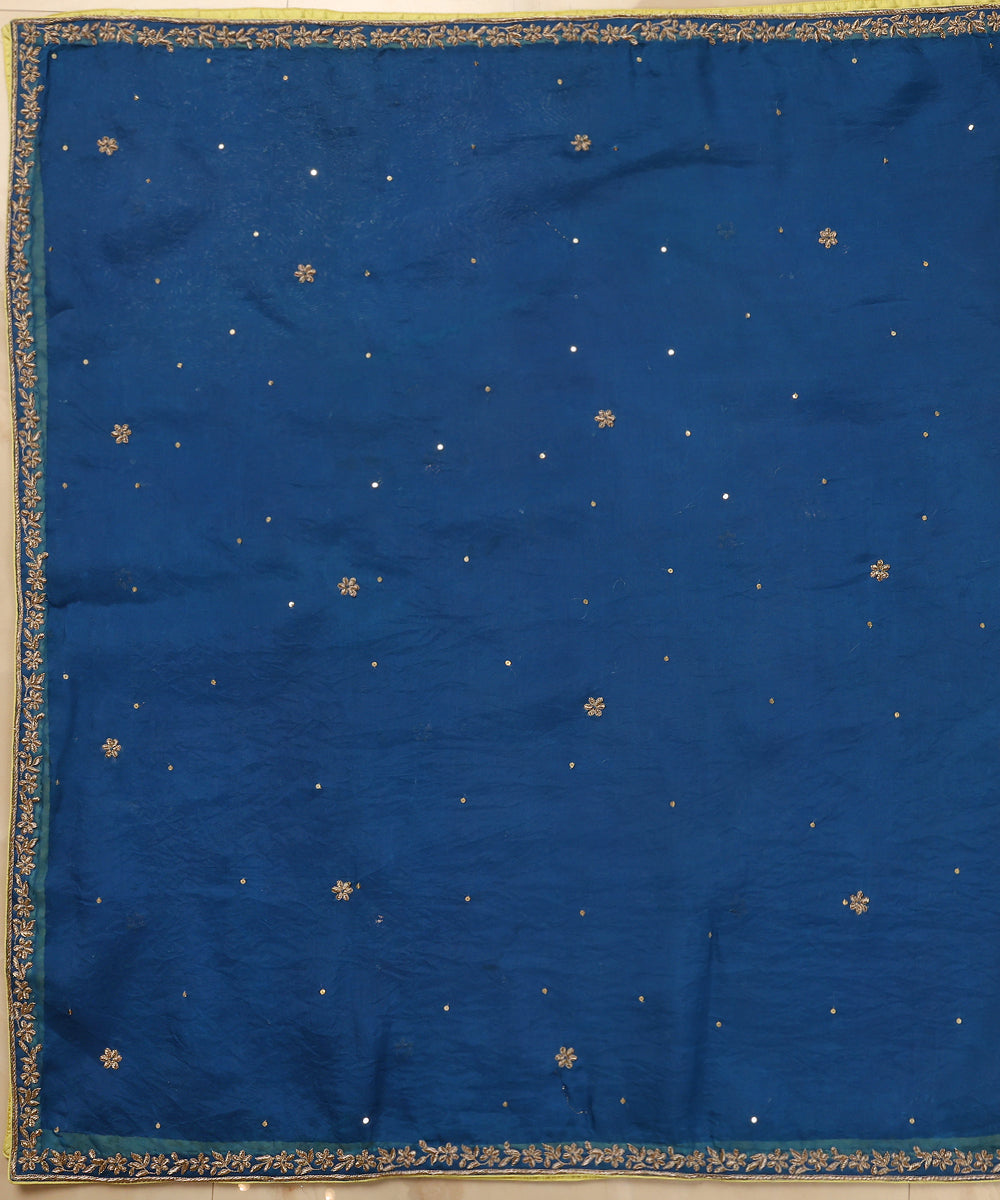 Teal Blue Handloom Organza Dupatta With H... Teal Blue Handloom Organza Dupatta With Hand Embroideed Border And Lime Green Booti Fnishing
- Regular price
-
₹ 29,247 - Regular price
-
₹ 38,995 - Sale price
-
₹ 29,247
-
Yellow Handloom Georgette Silk Hand Embroidery Dupatta
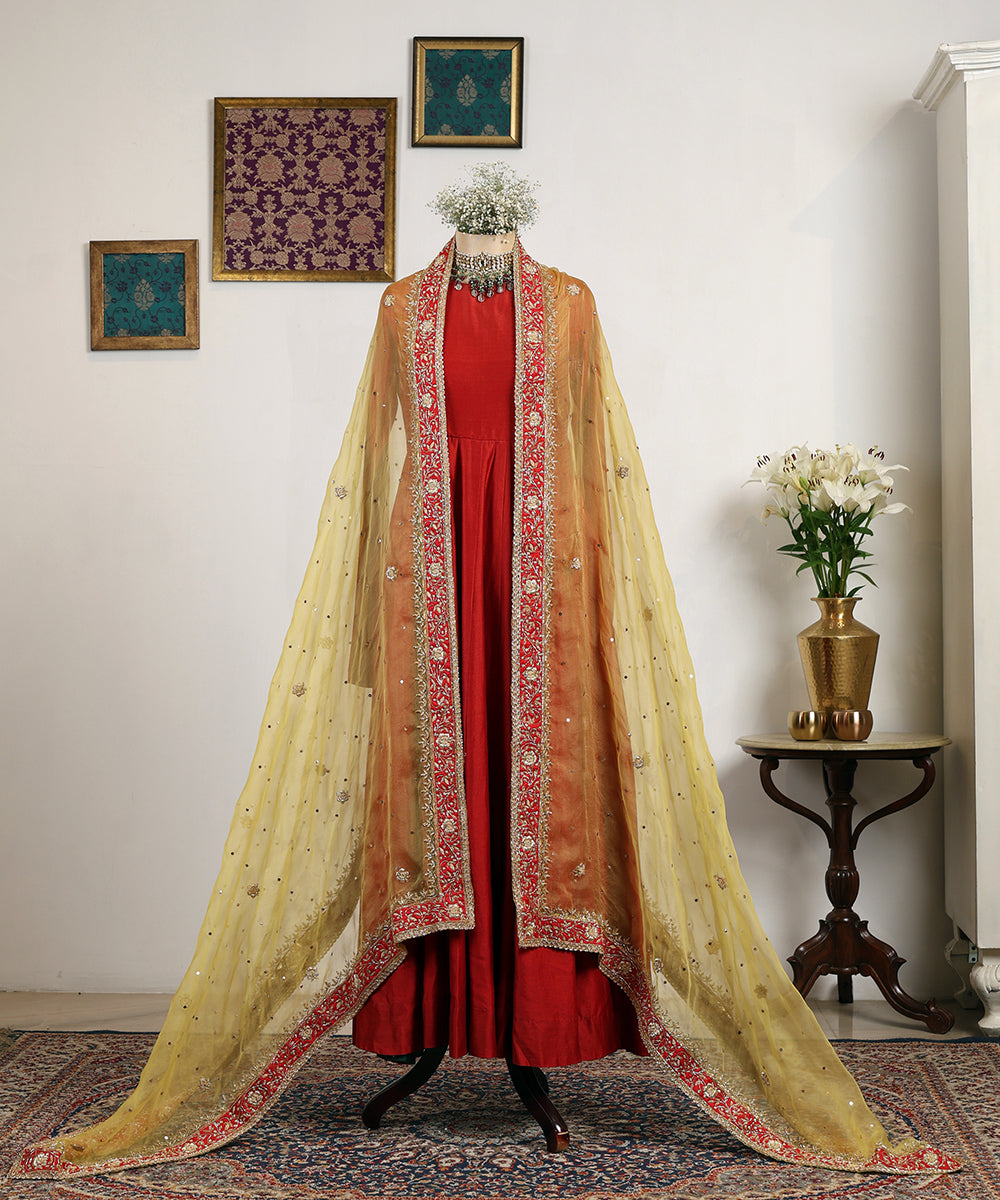
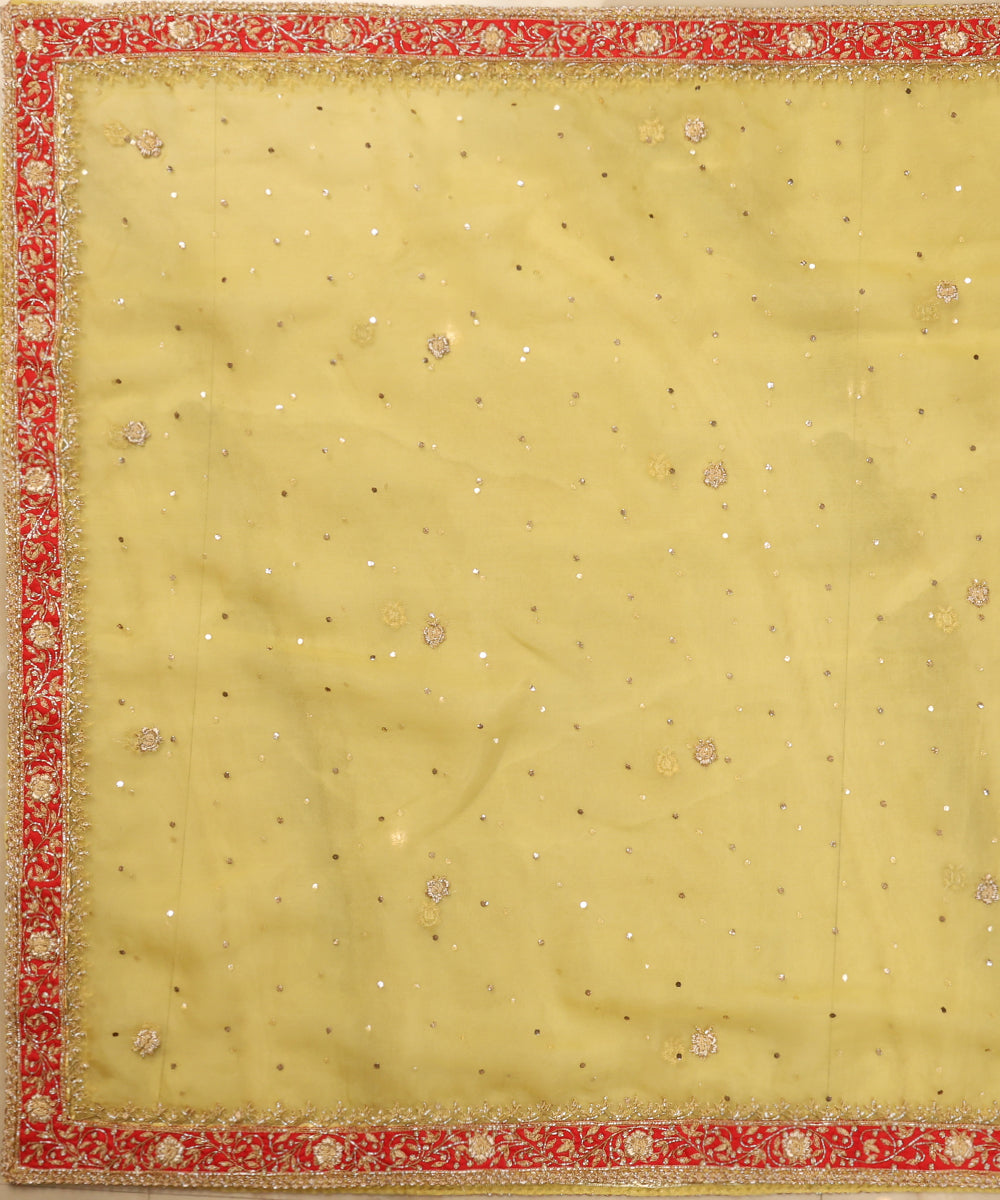 Yellow Handloom Georgette Silk Hand Embro... Yellow Handloom Georgette Silk Hand Embroidery Dupatta
- Regular price
-
₹ 61,497 - Regular price
-
₹ 81,995 - Sale price
-
₹ 61,497
-
Rama Green Handloom Organza Dupatta With Booti Embroidery And Lapa Finishing
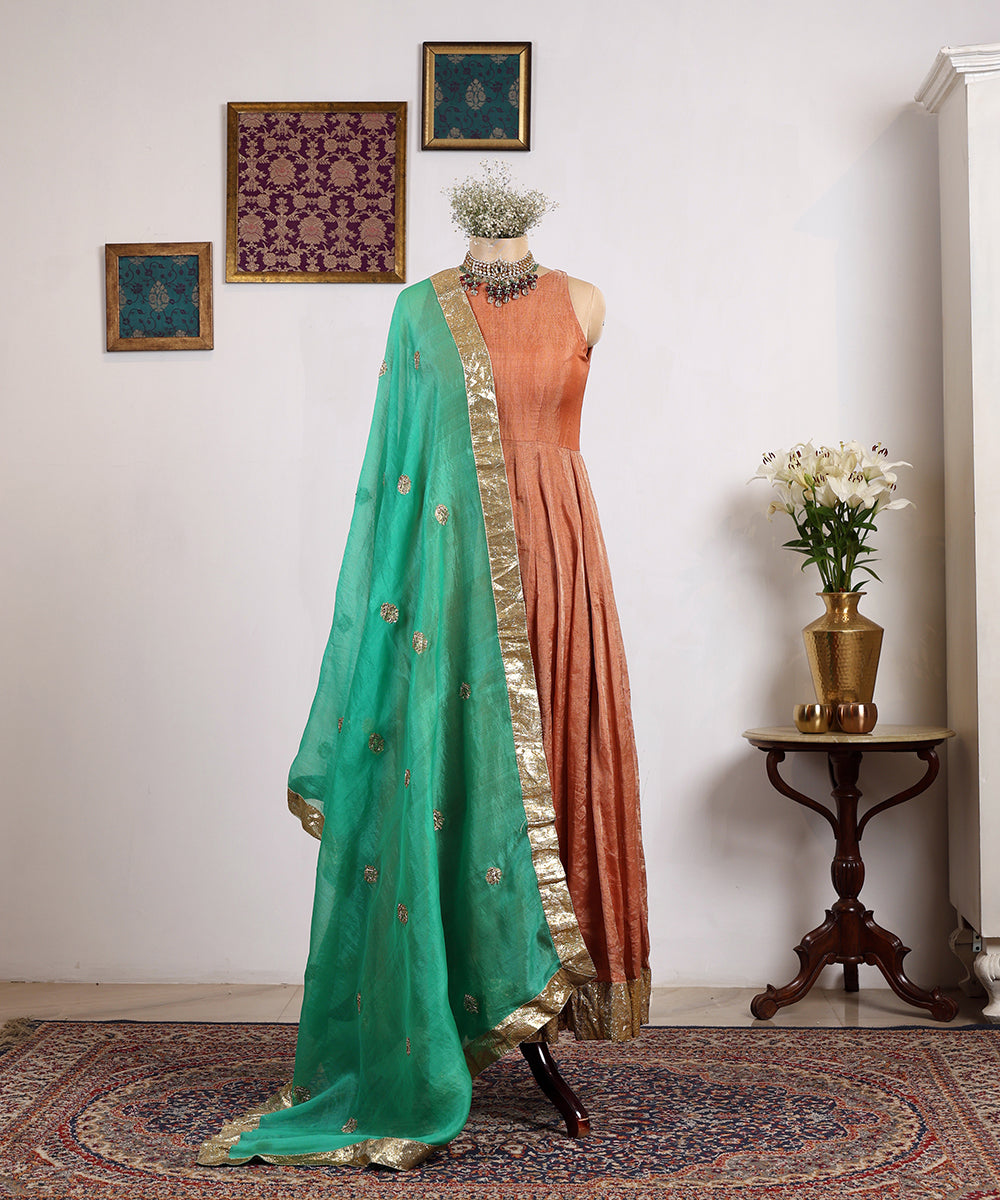
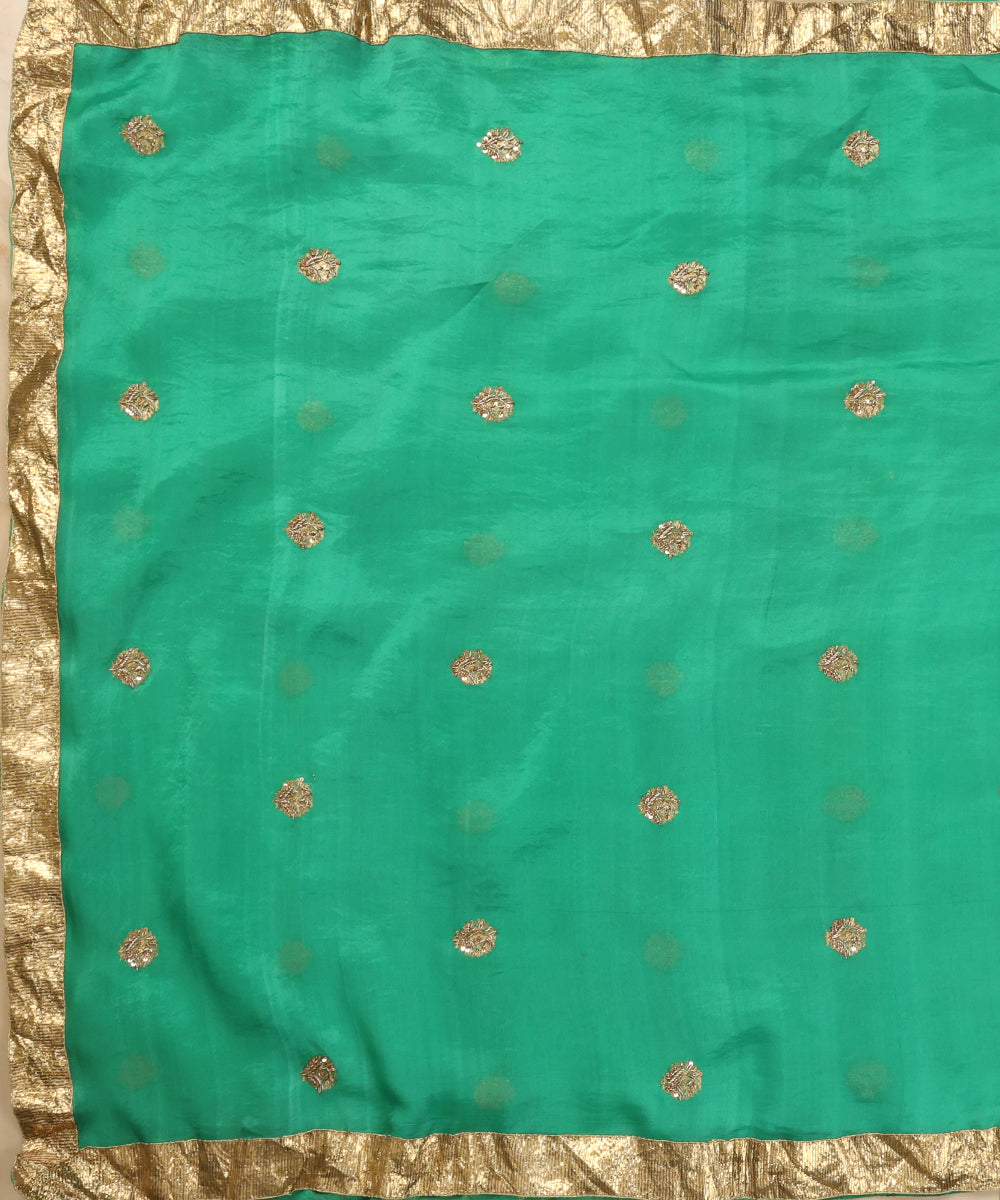 Rama Green Handloom Organza Dupatta With ... Rama Green Handloom Organza Dupatta With Booti Embroidery And Lapa Finishing
- Regular price
-
₹ 16,497 - Regular price
-
₹ 21,995 - Sale price
-
₹ 16,497
-
Light Pink Handloom Pure Organza Dupatta With Gota Work

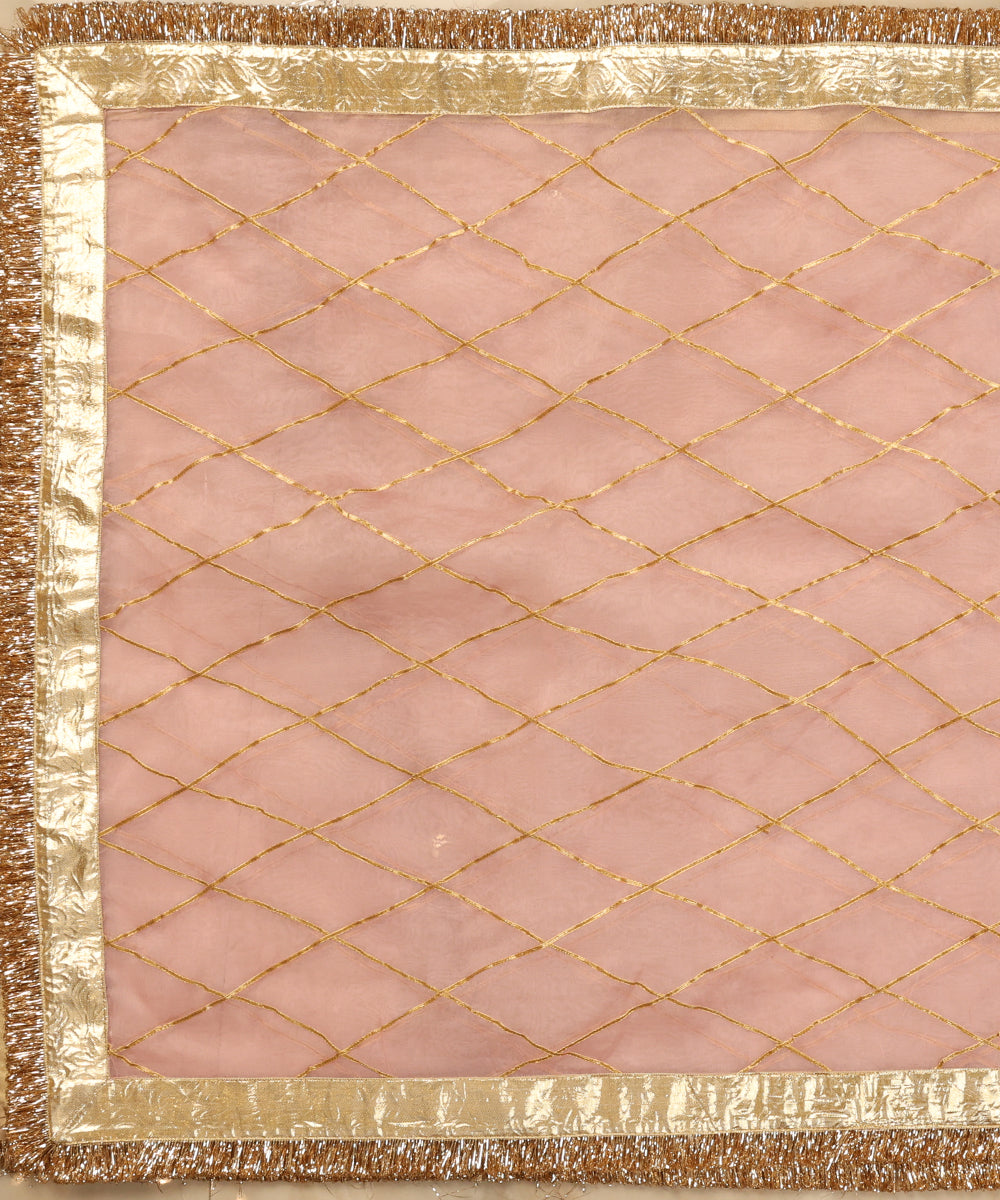 Light Pink Handloom Pure Organza Dupatta ... Light Pink Handloom Pure Organza Dupatta With Gota Work
- Regular price
-
₹ 18,747 - Regular price
-
₹ 24,995 - Sale price
-
₹ 18,747
-
Handloom Red Pure Silk Dupatta With Zardozi Border
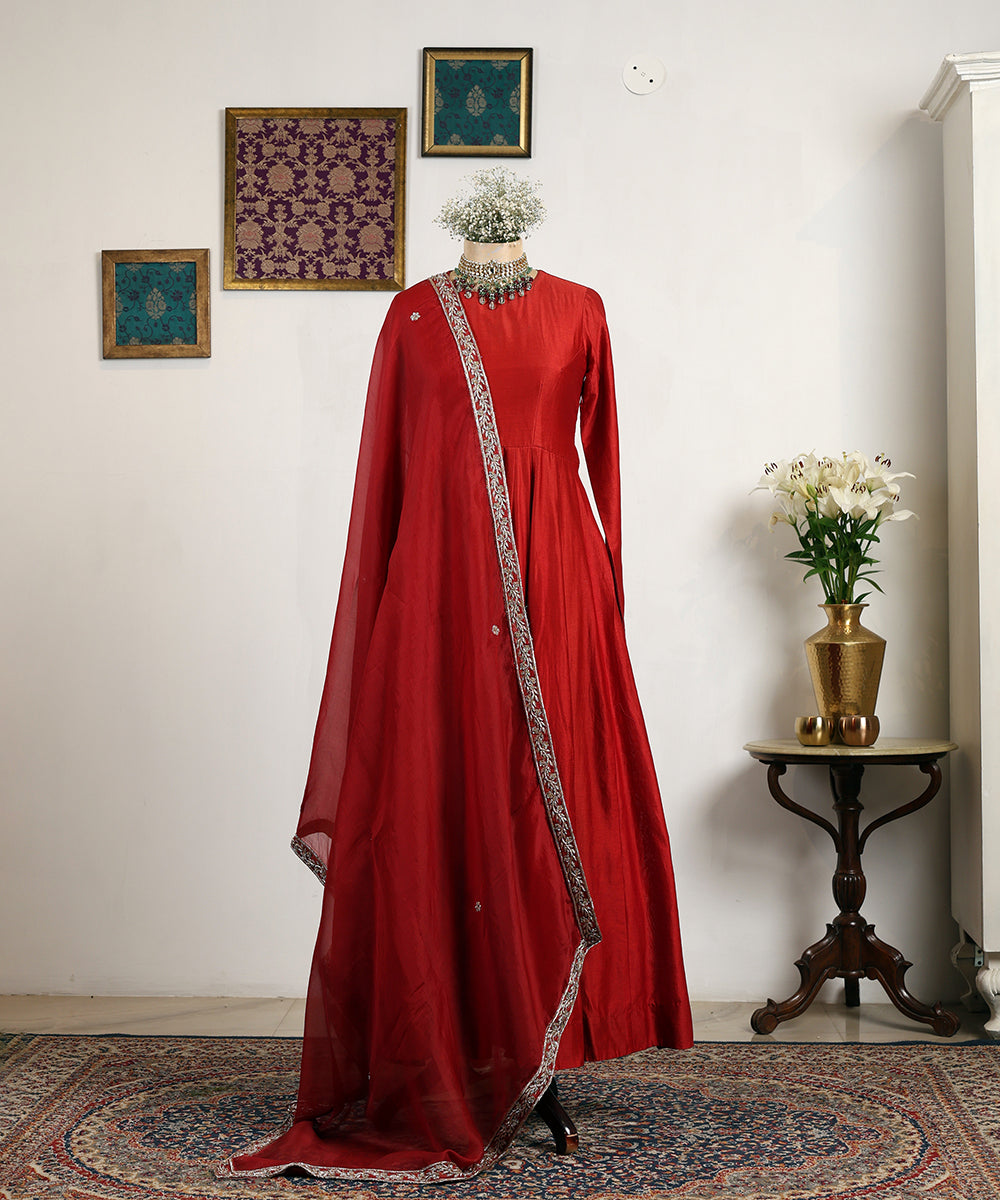
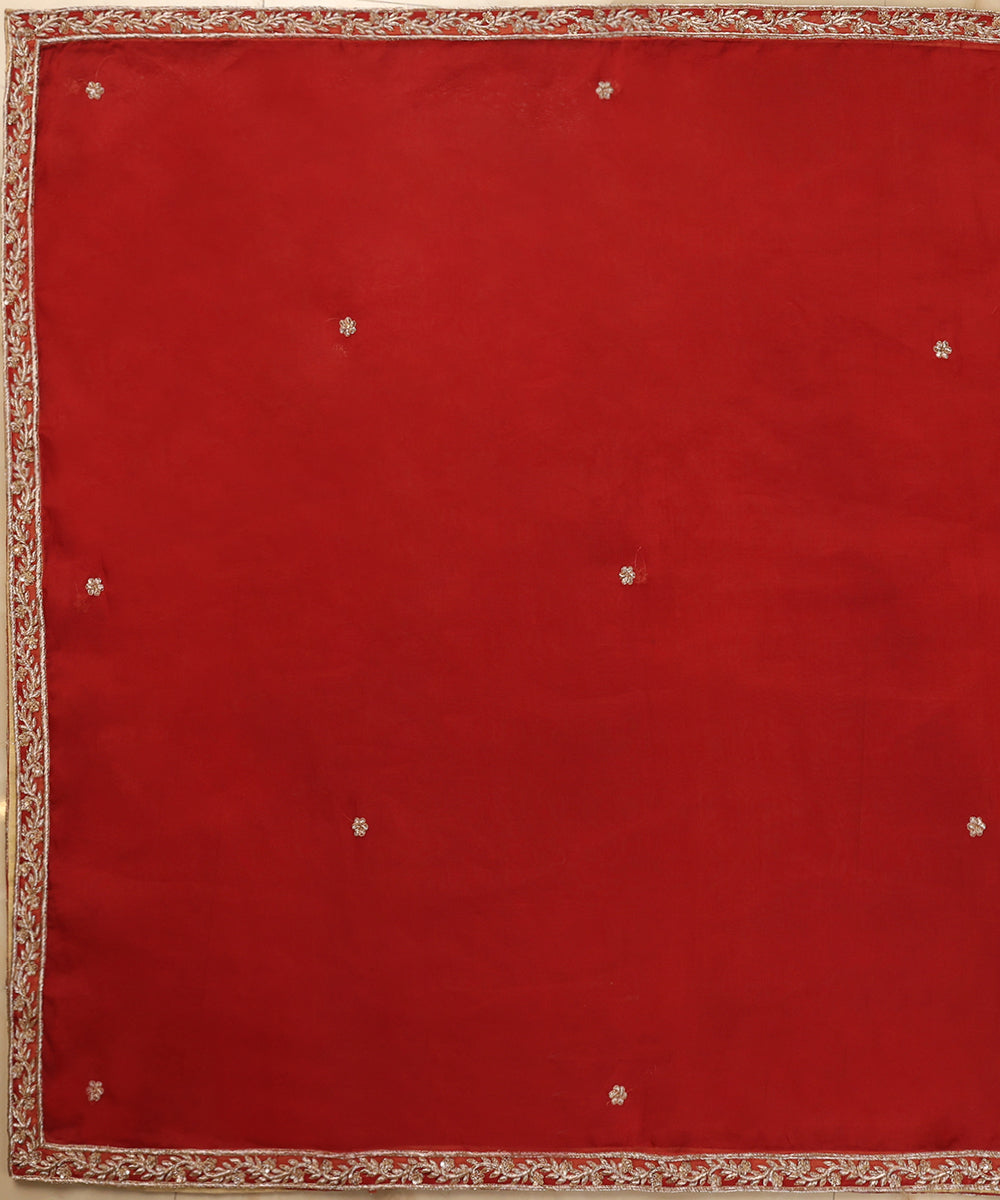 Handloom Red Pure Silk Dupatta With Zardo... Handloom Red Pure Silk Dupatta With Zardozi Border
- Regular price
-
₹ 27,747 - Regular price
-
₹ 36,995 - Sale price
-
₹ 27,747
-
Pista Green Handloom Chanderi Dupatta With Allover Boota
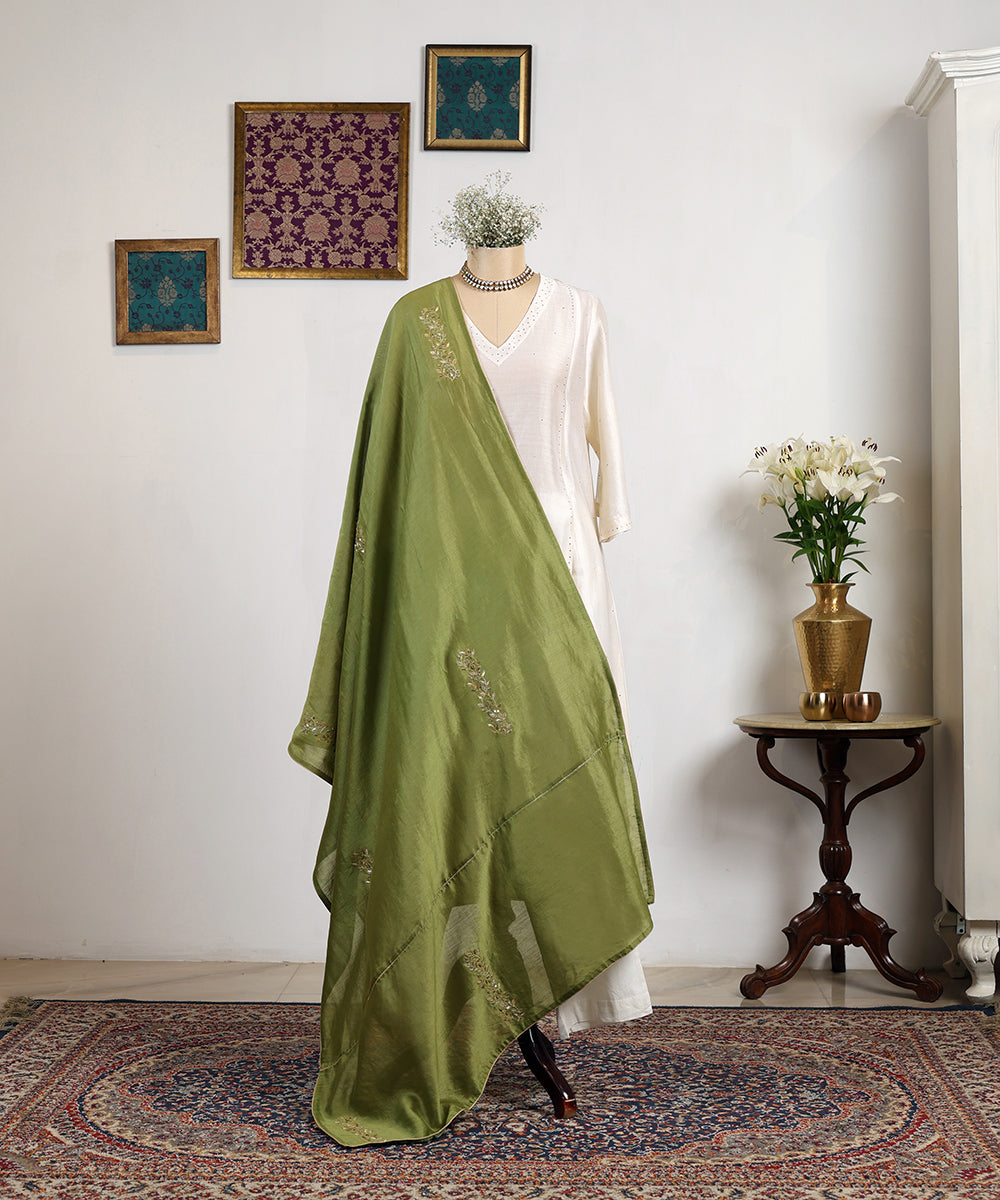
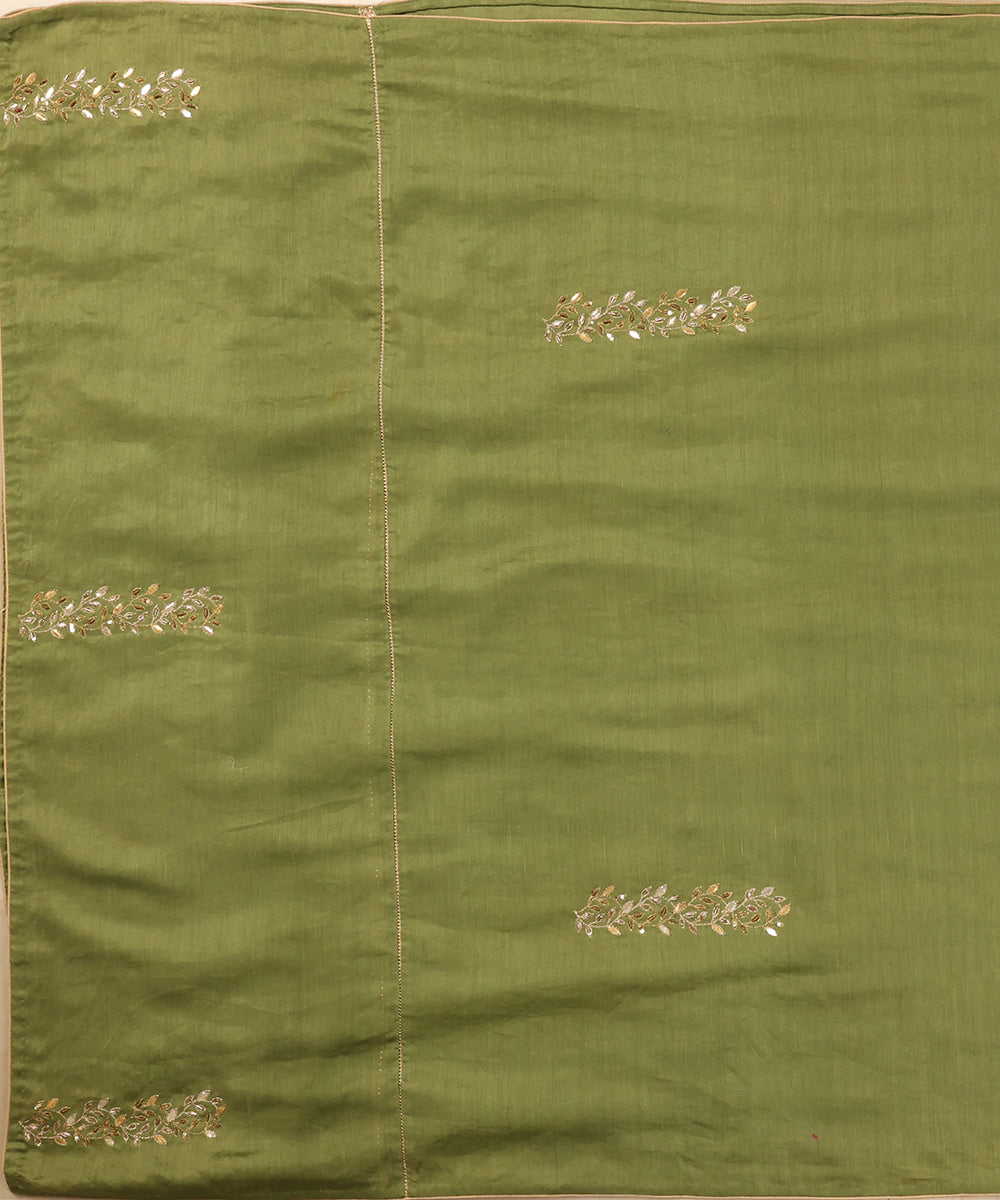 Pista Green Handloom Chanderi Dupatta Wit... Pista Green Handloom Chanderi Dupatta With Allover Boota
- Regular price
-
₹ 13,497 - Regular price
-
₹ 17,995 - Sale price
-
₹ 13,497


Bridal Dupatta: Handwoven Heirlooms for Bridal Elegance
A bridal dupatta is a handwoven drape crafted from heritage textiles like silk, organza, or georgette, worn by brides to complete wedding ensembles. It holds cultural and ceremonial significance, often featuring intricate zari, meenakari, or embroidery, symbolising tradition, craftsmanship, and auspicious beginnings.
A dupatta is not merely an accessory; it is the quiet centrepiece of a bride’s narrative. At WeaverStory, each piece reflects a journey of handloom revival, where heritage weaves meet contemporary grace, and every thread carries the legacy of India’s master artisans.
Understanding the Bridal Dupatta
A bridal dupatta, often referred to as a dulhan dupatta, bridal chunri, or wedding dupatta for the bride, is a ceremonial textile that completes bridal attire across traditions. It is worn over the head, draped across the shoulder, or styled in layered forms, depending on the occasion and regional customs.
At WeaverStory, bridal dupattas are deeply rooted in India’s weaving traditions, crafted across Banaras, Kanchipuram, and other heritage clusters using pure fabrics such as Katan silk, organza, and georgette.
Each bridal chunni is handwoven, not mass-produced. Techniques like Kadhwa weaving ensure that motifs are woven directly into the fabric rather than embroidered, making the design integral to the textile itself.
From bridal entry dupatta styles to heirloom-worthy drapes, these pieces are designed to transcend trends and become part of a bride’s legacy
Why a WeaverStory Bridal Dupatta Stands Apart
Rooted in Authentic Handloom Craft
Every dupatta at WeaverStory is handwoven by skilled artisans using traditional looms, preserving centuries-old weaving techniques often seen in heritage silk sarees.
Pure Fabrics, No Compromise
Only natural, premium textiles like pure silk, organza, and tissue are used, ensuring breathability, richness, and longevity.
Designed as Heirlooms
These are not seasonal pieces. A WeaverStory dulhan chunri is created to be preserved, passed down, and remembered across generations, much like classic kanjivaram sarees.
Cultural Narrative in Every Motif
Inspired by Mughal florals, temple borders, and nature, each wedding dupatta carries a deeper story rooted in Indian artistry, similar to intricate kimkhab sarees from Banaras.
How to Choose the Right Bridal Dupatta
Selecting the right dupatta style is both an aesthetic and emotional decision. Here’s how to make a considered choice:
1. Choose Based on Fabric & Occasion
-
Katan Silk Dupattas: Ideal for main wedding ceremonies due to their richness and structure
-
Organza Dupattas: Perfect for lighter functions like haldi dupatta for the bride or daytime rituals
-
Georgette Dupattas: Flowing and versatile for receptions or layered styling
For example, pairing your dupatta with a red banarasi saree or a pink handloom banarasi lehenga creates a cohesive traditional bridal look.
2. Consider Colour Significance
-
Red and maroon: Traditional bridal choices
-
Emerald green: Symbolic of prosperity and new beginnings
-
Pastels: Contemporary bridal styling
An Emerald Green Katan Silk Banarasi Dupatta offers a refined alternative for brides seeking tradition with subtle individuality.
3. Evaluate Craft & Detailing
Look for weaving techniques like:
-
Kadhwa (woven motifs)
-
Meenakari (multi-colour detailing)
-
Zardozi (hand embroidery)
A Hot Pink Katan Silk Banarasi Dupatta with Kadhwa Jaal showcases intricate craftsmanship, making it ideal for statement bridal looks.
4. Think About Styling Versatility
A well-chosen bridal chunni should complement not just your wedding day, but also future occasions, paired with sarees, lehengas, or even contemporary silhouettes.
Bridal Dupattas for Every Wedding Moment
-
Wedding Ceremony: A richly woven wedding dupatta for the bride in silk with zari detailing creates a regal, traditional look.
-
Haldi & Mehendi: Opt for lighter fabrics like organza or cotton silk. A haldi dupatta for the bride in yellow or soft hues balances comfort with elegance.
-
Sangeet & Reception: Choose flowing georgette or organza dupattas with subtle embroidery for movement and ease.
-
Bridal Entry: A statement bridal entry dupatta, often heavily detailed, adds drama and presence to your walk.
How to Style Your Bridal Dupatta
-
Classic Head Drape: Timeless and ceremonial
-
Double Dupatta Style: One for structure, one for fluidity
-
One-Shoulder Flow: Contemporary and effortless
-
Front Pleated Drape: Highlights intricate borders and motifs
Each dupatta style transforms the same piece into a different visual narrative, allowing personal expression within tradition.
Care for Your Bridal Heirloom
A bridal dupatta is an investment in craft and culture. Proper care ensures longevity:
-
Store in a muslin cloth to protect the fabric
-
Avoid direct sunlight to preserve colour
-
Dry clean only for delicate weaves
-
Refold periodically to prevent creases
These practices help maintain the textile’s integrity for years, preserving it as an heirloom.
Why Choose WeaverStory
WeaverStory is not simply a retailer; it is a craft-led initiative founded to revive and sustain India’s handloom traditions.
-
Direct from Artisan Clusters: The brand works closely with weavers across India, ensuring authenticity and fair craftsmanship practices.
-
Heritage Meets Modern Sensibility: Each piece balances traditional weaving techniques with contemporary bridal aesthetics.
-
Conscious Luxury: Handloom production ensures minimal environmental impact while supporting artisan livelihoods.
-
A Curated Bridal Experience: From bridal dupatta online browsing to detailed craftsmanship storytelling, every touchpoint is designed to be thoughtful and immersive.
Frequently Asked Questions
Q1. What is a bridal dupatta used for?
A bridal dupatta is worn to complete a bridal outfit, often symbolising tradition, modesty, and cultural identity.
Q2. Where can I buy bridal dupatta online?
You can explore curated handloom collections directly from WeaverStory, offering authentic bridal dupattas crafted by artisans.
Q3. What is the best fabric for a bridal dupatta?
Pure silk, organza, and georgette are the most preferred fabrics due to their elegance, durability, and drape.
Q4. How much does a marriage bridal dupatta cost?
Prices vary based on fabric and craftsmanship, with handwoven silk dupattas typically positioned as premium heirloom pieces.
Q5. What is the difference between bridal chunri and dupatta?
Both terms are often used interchangeably, though chunri traditionally refers to patterned or dyed dupattas used in weddings.
Q6. Which colour is best for a dulhan dupatta?
Red remains the most traditional, while green, pink, and gold are also widely chosen.
Q7. How do I style a dupatta for modern weddings?
You can experiment with double draping, shoulder styling, or layered looks for contemporary appeal.
Q8. What makes WeaverStory a good brand for bridal dupatta?
WeaverStory focuses on authentic handloom craftsmanship, pure fabrics, and heritage-driven design, making each piece unique and timeless.
Q9. Can I reuse my bridal dupatta after the wedding?
Yes, it can be styled with sarees, suits, or lehengas for future occasions.
Q10. What is a bridal entry dupatta?
A bridal entry dupatta is a specially styled or highlighted dupatta used during the bride’s entrance, often chosen for its visual impact.

