 Skip to content



Collection: Kanjivaram Sarees
-
Black Handloom Pure Silk Pure Zari Kajivaram Saree With Killi Motifs And Annapakshi Border With Green Thread Work
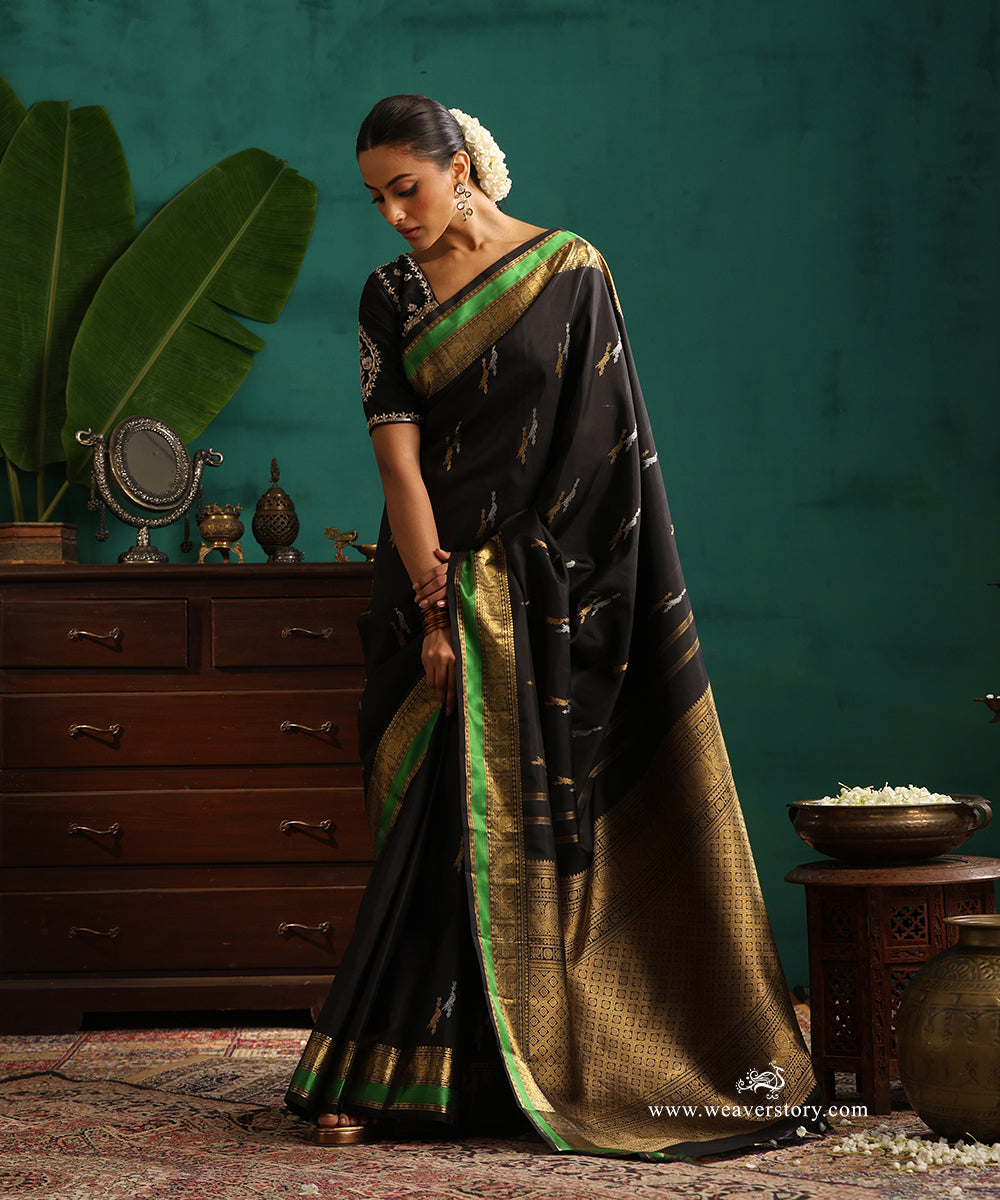
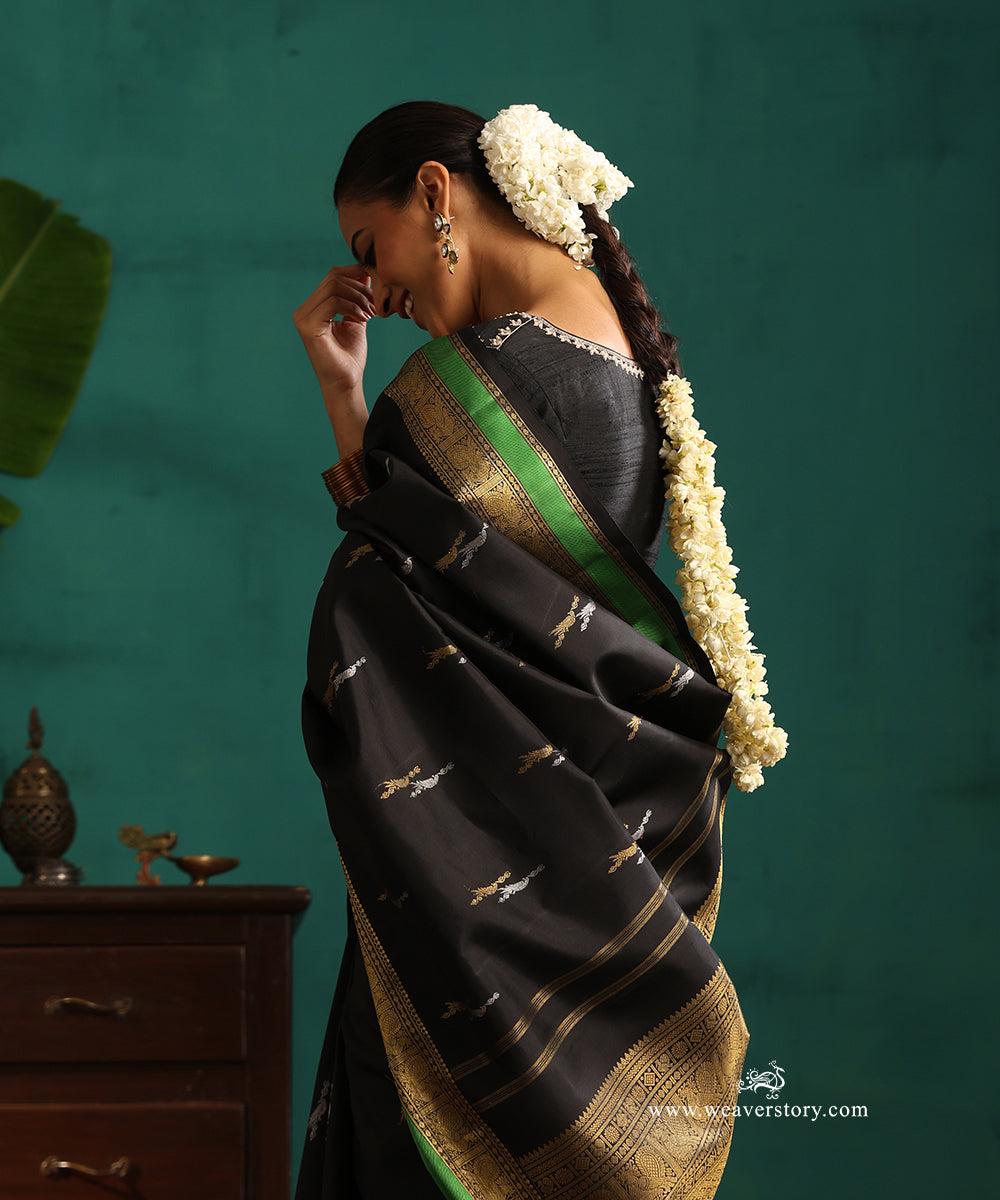 Black Handloom Pure Silk Pure Zari Kajiva... Black Handloom Pure Silk Pure Zari Kajivaram Saree With Killi Motifs And Annapakshi Border With Green Thread Work
- Regular price
-
₹ 65,592 - Regular price
-
₹ 81,990 - Sale price
-
₹ 65,592
-
Hot Pink Handloom Pure Silk Pure Zari Kanjivaram Saree With Ganderberunda Motif With Veldhari And Temple Border
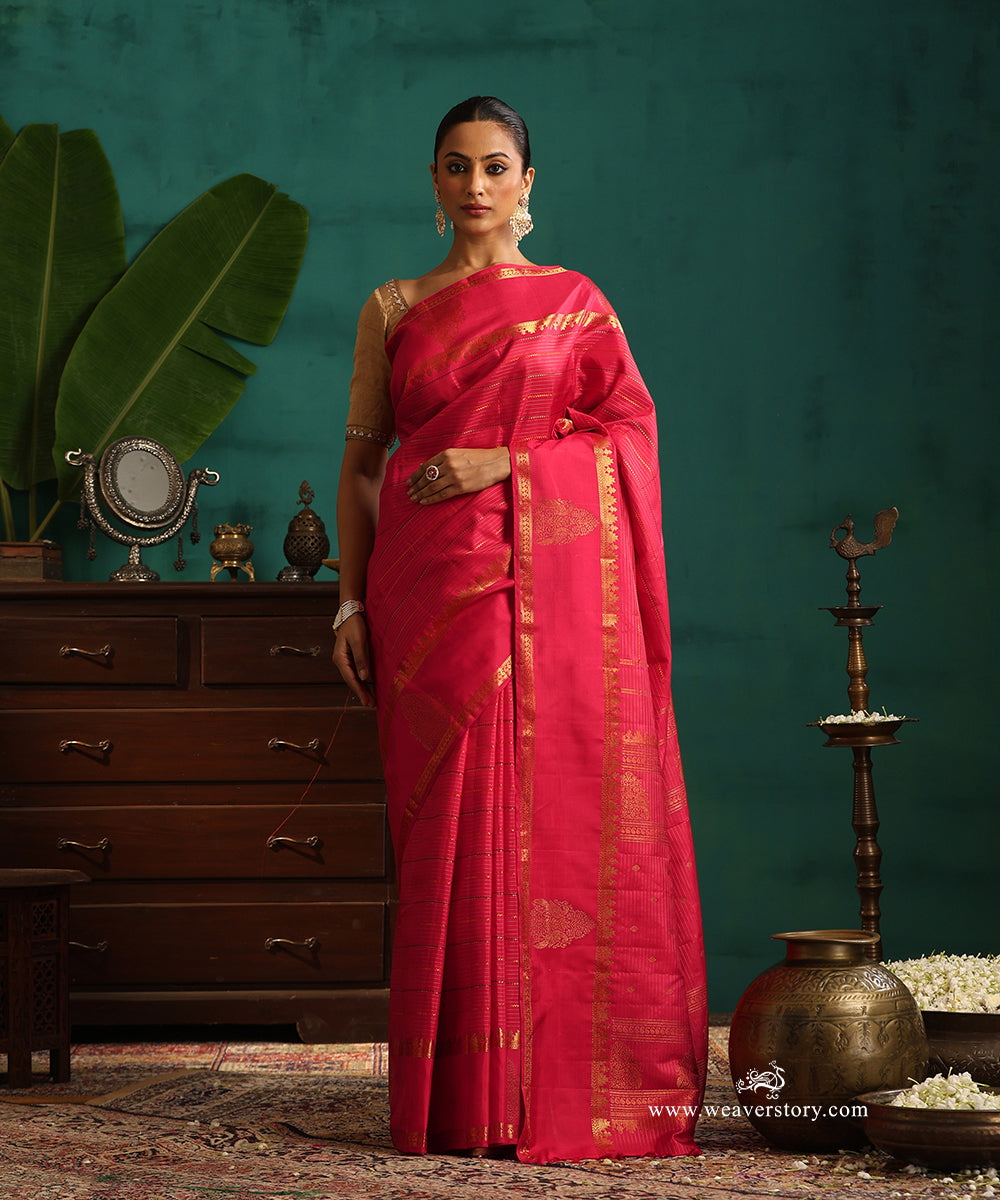
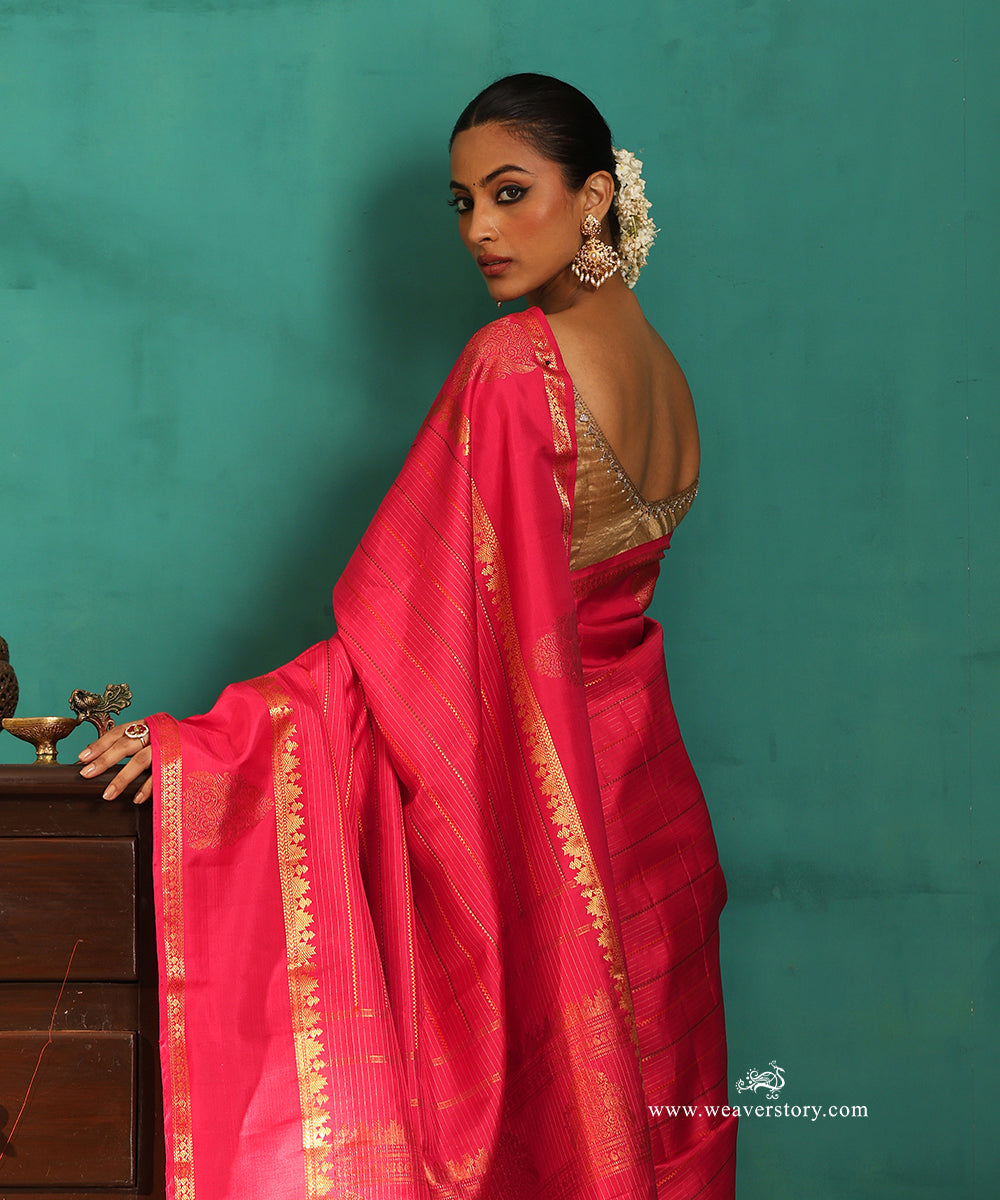 Hot Pink Handloom Pure Silk Pure Zari Kan... Hot Pink Handloom Pure Silk Pure Zari Kanjivaram Saree With Ganderberunda Motif With Veldhari And Temple Border
- Regular price
-
₹ 66,392 - Regular price
-
₹ 82,990 - Sale price
-
₹ 66,392
-
Cream Handloom Pure Silk Pure Zari Kanjivaram Saree With Elephant Motifs And Blue Korwai Border
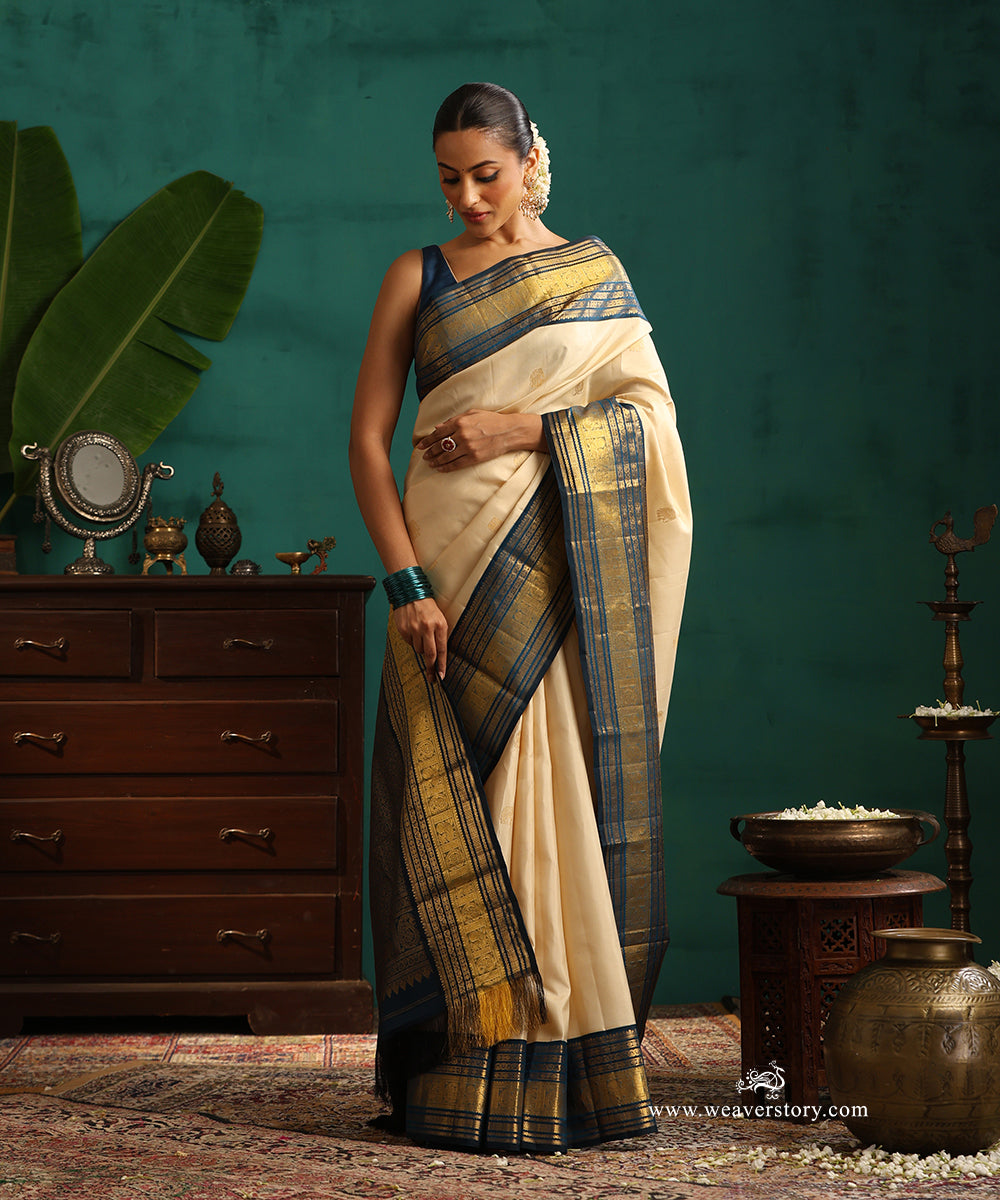
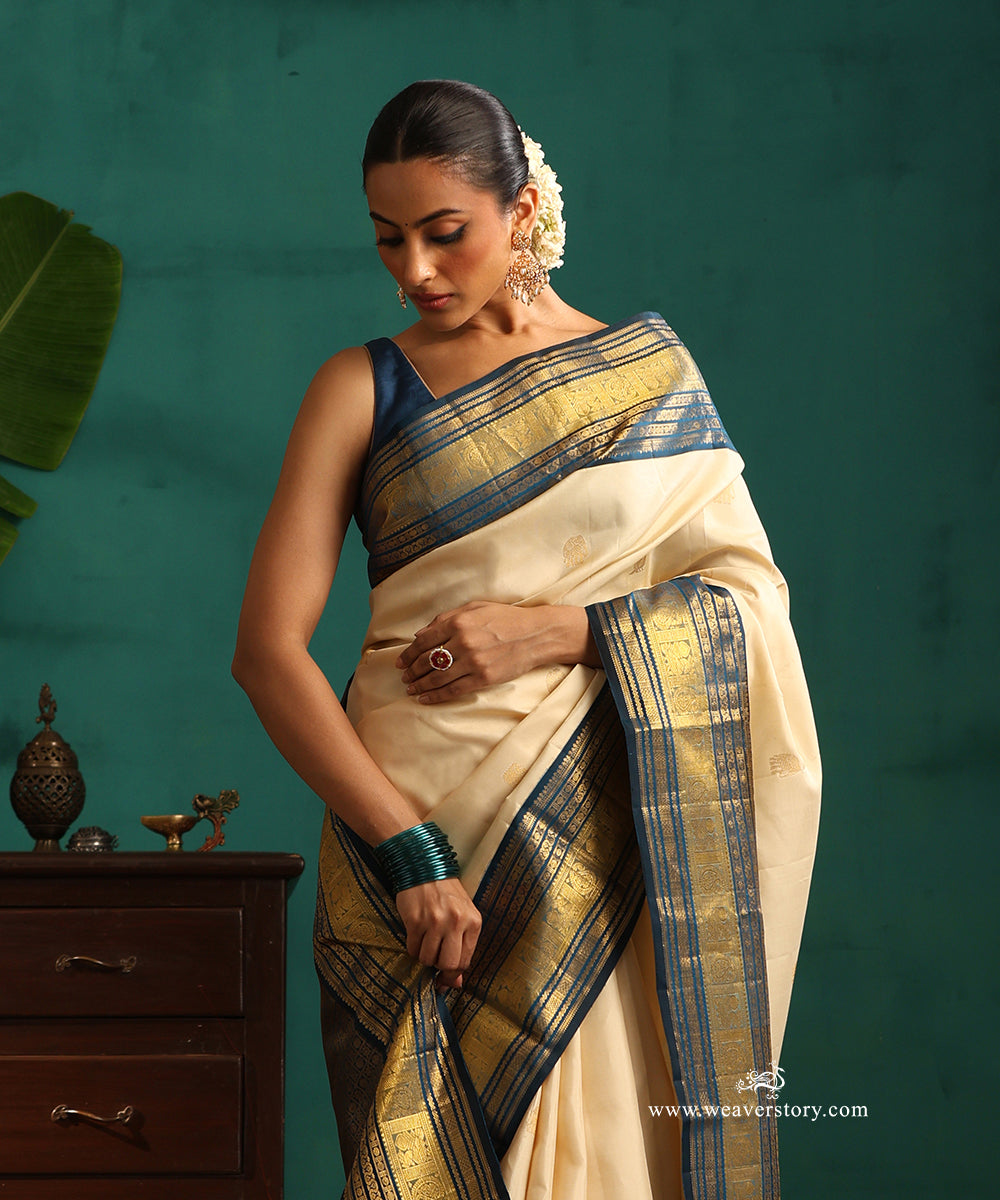 Cream Handloom Pure Silk Pure Zari Kanjiv... Cream Handloom Pure Silk Pure Zari Kanjivaram Saree With Elephant Motifs And Blue Korwai Border
- Regular price
-
₹ 38,392 - Regular price
-
₹ 47,990 - Sale price
-
₹ 38,392
-
Aqua Green Handloom Pure Silk Kanjivaram Silk Saree With Deer Motifs And Rust Korwai Border
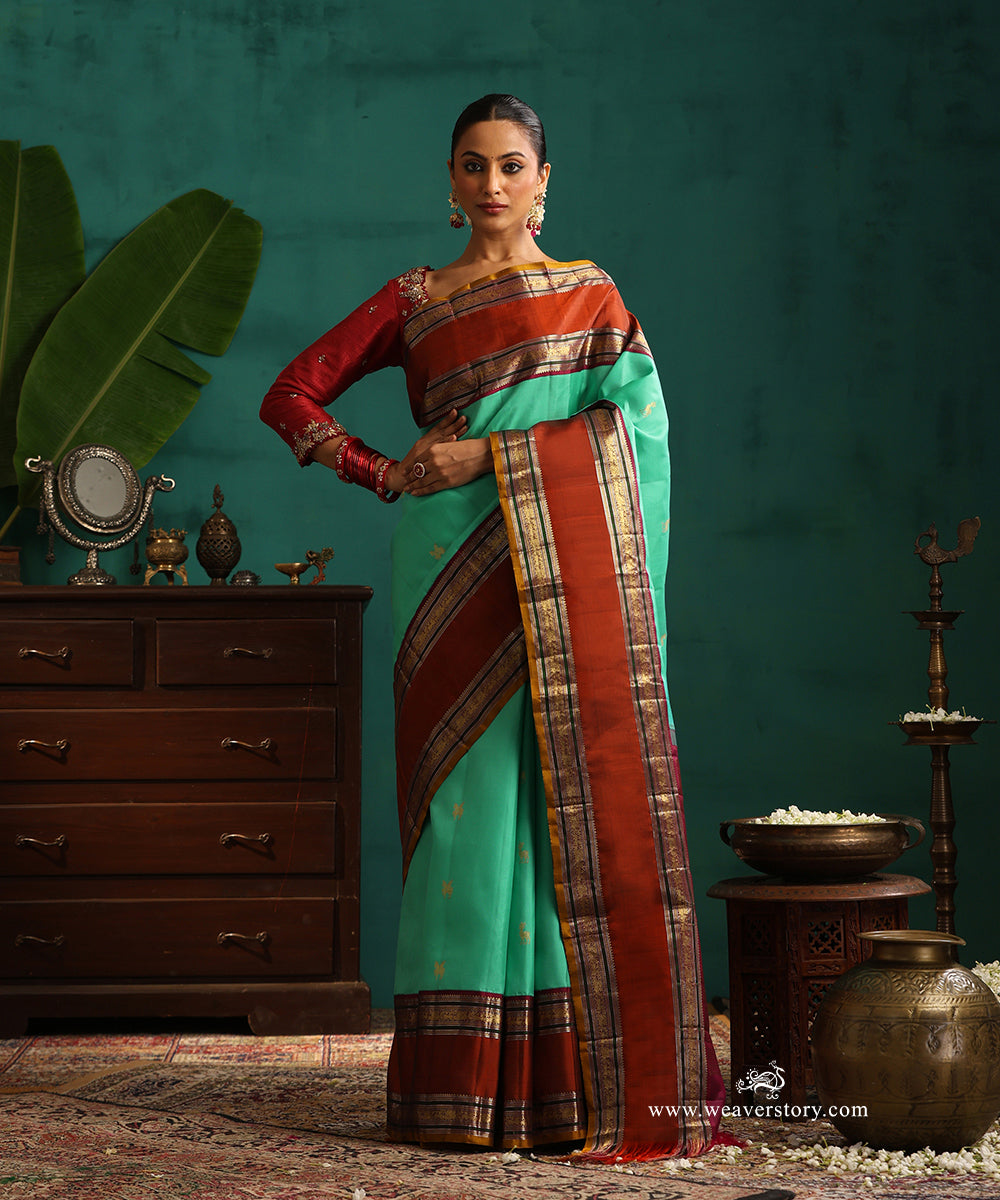
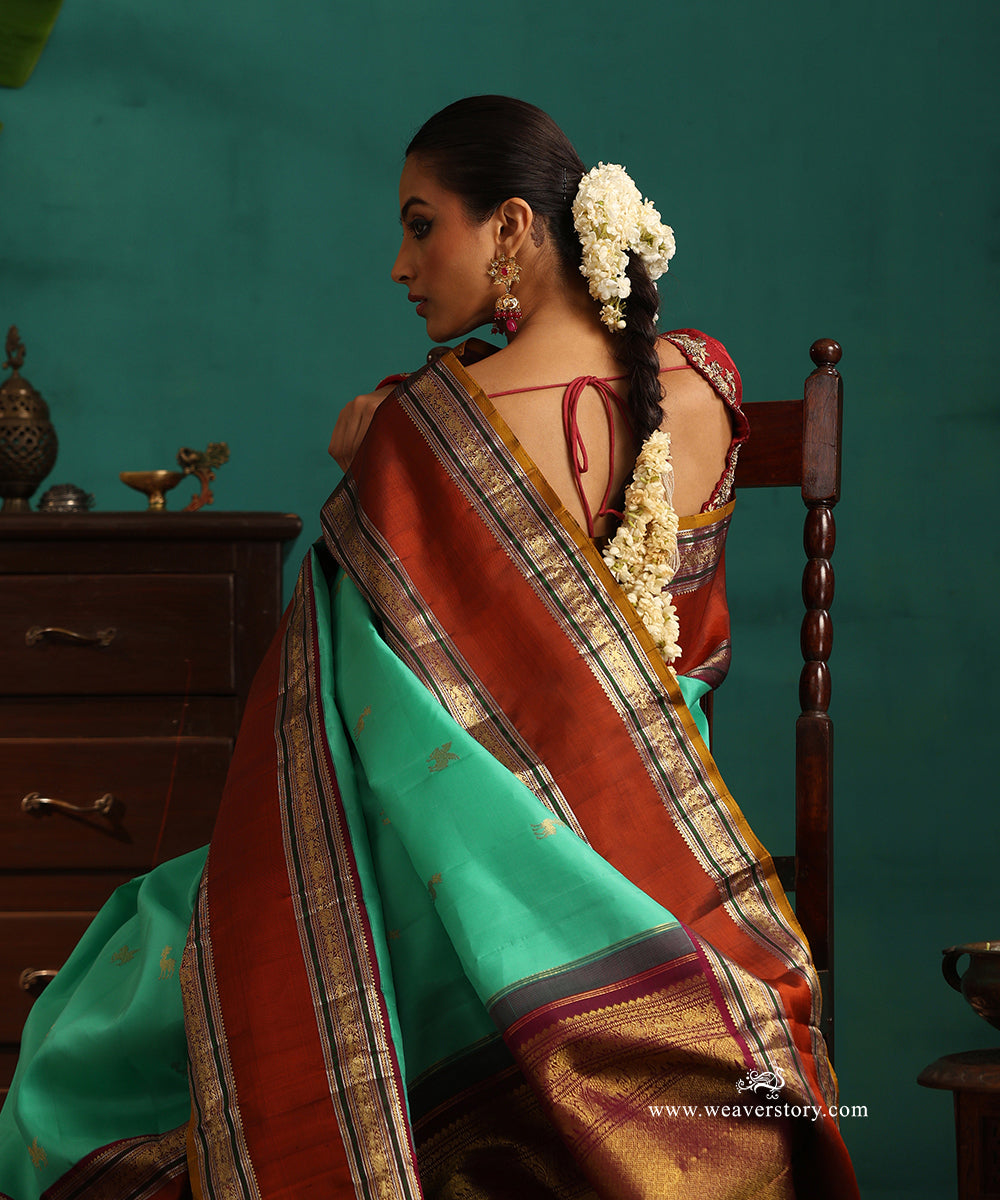 Aqua Green Handloom Pure Silk Kanjivaram ... Aqua Green Handloom Pure Silk Kanjivaram Silk Saree With Deer Motifs And Rust Korwai Border
- Regular price
-
₹ 43,192 - Regular price
-
₹ 53,990 - Sale price
-
₹ 43,192
-
Maroon Handloom Pure Silk Kanjivaram Saree With Allover Checks And Gold Zari Border
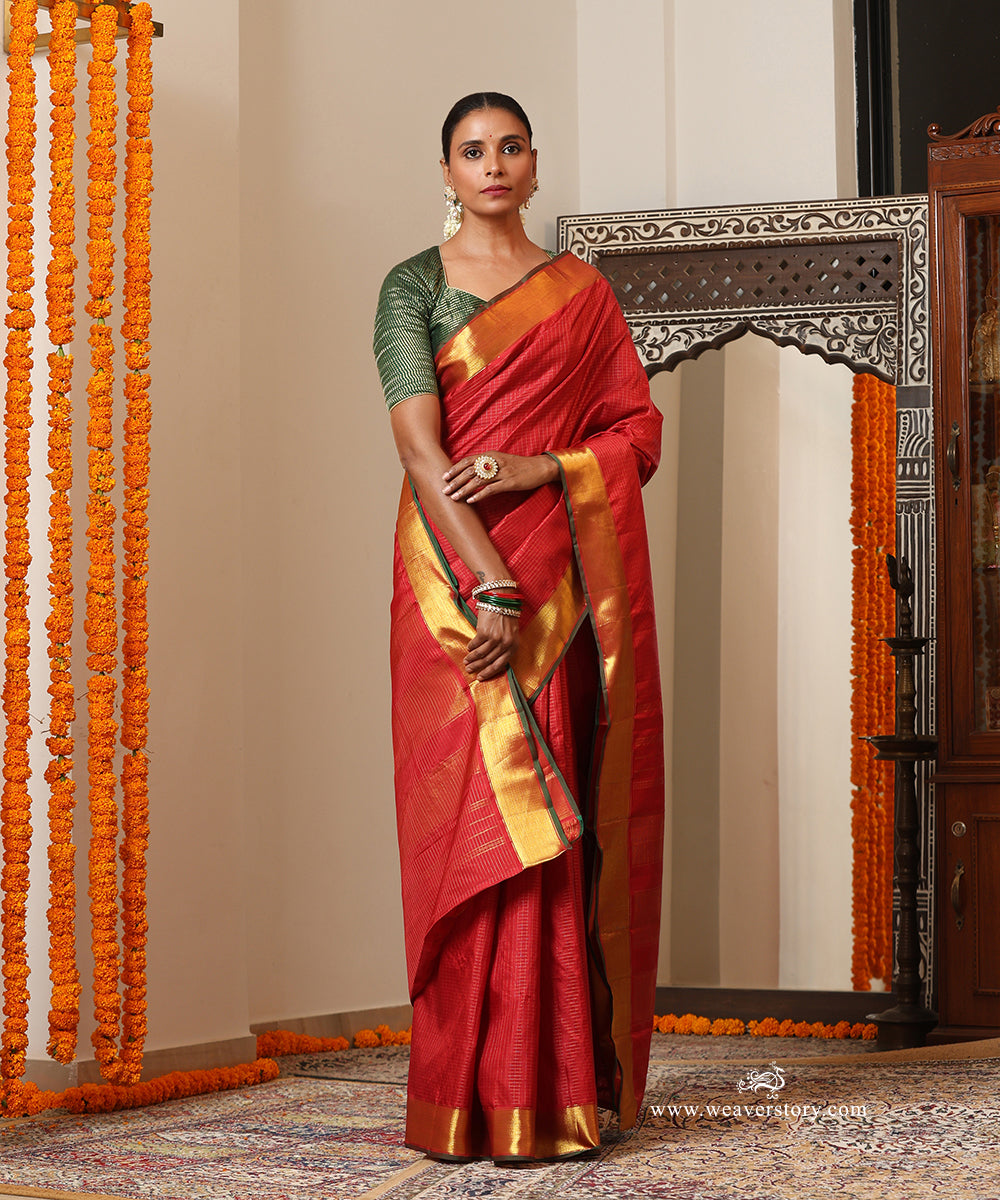
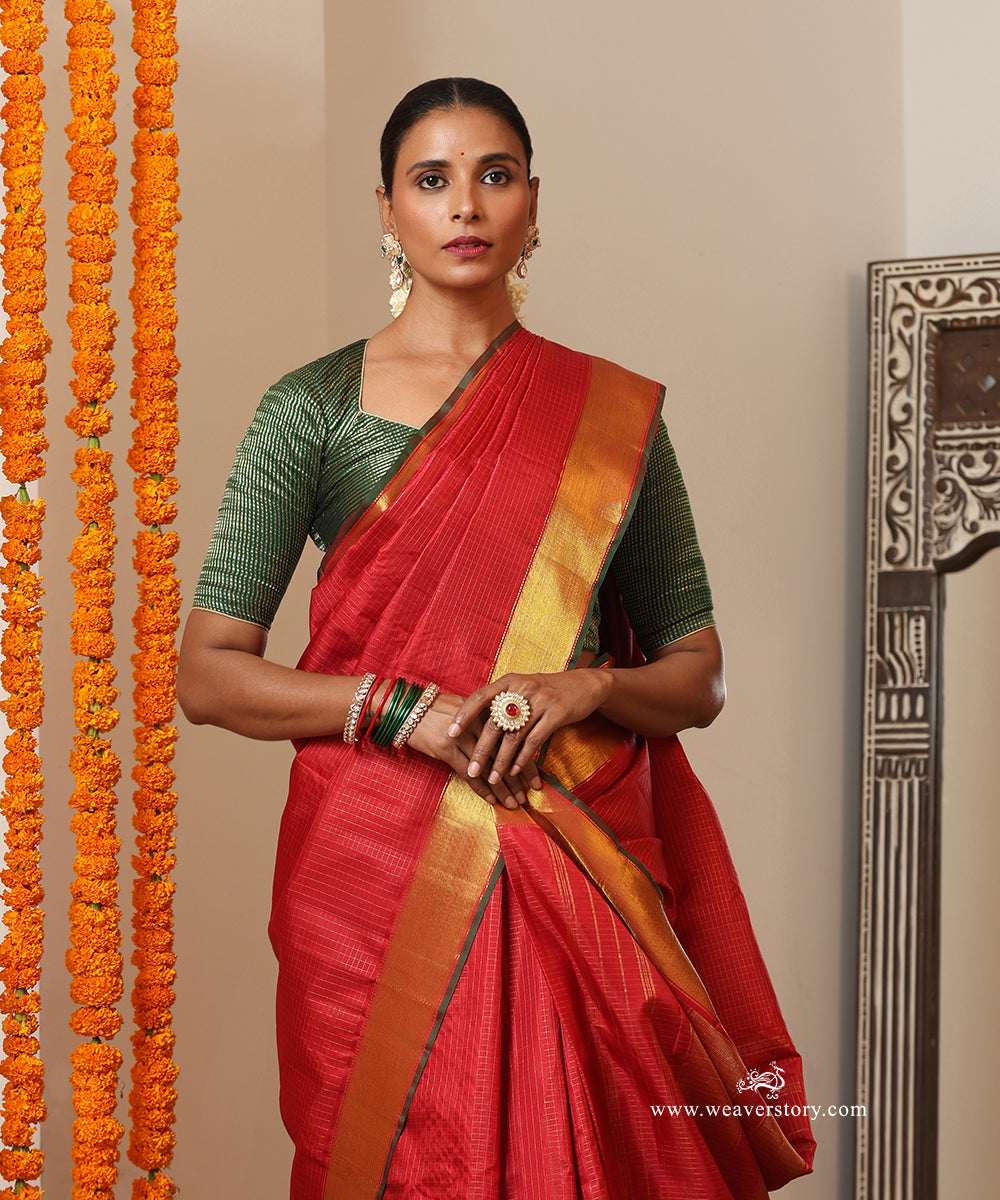 Maroon Handloom Pure Silk Kanjivaram Sare... Maroon Handloom Pure Silk Kanjivaram Saree With Allover Checks And Gold Zari Border
- Regular price
-
₹ 24,792 - Regular price
-
₹ 30,990 - Sale price
-
₹ 24,792
-
Magenta Handloom Pure Silk Kanjivaram Saree With Pista And Gold Ambi Motif Zari Border
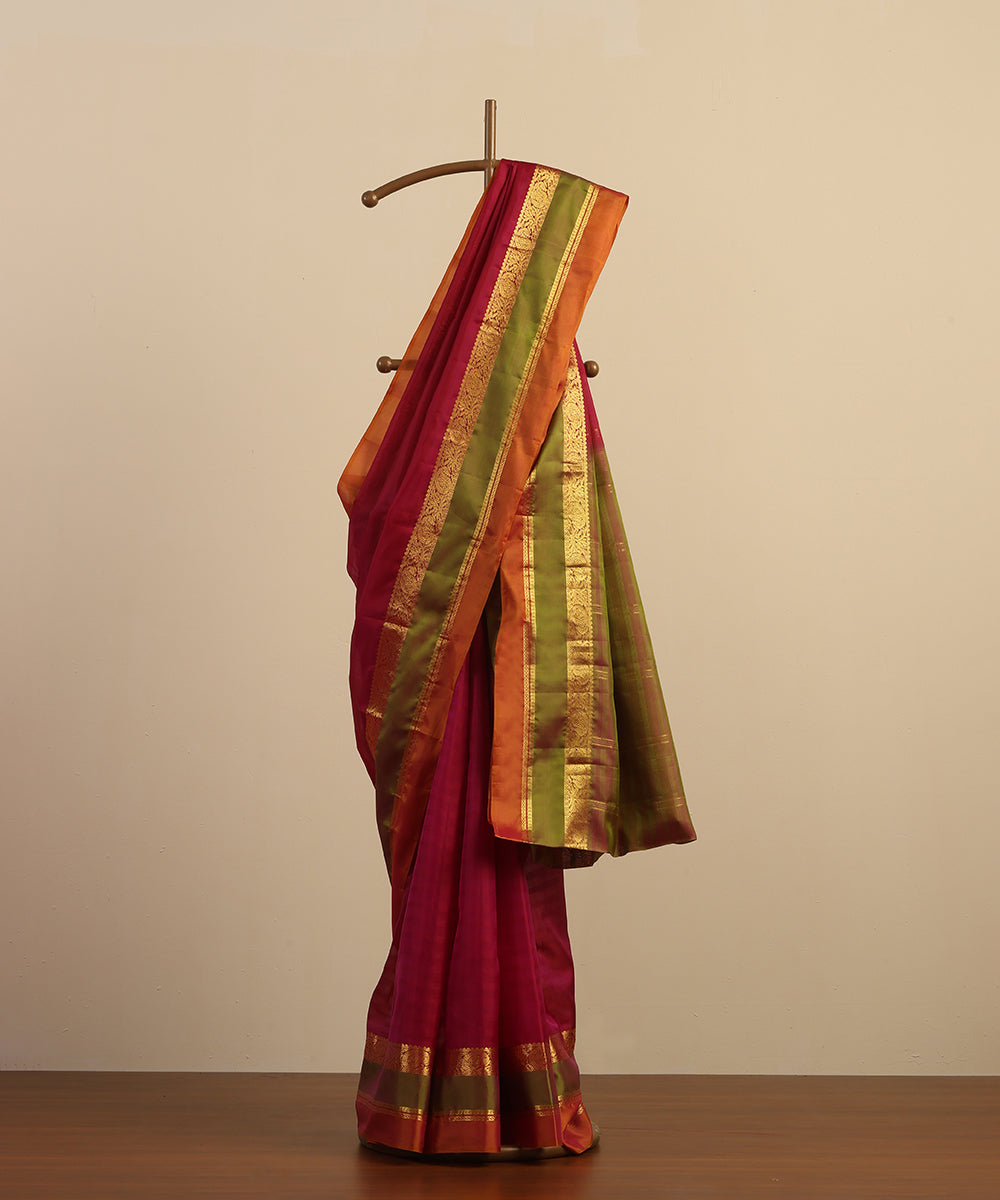
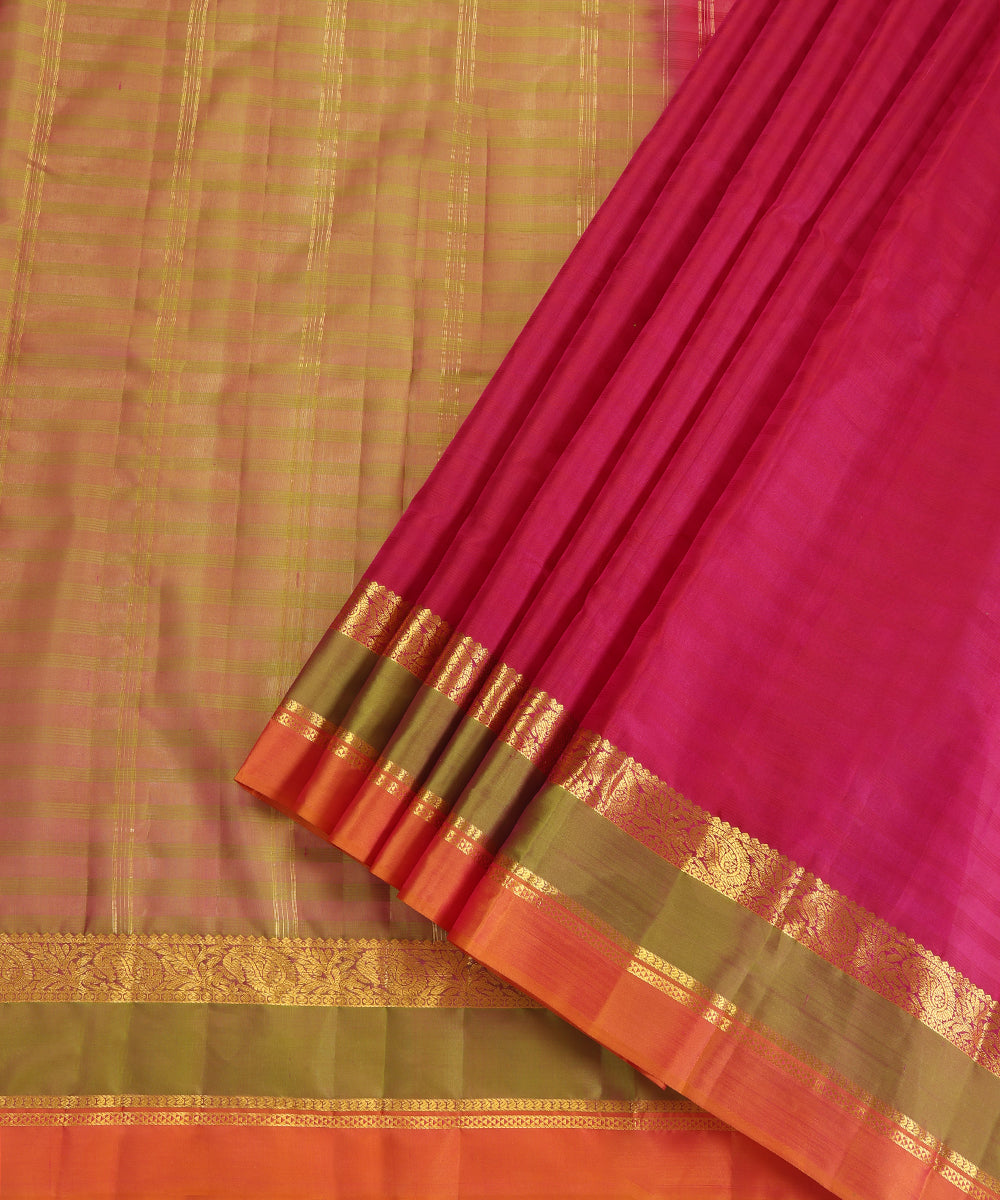 Magenta Handloom Pure Silk Kanjivaram Sar... Magenta Handloom Pure Silk Kanjivaram Saree With Pista And Gold Ambi Motif Zari Border
- Regular price
-
₹ 10,392 - Regular price
-
₹ 12,990 - Sale price
-
₹ 10,392
-
Parrot Green Handloom Pure Silk Kanjivaram Saree With Magenta And Gold Zari Border
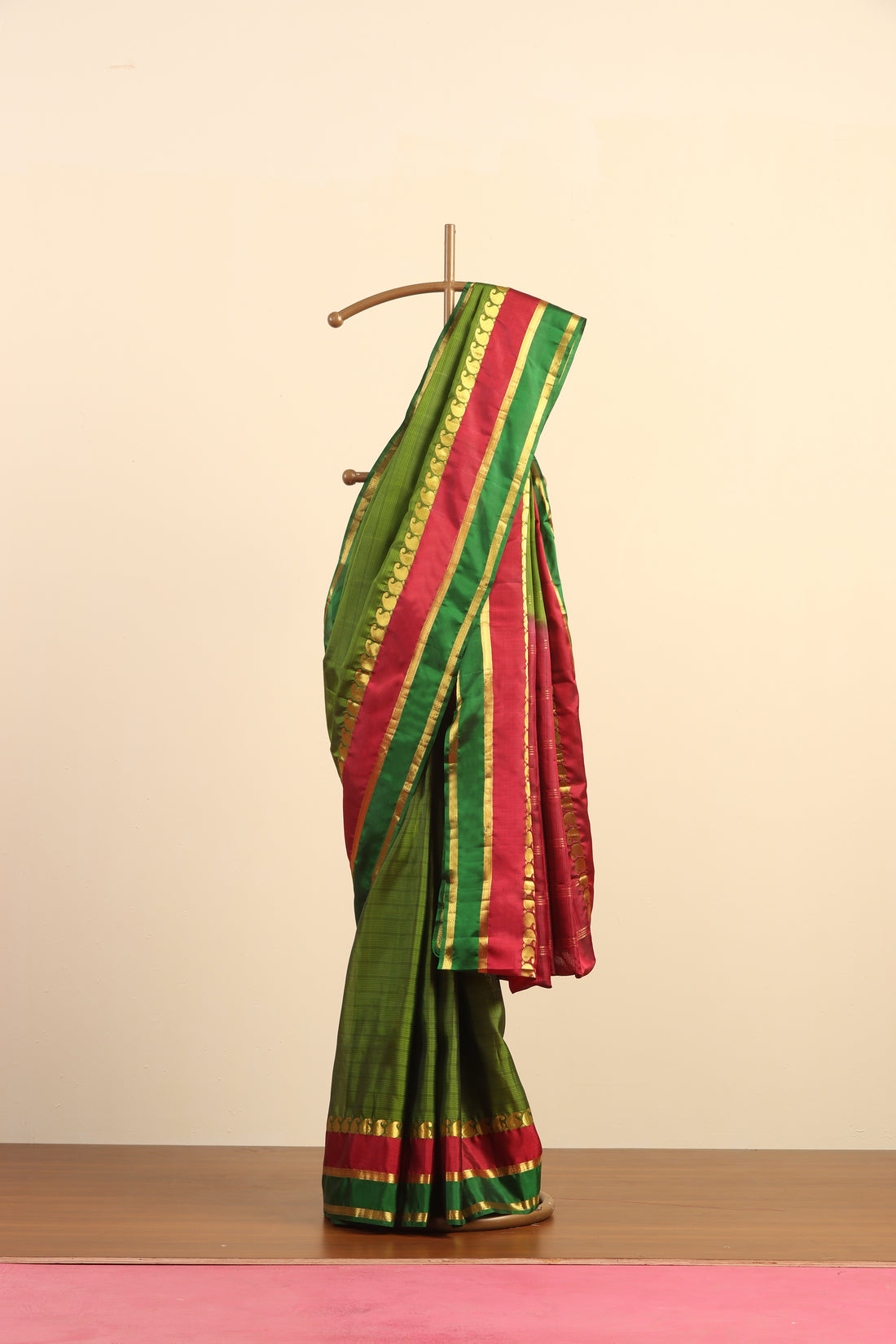
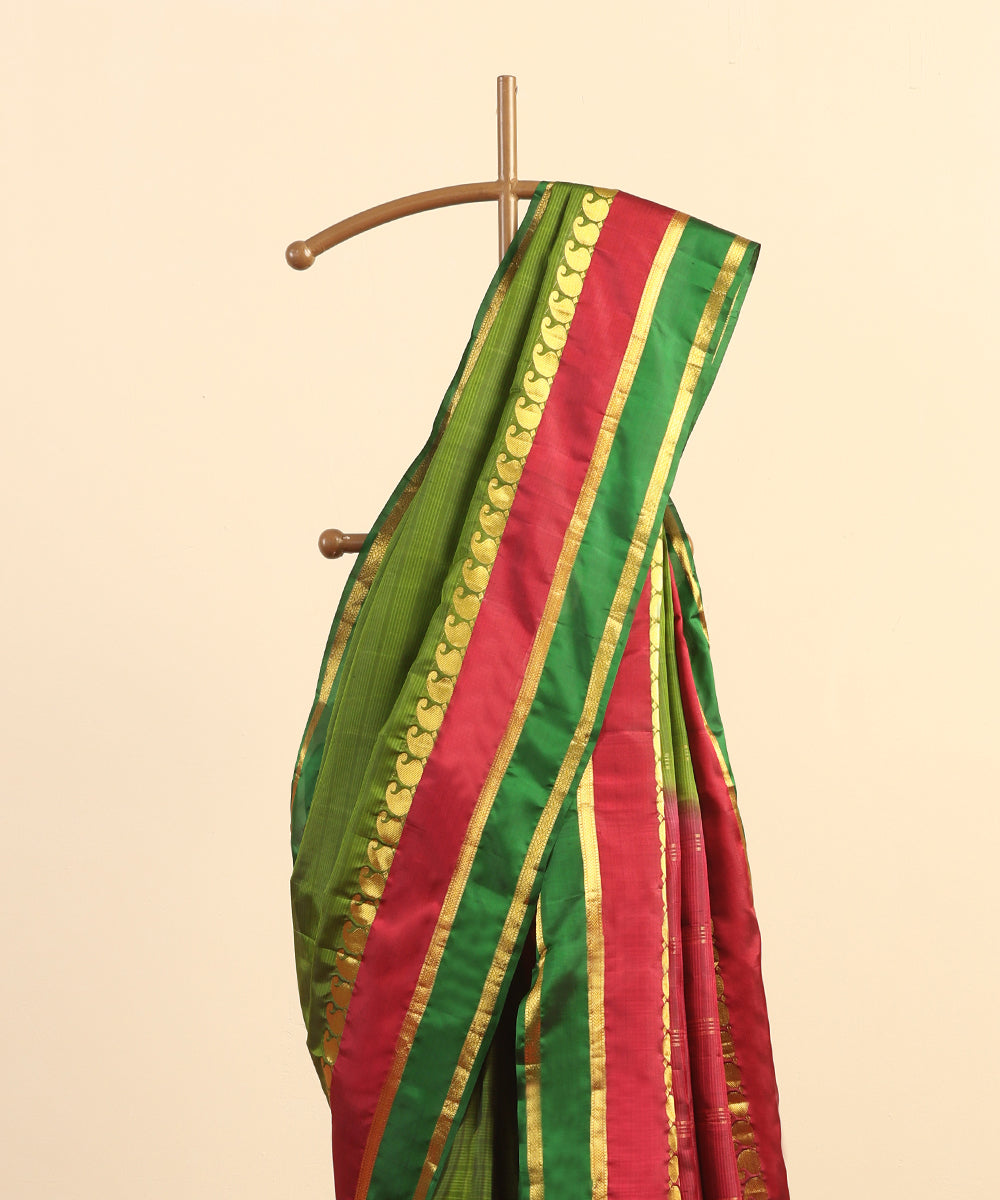 Parrot Green Handloom Pure Silk Kanjivara... Parrot Green Handloom Pure Silk Kanjivaram Saree With Magenta And Gold Zari Border
- Regular price
-
₹ 10,392 - Regular price
-
₹ 12,990 - Sale price
-
₹ 10,392
-
Wine Handloom Pure Silk Kanjivaram Saree With Magenta And Gold Ambi Zari Border
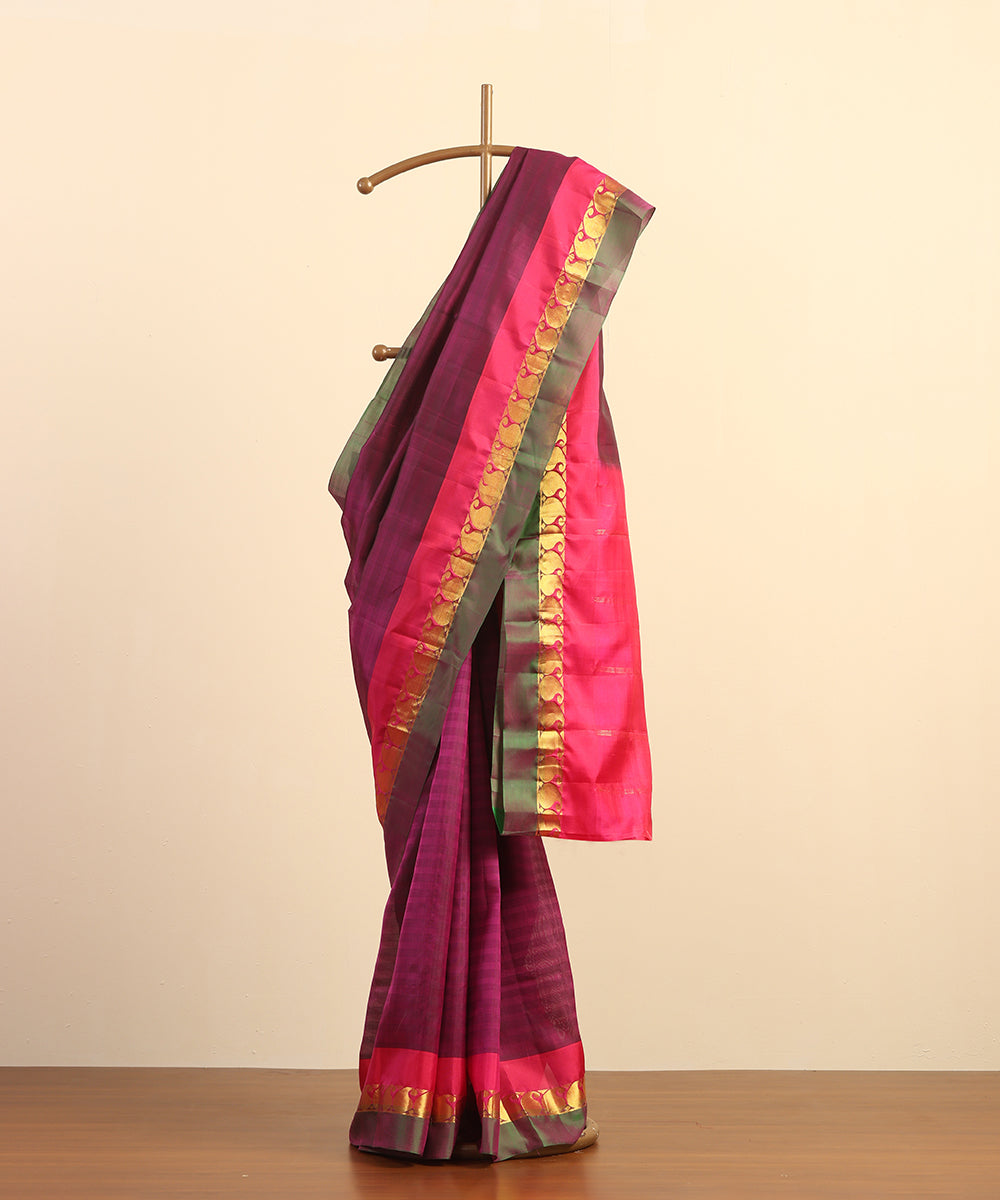
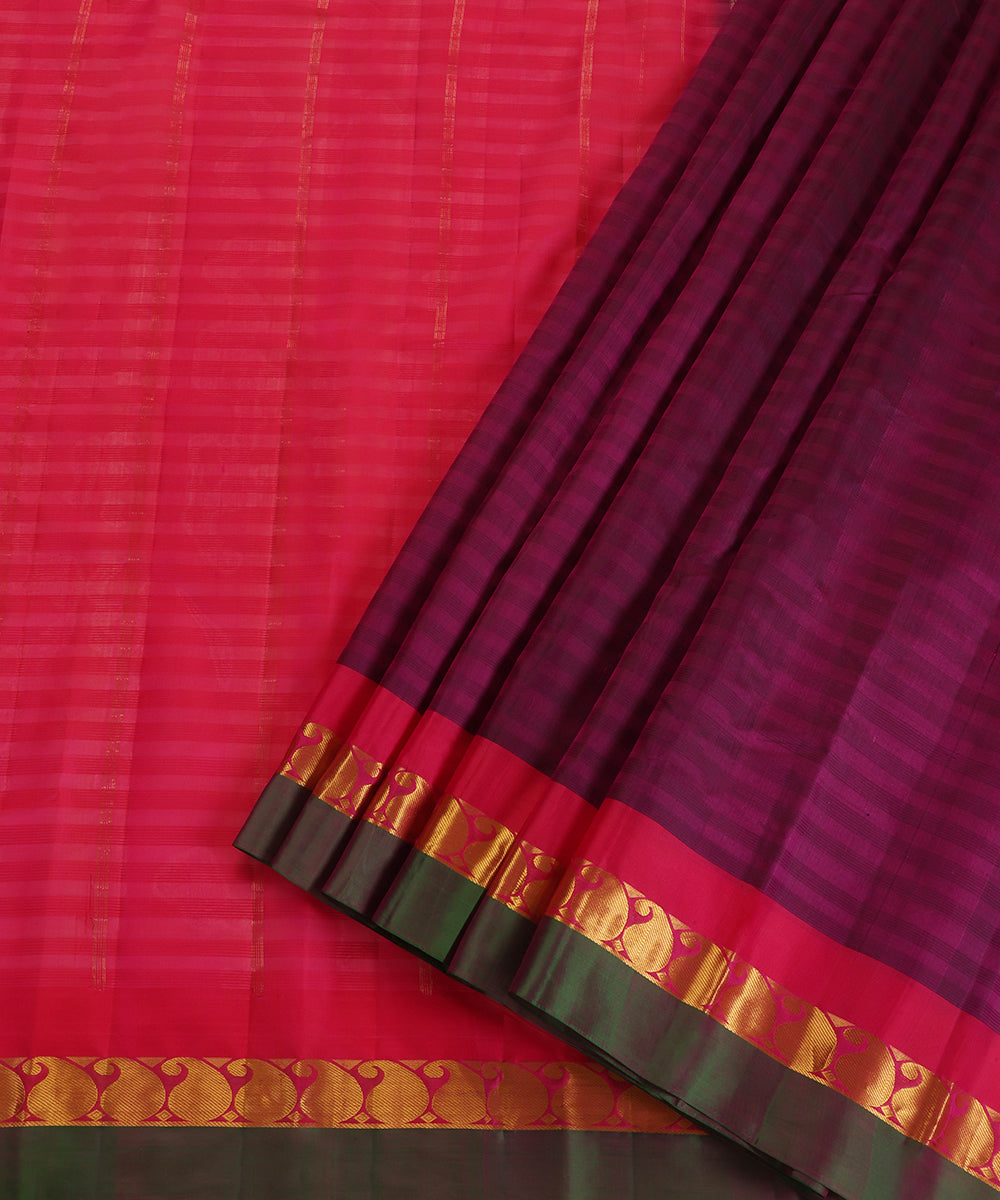 Wine Handloom Pure Silk Kanjivaram Saree ... Wine Handloom Pure Silk Kanjivaram Saree With Magenta And Gold Ambi Zari Border
- Regular price
-
₹ 10,392 - Regular price
-
₹ 12,990 - Sale price
-
₹ 10,392
-
Mauve Handloom Pure Silk Kanjivaram Saree With Pink Border with Paisleys
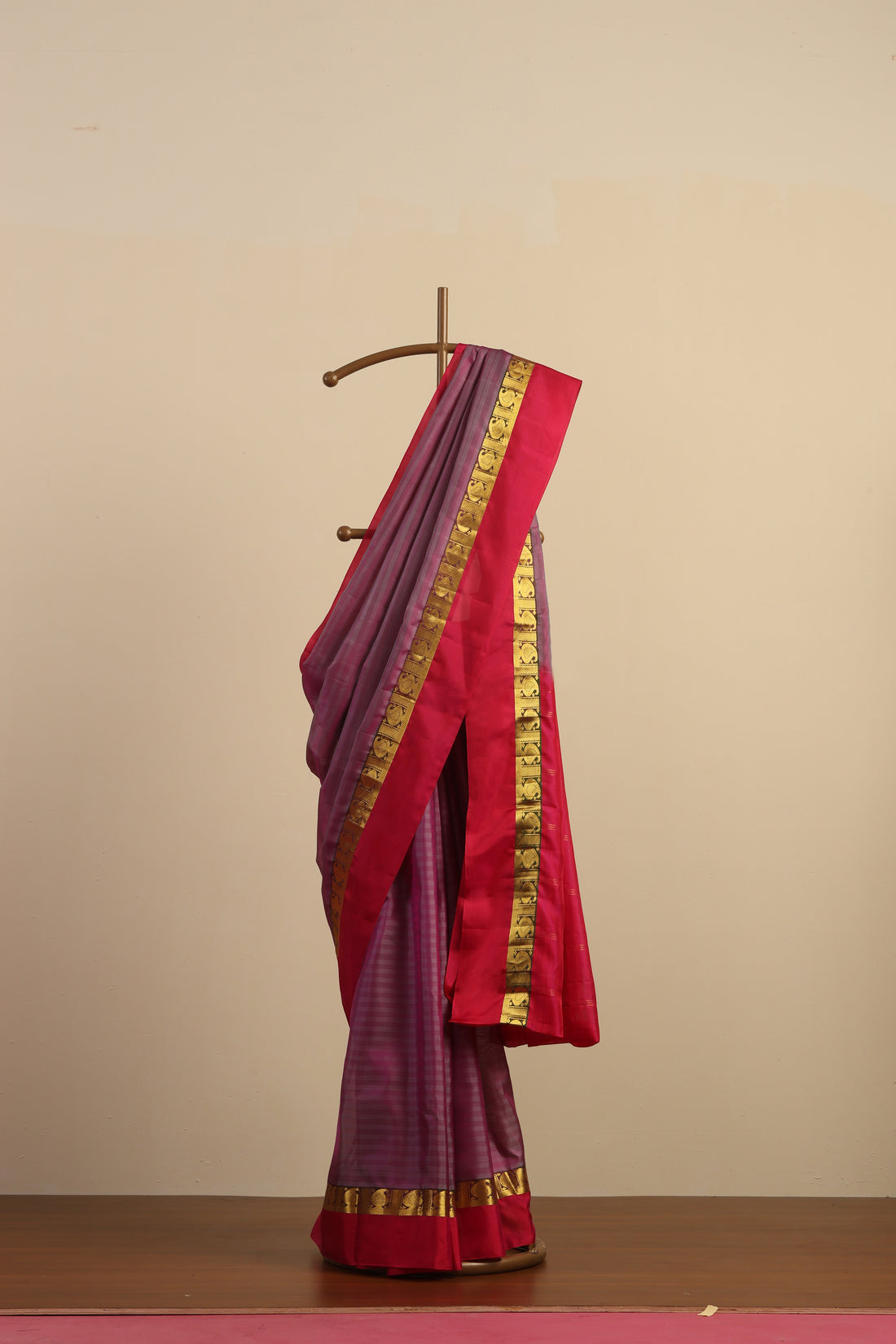
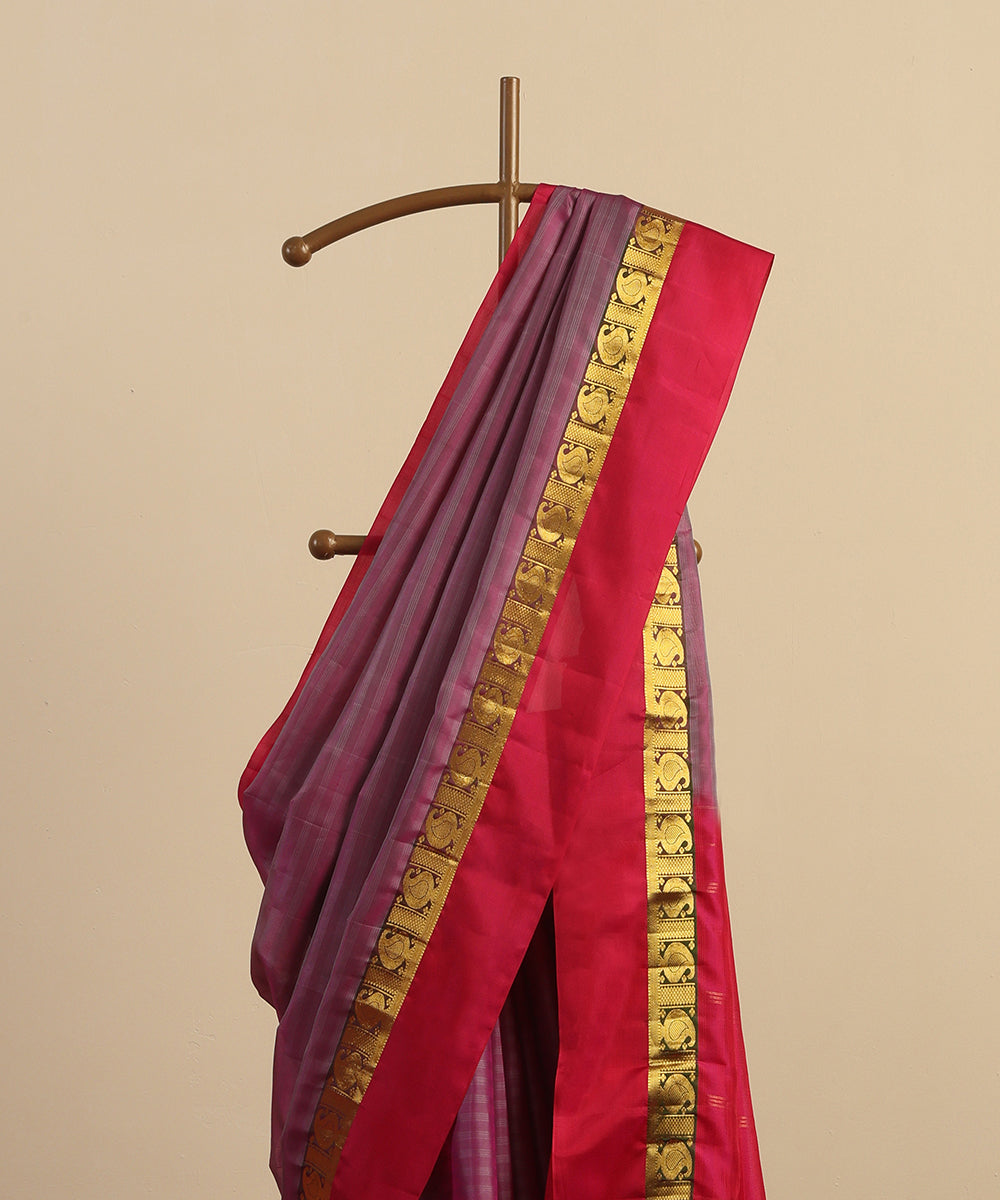 Mauve Handloom Pure Silk Kanjivaram Saree... Mauve Handloom Pure Silk Kanjivaram Saree With Pink Border with Paisleys
- Regular price
-
₹ 10,392 - Regular price
-
₹ 12,990 - Sale price
-
₹ 10,392
-
Handloom Pink Pure Silk Vaira Oosie Kanjivaram Saree With Pure Zari
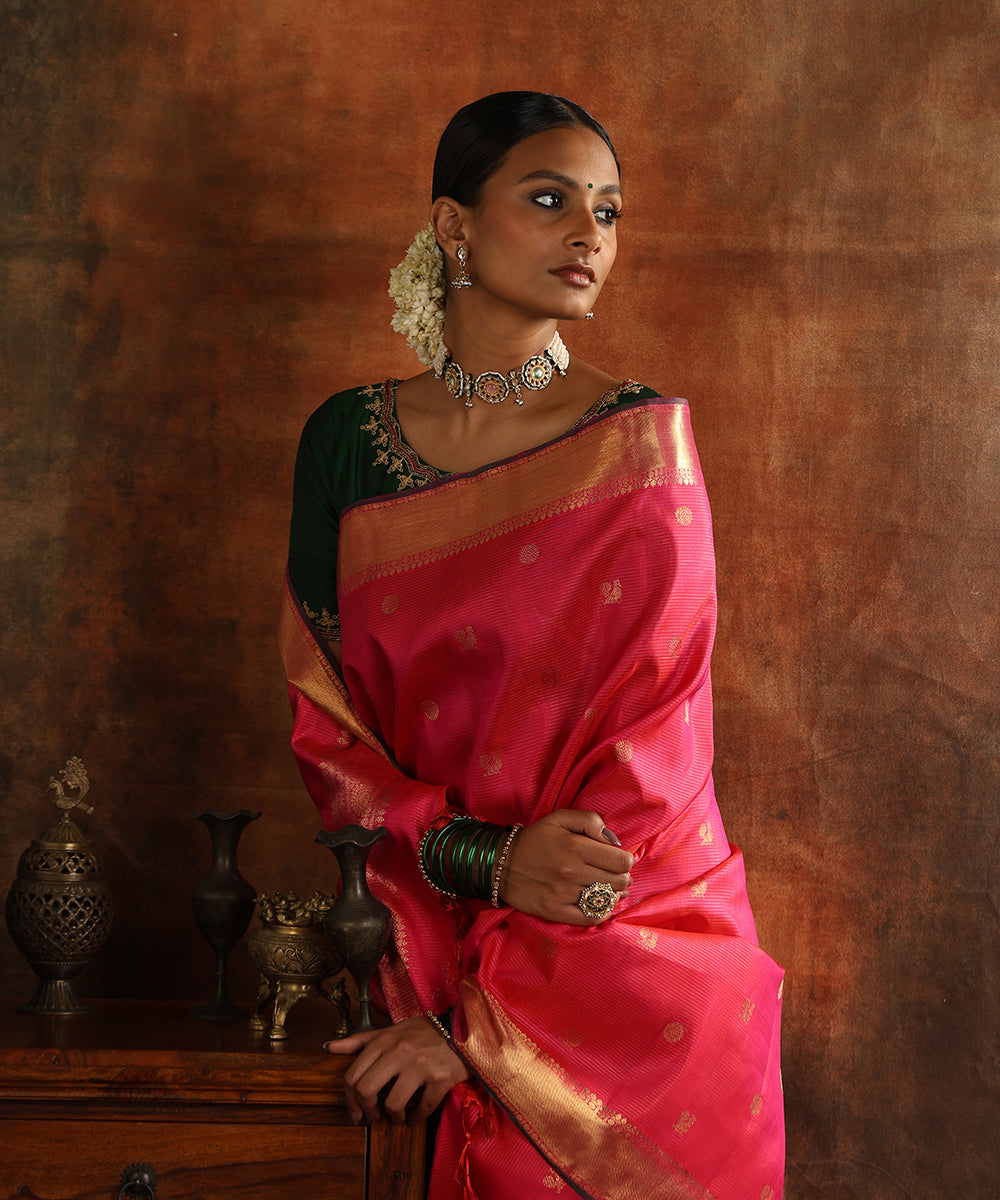
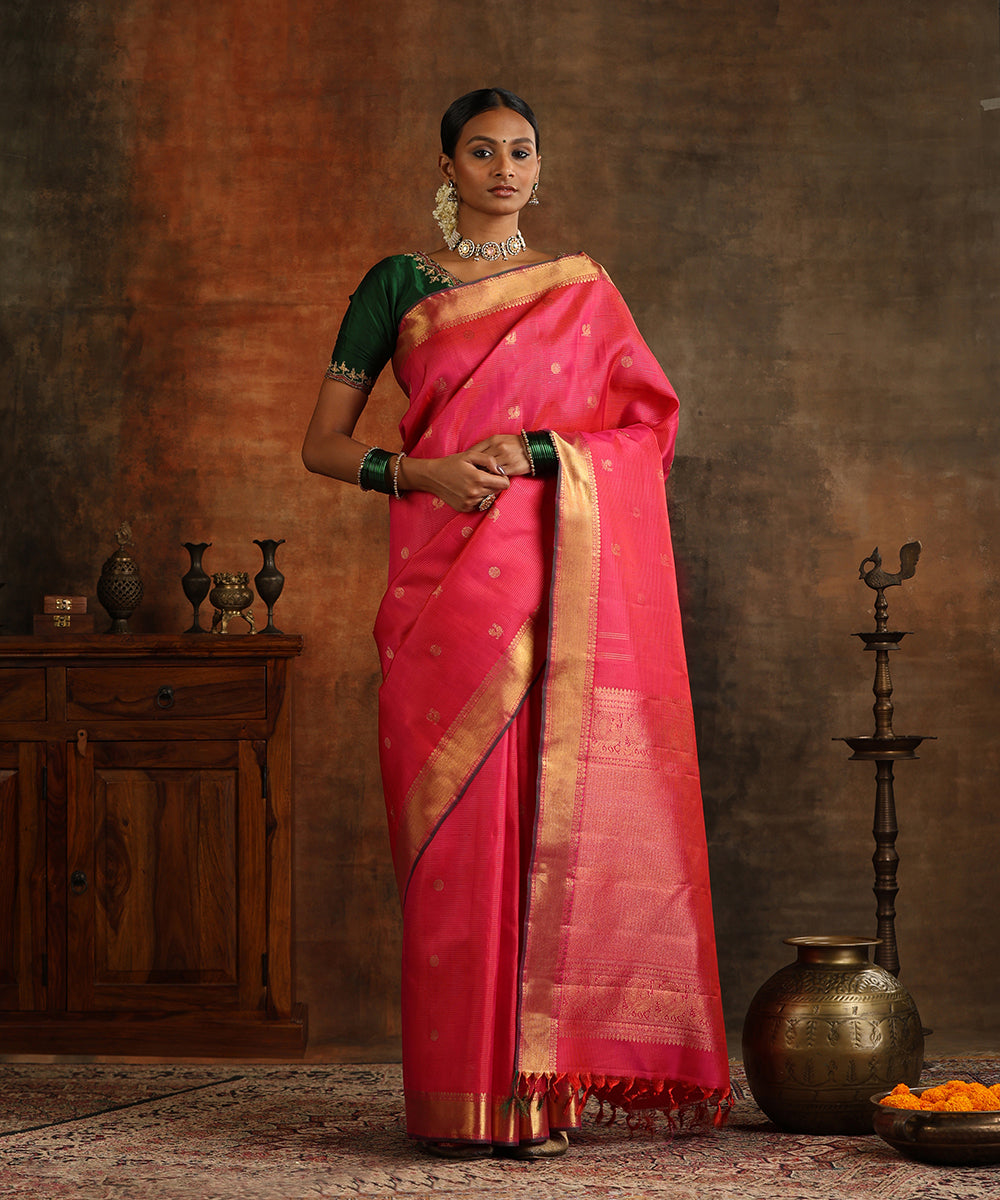 Handloom Pink Pure Silk Vaira Oosie Kanji... Handloom Pink Pure Silk Vaira Oosie Kanjivaram Saree With Pure Zari
- Regular price
-
₹ 54,392 - Regular price
-
₹ 67,990 - Sale price
-
₹ 54,392
-
Copper Sulphate Blue Handloom Pure Silk Kanjivaram Saree With Purple Checks And Purple Border
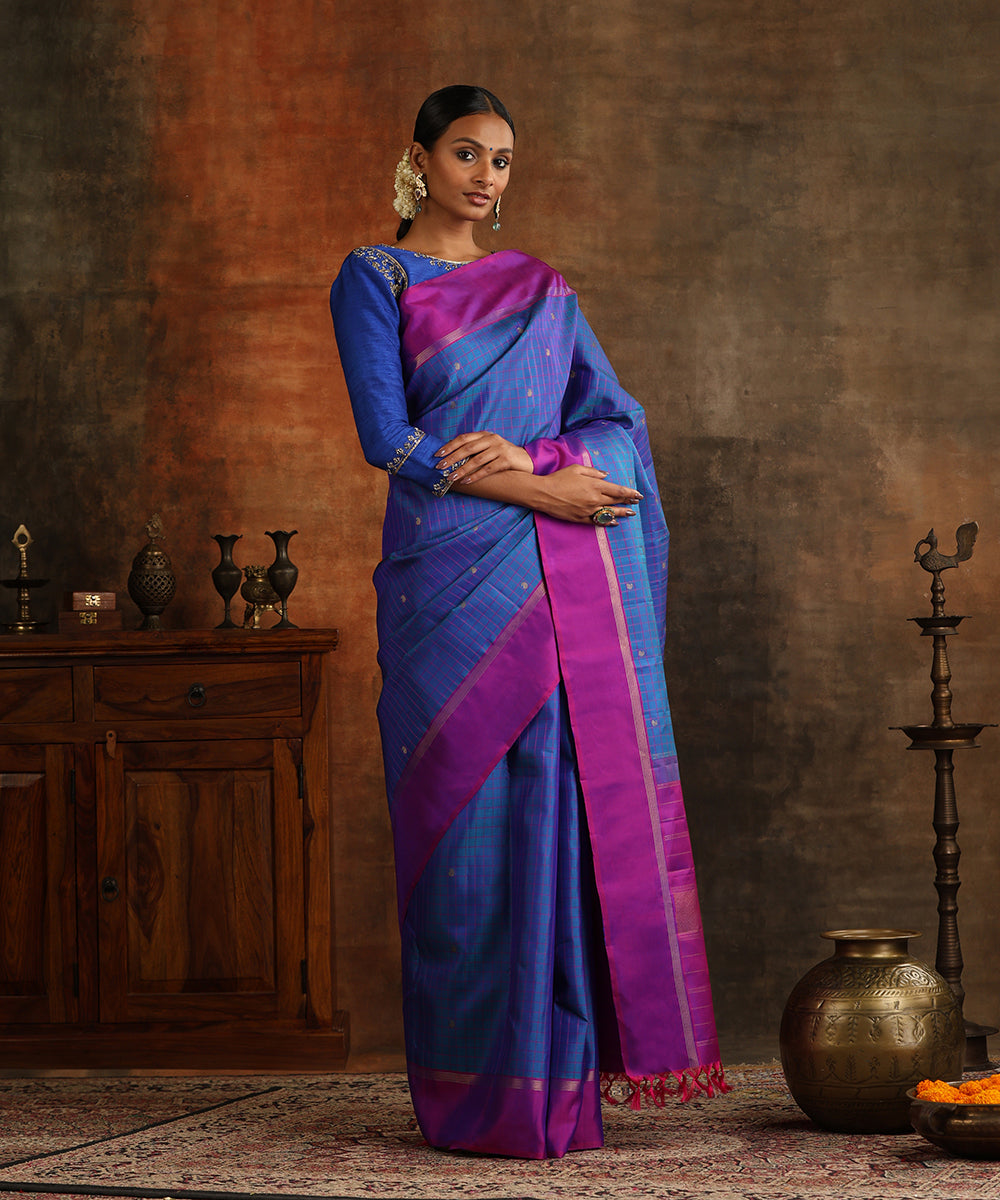
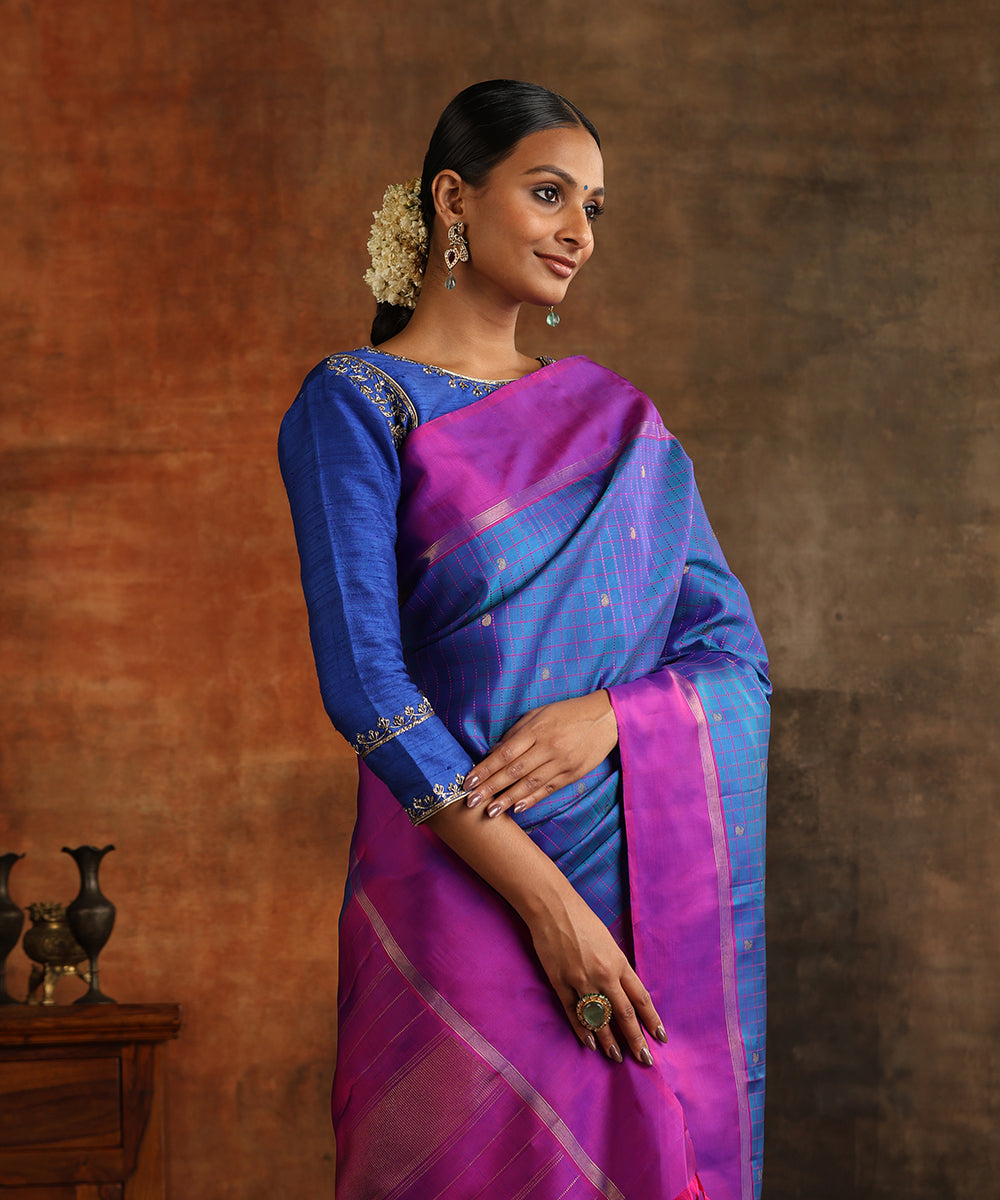 Copper Sulphate Blue Handloom Pure Silk K... Copper Sulphate Blue Handloom Pure Silk Kanjivaram Saree With Purple Checks And Purple Border
- Regular price
-
₹ 24,792 - Regular price
-
₹ 30,990 - Sale price
-
₹ 24,792
-
Mango Yellow Handloom Pure Kanjivaram Saree With Bootas And Orange And Red Elephant Motifs Korwai Border
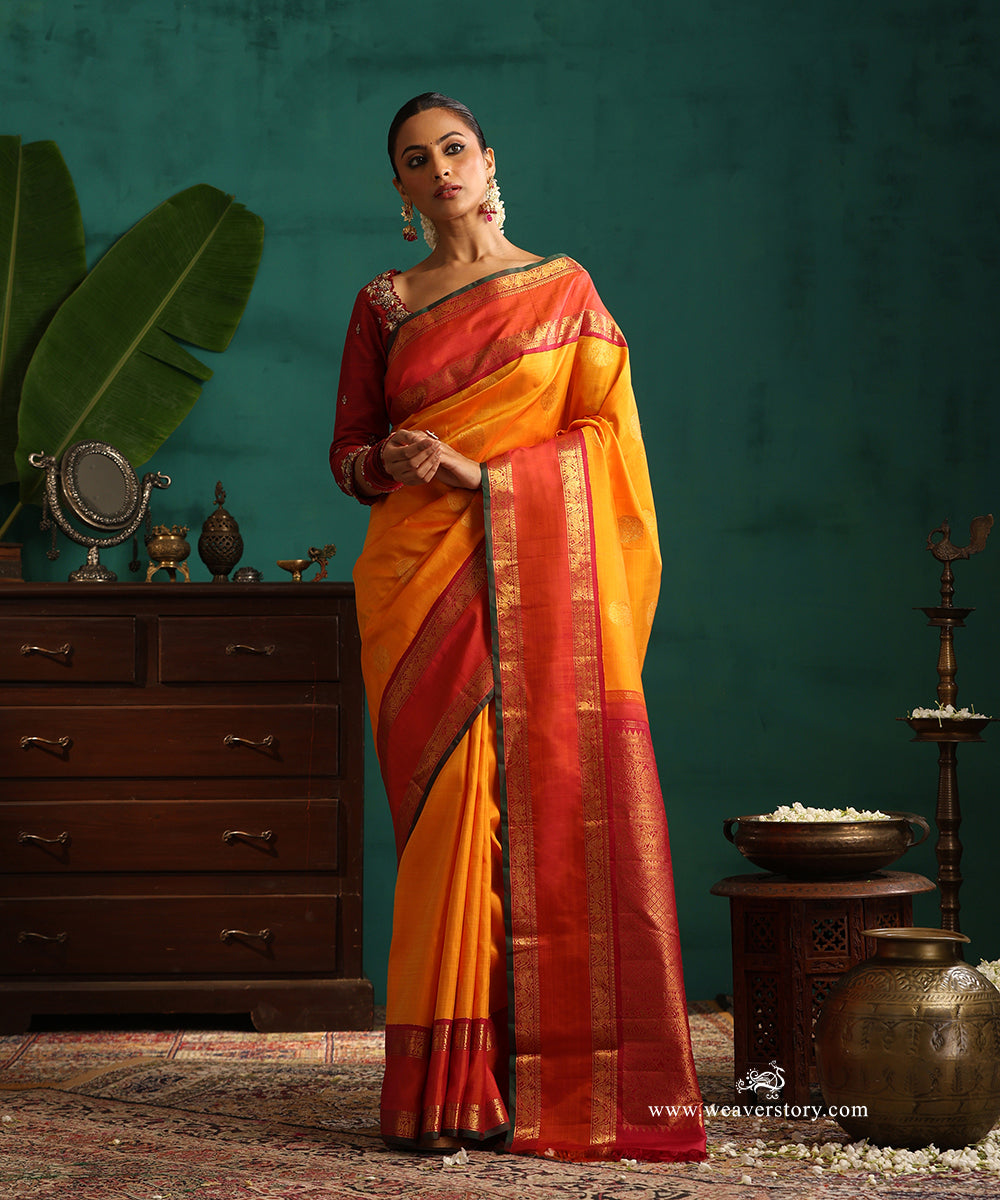
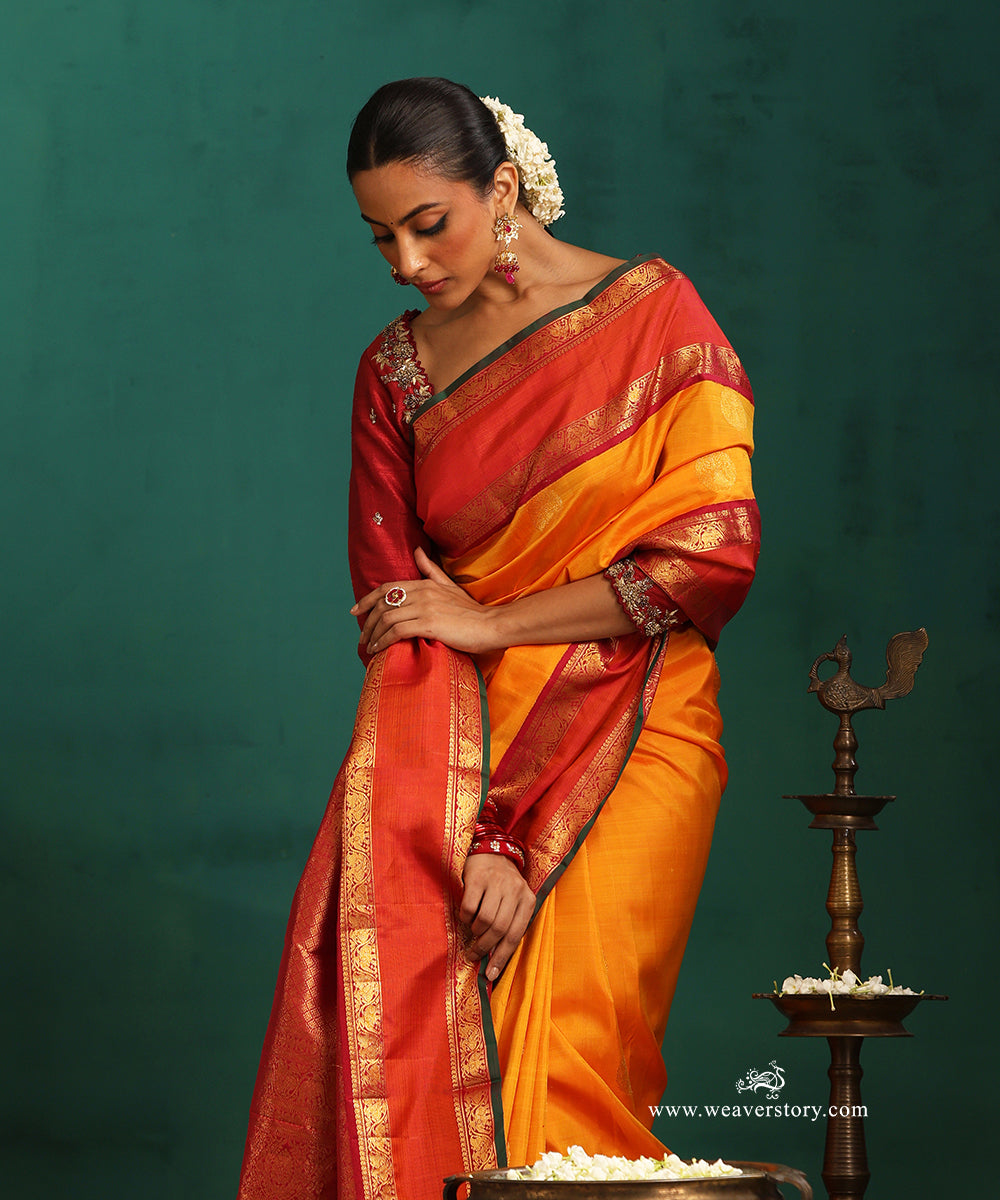 Mango Yellow Handloom Pure Kanjivaram Sar... Mango Yellow Handloom Pure Kanjivaram Saree With Bootas And Orange And Red Elephant Motifs Korwai Border
- Regular price
-
₹ 33,592 - Regular price
-
₹ 41,990 - Sale price
-
₹ 33,592
-
Bottle Green Handloom Plain Pure Silk Kanjivaram Saree With Wine Border
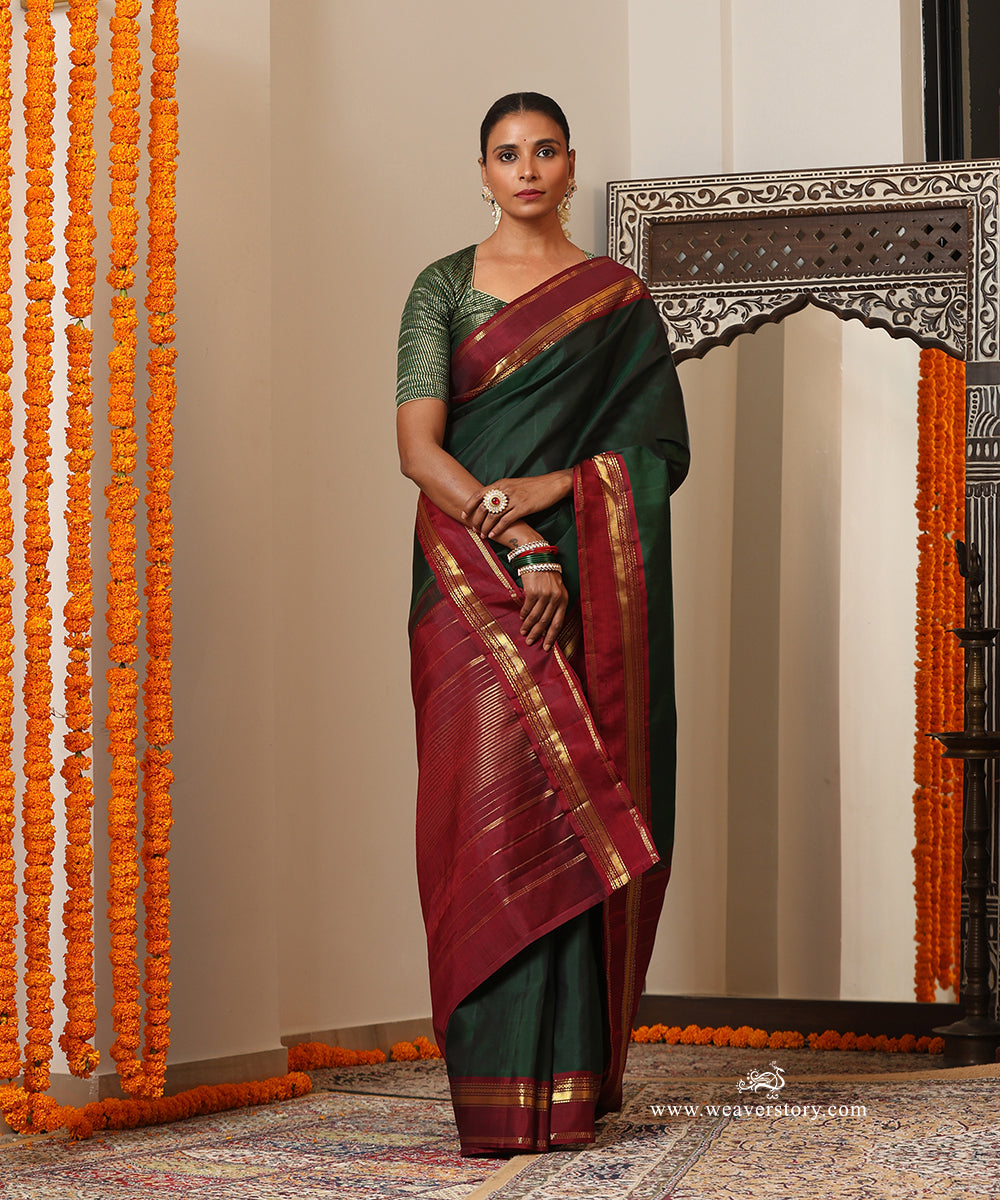
 Bottle Green Handloom Plain Pure Silk Kan... Bottle Green Handloom Plain Pure Silk Kanjivaram Saree With Wine Border
- Regular price
-
₹ 20,792 - Regular price
-
₹ 25,990 - Sale price
-
₹ 20,792
-
Bottle Green Plain Handloom Pure Silk Kanjivaram Saree With Annapakshi Motifs On Peach Pink Border
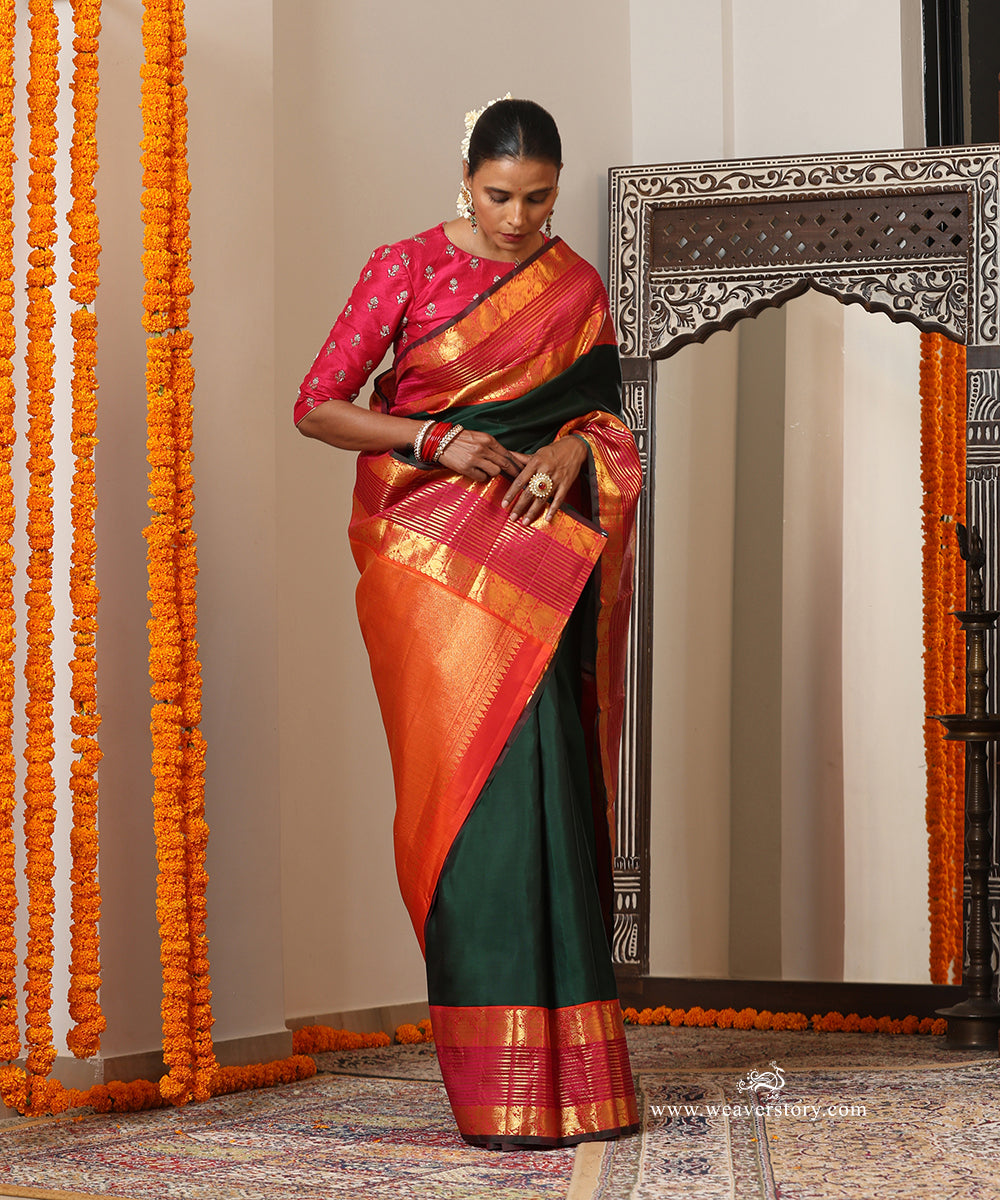
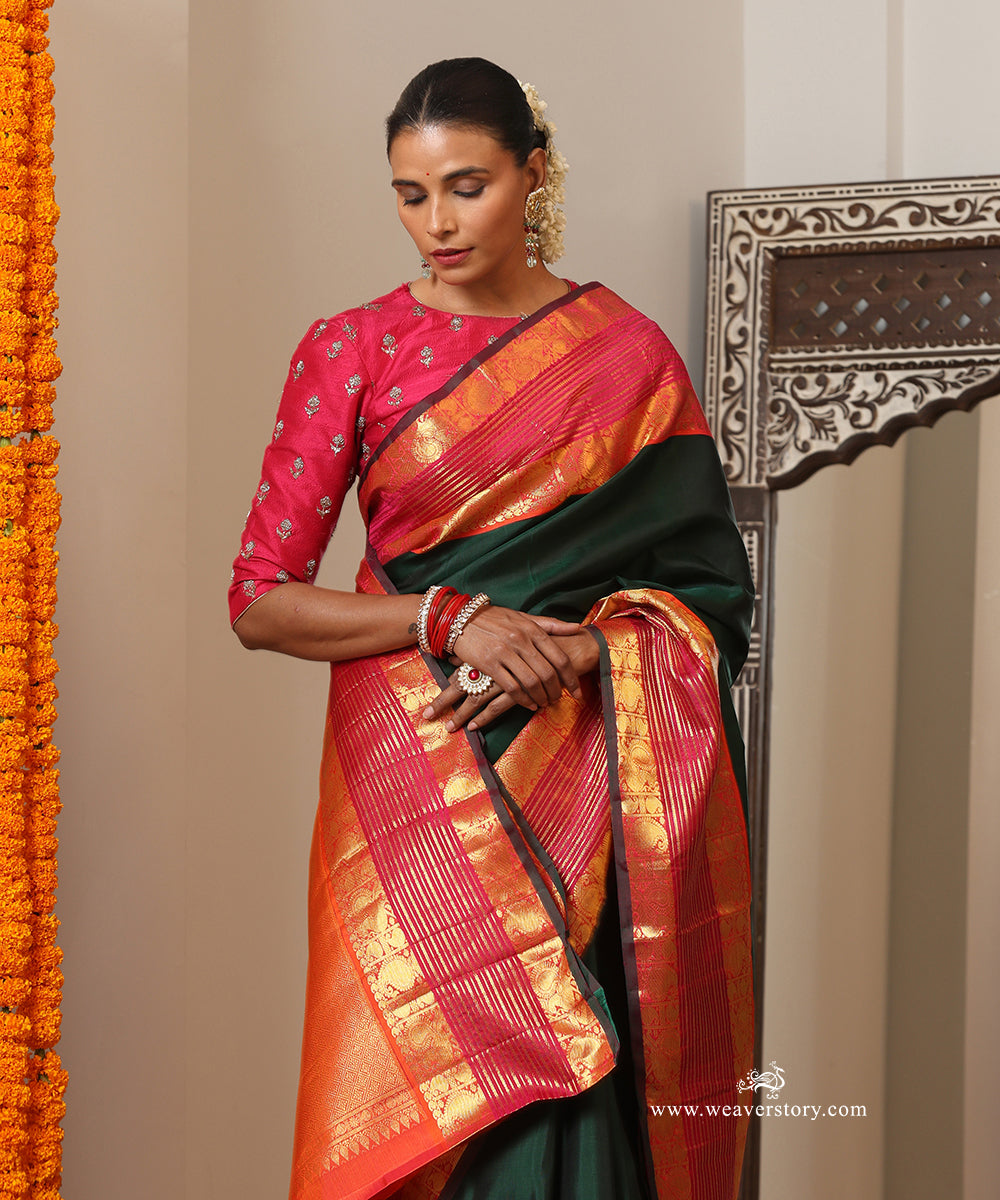 Bottle Green Plain Handloom Pure Silk Kan... Bottle Green Plain Handloom Pure Silk Kanjivaram Saree With Annapakshi Motifs On Peach Pink Border
- Regular price
-
₹ 34,392 - Regular price
-
₹ 42,990 - Sale price
-
₹ 34,392
-
Grey And Brown Handloom Pure Silk Kanjivaram Saree With Pure Zari And Green Selvedge
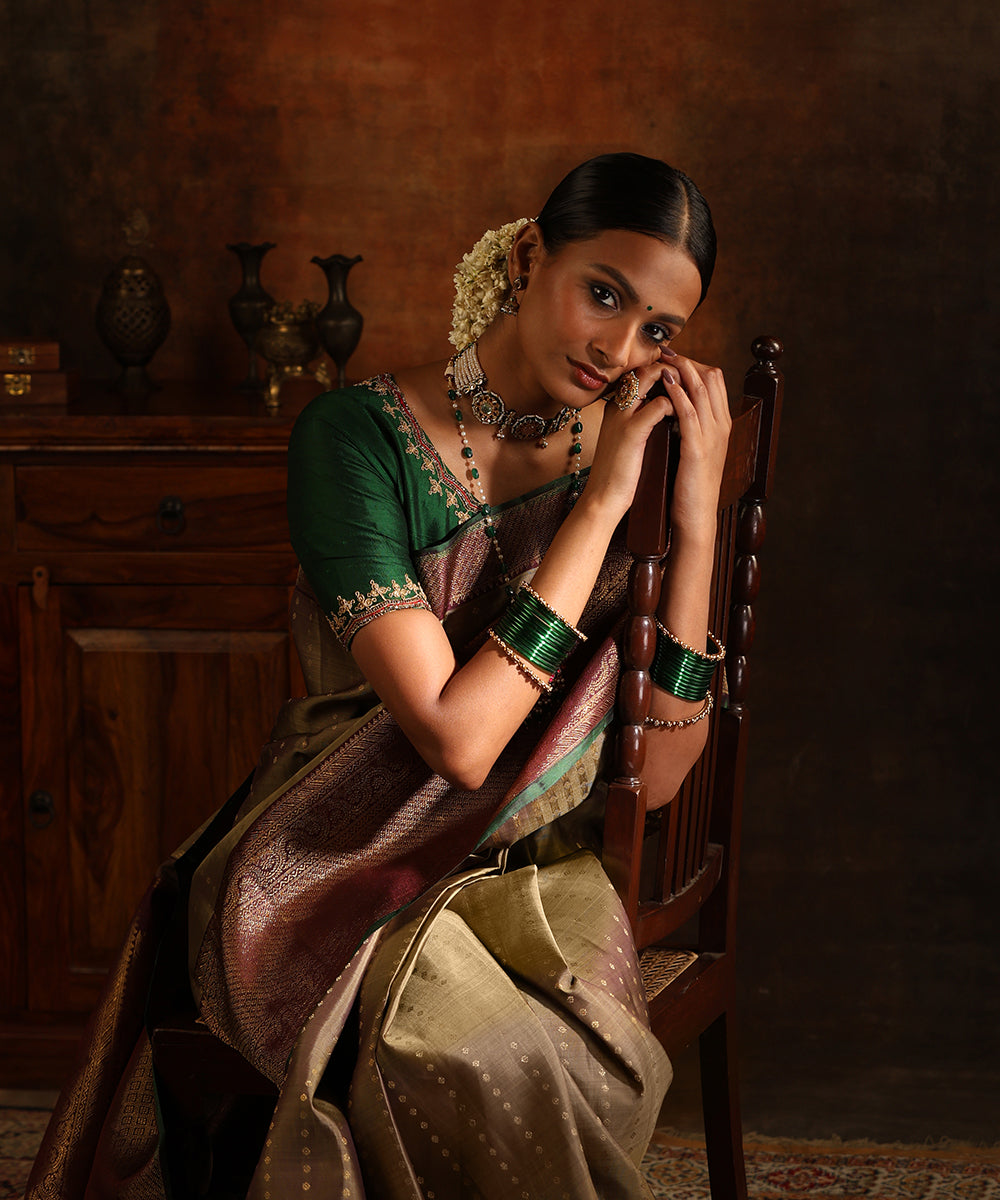
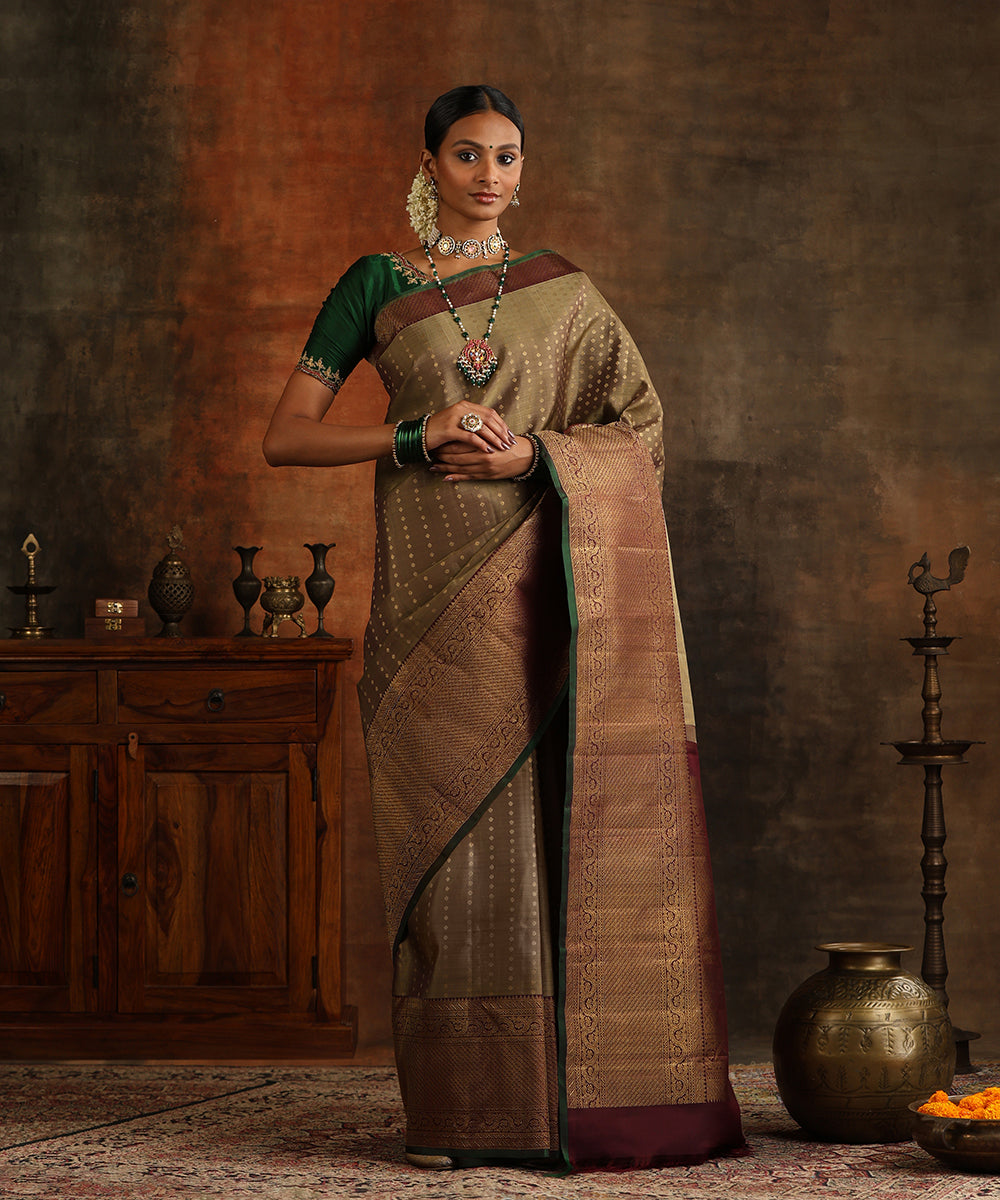 Grey And Brown Handloom Pure Silk Kanjiva... Grey And Brown Handloom Pure Silk Kanjivaram Saree With Pure Zari And Green Selvedge
- Regular price
-
₹ 59,992 - Regular price
-
₹ 74,990 - Sale price
-
₹ 59,992
-
Sky Blue Pure Silk Pure Zari Kanjivaram Saree With Ganderberunda Motif And Pink Korwai Border
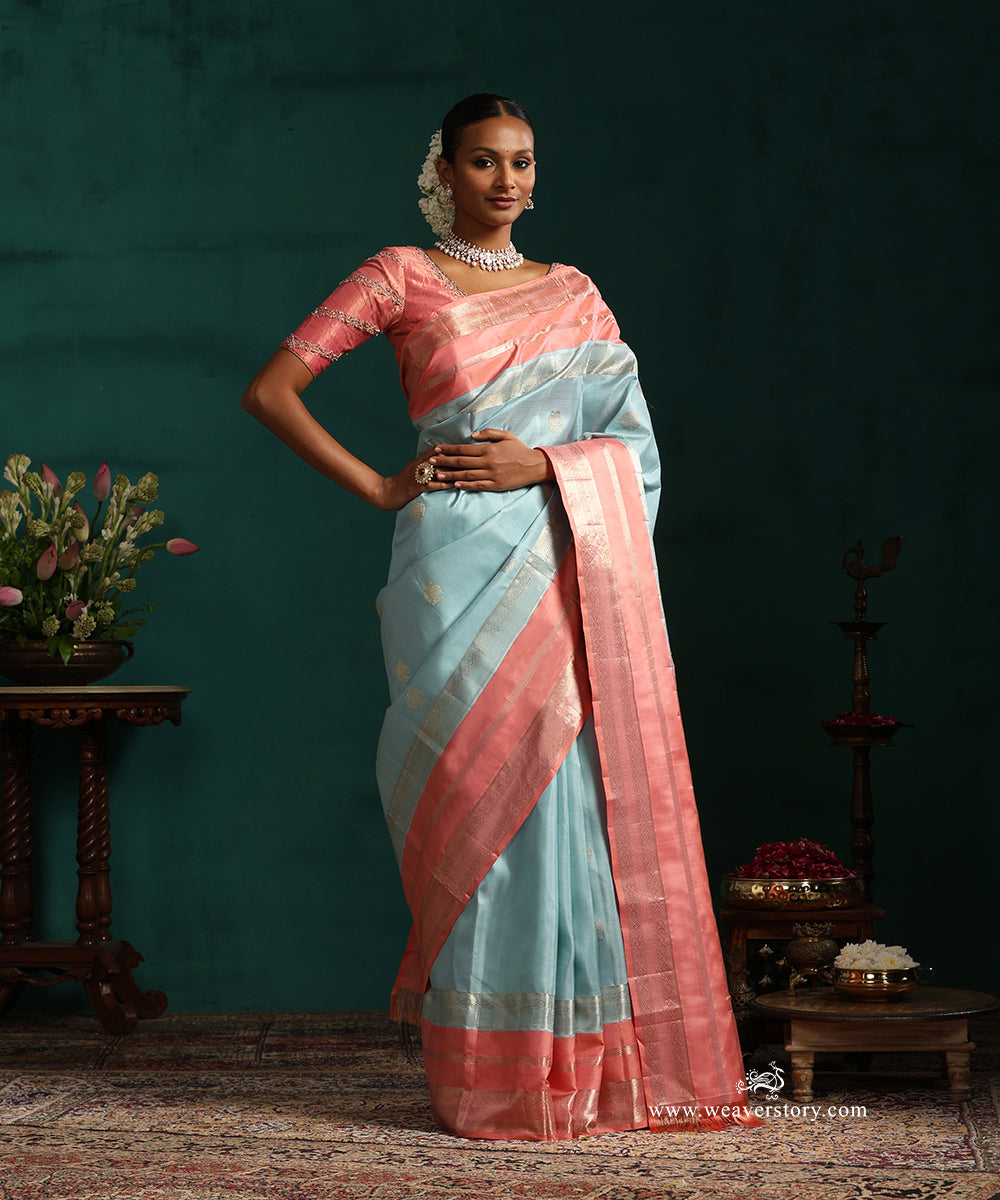
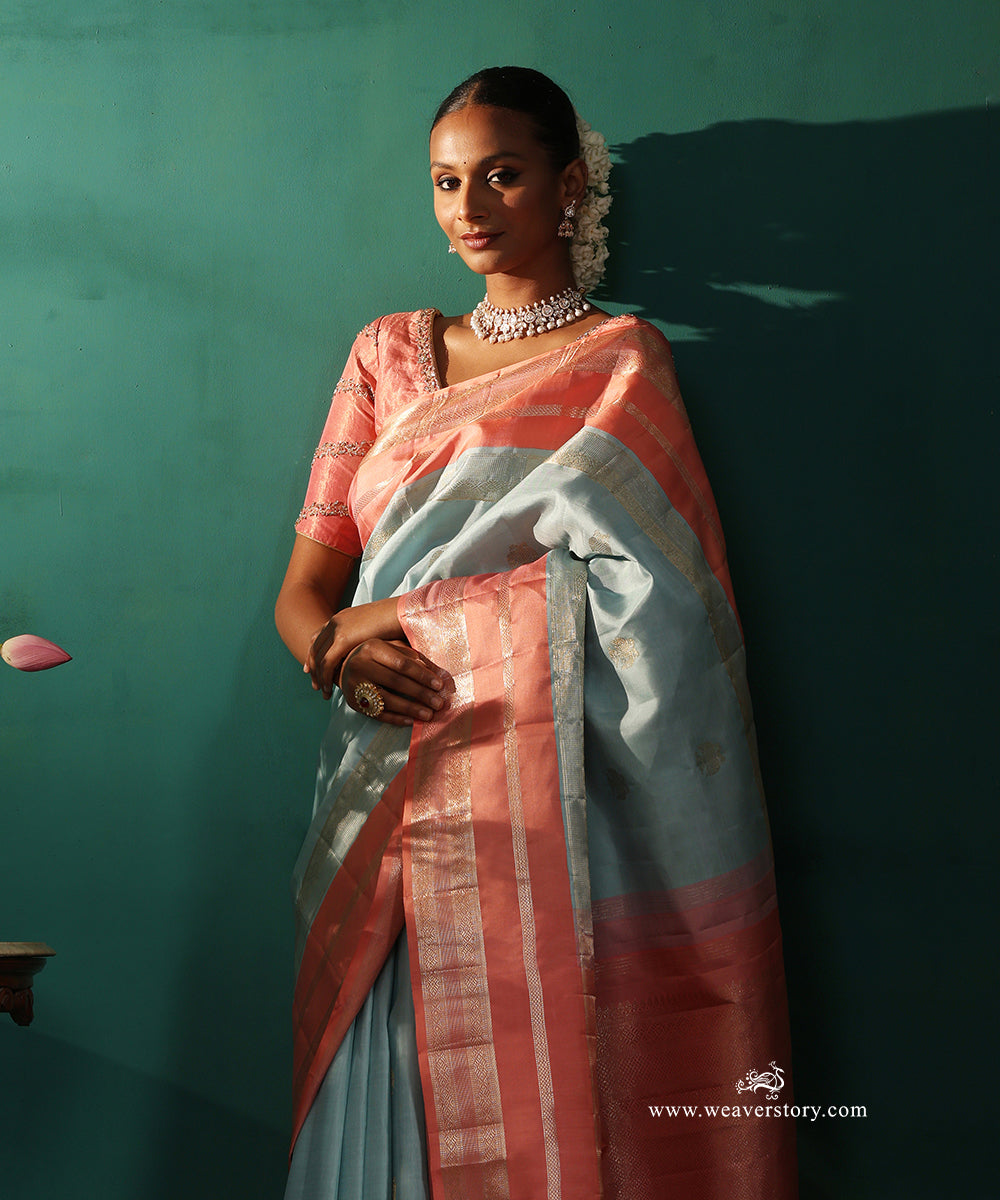 Sky Blue Pure Silk Pure Zari Kanjivaram S... Sky Blue Pure Silk Pure Zari Kanjivaram Saree With Ganderberunda Motif And Pink Korwai Border
- Regular price
-
₹ 51,192 - Regular price
-
₹ 63,990 - Sale price
-
₹ 51,192
-
Burnt Orange Pure Silk Kanjivarm Saree With Zari Stripes And Pink And Green Border With Rudraksh Motifs
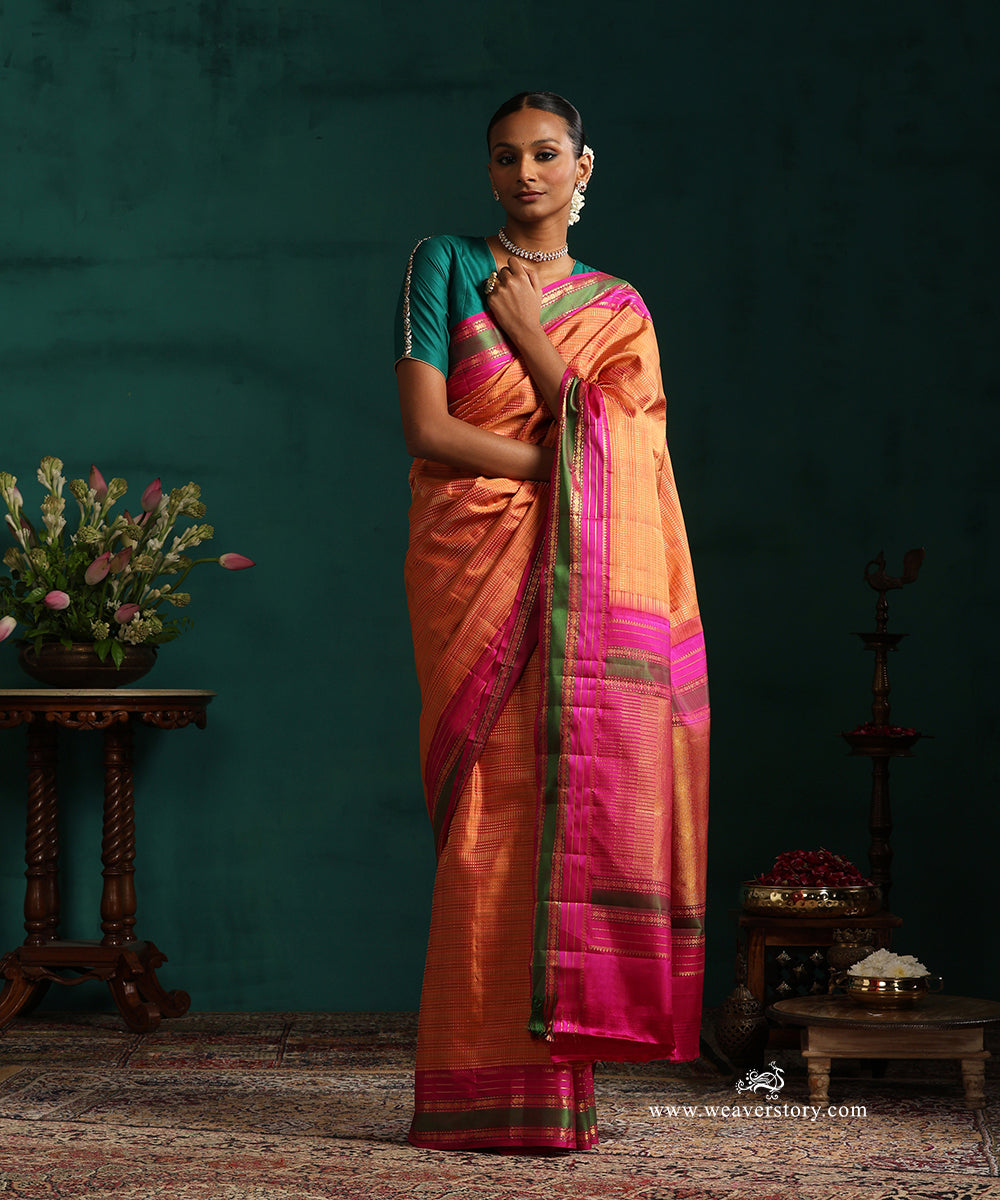
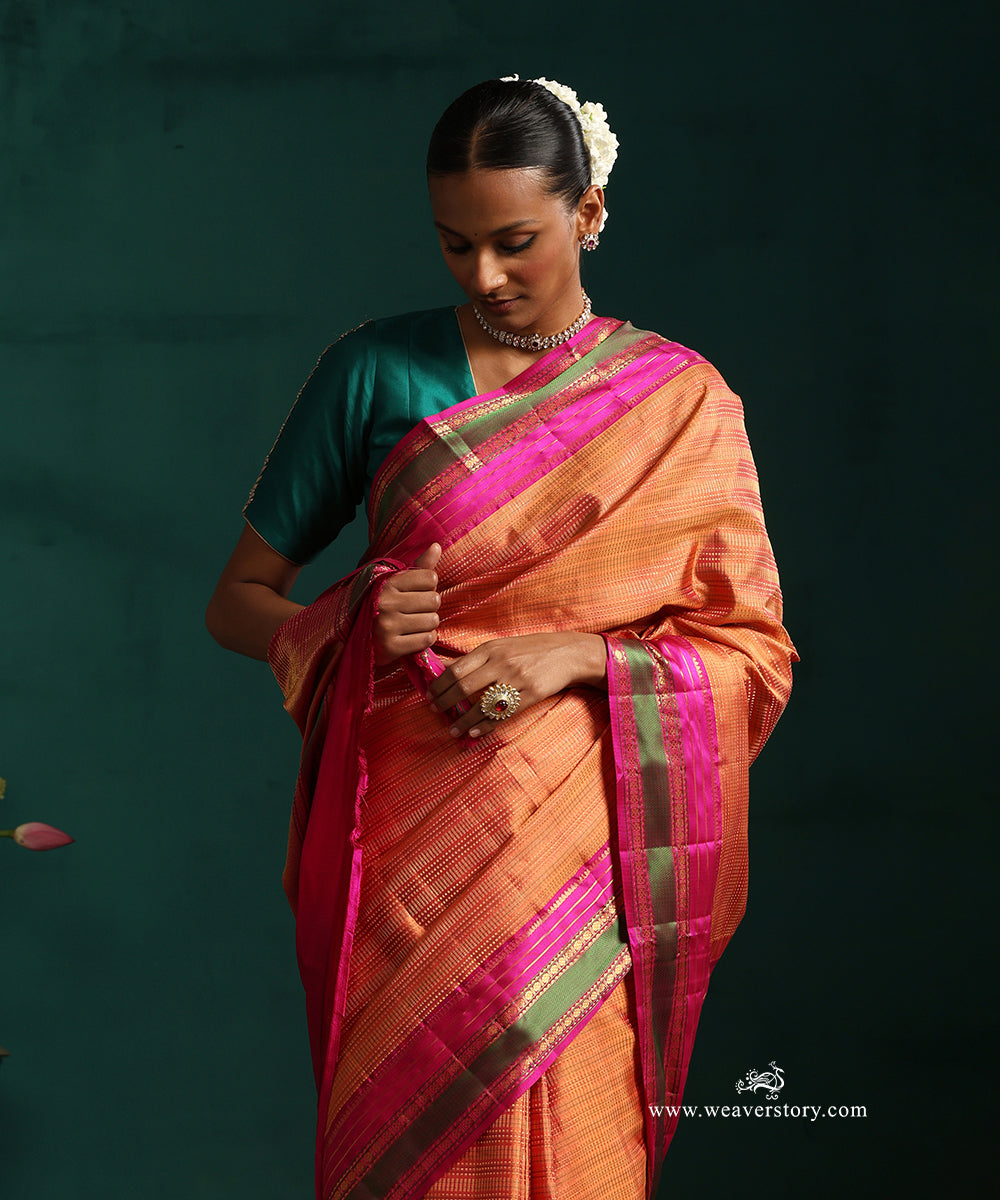 Burnt Orange Pure Silk Kanjivarm Saree Wi... Burnt Orange Pure Silk Kanjivarm Saree With Zari Stripes And Pink And Green Border With Rudraksh Motifs
- Regular price
-
₹ 32,792 - Regular price
-
₹ 40,990 - Sale price
-
₹ 32,792
-
Offwhite Pure Silk Kanjivaram Saree With Red Korvai Border
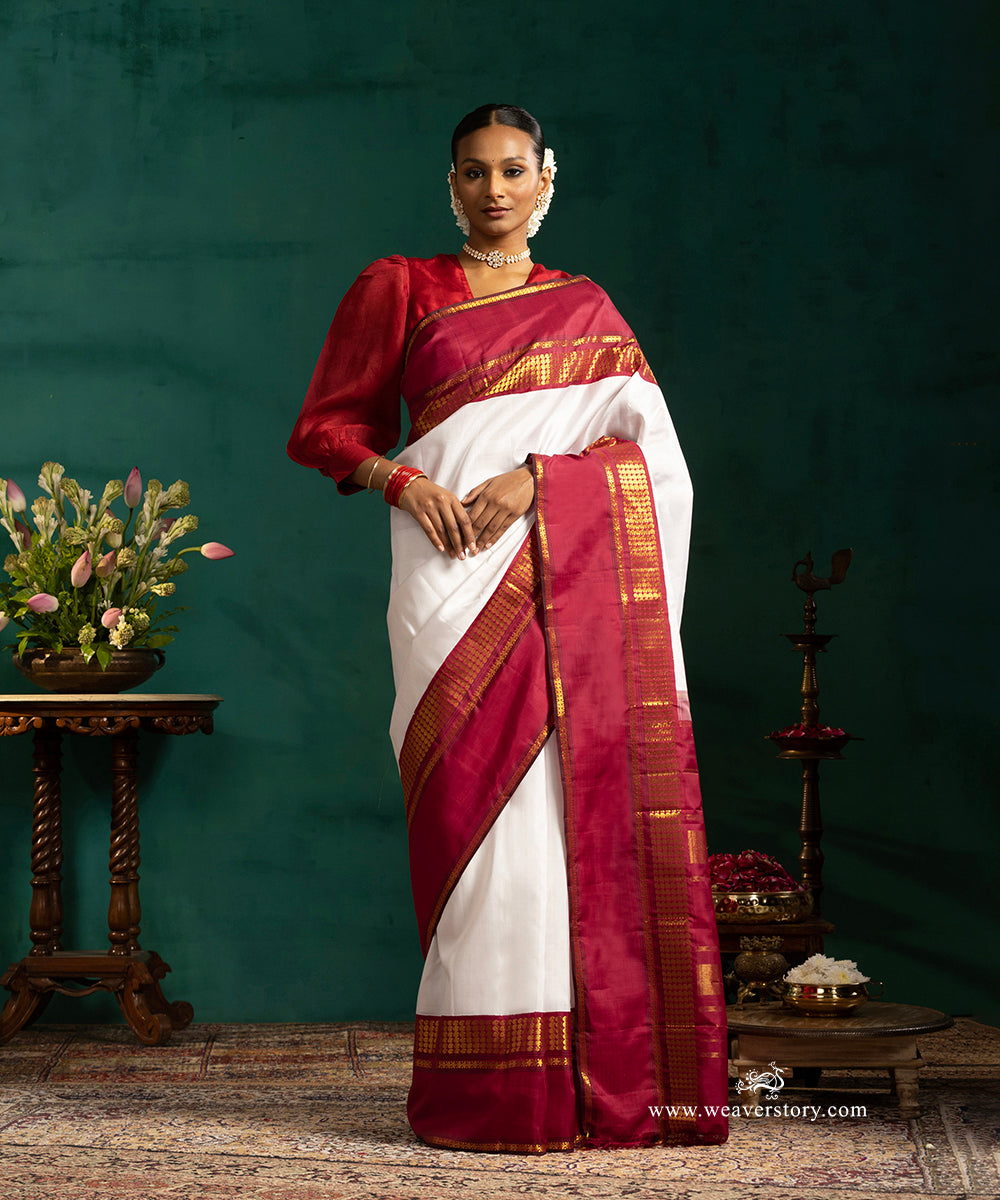
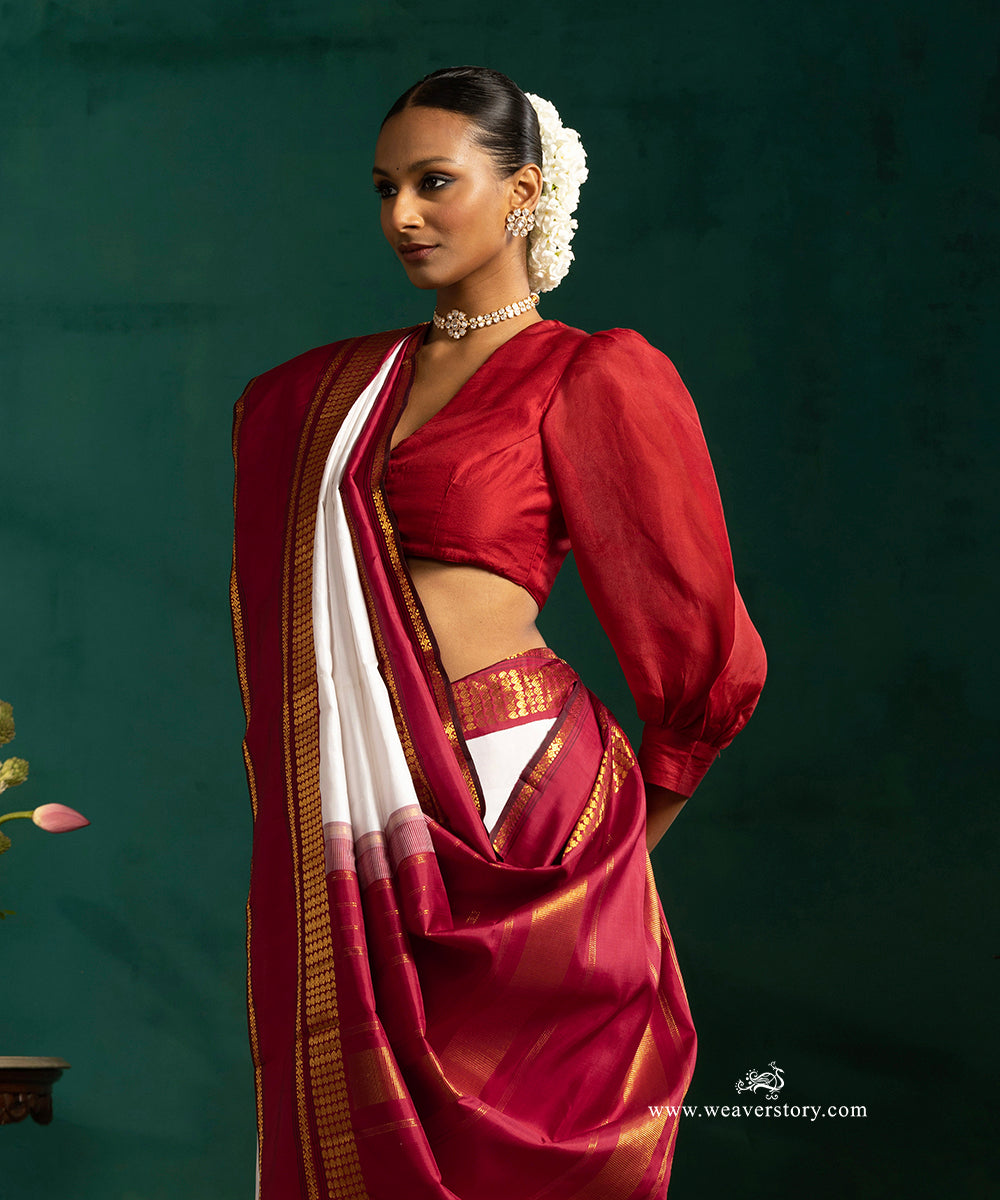 Offwhite Pure Silk Kanjivaram Saree With ... Offwhite Pure Silk Kanjivaram Saree With Red Korvai Border
- Regular price
-
₹ 30,392 - Regular price
-
₹ 37,990 - Sale price
-
₹ 30,392

Kanjivaram Saree – Handwoven Heritage in Pure Silk | WeaverStory
A Kanjivaram saree is a handwoven silk saree from Kanchipuram, crafted using pure mulberry silk and zari. Known for its durability, rich texture, and intricate motifs, it is considered one of India’s finest heirloom textiles, ideal for weddings, festive wear, and long-term cultural value.
Some weaves are worn. Others are remembered. These belong to the latter, where every thread reflects heritage, every motif carries meaning, and every drape becomes part of a larger cultural narrative. At WeaverStory, this isn’t just silk; it is continuity, preserved through craft and passed forward with intention.
What Defines a Kanjivaram Saree Today
A Kanjivaram saree, also known as a Kanjivaram silk saree, originates from Kanchipuram in Tamil Nadu, often referred to as the temple town of silk. Each saree is meticulously handwoven using pure mulberry silk and traditional zari, creating a textile known for both opulence and longevity.
What sets a kanjivaram silk saree apart is not just material, but method:
-
Korvai weaving technique joins body and border seamlessly
-
Motifs like Annapakshi, Chakram, and Mayil reflect cultural symbolism
-
Pure silk base ensures structure, sheen, and durability
-
Zari's work adds luminosity without compromising strength
Unlike mass-produced textiles, a pure silk kanjivaram saree is created over days, sometimes weeks, by skilled artisans, making each piece inherently unique.
Why This Saree Category Continues to Endure
These sarees are not defined by trend cycles. It exists outside them.
1. Enduring Craftsmanship: Every saree is handwoven, ensuring structural integrity and longevity that allows it to be worn across generations.
2. Cultural Relevance: From bridal trousseaus to festive wardrobes, the kanjiwaram saree remains a constant, anchored in tradition yet adaptable in styling.
3. Material Integrity: These Pure silk sarees use authentic mulberry silk and zari, resulting in a fabric that holds its form, colour, and sheen over time.
4. Heirloom Value: Unlike contemporary fast fashion, a kanjivaram silk saree becomes more valuable with time, emotionally and materially.
How to Choose the Right Kanjivaram Saree
Selecting the right saree is less about the occasion alone and more about intention, how you want the saree to feel, move, and endure.
1. Understand the Silk and Zari
A pure silk saree will feel substantial yet fluid. Look for authentic zari work that enhances, not overwhelms, the weave.
For instance, a cream pure silk pure zari saree with a pink korwai border reflects classic temple-inspired craftsmanship, ideal for weddings or ceremonial wear, where tradition takes precedence.
You may also explore a rich selection of heritage weaves under the broader heritage silk sarees collection.
2. Choose Motifs That Reflect Meaning
Motifs are not decorative alone; they are symbolic.
A purple dual tone handloom saree with chakram motifs introduces geometric heritage patterns, offering a refined balance between tradition and modern expression.
3. Consider Fabric Variations
While pure silk remains the most sought-after, variations like:
-
Tissue saree for a lighter, luminous finish
-
Kanjivaram tissue silk saree for contemporary celebrations
-
Kanjivaram cotton saree for understated elegance
A gold tissue kanjivaram saree with gold border, for example, offers a softer drape with a subtle sheen, well-suited for daytime festivities or transitional occasions.
4. Think Long-Term
A kanjivaram silk saree is rarely a one-time purchase. Choose colours, motifs, and weaves that you can revisit over years, if not decades.
Kanjivaram Sarees for Every Occasion
-
Weddings: The pure silk saree continues to define bridal dressing. Rich zari borders, bold colours, and intricate motifs make it a natural choice for ceremonies rooted in tradition. Explore elegant pink handloom Banarasi lehenga styles and bridal-inspired ensembles for modern wedding wardrobes.
-
Festive Celebrations: For festivals, lighter kanjivaram silk sarees or tissue variants bring brightness without excess. Jewel tones and dual-tone weaves work especially well. Discover festive-ready pieces like banarasi bandhej sarees and refined silk drapes.
-
Formal Gatherings: Muted palettes, like antique zari brocades or pastel, these sarees offer a refined presence suited for formal or evening settings.
-
Heirloom Collecting: Collectors often seek these original pieces with rare motifs or traditional weaving techniques, valuing both artistry and preservation.
How to Style a Saree with Intention
Styling a saree is about restraint and balance.
-
Blouses: Opt for classic silk blouses or hand-embroidered variants that complement, not compete with, the saree
-
Jewellery: Temple jewellery or vintage gold pieces enhance the narrative of the weave
-
Drape: A structured drape allows the border and pallu to fall naturally, highlighting craftsmanship
-
Footwear: Traditional footwear like mojaris or understated heels maintains continuity
A saree does not require excess; it carries enough presence on its own.
Caring for Your Kanjivaram Silk Saree
Preserving a kanjivaram silk saree ensures it remains wearable for decades.
-
Dry clean only to maintain silk integrity
-
Store in breathable muslin fabric
-
Refold periodically to avoid creases along zari lines
-
Avoid prolonged exposure to direct sunlight
-
Keep away from moisture to prevent damage
These simple practices protect both the silk and the zari, retaining the saree’s original character.
Why Choose WeaverStory for Kanjivaram Sarees
WeaverStory approaches the these saree not as inventory, but as heritage.
-
Authentic Handwoven Craft: Each saree is woven by artisans from Kanchipuram using traditional techniques
-
Direct Artisan Collaboration: Supporting livelihoods while preserving generational knowledge
-
Curated Collections: Limited designs that prioritise quality over volume
-
Material Purity: Use of pure mulberry silk and genuine zari ensures durability and richness
-
Cultural Continuity: Every saree contributes to sustaining India’s handloom ecosystem
Established on National Handloom Day, WeaverStory itself is rooted in the idea of revival, bringing India’s finest weaves to a modern yet conscious audience.
Frequently Asked Questions (FAQs)
Q1. What is a Kanjivaram saree?
A kanjivaram saree is a handwoven silk saree from Kanchipuram, known for its rich silk, zari work, and durability.
Q2. How to identify a pure Kanjivaram silk saree?
Look for pure silk texture, korvai borders, and authentic zari. A genuine kanjivaram saree original will have a distinct weight and finish.
Q3. Where to buy authentic Kanjivaram sarees?
You can buy from trusted platforms like WeaverStory, which works directly with artisans and ensures authenticity.
Q4. What is the price of Kanjivaram silk sarees?
Prices vary based on silk quality, zari, and craftsmanship, typically ranging from mid to premium luxury segments.
Q5. Are tissue kanjivaram sarees suitable for weddings?
Yes, tissue sarees are ideal for lighter wedding functions or daytime events.
Q6. Can kanjivaram sarees be worn casually?
Lighter variants like kanjivaram cotton saree or subtle silk weaves can be styled for smaller gatherings.
Q7. How long does a kanjivaram saree last?
With proper care, a pure silk kanjivaram saree can last for decades.
Q8. Which is the best brand to buy Kanjivaram sarees?
Brands like WeaverStory are known for authentic handwoven collections and direct artisan sourcing.
Q9. Why is a kanjivaram silk saree considered an heirloom?
Due to its durability, craftsmanship, and cultural value, it is often passed down through generations.

