Skip to content




Banarasi vs Kanjivaram Saree is one of the most common comparisons among silk saree lovers. While Banarasi sarees are admired for their intricate brocade weaving and Mughal-inspired motifs, Kanjivaram sarees are known for their rich mulberry silk, contrasting temple borders, and durability. Both are timeless handwoven masterpieces, and the right choice depends on your style, occasion, and tradition. Read on to discover which weave suits you best.
When comparing a Banarasi vs Kanjivaram Saree, there is no single winner—only the perfect choice for your occasion and personal style. At WeaverStory, we celebrate India's finest handwoven traditions by curating authentic silk sarees crafted by skilled artisans. As Nishant Malhotra explains, understanding the story behind each weave helps you choose a saree that becomes a cherished heirloom rather than just another outfit.
What Makes Banarasi and Kanjivaram Sarees So Special?
India's weaving traditions are among the oldest in the world, and Banarasi and Kanjivaram sarees stand as two of their greatest achievements. Both are handcrafted using traditional techniques passed down through generations, yet they reflect completely different cultural influences, weaving methods, and aesthetics.
Whether you're shopping for a bridal ensemble, a festive celebration, or an heirloom piece, knowing the differences will help you invest wisely.
What is a Banarasi Saree?
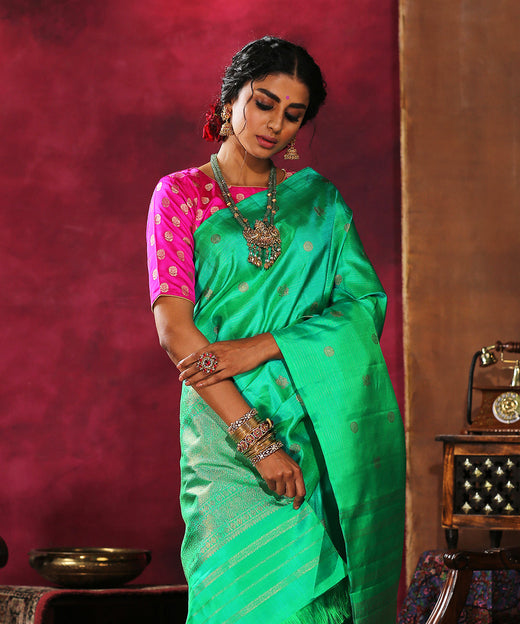
Originating from the ancient city of Varanasi, Banarasi sarees are synonymous with elegance and intricate craftsmanship. These sarees are woven from premium silk and often feature elaborate zari work inspired by Mughal art and architecture.
Common design elements include:
-
Floral jaal patterns
-
Paisley motifs
-
Butidar designs
-
Meenakari detailing
-
Rich brocade weaving
Their graceful drape and luxurious finish make them a favourite for weddings, receptions, festivals, and formal celebrations.
At WeaverStory, the collection of authentic Pure Banarasi Silk Sarees, Kadwa Banarasi Sarees, and Katan Silk Sarees showcases the artistry of master weavers while preserving centuries-old traditions.
What is a Kanjivaram Saree?
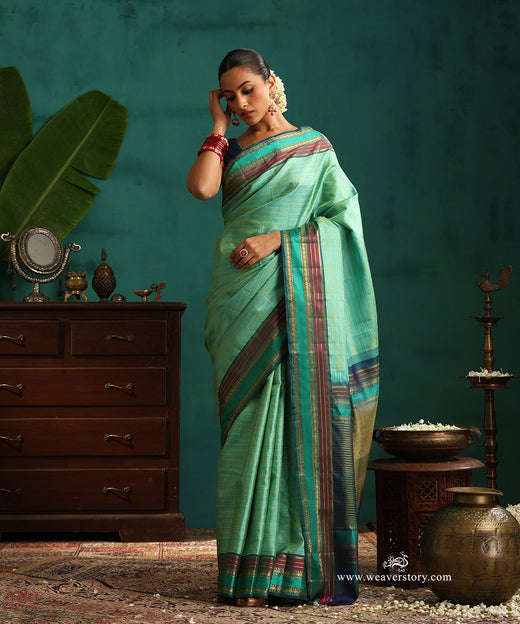
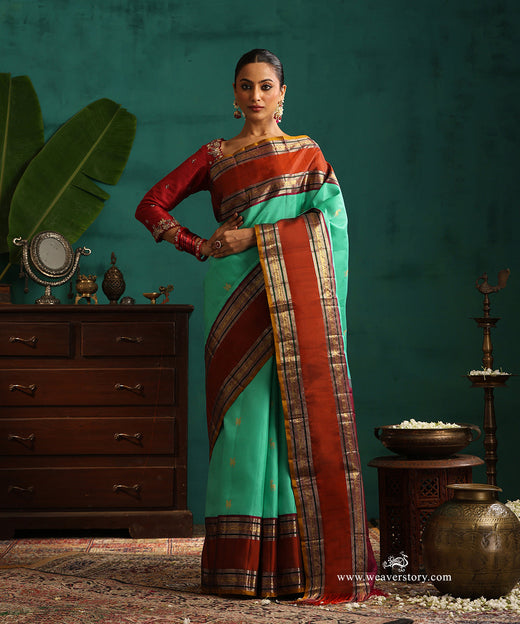
Kanjivaram sarees, also called Kanchipuram silk sarees, originate from Tamil Nadu and are woven using pure mulberry silk. They are instantly recognised for their bold colours, striking contrast borders, and exceptional durability.
Traditional Kanjivaram sarees often feature:
-
Temple-inspired borders
-
Peacock motifs
-
Checks and stripes
-
Rudraksha patterns
-
Mythological designs
Their luxurious texture and strong weave have made them an iconic choice for South Indian weddings and ceremonial occasions.
WeaverStory's collection of handcrafted Kanjivaram silk sarees reflects this rich heritage while offering timeless elegance for modern women.
Banarasi vs Kanjivaram Saree: Comparison at a Glance
|
Feature |
Banarasi Saree |
Kanjivaram Saree |
|
Place of Origin |
Varanasi, Uttar Pradesh |
Kanchipuram, Tamil Nadu |
|
Silk Used |
Fine silk |
Pure mulberry silk |
|
Weaving Style |
Brocade weaving |
Interlocking weave |
|
Motifs |
Floral, paisley, jaal |
Temple, peacock, checks |
|
Borders |
Elegant woven borders |
Bold contrasting borders |
|
Texture |
Soft and flowing |
Rich, structured and firm |
|
Weight |
Comparatively lighter |
Heavier |
|
Zari Work |
Intricate brocade |
Thick gold zari |
|
Ideal For |
Receptions, festivals, parties |
Weddings and traditional ceremonies |
|
Durability |
Long-lasting with proper care |
Extremely durable and heirloom-worthy |
10 Key Differences Between Banarasi and Kanjivaram Sarees
1. Place of Origin
The first distinction in Banarasi vs Kanjivaram Saree lies in their roots.
Banarasi sarees are woven in Varanasi, a city celebrated for its centuries-old silk weaving tradition influenced by Mughal craftsmanship. Their intricate patterns reflect Persian-inspired artistry blended with Indian aesthetics.
Kanjivaram sarees originate from Kanchipuram, one of India's most respected silk weaving centres. Here, artisans preserve ancient South Indian weaving techniques that have been practised for generations.
Both weaving traditions have earned international recognition for preserving India's textile heritage.
2. Silk Quality
Although both sarees are made from silk, the type and feel differ significantly.
Banarasi sarees are woven using fine silk yarns that create a smooth, fluid drape. The fabric feels soft and luxurious, making it comfortable for long celebrations.
Kanjivaram sarees use thicker mulberry silk threads, resulting in a richer texture and a structured appearance. The heavier silk gives the saree a regal look that many brides prefer.
3. Weaving Technique
The artistry behind these sarees is what truly sets them apart.
Banarasi sarees are famous for their brocade weaving, where metallic zari threads are woven into elaborate floral and geometric designs. Some premium varieties, such as Kadwa weaving, involve creating each motif individually without loose threads on the reverse side.
Kanjivaram sarees are woven using an interlocking technique that joins the body, border, and pallu separately. This method enhances durability and creates the signature contrasting borders that define Kanjivaram silk.
Both techniques require years of expertise and patience, making every saree a handcrafted work of art.
4. Motifs and Design Language
One of the easiest ways to distinguish these two iconic weaves is through their design vocabulary.
Banarasi sarees feature elegant motifs inspired by Mughal architecture and nature, including:
-
Paisleys
-
Floral vines
-
Jaal patterns
-
Butis
-
Meenakari accents
Kanjivaram sarees embrace traditional South Indian symbolism with designs such as:
-
Temple borders
-
Peacocks
-
Elephants
-
Mango motifs
-
Rudraksha patterns
While Banarasi sarees often exude understated sophistication, Kanjivaram sarees make a bold and majestic statement.
5. Zari Work
The richness of zari is another defining factor when comparing Banarasi vs Kanjivaram Saree styles.
Banarasi sarees showcase intricate brocade work with finely woven zari that blends seamlessly into delicate patterns across the fabric.
In contrast, Kanjivaram sarees use heavier zari, particularly on the borders and pallu, creating a dramatic and luxurious finish.
The quality of zari also plays a significant role in determining the overall value and longevity of both sarees.
6. Weight and Comfort
Another noticeable difference in Banarasi vs Kanjivaram Saree is how each saree feels when worn.
Banarasi sarees are generally lighter and softer. They drape beautifully and are easy to carry for long hours, making them suitable for receptions, festive gatherings, and evening functions.
Kanjivaram sarees are heavier because of their thick mulberry silk and rich zari work. Their structured drape creates a grand bridal look and makes them ideal for traditional ceremonies.
If comfort is your priority, Banarasi sarees offer effortless elegance. If you want a majestic appearance, Kanjivaram sarees are an excellent choice.
7. Colour Palette
Both sarees are known for vibrant colours, but their styling differs.
Banarasi sarees usually feature:
-
Deep reds
-
Emerald greens
-
Royal blues
-
Wine shades
-
Elegant pastels
-
Soft metallic tones
Kanjivaram sarees are recognised for:
-
Bright pinks
-
Mustard yellow
-
Traditional maroon
-
Bottle green
-
Purple
-
Orange
-
Contrasting dual-tone combinations
The colour palette often reflects regional traditions and cultural preferences.
8. Durability
Both sarees are crafted to last for generations when cared for properly.
Banarasi sarees remain beautiful for decades with careful storage and occasional dry cleaning.
Kanjivaram sarees are exceptionally durable due to their thicker silk threads and strong weaving technique. Many families pass them down as treasured heirlooms.
Their longevity makes both sarees valuable investments rather than seasonal purchases.
9. Which Saree is Better for Weddings?
When comparing Banarasi vs Kanjivaram Saree, the answer depends on your wedding style.
Choose a Banarasi saree if you prefer:
-
Elegant bridal looks
-
North Indian traditions
-
Lightweight luxury
-
Rich brocade detailing
-
Contemporary styling
Choose a Kanjivaram saree if you prefer:
-
Traditional South Indian weddings
-
Grand ceremonial attire
-
Heavy silk drapes
-
Bold temple-inspired borders
-
Classic bridal elegance
Today, many brides also choose Banarasi sarees for receptions and Kanjivaram sarees for wedding ceremonies, enjoying the beauty of both traditions.
10. Price
The price of both sarees depends on several factors, including:
-
Purity of silk
-
Type of zari used
-
Handloom craftsmanship
-
Complexity of weaving
-
Time taken to complete the saree
Authentic handwoven silk sarees require weeks or even months of work by skilled artisans. This meticulous craftsmanship contributes to their value and makes every saree unique.
Banarasi or Kanjivaram – Which Saree Should You Choose?
There is no universal answer to Banarasi vs Kanjivaram Saree because both offer distinct qualities.
Choose a Banarasi Saree if you want:
-
A soft and graceful drape
-
Intricate floral brocade
-
Reception or festive wear
-
Contemporary elegance
-
Lightweight comfort
Choose a Kanjivaram Saree if you want:
-
Traditional bridal attire
-
Rich silk texture
-
Statement borders
-
Long-lasting heirloom value
-
Classic South Indian craftsmanship
The best saree is one that complements your personal style and the occasion.
How to Identify an Authentic Banarasi or Kanjivaram Saree
Buying an authentic handwoven saree ensures you receive genuine craftsmanship and premium quality.
Look for these signs:
-
Purchase from a trusted handloom retailer.
-
Check the quality and finish of the zari.
-
Examine the weaving for intricate handwoven details.
-
Genuine silk has a natural sheen instead of an artificial shine.
-
Look for consistency in craftsmanship rather than machine-perfect repetition.
-
Verify authenticity labels or GI indications where applicable.
Choosing reputable brands helps preserve India's weaving heritage while supporting artisan communities.
How to Care for Pure Silk Sarees
Proper care helps maintain the beauty of silk sarees for years.
-
Store Carefully: Fold your saree neatly and wrap it in a soft muslin cloth.
-
Dry Clean Only: Professional dry cleaning preserves silk fibres and zari work.
-
Avoid Direct Sunlight: Long exposure can fade colours and weaken silk.
-
Refold Occasionally: Change the folds every few months to prevent permanent creases.
-
Keep Away from Moisture: Store silk sarees in a cool, dry place to protect them from humidity.
Styling Tips for Banarasi and Kanjivaram Sarees
Banarasi Sarees
Pair them with:
-
Polki jewellery
-
Diamond sets
-
Contemporary blouses
-
Elegant heels
-
Minimal makeup for a sophisticated look
These sarees are perfect for receptions, festive evenings, and cocktail celebrations.
Kanjivaram Sarees
Style them with:
-
Temple jewellery
-
Gold accessories
-
Jasmine flowers
-
Traditional waist belts
-
Classic bridal makeup
Their timeless elegance makes them ideal for weddings and cultural celebrations.
Why Choose WeaverStory?
At WeaverStory, every saree tells a story of craftsmanship, heritage, and authenticity.
Our carefully curated collections include:
-
Pure Banarasi Silk Sarees
-
Kanjivaram Silk Sarees
-
Paithani Sarees
-
Jamdani Sarees
-
Chanderi Sarees
-
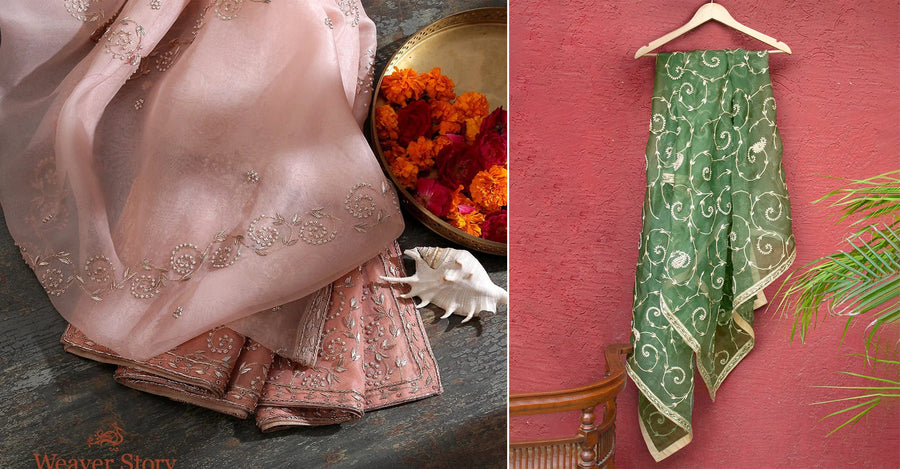
Organza Sarees
-
Handwoven Dupattas
Each creation is sourced directly from skilled artisan clusters across India, ensuring exceptional quality while preserving traditional weaving techniques.
Conclusion
The discussion around Banarasi vs Kanjivaram Saree is not about choosing one over the other—it's about appreciating two extraordinary weaving traditions.
Banarasi sarees captivate with their delicate brocade, graceful drape, and timeless elegance. Kanjivaram sarees impress with their rich silk, bold borders, and remarkable durability.
Whether you prefer understated sophistication or traditional grandeur, both sarees deserve a place in every silk lover's wardrobe.
Discover Authentic Handwoven Elegance at WeaverStory
Whether you're searching for an elegant Banarasi silk saree or a regal Kanjivaram masterpiece, WeaverStory brings together India's most celebrated handwoven textiles in one thoughtfully curated destination.
Explore our collection of authentic silk sarees, handcrafted by skilled artisans across the country, and find timeless pieces for weddings, festive occasions, and heirloom wardrobes. Experience the beauty of genuine craftsmanship and celebrate India's rich weaving heritage with WeaverStory.
Frequently Asked Questions
Q1. What is the biggest difference between Banarasi and Kanjivaram sarees?
The biggest difference lies in their origin, weaving style, silk texture, motifs, and overall appearance. Banarasi sarees feature intricate brocade work, while Kanjivaram sarees are known for rich silk and bold contrasting borders.
Q2. How can I identify an original Banarasi saree?
Buy from trusted sellers, inspect the handwoven detailing, check the quality of the silk and zari, and look for authentic craftsmanship rather than machine-made perfection.
Q3. Can Banarasi sarees be worn as bridal sarees?
Yes. Banarasi sarees are among the most popular bridal choices, especially for North Indian weddings, receptions, and engagement ceremonies.
Q4. Can Kanjivaram sarees be worn for festivals?
Absolutely. Besides weddings, Kanjivaram sarees are ideal for religious ceremonies, family celebrations, cultural events, and festive occasions.
Q5. Is a Kanjivaram saree heavier than a Banarasi saree?
Yes. Kanjivaram sarees are generally heavier because they use thicker mulberry silk and feature substantial zari work.
Q6. Will a pure silk saree last for decades?
Yes. With proper storage and regular care, authentic handwoven silk sarees can remain beautiful for generations and often become treasured family heirlooms.
Q7. Why are authentic handwoven silk sarees more expensive?
Their price reflects the quality of silk, intricate weaving techniques, genuine zari work, and the countless hours artisans spend creating each saree by hand.
Q8. Why should I choose WeaverStory for authentic silk sarees?
WeaverStory offers thoughtfully curated handwoven silk sarees sourced directly from skilled artisans across India. Every piece celebrates traditional craftsmanship, premium quality, and timeless elegance, making it a valuable addition to your wardrobe or heirloom collection.