Skip to content




Bandhani dupatta and Patola are two iconic Indian textile traditions, but they differ in technique and craftsmanship. Bandhani is a hand-tied resist dyeing art, while Patola is a double ikat weaving technique. Understanding the patola saree meaning and Bandhani's heritage helps you choose the right handcrafted textile for every occasion.
If you've ever wondered how a bandhani dupatta differs from a Patola saree, the answer lies in the way each textile is created. While both originate from Gujarat's rich textile heritage, they represent two distinct crafts with centuries of tradition. Whether you're exploring handcrafted fashion or searching for heirloom-worthy pieces, understanding these timeless arts will help you appreciate authentic craftsmanship. If you're looking for beautifully handcrafted Bandhani textiles, WeaverStory offers a thoughtfully curated collection inspired by India's weaving traditions.
What Is Bandhani? Understanding India's Ancient Tie-Dye Tradition
Bandhani, also known as Bandhej, is one of India's oldest textile arts. The word "Bandhani" comes from the Sanskrit word bandh, meaning "to tie." The craft involves tying thousands of tiny knots on fabric before dyeing it, creating beautiful dotted patterns once the knots are opened.
A bandhani dupatta is admired for its vibrant colours, delicate motifs, and handcrafted beauty. Every piece is individually tied by skilled artisans, making no two creations exactly alike. This centuries-old tradition continues to thrive across Gujarat and Rajasthan, where artisans preserve techniques passed down through generations.
How Is a Bandhani Dupatta Made?
Creating a bandhani dupatta requires exceptional patience and precision.
The process typically involves:
- Designing traditional motifs on the fabric
- Hand-tying thousands of tiny knots
- Dyeing the fabric in one or multiple colours
- Carefully removing the knots
- Finishing the fabric for a soft, elegant drape
The resulting patterns range from simple dots to intricate floral, geometric, and symbolic designs.
Patola Saree Meaning Explained
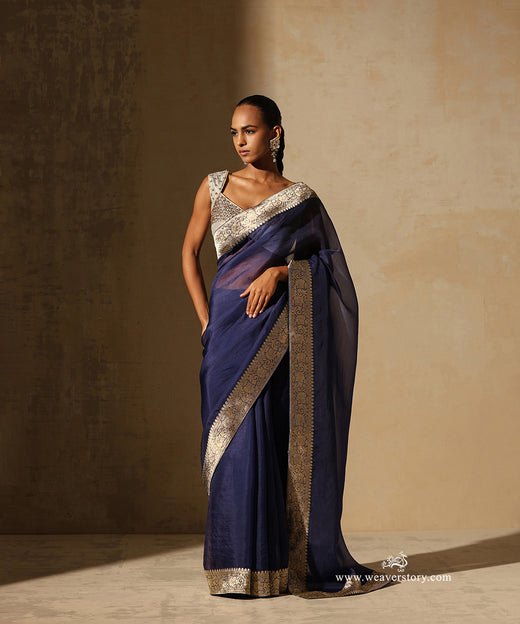
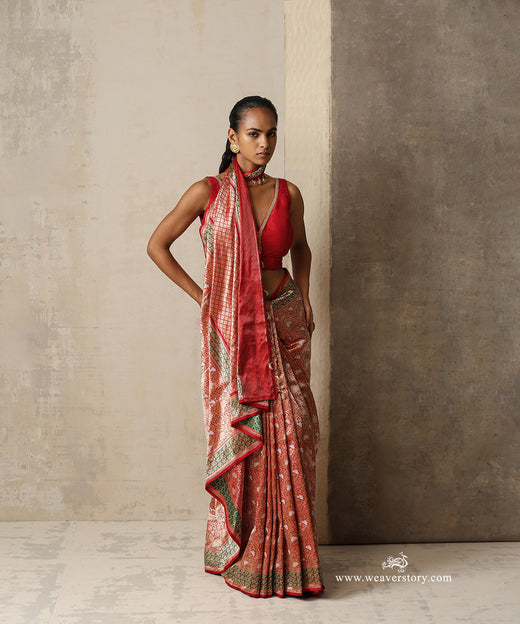
Understanding the patola saree meaning begins with its extraordinary weaving technique. A Banarasi Patola saree is a luxurious handwoven silk saree made using the rare double ikat method, where both the warp and weft threads are dyed before weaving.
Unlike Bandhani, where patterns emerge after dyeing tied fabric, Patola designs must be perfectly aligned during weaving. Even the slightest mistake can affect the final pattern, making Patola one of the world's most technically demanding textiles.
Traditionally woven in Patan, Gujarat, authentic Patola sarees are treasured as heirlooms because of the remarkable craftsmanship involved.
Why Are Patola Sarees So Special?
Several factors make Patola exceptional:
- Double ikat weaving technique
- Months of meticulous craftsmanship
- Rich silk fabric
- Symmetrical motifs visible on both sides
- Deep cultural and historical significance
For many families, owning a Patola saree is not just about fashion, it's about preserving heritage.
Bandhani vs Patola: A Quick Comparison
|
Feature |
Bandhani |
Patola |
|
Technique |
Hand-tied resist dyeing |
Double ikat weaving |
|
Origin |
Gujarat & Rajasthan |
Patan, Gujarat |
|
Fabric |
Cotton, silk, georgette |
Pure silk |
|
Process |
Fabric is tied before dyeing |
Threads are dyed before weaving |
|
Time Required |
Several days to weeks |
Several months |
|
Appearance |
Dotted and flowing patterns |
Geometric and symmetrical motifs |
|
Price Range |
Affordable to premium |
Luxury investment |
|
Best For |
Festive wear, celebrations |
Weddings, heirlooms, collectors |
Although both textiles celebrate India's artistic heritage, each offers a completely different aesthetic and craftsmanship experience.
Which Craft Requires More Skill?
Both Bandhani and Patola demand years of practice, but their challenges differ.
Bandhani artisans develop remarkable precision while tying thousands of tiny knots by hand. Every knot influences the final pattern, requiring consistency and concentration.
Patola weaving, on the other hand, requires perfect mathematical alignment between dyed warp and weft threads. A single misalignment can affect the entire design, making it one of the most sophisticated weaving traditions in the world.
Rather than comparing which is "better," it's more meaningful to appreciate each craft for its unique artistic excellence.
How to Identify an Authentic Bandhani Dupatta
With printed imitations becoming increasingly common, knowing how to identify genuine handcrafted work is important.
Look for these signs:
- Slight natural irregularities in the dotted patterns
- Knots visible before finishing
- Rich, vibrant colours
- Soft handcrafted texture
- Fine detailing created by skilled artisans
An authentic bandhani dupatta reflects the artisan's hand and carries subtle variations that machine-made versions cannot replicate.
How to Identify an Authentic Patola Saree
Authentic Patola sarees display extraordinary precision.
Key indicators include:
- Identical design on both sides of the fabric
- Perfect motif alignment
- Crisp geometric patterns
- Fine silk quality
- Traditional weaving techniques
Buying from trusted artisan-focused brands helps ensure authenticity and supports India's weaving communities.
Cultural Importance of Bandhani and Patola
These textiles are woven into India's cultural identity.
Bandhani is widely worn during weddings, religious ceremonies, and festive celebrations. Bright colours often symbolize joy, prosperity, and blessings.
Patola has historically been associated with royalty and affluent families. Its intricate weaving and rarity have made it a treasured possession passed from one generation to the next.
Today, both crafts continue to celebrate India's artistic heritage while providing livelihoods for skilled artisan families.
Styling a Bandhani Dupatta
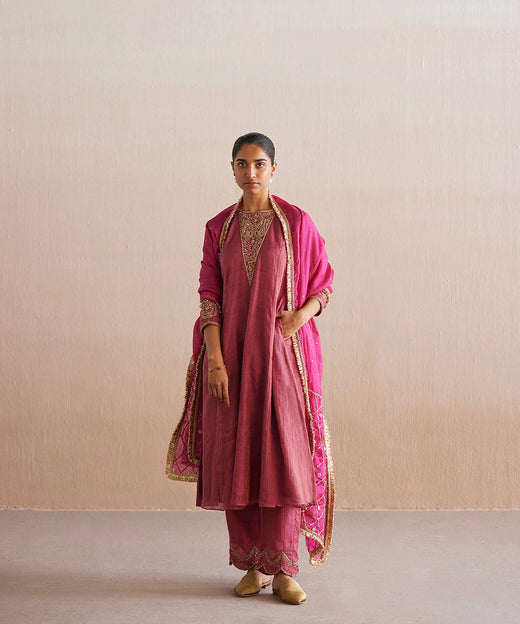
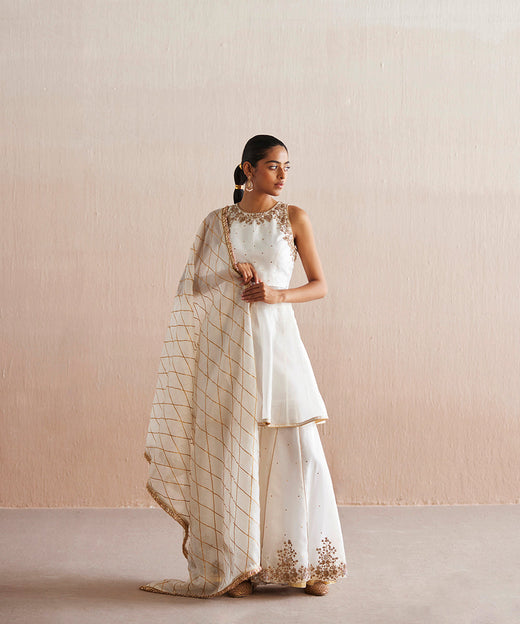
A handcrafted bandhani dupatta is incredibly versatile.
It pairs beautifully with:
- Solid-coloured pure silk suits
- Anarkalis
- Lehengas for women
- Contemporary silk kurta sets for women
- Fusion Indo-western outfits
Whether you're attending a wedding or celebrating a festival, Bandhani effortlessly adds colour, texture, and traditional elegance.
At WeaverStory, you can explore beautifully handcrafted Banarasi Bandhej Silk Dupattas that combine classic Bandhani artistry with the richness of Banarasi weaving, making them perfect for festive occasions and special celebrations.
Should You Choose Bandhani or Patola?
Your choice depends on the occasion and personal preference.
Choose a bandhani dupatta if you want:
- Lightweight festive elegance
- Everyday ethnic styling
- Bright handcrafted colours
- Versatile accessories
Choose a Patola saree if you appreciate:
- Heritage craftsmanship
- Luxury handloom collections
- Investment-worthy textiles
- Timeless heirloom pieces
Both celebrate India's textile legacy in their own remarkable way.
Preserving India's Living Textile Heritage
Every handcrafted textile represents countless hours of dedication, creativity, and traditional knowledge.
Supporting authentic artisan-made textiles helps preserve centuries-old skills while encouraging sustainable, slow fashion. Instead of choosing mass-produced alternatives, investing in handcrafted weaves allows these extraordinary traditions to continue for future generations.
Discover Handcrafted Heritage with WeaverStory
India's textile traditions are more than beautiful fabrics, they are living expressions of artistry, culture, and craftsmanship. Whether you're drawn to the vibrant elegance of a bandhani dupatta or inspired by the timeless heritage reflected in the ashawali patola dupatta and saree meaning, choosing authentic handcrafted textiles allows you to own a piece of this remarkable legacy.
At WeaverStory, you'll find thoughtfully curated handcrafted collections, including elegant Banarasi Bandhej Silk Dupattas, created by skilled artisans who continue to preserve India's finest weaving traditions. Explore the collection to discover timeless pieces that beautifully blend heritage, craftsmanship, and contemporary elegance.
Frequently Asked Questions
Q1. How is a Bandhani dupatta made?
A Bandhani dupatta is created by hand-tying thousands of tiny knots on fabric before dyeing. Once the knots are removed, beautiful dotted patterns emerge.
Q2. How can I identify an authentic Patola saree?
Look for perfectly aligned patterns on both sides, fine silk, symmetrical motifs, and traditional double ikat weaving.
Q3. Can Bandhani and Patola be worn for weddings?
Yes. Bandhani is ideal for colourful festive styling, while Patola is often chosen for grand weddings and heirloom collections.
Q4. Is Bandhani the same as Bandhej?
Yes. Bandhani and Bandhej are commonly used interchangeably to describe the traditional tie-dye textile art.
Q5. Will a handcrafted Bandhani dupatta last for years?
With proper care and storage, a handcrafted Bandhani dupatta can retain its beauty for many years.
Q6. What is the patola saree meaning?
A Patola saree is a handwoven silk saree made using the intricate double ikat weaving technique, traditionally crafted in Patan, Gujarat.
Q7. Why are Patola sarees considered expensive?
Patola sarees require months of painstaking hand weaving, highly skilled artisans, and complex double ikat techniques, making them rare and valuable.
Q8. Why should I choose handcrafted textiles over machine-made fabrics?
Handcrafted textiles preserve traditional craftsmanship, support artisan communities, offer unique character, and celebrate India's rich cultural heritage.