Skip to content




Kimkhab fabric refers to a luxurious handwoven silk brocade traditionally crafted in Banaras using rich silk and intricate gold or silver zari. A kimkhab saree is celebrated for its dense weaving, regal motifs, and heirloom quality, making it one of India's most treasured handloom textiles for weddings, festive occasions, and collectors.
A kimkhab saree is one of the finest expressions of Banaras' weaving heritage, known for its opulent silk base and elaborate zari craftsmanship. Understanding the kimkhab fabric meaning reveals why this centuries-old weave has long been associated with royalty and celebration. If you're looking to own an authentic masterpiece, explore WeaverStory's exquisite Kimkhab Saree collection and discover the artistry behind every handwoven creation.
What is Kimkhab Fabric? Understanding the Meaning
The kimkhab fabric meaning originates from the Persian words kim (little) and khwab (dream), often interpreted as "a fabric so magnificent that it feels like a dream." Over time, the terms Kimkhab, Kamkhwab, and Kinkhab have all been used to describe this luxurious woven brocade.
Unlike printed or embroidered textiles, a kimkhab saree is created by weaving decorative motifs directly into the fabric using silk and metallic zari threads. The result is a richly textured textile with intricate patterns that shimmer beautifully under light.
Traditionally woven in Banaras, Kimkhab represents the highest level of handloom artistry, combining exceptional craftsmanship with cultural heritage.
The Royal History of Kimkhab in Banaras
Kimkhab traces its origins to Persia before flourishing in India during the Mughal era. Royal courts admired the fabric for its elaborate weaving and luxurious appearance, making it the preferred choice for ceremonial garments, royal robes, furnishings, and special gifts.
Banaras soon became the heart of Kimkhab weaving. Generations of master artisans refined the craft, blending Persian influences with Indian motifs to create textiles that reflected both artistic excellence and cultural identity.
Today, the city continues to preserve this remarkable tradition through skilled handloom weavers who dedicate weeks, sometimes months, to producing a single masterpiece.
How is a Kimkhab Saree Made?
Creating a kimkhab saree is a labour-intensive process that demands patience, precision, and years of expertise.
The journey begins with premium silk yarns, often Pure Katan Silk, which provide a smooth and durable foundation. Skilled artisans then prepare detailed weaving graphs that guide the placement of every motif.
Gold or silver zari threads are carefully interwoven with silk on traditional handlooms. Unlike surface embellishments, the designs become part of the fabric itself, creating remarkable depth and durability.
Depending on the complexity of the pattern, a single silk saree may require several weeks of meticulous weaving, making every piece unique.
What Makes Kimkhab Different from Other Banarasi Weaves?
Although Banaras is home to several iconic weaving styles, Kimkhab stands apart because of its dense brocade construction and luxurious use of zari.
|
Feature |
Kimkhab |
Katan |
Tanchoi |
Tissue |
|
Silk Base |
Heavy |
Pure Silk |
Fine Silk |
Silk & Zari |
|
Zari Work |
Rich & Dense |
Moderate |
Minimal |
High |
|
Texture |
Luxurious |
Smooth |
Soft |
Crisp |
|
Best For |
Weddings & Heirlooms |
Traditional Wear |
Elegant Occasions |
Festive Wear |
|
Motifs |
Elaborate Brocade |
Classic Designs |
Intricate Weaves |
Metallic Finish |
While each weave has its own charm, Kimkhab remains one of the most elaborate and prestigious forms of Banarasi craftsmanship.
Signature Motifs Found in Kimkhab
One of the defining characteristics of a kimkhab saree is its elaborate woven motifs, each carrying cultural symbolism.
- Floral Jaal creates an all-over network of blooming flowers that symbolizes prosperity and abundance.
- Paisley (Kalka) represents growth, fertility, and timeless elegance, making it a favourite for bridal wear.
- Guldasta Motifs feature beautifully arranged floral bouquets that add depth and sophistication to the weave.
- Shikargah Designs depict royal hunting scenes inspired by Mughal art, reflecting grandeur and storytelling through textiles.
Nature-inspired birds, vines, and leaves further enhance the visual richness of Kimkhab, making every saree a wearable work of art.
Why are Kimkhab Sarees Considered So Valuable?
Several factors contribute to the exceptional value of a kimkhab saree.
The weaving process is entirely handcrafted and requires highly specialised skills developed over generations. Premium silk, intricate zari work, and elaborate motifs significantly increase production time.
Unlike mass-produced textiles, Kimkhab sarees are woven in limited quantities, making each piece unique. Their durability also means they are often preserved as heirlooms and passed down through generations.
Owning one is not simply about fashion; it's about preserving India's rich textile legacy.
How to Identify an Authentic Kimkhab Saree
Choosing an authentic Kimkhab requires careful observation.
Look for dense woven motifs rather than printed or embroidered patterns. Genuine zari should blend seamlessly into the weave instead of sitting on the surface.
Authentic Kimkhab usually has a rich yet balanced weight, a luxurious silk texture, and exceptional craftsmanship visible on both sides of the fabric.
Purchasing from trusted heritage brands that work directly with Banarasi artisans also helps ensure authenticity and supports traditional weaving communities.
When Should You Wear a Kimkhab Saree?
A kimkhab saree is ideal for life's most memorable occasions.
It is a timeless choice for weddings saree, bridal trousseaus, receptions, religious ceremonies, festive celebrations, anniversaries, and family heirloom collections.
Its regal elegance allows it to transcend seasonal trends, making it a treasured garment that can be cherished for decades.
Discover Authentic Kimkhab Sarees at WeaverStory
At WeaverStory, every Kimkhab saree reflects generations of Banarasi craftsmanship and the dedication of master artisans who continue to preserve India's handloom heritage.
Whether you appreciate intricate Meenakari work, elegant floral motifs, or luxurious Pure Katan Silk, WeaverStory's curated Kimkhab collection offers timeless pieces crafted with authenticity and attention to detail.
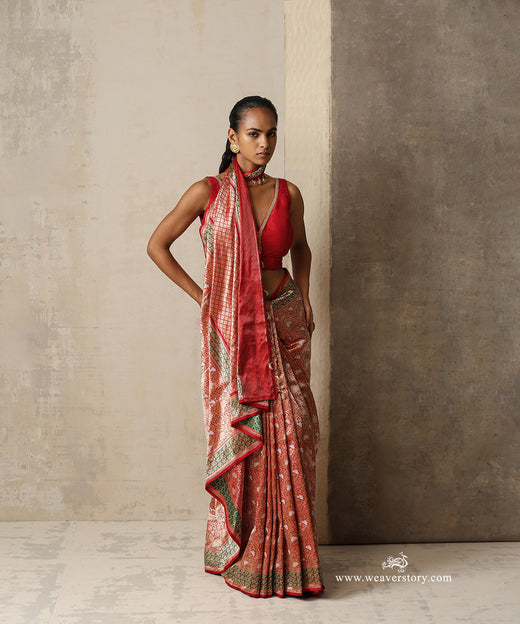
Some exceptional creations include:
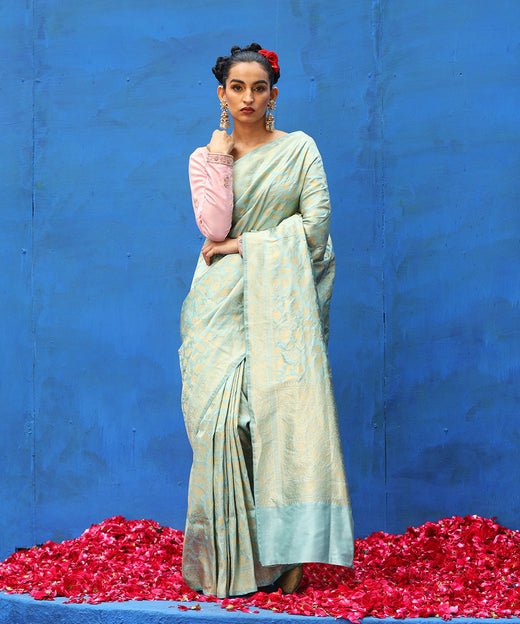
- Green Handloom Katan Silk Kimkhab Banarasi Saree With Meenakari
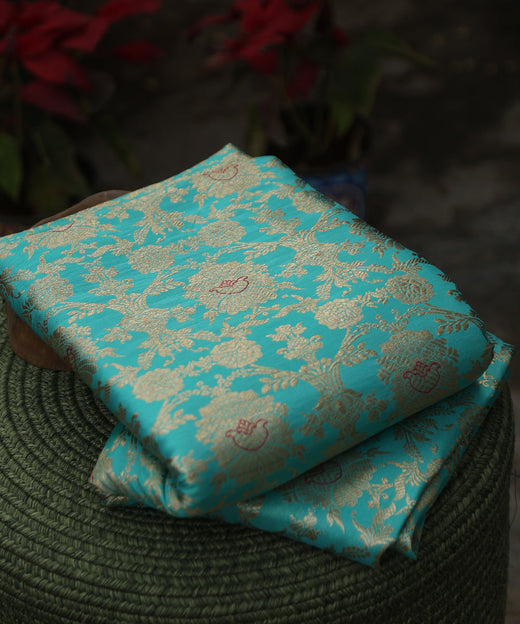
- Blue Handloom Pure Katan Silk Banarasi Kimkhab Saree With Birds Motifs
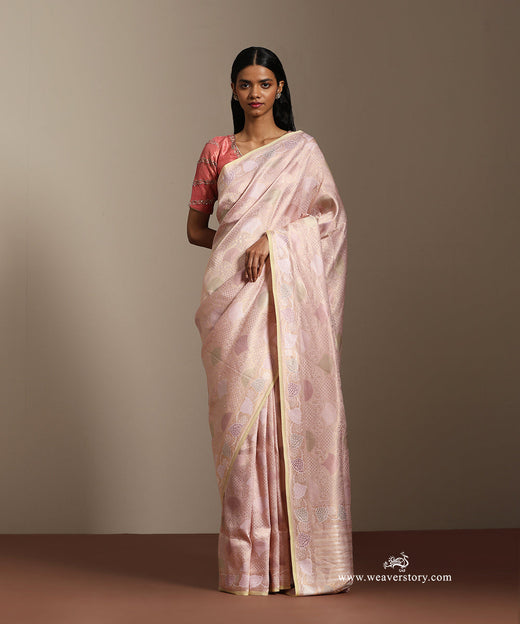
- Rani Pink Handloom Pure Katan Silk Kimkhab Banarasi Saree With Flowing Lines On Border
- Ice Blue Handloom Pure Katan Silk Banarasi Kimkhab Saree With Guldasta Motifs and Silver Zari
Each saree for women celebrates the enduring artistry of Banaras while offering a timeless addition to your wardrobe.
Why Kimkhab Continues to Symbolize Timeless Luxury
The story of Kimkhab is a story of artistry, patience, and cultural pride. Every woven motif represents centuries of craftsmanship preserved by Banaras' master weavers. More than an elegant garment, a Kimkhab saree is an heirloom that carries tradition, craftsmanship, and timeless beauty from one generation to the next.
If you're ready to experience authentic Banarasi weaving, explore WeaverStory's exclusive Kimkhab Saree collection and bring home a handcrafted masterpiece that honours India's extraordinary textile heritage.
Frequently Asked Questions
Q1. What is Kimkhab fabric meaning?
Kimkhab refers to a luxurious silk brocade woven with intricate gold or silver zari, traditionally crafted in Banaras and historically associated with royalty.
Q2. Why is a Kimkhab saree considered royal?
Its dense silk weave, elaborate zari work, and centuries-old association with royal courts make Kimkhab one of India's most prestigious textiles.
Q3. How is a Kimkhab saree different from a regular Banarasi saree?
Kimkhab features heavier brocade weaving and more intricate zari patterns, giving it a richer texture and more luxurious appearance.
Q4. How long does it take to weave a Kimkhab saree?
Depending on the complexity of the design, artisans may spend several weeks or even months weaving a single Kimkhab saree by hand.
Q5. Can Kimkhab sarees be worn for weddings?
Yes. Their luxurious appearance and timeless elegance make them one of the most popular choices for bridal wear, receptions, and grand celebrations.
Q6. Is Kimkhab made using pure silk?
Traditional Kimkhab is commonly woven using premium Pure Katan Silk combined with intricate metallic zari threads.
Q7. Will a Kimkhab saree last for generations?
With proper storage and care, an authentic Kimkhab saree can remain beautiful for decades and is often treasured as a family heirloom.
Q8. What makes WeaverStory's Kimkhab collection special?
WeaverStory partners with skilled Banarasi artisans to offer authentic handwoven Kimkhab sarees crafted using traditional weaving techniques, premium silk, and timeless designs.