Skip to content




A Odisha Ikat Saree Guide helps you understand why these iconic handwoven textiles are among India's most treasured heirlooms. Crafted using the intricate resist-dyeing technique, authentic Odisha Ikat sarees are prized for their precision, vibrant designs, and exceptional craftsmanship. This guide explains their weaving process, authenticity, and pricing—so you can appreciate the artistry behind every drape.
If you're looking for a complete Odisha Ikat Saree Guide, understanding the artistry behind Sambalpuri weaving is the best place to begin. Authentic Odisha Ikat sarees are more than festive attire—they are timeless works of art. At WeaverStory, these heritage weaves are thoughtfully curated to celebrate India's rich textile traditions while connecting modern women with handcrafted luxury.
What Are Odisha Ikat Sarees?
Odisha Ikat Sarees are among India's most treasured handwoven textiles, admired for their vibrant patterns, artistic precision, and cultural significance. Unlike printed fabrics, every design is created through a painstaking resist-dyeing technique where the yarn is tied, dyed, and then woven into intricate motifs.
The word "Ikat" comes from a technique in which sections of yarn are carefully tied before dyeing so that specific areas resist the colour. Once dyed, the threads are aligned perfectly on the loom to reveal elaborate geometric, floral, and symbolic patterns during weaving.
Among the many forms of Ikat across the world, Sambalpuri Ikat from Odisha is especially respected for its exceptional craftsmanship. Many traditional sarees feature double Ikat techniques, where both the warp and weft threads are dyed separately before weaving—a process that demands extraordinary precision and years of expertise.
Every authentic Odisha Ikat saree represents weeks or even months of dedicated work by skilled artisan families who have preserved this craft for generations.
As Nishant Malhotra often highlights, owning a handcrafted Odisha Ikat is not simply about fashion—it is about preserving an artistic tradition that continues to inspire generations.
The History of Sambalpuri Weaving
The story of Sambalpuri weaving is deeply connected to the cultural identity of western Odisha. Weaving communities in regions such as Bargarh, Sonepur, Barpali, and Nuapatna have been practising this remarkable craft for centuries.
Originally nurtured under royal patronage, the weaving tradition gradually flourished through artisan families who passed their knowledge from one generation to the next. Over time, Sambalpuri textiles became recognised not only for their beauty but also for the stories woven into every motif.
Traditional designs often draw inspiration from nature, mythology, spirituality, and everyday village life. Symbols such as the conch, lotus, fish, elephant, and temple architecture are not merely decorative—they reflect Odisha's rich cultural heritage and artistic traditions.
Today, Odisha Ikat Sarees continue to receive global appreciation for combining heritage craftsmanship with timeless elegance. Their growing popularity among handloom enthusiasts has also helped sustain thousands of weaving families across the state.
How Sambalpuri Ikat Sarees Are Made: Step by Step
One of the reasons Odisha Ikat Sarees are so highly valued is the complexity of their creation. Unlike many woven fabrics where designs are added after weaving, Ikat patterns are carefully planned long before the loom is prepared.
Step 1: Selecting Premium Yarn
The journey begins with selecting fine-quality silk, cotton, or tussar silk yarn. The quality of the yarn determines the saree's texture, durability, and final appearance. Each bundle of yarn is cleaned and prepared before any design work begins.
Step 2: Designing the Pattern
Before dyeing starts, master artisans create detailed design layouts. Every motif must be calculated precisely because the final image only appears once weaving is complete.
Step 3: Tying the Threads
The selected yarn is tightly wrapped with threads at carefully measured intervals. These tied portions resist the dye, creating the foundation for intricate designs. The tying process alone can take several days depending on the complexity of the pattern.
Step 4: Dyeing the Yarn
After tying, the yarn is immersed in vibrant dyes. Once one colour is complete, artisans untie selected portions and repeat the tying and dyeing process for additional colours.
Step 5: Drying and Preparing the Yarn
The dyed yarn is dried naturally before being carefully inspected. Each colour transition must align perfectly with the planned design.
Step 6: Aligning Warp and Weft
Perhaps the most demanding stage is arranging the dyed warp and weft threads on the loom. Every coloured section must align perfectly so that the motifs gradually emerge during weaving. This extraordinary precision is what makes Sambalpuri Ikat internationally admired.
Step 7: Hand Weaving
Using traditional handlooms, artisans slowly weave the saree thread by thread. Depending on the complexity, a single saree may require several weeks or even months to complete.
Step 8: Finishing and Quality Inspection
Once weaving is complete, the saree undergoes careful finishing. Loose threads are removed, borders are refined, and the fabric is inspected to ensure every motif appears as intended.
Signature Motifs Found in Odisha Ikat Sarees
One of the defining characteristics of Odisha Ikat Sarees is their meaningful motifs. Rather than serving only as decorative elements, these symbols often carry deep cultural and spiritual significance.
-
Shankha (Conch): The conch symbol represents purity, prosperity, and auspicious beginnings. It is commonly associated with Odisha's temple traditions.
-
Chakra: Inspired by the sacred wheel, the chakra signifies movement, balance, and the cycle of life. It is one of the most recognisable motifs in Sambalpuri weaving.
-
Lotus: The lotus symbolises beauty, spiritual growth, and resilience. Its elegant petals are beautifully interpreted through the Ikat technique.
-
Elephant: Elephants represent wisdom, strength, and royal heritage. They frequently appear in ceremonial Sambalpuri sarees.
-
Peacock: The peacock, India's national bird, symbolises grace, celebration, and natural beauty. Its colourful feathers inspire many intricate Ikat patterns.
-
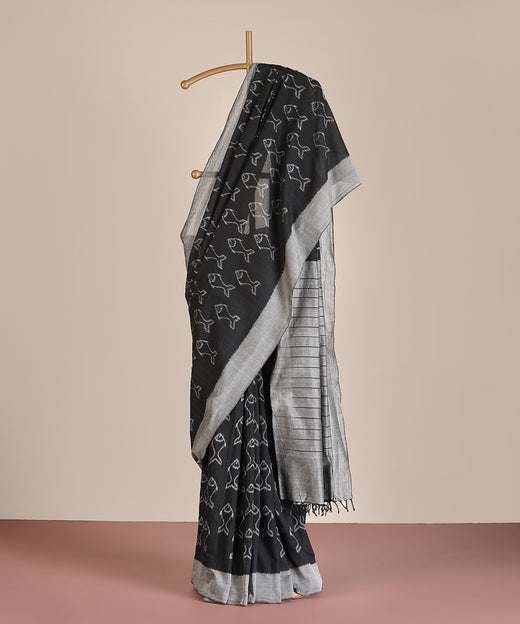
Fish: Fish motifs are associated with abundance, prosperity, and fertility. They remain a popular choice in traditional Odisha textiles.
-
Temple Borders: Many sarees feature borders inspired by Odisha's magnificent temple architecture, reflecting the state's rich artistic traditions.
-
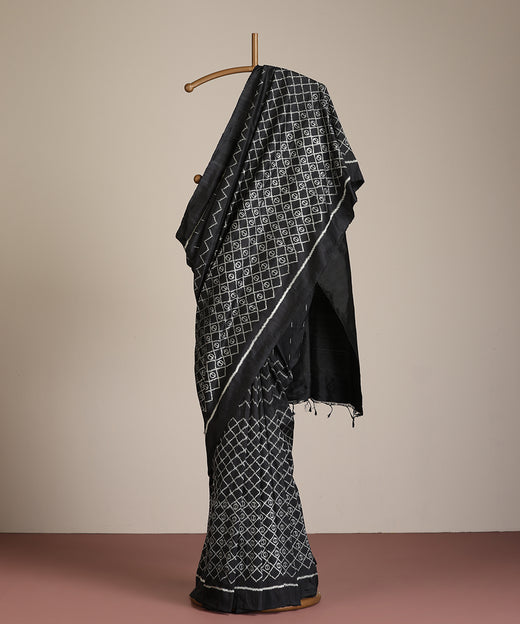
Pasapalli Checks: Among the most iconic Sambalpuri designs, Pasapalli resembles a traditional chessboard pattern and showcases the mathematical precision of Ikat weaving.
Types of Odisha Ikat Sarees
The beauty of Odisha Ikat Sarees lies in their versatility. Whether you're looking for an elegant everyday drape or a luxurious saree for a grand celebration, there is a handwoven masterpiece for every occasion. To pick the correct material, check our guide on the best fabric for saree.
Sambalpuri Cotton Sarees
Lightweight, breathable, and comfortable, Sambalpuri cotton sarees are perfect for daily wear, office attire, and casual gatherings. Their intricate Ikat patterns paired with soft cotton fabric make them a favourite among women who appreciate effortless elegance without compromising on tradition.
Sambalpuri Silk Sarees
Crafted using fine silk yarn, these sarees are known for their rich texture and graceful drape. Sambalpuri silk sarees are ideal for weddings, festive celebrations, cultural events, and formal occasions where timeless sophistication takes centre stage.
Tussar Silk Ikat Sarees
Odisha is also celebrated for its exquisite tussar silk. The naturally textured fabric beautifully complements intricate Ikat motifs, resulting in sarees that are both luxurious and understated. Tussar Ikat sarees are perfect for those who love earthy elegance and handcrafted artistry.
Pasapalli Sarees
Recognisable by their iconic checkerboard-inspired patterns, Pasapalli sarees showcase the mathematical precision of Sambalpuri weaving. These sarees blend traditional craftsmanship with bold geometric designs, making them a distinctive addition to any wardrobe.
Khandua Ikat Sarees
Khandua sarees are deeply rooted in Odisha's temple traditions and are often associated with religious ceremonies and cultural celebrations. Their intricate motifs and symbolic designs reflect the state's spiritual heritage while preserving age-old weaving techniques.
Why Are Odisha Ikat Sarees So Expensive?
When compared to machine-made textiles, authentic Odisha Ikat Sarees often come with a higher price tag—and for good reason.
Every saree is the result of countless hours of skilled craftsmanship. From calculating intricate designs to repeatedly tying and dyeing the yarn before weaving even begins, the process demands exceptional patience and expertise.
Unlike printed fabrics, the motifs in Ikat are created entirely during weaving. Both the warp and weft threads must align with remarkable accuracy, especially in double Ikat techniques where precision is everything.
In addition, artisan families typically work on a limited number of sarees at a time, ensuring every piece receives individual attention. This slow, handcrafted process simply cannot be replicated by machines.
How to Identify an Authentic Odisha Ikat Saree
With the growing popularity of handloom textiles, it's important to know how to distinguish an authentic Ikat saree from machine-made imitations.
-
Look for slightly feathered or softly blurred edges in the motifs, which are characteristic of the resist-dyeing process.
-
Examine both sides of the saree. Genuine Ikat patterns are woven into the fabric rather than printed on the surface.
-
Feel the texture. Handwoven sarees often have a natural softness and subtle irregularities that add to their uniqueness.
-
Check for finely aligned patterns that reflect careful craftsmanship rather than perfect machine precision.
-
Whenever possible, buy from trusted handloom specialists who work closely with artisan communities and value authentic craftsmanship.
How to Style Odisha Ikat Sarees
One of the reasons Odisha Ikat Sarees remain timeless is their incredible versatility. They can be styled for both traditional and contemporary occasions with ease.
Office Wear
Choose a subtle cotton Ikat saree in earthy or pastel tones and pair it with a simple blouse, delicate jewellery, and comfortable flats for a polished professional look.
-
Weddings: Pair a vibrant Sambalpuri silk saree with traditional gold jewellery, temple necklaces, or antique gold plated jhumka earrings for a regal bridal or wedding guest look.
-
Festivals: Bright colours, traditional borders, and symbolic motifs make Ikat sarees ideal for festivals such as Durga Puja, Diwali, and cultural gatherings.
-
Contemporary Styling: For a modern interpretation, style your Odisha Ikat saree with a structured blouse, statement earrings, and minimal accessories, allowing the craftsmanship to remain the focal point.
Caring for Your Odisha Ikat Saree
Proper care ensures your treasured saree remains beautiful for years to come.
-
Dry clean silk Ikat sarees whenever possible.
-
Store the saree in a breathable cotton or muslin fabric.
-
Avoid prolonged exposure to direct sunlight while drying.
-
Refold the saree periodically to prevent permanent creases.
-
Keep it away from moisture and perfumes during storage.
Explore Authentic Odisha Ikat Sarees at WeaverStory
At WeaverStory, every saree represents the artistry, heritage, and dedication of India's master weavers. The collection of Odisha Ikat Sarees is thoughtfully curated to celebrate authentic handloom traditions while offering timeless elegance for modern women.
Some of the exquisite collections available at WeaverStory include:
-
Handwoven Odisha Ikat Cotton Sarees for effortless everyday elegance.
-
Sambalpuri Silk Sarees featuring intricate traditional motifs.
-
Tussar Silk Odisha Ikat Sarees that beautifully combine texture and craftsmanship.
-
Silk Ikat Sarees with Dhanapatra-inspired designs that reflect centuries of artistic heritage.
-
Elegant handcrafted Ikat sarees suitable for weddings, festive occasions, and cultural celebrations.
Why Choose WeaverStory?
Choosing an authentic handloom saree is about more than style—it's about celebrating India's living textile traditions.
At WeaverStory, you'll discover:
-
Carefully curated authentic handwoven collections.
-
Sarees crafted by skilled artisan communities across India.
-
Premium silk, cotton, and tussar fabrics.
-
Timeless designs rooted in traditional craftsmanship.
-
Exceptional quality with attention to every woven detail.
Every purchase contributes to preserving traditional weaving techniques and supporting the artisans who continue to keep these remarkable crafts alive.
Conclusion
Odisha Ikat Sarees are much more than elegant garments—they are woven stories of tradition, patience, and artistic excellence. From the intricate resist-dyeing process to the symbolic motifs inspired by Odisha's culture, every saree showcases the remarkable skill of generations of master weavers.
Whether you're purchasing your first Odisha Ikat or adding to an existing collection, understanding its authenticity, craftsmanship, and pricing helps you make a meaningful investment in India's textile heritage.
Frequently Asked Questions
Q1. How are Odisha Ikat Sarees different from regular printed sarees?
Odisha Ikat sarees are woven using yarn that is dyed before weaving, creating patterns within the fabric itself. Printed sarees receive their designs after the fabric is woven, making the craftsmanship entirely different.
Q2. How long does it take to weave a Sambalpuri Ikat saree?
Depending on the complexity of the design and weaving technique, an authentic Sambalpuri Ikat saree can take anywhere from several weeks to several months to complete.
Q3. Can Odisha Ikat Sarees be worn for weddings?
Yes. Silk and Tussar Odisha Ikat sarees are excellent choices for weddings, receptions, festivals, and other formal celebrations thanks to their elegant drape and intricate handcrafted motifs.
Q4. Is every Odisha Ikat saree handmade?
Authentic Odisha Ikat sarees are handcrafted by skilled artisans using traditional looms. However, machine-made imitations are also available, making it important to buy from trusted handloom sellers.
Q5. Will an authentic Ikat saree last for many years?
Absolutely. With proper care and storage, a handwoven Ikat saree can retain its beauty for decades and often becomes a treasured family heirloom.
Q6. What makes Sambalpuri Ikat weaving so special?
Its remarkable precision. The intricate patterns are created by dyeing the yarn before weaving, requiring perfect alignment of the threads to produce the final design. Q7. Why are Odisha Ikat Sarees considered valuable?
Their value comes from the extensive craftsmanship, time-intensive weaving process, premium materials, and the generations of traditional knowledge preserved by Odisha's weaving communities.
Q8. What should I look for when buying an authentic Odisha Ikat saree?
Look for woven patterns visible on both sides, subtle feathering in the motifs, handcrafted texture, premium-quality fabric, and purchase from reputable handloom specialists like WeaverStory to ensure authenticity.