Skip to content




Silk suit buying guide: choose the fabric by its weight, weave, fibre, and finish, not by colour alone. Lightweight silk gives softer movement, while denser constructions create more structure. Smooth finishes look polished; textured silk adds body. The best choice depends on the silhouette, season, occasion and care the garment requires.
A well-chosen silk suit should look beautiful and feel right in use. This guide explains the details worth checking, then points you toward WeaverStory’s handcrafted silk designs when you are ready to explore. Start with the fabric.
What Makes Silk a Good Choice for a Suit?
A silk suit stands apart because the fabric combines a natural lustre with distinctive drape, softness and visual depth. However, not every silk behaves in the same way. Fibre type, yarn, weave, weight and finishing techniques can significantly change how a suit looks and feels.
That is why a silk suit buying guide should begin with the fabric rather than the colour or embroidery.
Silk works especially well for Indian suit designs because it can support both fluid and structured silhouettes. A softer construction can create graceful movement in an Anarkali, while a firmer fabric can hold the shape of a Kalidar or straight-cut suit.
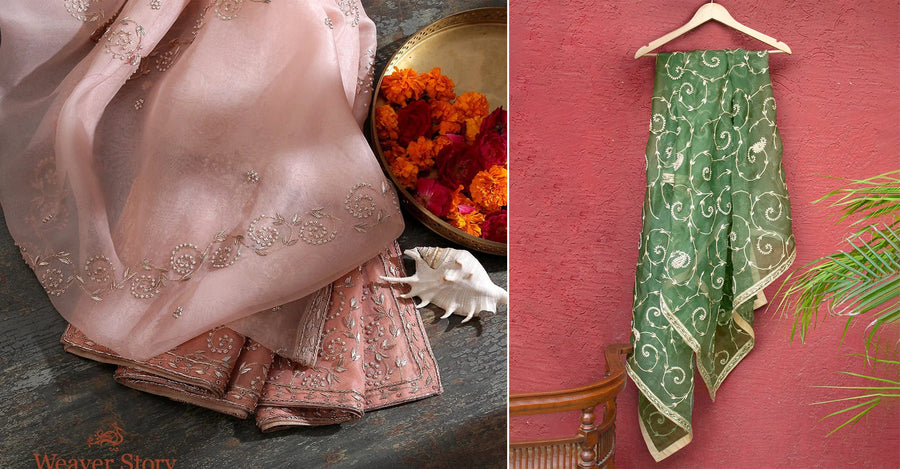
Silk also works beautifully with traditional surface detailing such as zari, zardozi, thread embroidery and other embellishments. The fabric's natural surface catches light differently depending on its construction, giving even a single colour more depth.
For wedding and festive dressing, silk can create a richer appearance without relying entirely on heavy ornamentation. For daytime occasions, lighter silk constructions and restrained detailing can give a more understated finish.
Understanding Silk Suit Fabric Before You Buy
Before choosing a silk fabric suit, separate four things that are often confused:
-
Fibre: What kind of silk is used?
-
Weight: How substantial is the fabric?
-
Weave: How are the yarns constructed?
-
Finish: How does the surface look and feel?
These four factors work together. A lightweight silk with a lustrous finish will create a very different result from a heavier raw silk with a textured surface, even though both are silk.
Fibre: What Kind of Silk Is It?
Terms such as Mulberry silk, raw silk, Katan silk and Chanderi silk describe different characteristics, traditions or constructions rather than one identical type of cloth.
-
Mulberry silk is generally associated with a smooth, refined hand feel and can work beautifully for elegant festive ensembles.
-
Raw silk retains more texture and irregularity in its surface. It often provides greater visual body and works particularly well when you want a structured, substantial appearance.
-
Katan silk is known for its refined, traditional character and can be an excellent choice for dressier Indian silhouettes.
-
Chanderi silk is valued for its lightness, delicate appearance and subtle sheen, making it especially appealing for graceful daytime and festive dressing.
The important point is simple: don't choose a silk only because the label sounds luxurious. Consider how that particular fabric behaves in the finished garment.
Silk Fabric Weight: Why It Matters
Fabric weight influences drape, structure, opacity, movement and seasonal comfort. There is no single weight that is universally best for every silk suit.
Lightweight Silk
Lightweight silk tends to move easily with the body and can create a softer silhouette.
It works well for:
-
Flowing Anarkalis
-
Light festive suits
-
Warm-weather dressing
-
Soft dupattas
-
Fluid, feminine silhouettes
A lightweight fabric can also prevent an elaborate design from feeling visually or physically heavy.
Medium-Weight Silk
Medium-weight silk offers a useful balance between movement and structure.
It is suitable for:
-
Straight-cut suits
-
Everyday festive wear
-
Day-to-evening outfits
-
Moderately embellished ensembles
-
Versatile wardrobe pieces
For many shoppers, this is the most practical middle ground because the fabric has enough body to hold a polished silhouette without becoming overly stiff.
Heavier Silk
Heavier silk provides greater structure and visual presence.
It can be a strong choice for:
-
Wedding celebrations
-
Formal evening events
-
Structured Kalidar suits
-
Rich embroidery
-
Traditional occasionwear
A heavier fabric can support elaborate embellishment particularly well, but it should still complement the silhouette rather than overwhelm it.
Silk Weave Explained: Why Construction Changes the Look
The weave determines how yarns intersect and therefore influences the surface, drape, strength and appearance of the fabric.
A useful silk suit buying guide should therefore explain weave separately from fibre.
Plain Weave
Plain weave uses a straightforward over-and-under construction. It can create a clean, balanced surface and works across many garment styles.
Twill Weave
Twill creates a characteristic diagonal structure on the surface. Depending on the silk and construction, it can provide a distinctive texture and slightly different drape.
Satin Weave
Satin constructions place more yarns on the surface, creating a smoother and more reflective appearance. This makes satin-like silk particularly attractive for eveningwear and designs where sheen is part of the look.
Handloom Weaves
Describes a method of textile production rather than one universal weave. To understand different textures, you can check out details on types of saree fabric and traditional weaving styles.
WeaverStory's collection brings together silk ensembles associated with India's textile traditions and weaving regions, including Banaras, Chanderi, Maheshwar and Kanchipuram.
Silk Fabric Finish: What Should You Look For?
Finish is the final visual and tactile impression created by the fabric and its treatment. Two silk fabrics with similar weight can look completely different because one may have a glossy surface while another has a softer or more textured appearance.
Smooth and Lustrous
A smooth, luminous surface creates a polished and formal impression. It works particularly well for evening celebrations, wedding functions and elegant occasionwear.
Matte or Subtle
A softer sheen can feel more understated and versatile. It is useful when the embroidery, colour or silhouette is intended to be the main focus.
Textured
Textured silk, especially raw silk, adds character and visual depth. It can make a simple silhouette look more substantial without requiring excessive embellishment.
Embellished
Zari, zardozi, threadwork and other hand-applied details can transform the character of a silk ensemble. When the base fabric already has strong texture or shine, restrained embellishment often creates a more balanced result.
Silk Suit Fabric Comparison Table
|
Silk Type |
Surface |
Drape |
Structure |
Best Suited For |
|
Mulberry Silk |
Smooth, refined |
Fluid to moderate |
Moderate |
Festive and elegant suits |
|
Raw Silk |
Textured |
Moderate |
Higher |
Weddings and structured occasionwear |
|
Katan Silk |
Smooth and refined |
Moderate |
Moderate to high |
Traditional and formal ensembles |
|
Tissue Silk |
Luminous and crisp |
Structured to fluid |
Moderate |
Weddings and evening occasions |
|
Chanderi Silk |
Light with subtle sheen |
Graceful |
Light |
Daytime and refined festive wear |
|
Silk Blends |
Varies |
Varies |
Varies |
Versatile everyday styling |
This comparison is a starting point rather than a rigid rule. The exact behaviour of a fabric depends on its yarn, construction, finishing and garment design.
Pure Silk Suit Fabric vs Raw Silk Suit Fabric
When comparing pure silk suit fabric with raw silk, focus on the experience you want rather than assuming one is automatically better.
Pure silk is a broad product description and should always be checked against the stated fibre composition. A smooth pure silk fabric can create a polished, fluid appearance, while a raw silk construction usually offers more visible texture and body.
Raw silk suit fabric is particularly attractive when you want:
-
A richer surface
-
More texture
-
Greater visual depth
-
A structured silhouette
-
A traditional occasionwear feel
A smooth silk is generally more suitable when you prefer:
-
Fluid movement
-
Refined sheen
-
A cleaner surface
-
An elegant evening appearance
The choice becomes much easier once you decide whether you want your suit to look smooth and luminous or textured and substantial.
Chanderi Silk Suit Material: When Should You Choose It?
Chanderi silk suit material is a strong option when you want lightness, graceful drape and an elegant heritage character.
It works especially well for:
-
Daytime celebrations
-
Puja and cultural events
-
Festive lunches
-
Engagement gatherings
-
Refined summer dressing
Chanderi can also work beautifully when the design relies on subtle detailing rather than heavy embellishment. Its lighter character makes it particularly useful when you want an outfit that feels dressed up without looking overly ornate.
The key is to match the fabric's delicacy with the design. A light silk can lose its charm when overloaded with heavy detailing.
How Fabric Choice Changes Silk Suit Design
The relationship between fabric and silhouette is central to good silk fabric suit design.
A fabric with fluid movement can create graceful gathers and flowing panels. A fabric with greater body can hold sharper lines, flares and structured shapes.
For example:
-
Anarkali: Choose a silk with graceful movement so the flare falls naturally.
-
Straight-cut suit: Medium-weight silk can provide a clean, polished line.
-
Kalidar suit: A fabric with sufficient body can help maintain the silhouette.
-
Heavily embroidered suit: Choose a stable base capable of supporting the embellishment.
-
Minimalist suit: Let the weave, colour and natural silk surface provide the visual interest.
WeaverStory's current pure silk collection includes designs such as Emerald Green Pure Mulberry Silk Suit Set, Mustard Mulberry Silk Kalidar Suit, Offwhite Pure Silk Anarkali with Churidar, and Black Pure Silk Gherdaar Kurta with Pants, illustrating how different silk characteristics can support different silhouettes.
Best Silk Suit Fabric for Different Occasions
A practical silk suit buying guide should always connect fabric choice with the occasion.
For Weddings
Choose richer textures, more substantial fabrics and considered embellishment. Raw silk, Katan silk and richly detailed pure silk can create a strong wedding-ready appearance. For formal wedding styling, pair your ensemble with traditional pieces by checking recommendations on wedding gold necklace designs.
For Festive Celebrations
Look for a balance of sheen, comfort and detail. Mulberry silk, Chanderi silk and other elegant silk constructions can work beautifully.
For Daytime Events
Lighter fabrics and softer finishes generally feel more appropriate. Avoid choosing a fabric solely because it looks luxurious under artificial lighting; consider how it will appear in natural daylight.
For Evening Events
Lustrous silk, richer colours and refined embellishment can create a sophisticated effect. Tissue silk and smooth silk constructions can work particularly well.
How to Check the Quality Before Buying
A good silk suit buying guide should end with practical checks, not just fabric definitions.
Before purchasing, consider:
-
Composition: Check whether the product is pure silk or a blend.
-
Weight: Consider whether the fabric feels appropriate for the season and silhouette.
-
Surface: Look for the type of sheen or texture you actually want.
-
Weave: Examine whether the construction suits the garment's purpose.
-
Drape: Consider how the fabric falls rather than judging it only while flat.
-
Finishing: Check seams, hems, lining, embroidery and dupatta finishing.
-
Care & Maintenance: Confirm the cleaning method—for fine silk care, learn how to wash silk saree at home to maintain your luxury garments properly.
-
Construction: Make sure the fabric and embellishment feel proportionate to the garment.
WeaverStory's collection includes handcrafted options such as Hand Embroidered Raw Silk Suit in Golden Mustard Color with Hand Embroidery, Purple Pure Silk Suit with Hand Embroidered Dupatta, and Peach Handloom Pure Katan Silk Kurta With Raw Silk Pants And Organza Dupatta.
Is Pure Silk Suit Material Worth Buying?
Yes, when the fabric, construction and design suit your needs.
Pure silk suit material offers a combination of natural lustre, distinctive texture and elegant drape that makes it particularly appealing for occasionwear. It can also become a long-term wardrobe piece when the design is timeless and the garment receives appropriate care.
The higher value of a silk ensemble should not be judged by fibre alone. Craftsmanship, weaving method, embroidery, construction and finishing all influence the final garment.
WeaverStory's current collection includes handcrafted pure silk, raw silk, Mulberry silk and Katan silk ensembles, with designs spanning Anarkalis, Kalidar suits, gharara sets and other occasion silhouettes.
Silk Suit Buying Checklist
Before placing your order, ask yourself:
-
Do I want smooth or textured silk?
-
Do I need a lightweight or structured fabric?
-
Is the suit for daytime or evening?
-
Will the fabric suit my chosen silhouette?
-
Does the finish complement the embroidery?
-
Is the fabric composition clearly stated?
-
Can I follow the recommended care instructions?
-
Will I wear the suit often enough to justify the investment?
These questions make a silk suit buying guide genuinely useful because they shift the decision from impulse to informed selection.
Choose Silk for More Than Its Shine
The best silk suit is not simply the one with the richest colour or the most elaborate embroidery. It is the one where fibre, weight, weave, finish and silhouette work together.
A smooth silk can create quiet sophistication. Raw silk can add texture and presence. Chanderi can bring lightness, while Katan and other structured silk constructions can create a more traditional, formal character.
WeaverStory brings these fabric choices into handcrafted ensembles rooted in Indian textile traditions, with its current collection featuring pure silk, raw silk, Mulberry silk, Tissue silk and Katan silk designs.
Explore Handcrafted Silk by WeaverStory
When you are ready to move from understanding silk to choosing a piece, explore WeaverStory's handcrafted ensembles. Consider Bright Pink Pure Silk Hand Embroidered Kurta Set With Zardozi Silk Dupatta for detailed festive dressing, Purple Mulberry Silk Short Kurta and Gharara Set for a contemporary occasion silhouette, or Hand embroidered pure silk suit in mahroon color with Hand embroidery dupatta and brocade/silk pants for a richer traditional look.
Discover WeaverStory's handcrafted silk ensembles and choose a suit where fabric, craftsmanship and design come together.
Frequently Asked Questions
Q1. How do I choose the right silk fabric for a suit?
Choose based on the desired drape, structure, occasion, season and finish. Smooth silk suits fluid designs, while textured or heavier silk works well for structured and heavily embellished silhouettes.
Q2. How does silk fabric weight affect a suit?
Weight affects how the fabric falls, moves and holds its shape. Lightweight silk tends to feel more fluid, while heavier silk generally provides greater body and structure.
Q3. Can raw silk be used for a formal suit?
Yes. Raw silk's textured surface and natural body make it particularly suitable for wedding, festive and formal Indian suits, especially when paired with refined embroidery or traditional detailing.
Q4. Is Chanderi silk good for suit sets?
Yes. Chanderi silk is well suited to lightweight, graceful suit sets, particularly for daytime celebrations and understated festive occasions.
Q5. Is pure silk better than a silk blend?
Not automatically. Pure silk offers the distinctive qualities of natural silk, but the best choice depends on the garment's purpose, construction, care requirements and the wearer's preferences.
Q6. Will a silk suit work for summer?
Yes, depending on the fabric construction. Lighter silk can be suitable for warmer weather, while heavier or densely constructed silk may feel more appropriate for cooler conditions or evening events.
Q7. What is the difference between raw silk and smooth silk?
Raw silk generally has a more textured and substantial surface, while smooth silk has a cleaner appearance and more fluid hand feel. The right option depends on the silhouette and finish you prefer.
Q8. Why does the weave matter when buying silk?
The weave affects the fabric's surface, drape, structure and visual character. Understanding the weave helps you choose a silk that behaves the way you want the finished suit to behave.