Skip to content




A Dhakai Jamdani Saree is a handwoven masterpiece originating from the Bengal region, celebrated for its delicate motifs, lightweight fabric, and intricate supplementary weft weaving technique. Every saree reflects generations of artisan craftsmanship, making it a timeless choice for weddings, festive occasions, and heirloom collections. Discover what makes it unique and how to choose an authentic one.
A Dhakai Jamdani Saree is among the most celebrated handwoven textiles in the world, admired for its artistic weaving and timeless elegance. At WeaverStory, these heritage weaves are thoughtfully curated to celebrate India's rich textile traditions while connecting modern women with handcrafted luxury. In this guide, you'll learn about its fascinating origin, unique weaving technique, authenticity markers, and practical tips for choosing the perfect piece. This article is curated with insights by Nishant Malhotra, reflecting a deep appreciation for India's textile heritage.
What Is a Dhakai Jamdani Saree?
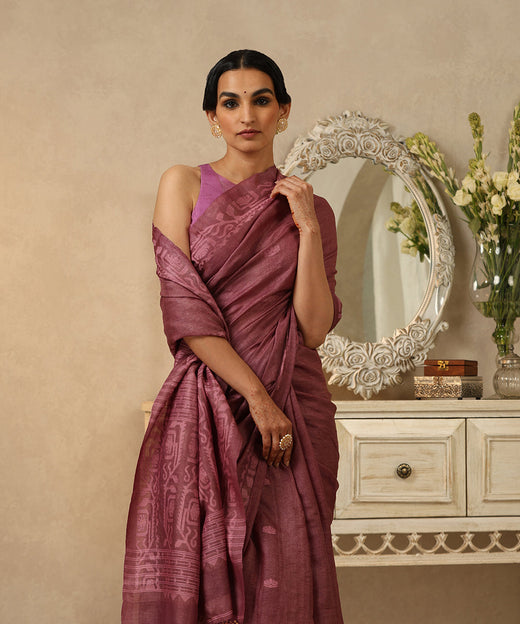
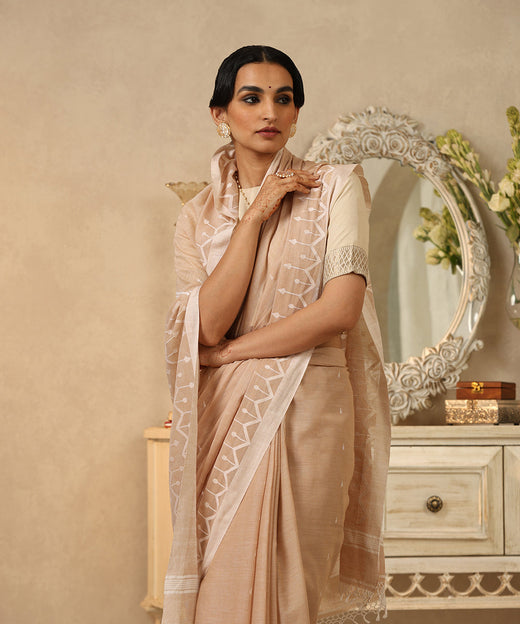
A Dhakai Jamdani Saree is a traditional handwoven saree known for its airy texture and beautifully woven motifs that appear to float on the fabric. Unlike printed or embroidered designs, every motif is woven directly into the weave by skilled artisans using the supplementary weft technique.
The word "Dhakai" refers to Dhaka, the historic centre of Jamdani weaving, while "Jamdani" represents one of the finest forms of handloom artistry. Over centuries, this weaving tradition has become synonymous with elegance, patience, and exceptional craftsmanship.
Today, these sarees for women continue to be cherished for their graceful appearance and cultural significance, making them suitable for everything from festive celebrations to family heirlooms.
The Origin and History of the Dhakai Jamdani Saree
The story of the Dhakai Jamdani Saree dates back several centuries to the Bengal region, where master weavers perfected an intricate weaving style that gained admiration from royalty and nobility.
During the Mughal era, Jamdani weaving flourished under royal patronage. The extraordinary fineness of the fabric, combined with detailed floral and geometric motifs, made these sarees highly sought after by aristocrats and connoisseurs of fine textiles.
What makes this tradition remarkable is that the knowledge has been passed down through generations of weaving families. Every artisan preserves techniques learned through years of practice, ensuring the authenticity and beauty of each handwoven creation remain intact.
Today, the legacy continues as skilled craftspeople keep this centuries-old weaving tradition alive while introducing subtle contemporary interpretations for modern wearers.
What Makes the Jamdani Weaving Technique Unique?
One of the defining characteristics of a Dhakai Jamdani Saree is its highly specialised weaving process.
Supplementary Weft Weaving
Unlike machine-made fabrics, Jamdani motifs are woven directly into the fabric while the saree is being created. The artisan manually inserts additional weft threads to form each intricate motif instead of stitching or printing designs afterward.
This labour-intensive process requires exceptional concentration and precision.
Handcrafted Motifs
Every motif is individually woven by hand. Popular designs include:
- Floral vines
- Paisleys
- Lotus patterns
- Geometric motifs
- Nature-inspired elements
- Traditional Bengali artistic patterns
Since every motif is created manually, no two sarees are ever exactly alike.
Time and Skill
Creating a single saree may take several weeks or even months depending on the complexity of the design. Multiple artisans often work together to complete one masterpiece, carefully maintaining symmetry throughout the weaving process.
This extraordinary level of craftsmanship is one of the reasons handwoven Jamdani sarees continue to be valued across generations.
Key Characteristics of an Authentic Dhakai Jamdani Saree
Understanding the hallmarks of authenticity helps buyers appreciate the artistry behind every piece.
Lightweight Yet Luxurious Fabric
An authentic Dhakai Jamdani Saree feels remarkably light while maintaining a graceful drape. The fabric allows excellent breathability, making it comfortable for extended wear.
Intricately Woven Motifs
The motifs are woven into the fabric rather than applied later. This creates a seamless finish that reflects the artisan's skill and attention to detail.
Beautiful Borders and Pallu
Traditional Jamdani sarees often feature elegant borders and richly detailed pallus that complement the delicate motifs across the body of the saree.
Natural Handcrafted Variations
Slight variations in spacing or weaving should never be mistaken for imperfections. Instead, they are a signature of genuine handcrafted textiles, highlighting that every saree has been woven by human hands rather than manufactured by machines.
Timeless Appeal
One of the greatest strengths of Jamdani weaving is its enduring elegance. Whether paired with traditional jewellery for a wedding or styled minimally for a cultural gathering, these sarees remain effortlessly sophisticated across generations.
How to Identify an Authentic Dhakai Jamdani Saree
Buying a handwoven saree is an investment in artistry and tradition, so it's important to know how to distinguish an authentic piece from machine-made alternatives. Here are a few practical tips to help you make an informed choice.
1. Examine the Weaving
A genuine Dhakai Jamdani Saree features motifs woven directly into the fabric using the supplementary weft technique. Unlike printed or embroidered designs, these motifs become an integral part of the weave and display remarkable precision.
2. Check the Reverse Side
Turn the saree over and inspect the back. Since the motifs are handwoven rather than printed, you'll notice fine weaving details on the reverse that reflect the artisan's craftsmanship.
3. Feel the Fabric
Authentic Jamdani sarees are known for their soft texture, lightweight feel, and graceful drape. Whether woven in fine cotton or silk blends, the fabric should feel breathable and comfortable without appearing stiff or synthetic. To explore similar luxury choices, view our comprehensive look at different types of silk sarees.
4. Appreciate Minor Variations
Handloom weaving is a manual craft. Slight irregularities in the weave or motif placement are natural and should be seen as evidence of genuine craftsmanship rather than flaws.
5. Buy from a Trusted Handloom Brand
Choosing a reputable platform ensures greater confidence in authenticity, craftsmanship, and quality. Look for brands that work directly with skilled weaving communities and provide detailed information about their collections.
Popular Types of Dhakai Jamdani Sarees
Although the weaving technique remains rooted in tradition, Dhakai Jamdani sarees are available in a variety of styles to suit different occasions and personal preferences.
Traditional Cotton Dhakai Jamdani
Known for its feather-light texture and understated elegance, this classic style is ideal for daytime celebrations, religious ceremonies, and cultural events. To pick the correct material, check our guide on the best fabric for saree selection.
Silk and Cotton-Silk Jamdani
Blending the softness of cotton with the richness of silk creates a saree that is well suited for weddings, festive gatherings, and formal occasions.
Contemporary Pastel Jamdani
Modern colour palettes such as ivory, blush pink, sage green, powder blue, and lavender give the traditional weave a fresh, contemporary appeal while preserving its heritage.
Festive Handwoven Jamdani
Featuring elaborate borders, richly woven pallus, and intricate motifs, these sarees make elegant choices for celebrations, receptions, and family functions.
How to Style a Dhakai Jamdani Saree
One of the reasons the Dhakai Jamdani Saree continues to remain relevant is its remarkable versatility.
For weddings and festive occasions, pair it with handcrafted gold jewellery, a traditional blouse, and classic footwear to create an elegant ethnic ensemble.
For cultural programmes or formal gatherings, choose minimal jewellery for saree, a structured blouse, and understated accessories that allow the intricate weaving to take centre stage.
If you prefer a contemporary look, style your Jamdani saree with a high-neck blouse, statement earrings, and a sleek bun. This combination beautifully blends heritage craftsmanship with modern sophistication.
Caring for Your Dhakai Jamdani Saree
Proper care helps preserve the beauty of a handwoven saree for years to come.
- Dry clean your saree whenever possible, especially after festive wear.
- Store it folded neatly in a soft cotton or muslin cloth to protect the delicate weave. Avoid prolonged exposure to direct sunlight, which may gradually affect the fabric's colour.
- Refold the saree occasionally to prevent permanent creases.
- Keep it in a cool, dry place away from excess moisture.
With thoughtful care, a Jamdani saree can be treasured for generations and even become a cherished family heirloom.
Why Investing in a Handwoven Dhakai Jamdani Saree Is Worth It
A handwoven saree offers far more than beautiful attire—it represents centuries of artistic excellence, cultural heritage, and sustainable craftsmanship.
Every purchase supports skilled artisans who continue to preserve one of India's most admired weaving traditions. Since each saree is woven individually by hand, no two pieces are ever identical, making every creation truly one of a kind.
Its timeless appeal also means it can be worn repeatedly across weddings, festive celebrations, cultural events, and family occasions without ever going out of style. More importantly, it becomes a meaningful keepsake that carries memories from one generation to the next.
Discover Authentic Dhakai Jamdani Sarees at WeaverStory
If you're looking for an authentic Dhakai Jamdani Saree, WeaverStory offers a thoughtfully curated collection that celebrates India's rich handloom heritage. From elegant cotton weaves for everyday sophistication to exquisite silk Jamdani sarees for weddings and festive occasions, every collection reflects exceptional craftsmanship and timeless design.
You can also explore WeaverStory's carefully selected Handwoven Jamdani Sarees, Cotton Jamdani Sarees, Silk Jamdani Sarees, and other artisanal Bengal weaves, each sourced from skilled weaving communities dedicated to preserving this centuries-old craft.
Curated with a commitment to authenticity and quality, the collections reflect the values championed by Nishant Malhotra, whose work highlights India's rich textile traditions while encouraging conscious appreciation for handcrafted weaves. Whether you're starting your handloom journey or adding another heirloom-worthy piece to your wardrobe, WeaverStory offers sarees that honour both tradition and timeless elegance.
Conclusion
A Dhakai Jamdani Saree is much more than a beautiful garment—it is a living expression of heritage, patience, and extraordinary craftsmanship. From its historic roots in Bengal to its intricate handwoven motifs and graceful drape, every saree tells a story that has been preserved through generations of skilled artisans.
Understanding its origin, weaving technique, and authenticity markers allows you to appreciate the artistry behind every piece and choose a saree with confidence. Whether worn during weddings, festive celebrations, or cultural occasions, a genuine Jamdani remains an elegant investment that never goes out of style.
Explore WeaverStory's handpicked collection of authentic Dhakai Jamdani sarees and experience the beauty of timeless Indian craftsmanship, thoughtfully preserved for today's discerning saree lovers.
Frequently Asked Questions
Q1. How can I identify an authentic Dhakai Jamdani Saree?
Look for handwoven motifs, a lightweight fabric, intricate detailing on both sides of the weave, and natural variations that reflect handcrafted artistry. Buying from a trusted handloom brand also adds confidence. For comparisons with other fine regional textiles, read our detailed a guide on kanjivaram saree markers.
Q2. Can a Dhakai Jamdani Saree be worn for weddings?
Yes. Silk and cotton-silk Jamdani sarees are elegant choices for weddings, receptions, festive celebrations, and traditional ceremonies because of their rich craftsmanship and timeless appeal.
Q3. Is every Dhakai Jamdani Saree handmade?
Yes. Authentic Jamdani sarees are woven by skilled artisans using traditional handloom techniques. Each motif is created individually during the weaving process, making every saree unique.
Q4. Will a Jamdani saree last for many years?
With proper storage and occasional dry cleaning, a handwoven Jamdani saree can retain its beauty for decades and is often passed down as a treasured family heirloom.
Q5. What makes a Dhakai Jamdani Saree unique?
Its supplementary weft weaving technique, delicate handcrafted motifs, lightweight texture, and centuries-old weaving tradition distinguish it from machine-made or printed sarees. For details on alternative luxurious northern weaves, look up a guide on banarasi saree heritage.
Q6. Why are Dhakai Jamdani sarees considered valuable?
Their value comes from the time-intensive weaving process, exceptional artisan skill, limited production, and the cultural heritage preserved in every handcrafted piece.
Q7. How should I store my Dhakai Jamdani Saree?
Store it folded in a breathable cotton or muslin cloth, away from direct sunlight and moisture. Refolding it occasionally helps maintain the fabric and prevents permanent creases.
Q8. What should I consider before buying a Dhakai Jamdani Saree online?
Review the product description carefully, check fabric details, inspect high-quality images, understand the weaving technique, and purchase from a trusted handloom retailer that values authenticity and artisan craftsmanship.